Pony.ai reported $44.6 million in Q3 2026 revenue — a 75% jump year-over-year — as both its Robotaxi and Robotruck businesses beat estimates and driverless revenue grew faster than operating expenses.
Pony.ai reported $44.6 million in Q3 2026 revenue — a 75% jump year-over-year — as both its Robotaxi and Robotruck businesses outperformed analyst estimates and driverless revenue grew faster than operating expenses, moving the autonomous vehicle company closer to its first sustainably profitable quarter.
This is the financial inflection the AV sector has been waiting years to see: a commercial-scale driverless company demonstrating that revenue growth can outpace the cost of running an autonomous fleet. Pony.ai has not yet reported a profitable quarter, but the Q3 trajectory changes the story from "burning cash toward an uncertain future" to "scaling toward a turning point."
Background
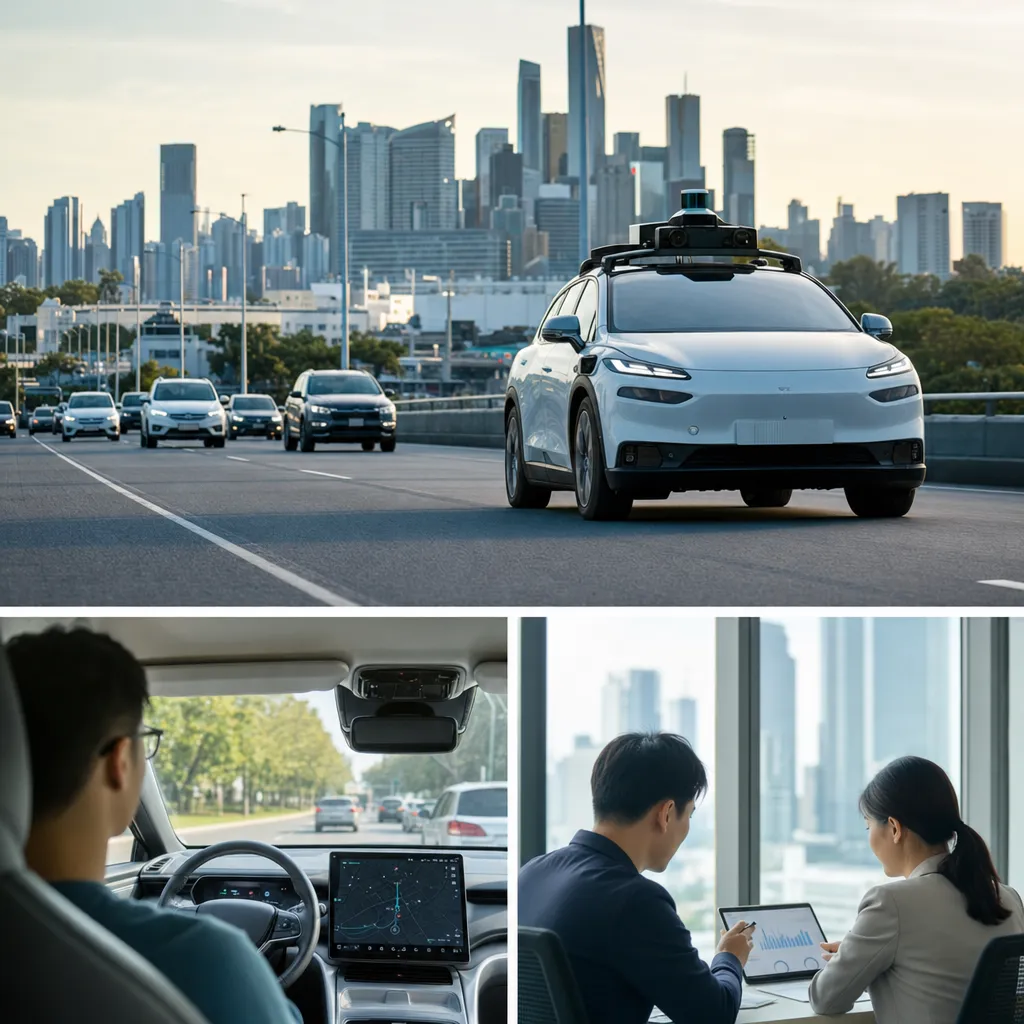
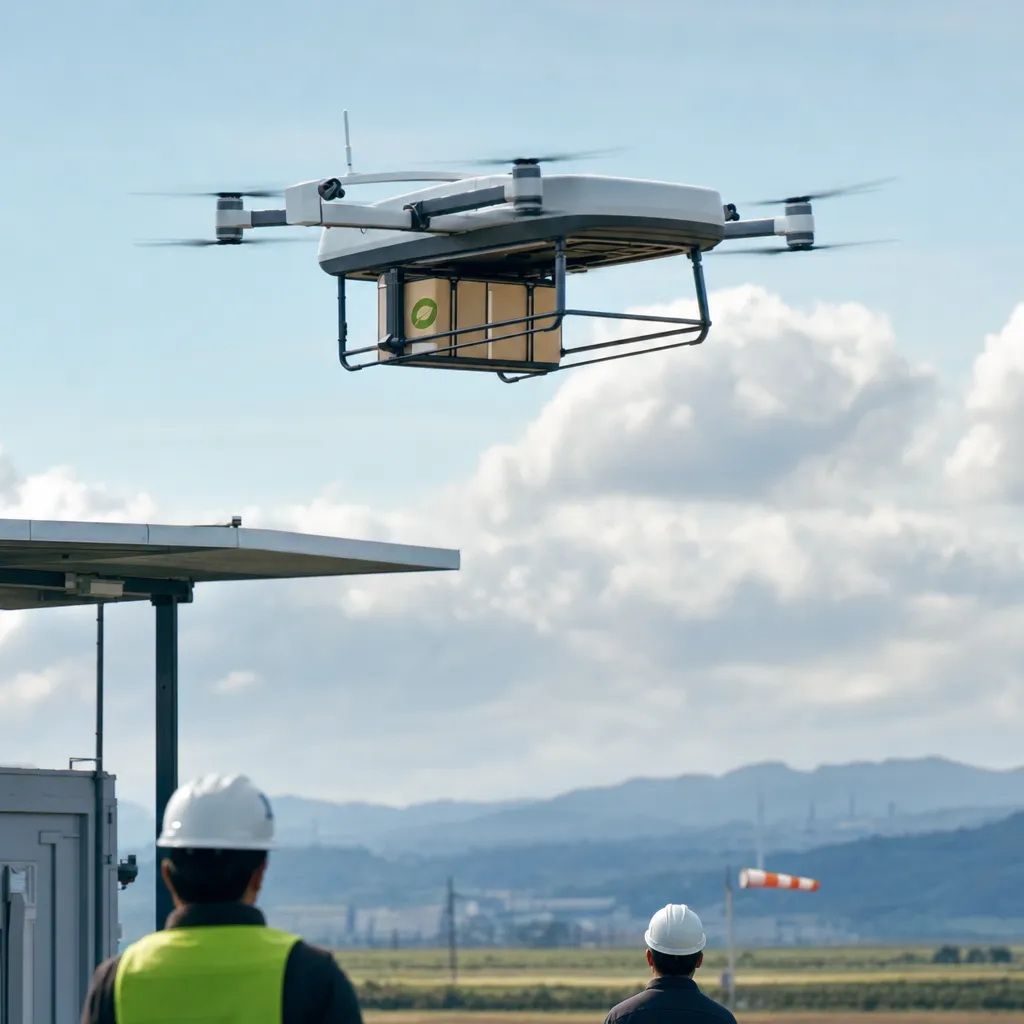
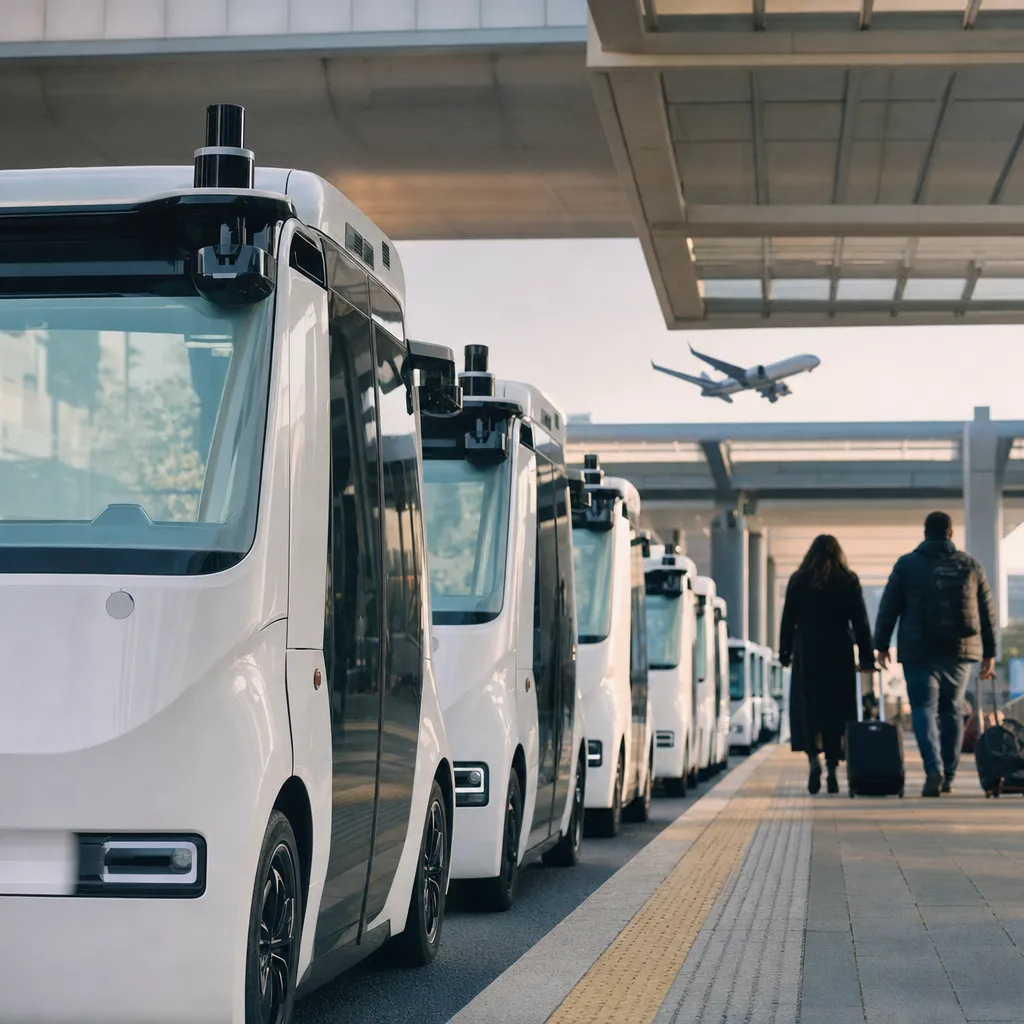
Pony.ai went public on Nasdaq in late 2024 after years of development in China and a U.S. pilot program. The company operates two separate businesses under one technology stack: Robotaxi, a passenger autonomous ride-hail service operating commercially in Beijing, Shanghai, Guangzhou, and Shenzhen; and Robotruck, which runs autonomous freight operations across Chinese highway corridors with no safety driver behind the wheel.
The two segments face very different regulatory and commercial environments. Robotaxi revenue is driven by ride volume and per-trip economics. Robotruck revenue is driven by freight contracts and fleet utilization. Both require the same underlying sensor fusion, planning, and vehicle-control software, but their paths to commercial scale are distinct.
What the Q3 Numbers Show
According to Pony.ai's earnings release via Benzinga, Q3 2026 results include:
- Total revenue: $44.6 million, up 75% year-over-year
- Both Robotaxi and Robotruck segments beat analyst estimates
- Operating expenses grew slower than revenue — the key signal that unit economics are improving at scale
- Driverless operations across multiple Chinese provinces are now commercially active, not just piloted
The company did not provide a specific profitability timeline in its release, but the revenue-to-expense ratio suggests that path is now numerically visible rather than theoretical.
Why China's AV Sector Reached This Point First
Pony.ai's results reflect a broader dynamic: China's autonomous vehicle industry has moved into commercial operation faster than its U.S. and European counterparts. Several factors explain the gap:
Regulatory clarity. China issued national driverless vehicle operating permits in 2024 and has expanded the zones where AV companies can operate at scale without safety drivers. The permitting process, while not simple, is centrally coordinated rather than fragmented by state and municipal jurisdiction.
Get this in your inbox.
Daily AI intelligence. Free. No spam.
Road infrastructure alignment. Chinese highway corridors — the primary routes for Robotruck operations — were built recently, with consistent lane markings, modern signage, and infrastructure that simplifies sensor-based navigation. Older U.S. highway infrastructure presents more varied edge cases.
Fleet economics. The commercial case for driverless vehicles arrives earlier in markets where labor costs in trucking and ride-hail are significant. That economic pressure drives fleet operators to adopt autonomy faster.
In contrast, U.S. AV companies face a patchwork of state and municipal regulations, significant liability uncertainty, and insurance frameworks that haven't caught up with driverless commercial operation at scale.
Impact on the Industry
Pony.ai's Q3 results land at a critical moment for the global AV sector. The industry has absorbed several high-profile failures and retreats in recent years — GM's Cruise shutting its robotaxi service in 2023, multiple U.S. AV truck programs stalling on regulatory and insurance barriers. Those setbacks made many institutional investors cautious about the entire category.
A 75% revenue growth rate from a company running driverless vehicles commercially at scale — not in test corridors — provides the proof-of-concept that investors, regulators, and competitors have been debating. If the trajectory holds through Q4, Pony.ai will likely enter 2027 with a credible near-term profitability forecast.
For U.S. and European competitors: The message is competitive pressure backed by real numbers. Waymo continues to expand carefully in a handful of U.S. cities; Aurora is ramping its commercial trucking operations in Texas. Neither has reported comparable revenue growth rates from fully driverless commercial deployments at this scale.
For Chinese domestic competitors, including Baidu Apollo and WeRide, Pony.ai's results validate the market size but also raise the commercial benchmark. Fleet operators and freight customers now have a data point for what driverless AV economics can look like — and they'll expect competitors to meet or beat it.
For investors in AV stocks globally: The 75% growth rate at a company that has actually reduced its expense-to-revenue ratio provides a template for evaluating AV investment thesis. The question is no longer whether autonomous vehicles can operate commercially — it's whether they can operate commercially at a cost structure that generates returns.
What to Watch
The next critical milestone is Q4 2026 earnings, where investors will look for confirmation that Q3's revenue-expense trend was structural rather than a one-quarter outlier. A second consecutive quarter of faster revenue than expense growth would substantially strengthen the profitability narrative.
Also watch for any expansion of Pony.ai's operating zones in China — additional city approvals for Robotaxi would accelerate fleet utilization. And watch how Aurora's Texas Robotruck commercial ramp progresses in parallel: if two AV companies in different markets start hitting similar financial milestones in the same quarter, the AV commercialization thesis gets significantly harder to dismiss.
Source: Pony.ai Q3 2026 earnings via Benzinga
Did this help you understand AI better?
Your feedback helps us write more useful content.
Get tomorrow's AI briefing
Join readers who start their day with NexChron. Free, daily, no spam.