Deutsche Telekom and Volkswagen completed the federally funded AutoLog pilot at VW's Emden plant, validating AI-driven vehicle logistics in mixed traffic ahead of Germany's 2027 commercial policy.
Deutsche Telekom and Volkswagen Wrap Up Two-Year AI Autonomous Logistics Pilot in Germany
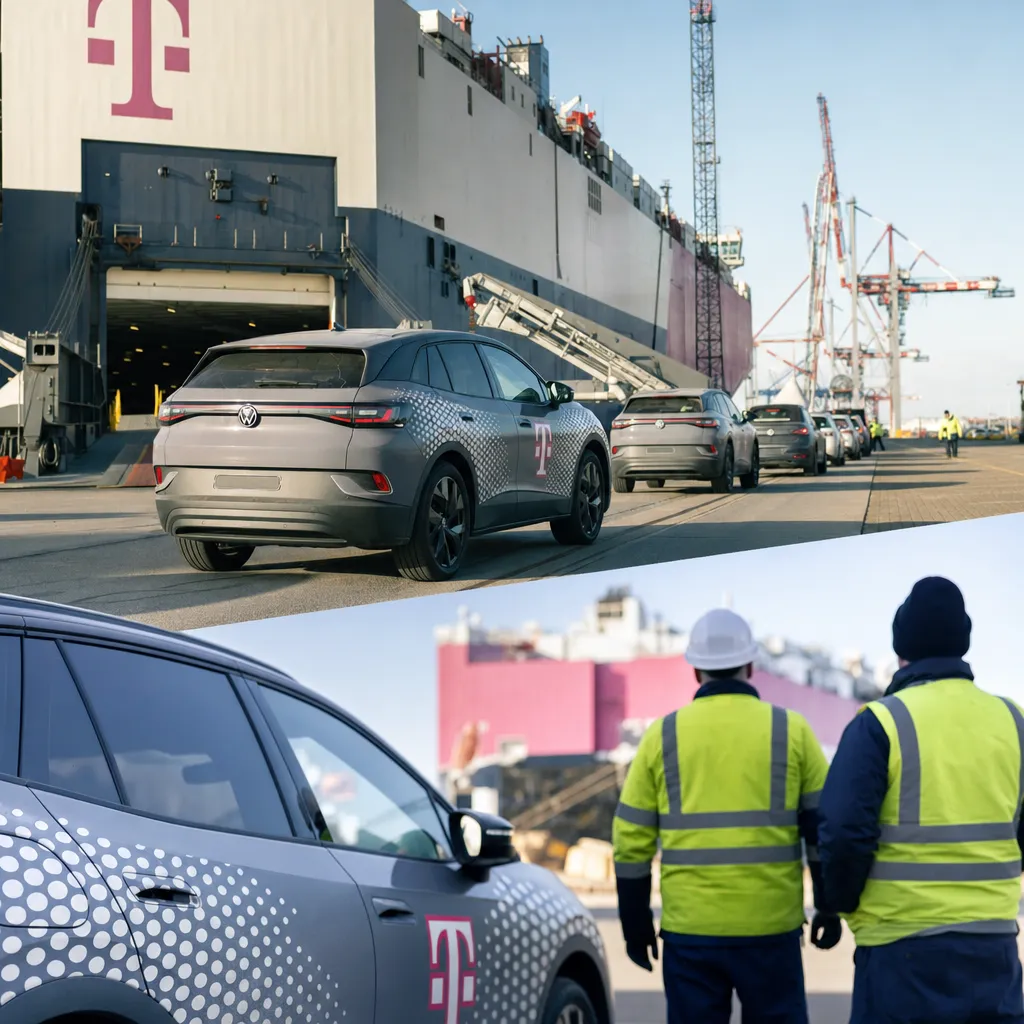
Deutsche Telekom and Volkswagen completed the AutoLog autonomous vehicle logistics pilot at VW's Emden production and export hub on October 28, successfully concluding two years of federally backed testing of AI-driven vehicle movements in mixed-traffic conditions. The results will directly feed Germany's autonomous logistics deployment policy ahead of anticipated commercial rollouts in 2027.
What AutoLog Was Testing
Emden is one of Volkswagen's largest logistics nodes — a production facility and port complex in Lower Saxony where finished vehicles are loaded onto transport ships for export. The site runs continuous mixed-traffic operations: human-driven vehicles, forklifts, specialized port machinery, and standard road traffic all sharing the same corridors.
That environment was the point. Lab-based autonomous vehicle testing happens in controlled conditions. AutoLog tested whether AI-driven logistics vehicles could operate reliably alongside the unpredictable, variable traffic of an active industrial port — a much harder problem.
According to project documentation tracked by Rallies.ai, Deutsche Telekom provided the connectivity infrastructure — the real-time data links between vehicles, sensors, and the central coordination platform. Volkswagen contributed the operational environment and integration with its existing logistics management systems. Germany's Federal Ministry of Transport provided funding and policy oversight.
The Two Years of Work
The project ran from late 2024 through October 28, 2026, accumulating performance data across multiple operational scenarios:
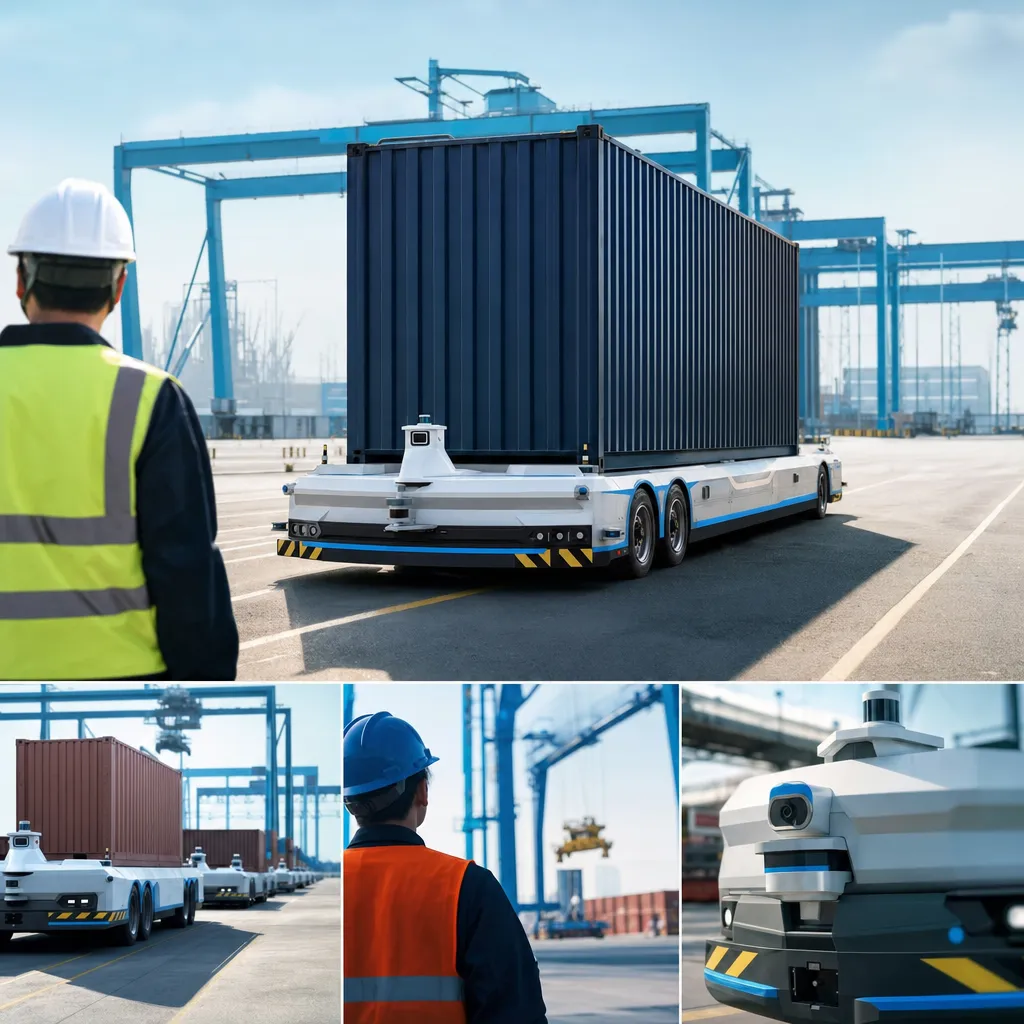
- Mixed-traffic navigation — autonomous vehicles moving through areas shared with human-operated machinery and transport
- Dynamic obstacle response — detecting and routing around unexpected obstacles, personnel, and vehicles not in the planned path
- Coordination with existing systems — integrating autonomous vehicle movements with Volkswagen's logistics management and scheduling software
- 5G-enabled real-time management — Deutsche Telekom's network providing the low-latency connectivity required for real-time vehicle coordination at scale
The conclusion of the pilot on October 28 marks the end of the data collection phase. Results will now be compiled into formal documentation for the Federal Ministry of Transport.
Get this in your inbox.
Daily AI intelligence. Free. No spam.
Why This Matters for Germany's 2027 Policy
Germany has been deliberate — critics would say slow — in its approach to commercial autonomous logistics authorization. Unlike the United States, where state-by-state permitting has allowed companies like Kodiak Robotics and Aurora Innovation to begin commercial freight operations, Germany requires federal-level policy frameworks before commercial deployments can scale.
AutoLog was explicitly designed to generate the real-world performance data that informs those frameworks. The federal government isn't writing policy based on vendor simulations or controlled test track data — it's writing it based on two years of mixed-traffic industrial operations.
The practical implication: German companies planning commercial autonomous logistics operations in 2027 will be operating under rules directly shaped by AutoLog's findings. The strength of those results will determine how permissive or restrictive the initial commercial licensing framework becomes.
The Connectivity Angle
Deutsche Telekom's role in AutoLog is worth understanding beyond the logistics story. The company has been positioning its 5G infrastructure as essential for autonomous operations — not just passenger vehicles, but industrial logistics at ports, factories, and freight hubs. Real-time vehicle coordination at industrial scale requires the kind of ultra-low latency that 5G provides and previous cellular generations couldn't reliably deliver.
AutoLog gives Deutsche Telekom a documented, government-validated reference case for that positioning. When pitching autonomous logistics connectivity solutions to other German industrial operators — BMW, BASF, port operators — the company can point to two years of live operational data from a major federal program.
What This Means for the Broader Industry
Germany is Europe's largest manufacturing economy and a critical logistics hub. The commercial autonomous vehicle frameworks Germany establishes will likely influence regulatory approaches in neighboring EU members, particularly as the EU moves toward harmonized AV operating standards across member states.
For logistics operators across Europe — shipping companies, port operators, factory logistics managers — AutoLog's conclusion means the wait for German commercial authorization is now a policy timeline question, not a technology question. The technology has been validated. What comes next is paperwork.
What to Watch
The Federal Ministry of Transport's formal policy response is the critical next step. Industry observers expect an initial framework for commercial autonomous logistics authorization to emerge in Q1 2027. Watch for whether the ministry's framework includes a phased approach — beginning with enclosed or semi-enclosed industrial sites before expanding to public roads — which would allow operators like Volkswagen to deploy commercial systems at their own facilities before broader public road authorization arrives.
Did this help you understand AI better?
Your feedback helps us write more useful content.
Get tomorrow's AI briefing
Join readers who start their day with NexChron. Free, daily, no spam.