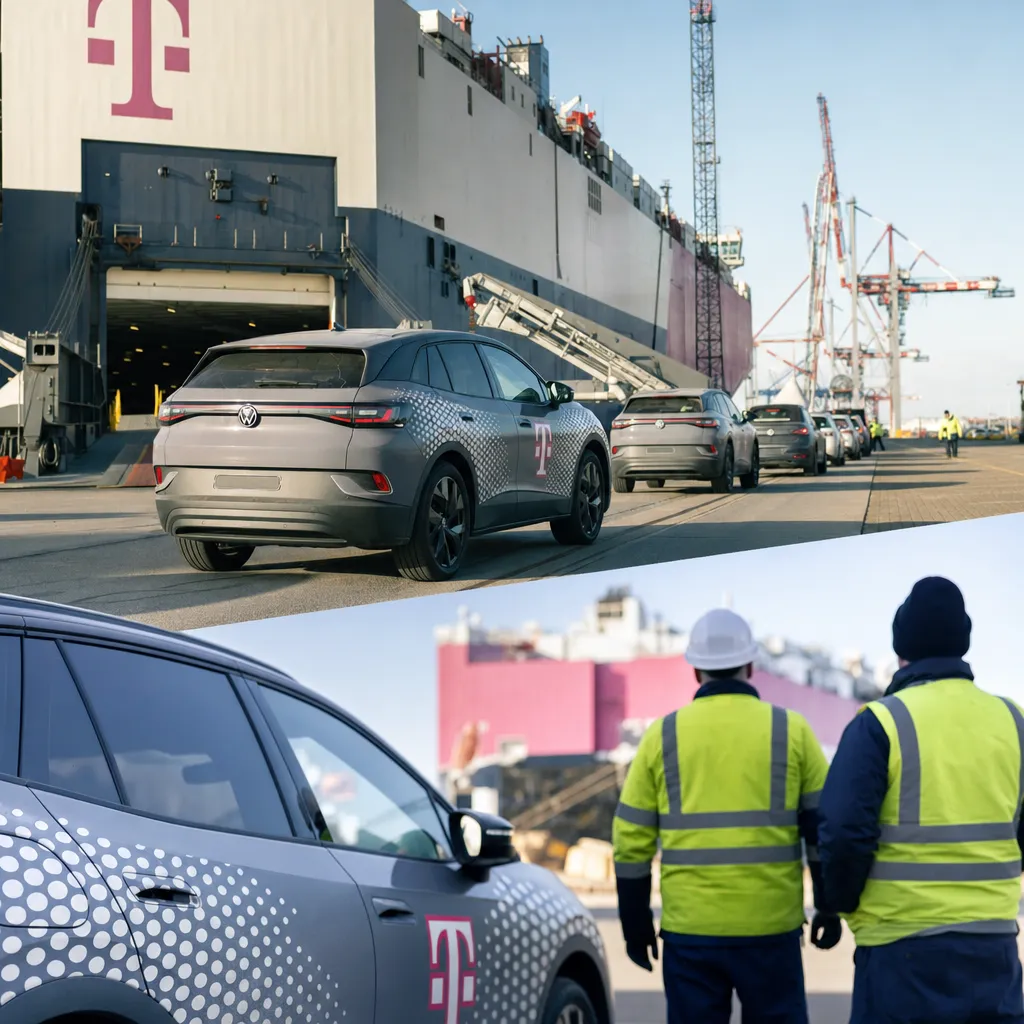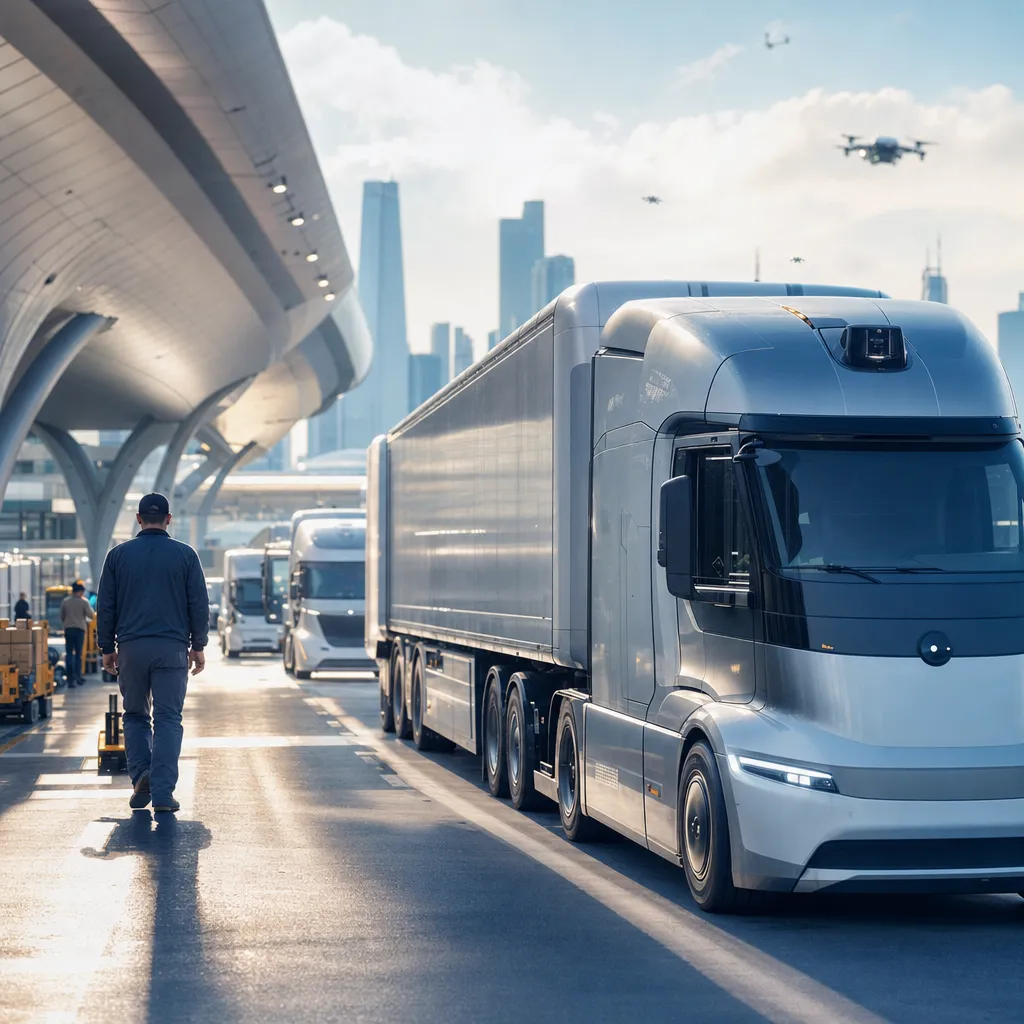
A second autonomous vehicle boom is underway — larger and more commercially grounded than the first wave that peaked and crashed between 2016 and 2019. TechCrunch's mobility team declared the shift on November 1, citing Trucks VC data showing 81 new AV startups received funding pitches in 2026 alone, two-thirds more than in 2025. The same week, Toyota confirmed it will manufacture AV-ready bZ4X electric vehicles in Japan specifically for Waymo's international expansion into the UK and other markets — a sign that the supply chain is integrating around commercially viable autonomous deployments rather than perpetual prototypes.
What Changed Between the First Wave and Now
The 2016–2019 AV boom was driven by venture capital betting that full autonomy was three to five years away. It wasn't. Most of the companies that raised in that period — Uber ATG, Aurora's early backers, dozens of smaller sensor and software firms — burned through capital before reaching commercialization. The gap between demonstration capability and production-ready systems turned out to be far wider than investors modeled.
What's different in 2026:
- Foundation AI models cut the cost-per-mile dramatically. The same architectural advances that drove large language models — scale, multimodal inputs, in-context learning — have made AV perception and decision systems substantially more capable at lower marginal cost. New entrants can now build commercially viable systems at earlier funding stages than the 2016 cohort could.
- Trucking and fixed-route deployments proved the model. Companies like Waymo, Aurora, and Kodiak demonstrated that constrained deployments — highways, fixed freight routes, defined urban geofences — could reach consistent commercial operation before requiring full open-domain autonomy. That proof of concept drew new capital.
- Infrastructure caught up. HD mapping, V2X (vehicle-to-everything) communication standards, insurance frameworks, and regulatory pathways that didn't exist in 2016 are now in place in enough markets to support scaling.
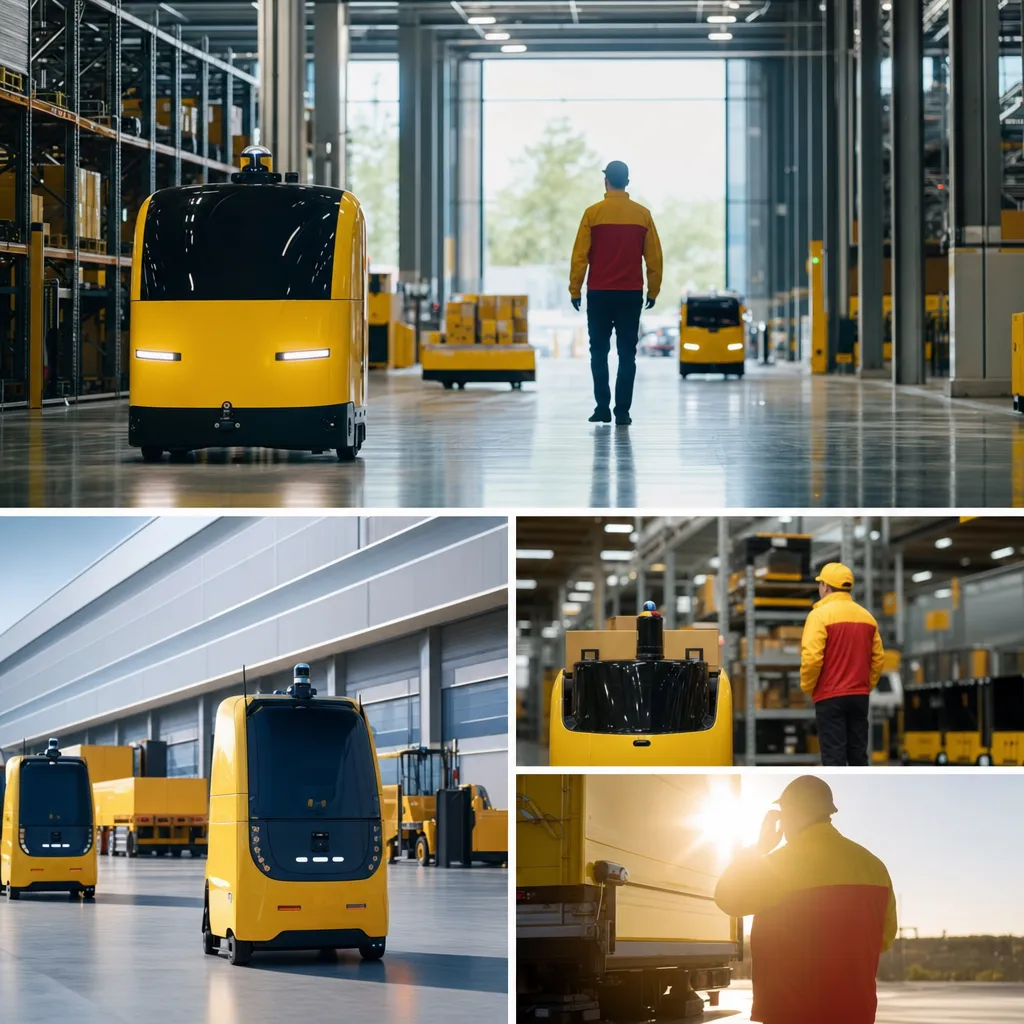
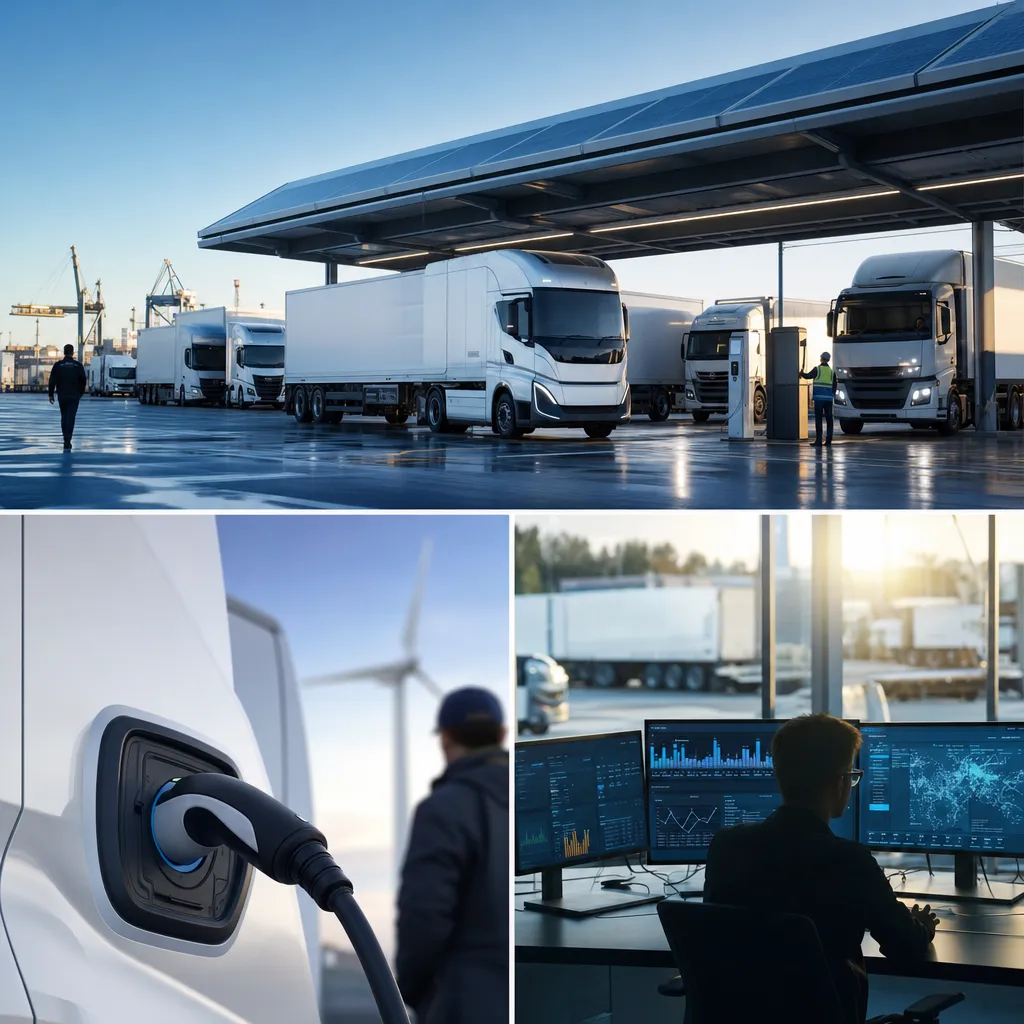
According to TechCrunch's mobility coverage, the 81 new AV startups pitching Trucks VC in 2026 represent not just more activity but a different composition — more hardware-software integration plays, more vertical-specific deployments (ports, airports, last-mile delivery), and more companies with paying commercial customers rather than development-stage demos.
The Toyota-Waymo Manufacturing Signal
Toyota's decision to manufacture AV-ready bZ4X vehicles in Japan specifically for Waymo's international fleet is the most concrete indicator of how far supply chain integration has advanced. In the first AV wave, automakers were defensive toward autonomous vehicle companies — guarding their manufacturing relationships and platform IP. The Toyota-Waymo arrangement is the inverse: a major automaker purpose-building vehicles to another company's autonomous driving specification.
This matters for three reasons: