Parallel Systems reached $100 million in total funding and is moving to commercial operations in 2026 with autonomous battery-electric railcars running on existing freight infrastructure—targeting the drayage market overlooked by autonomous trucking.
Parallel Systems Hits $100M Total Funding to Bring Autonomous Electric Freight Trains to Commercial Scale
By Hector Herrera | May 21, 2026 | Transport
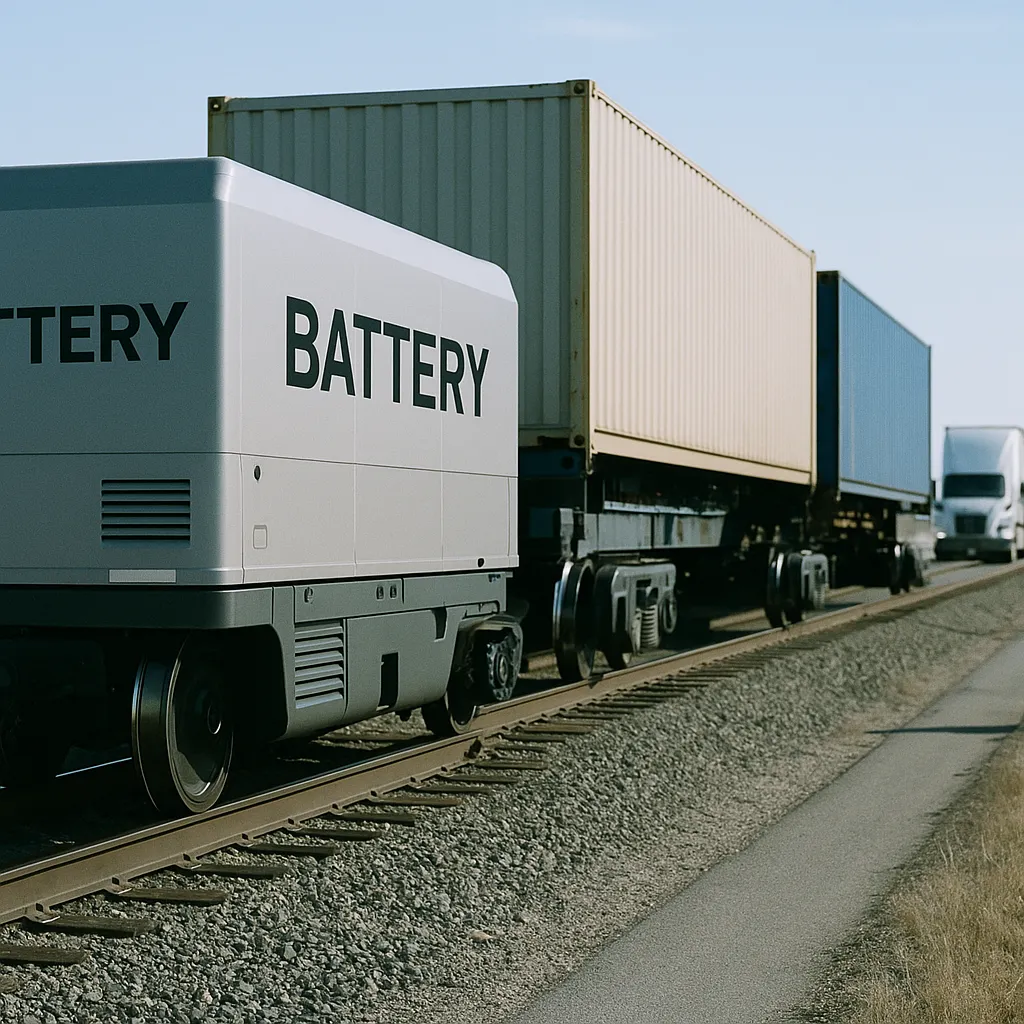
Parallel Systems has reached $100 million in total funding and is moving to commercial operations in 2026 with third-generation autonomous battery-electric railcars that run on existing freight rail infrastructure — no dedicated track required. The milestone opens a front in logistics automation that has received far less investment attention than autonomous trucking despite targeting the same drayage market: the short-haul movements that link ports, rail yards, and distribution centers.
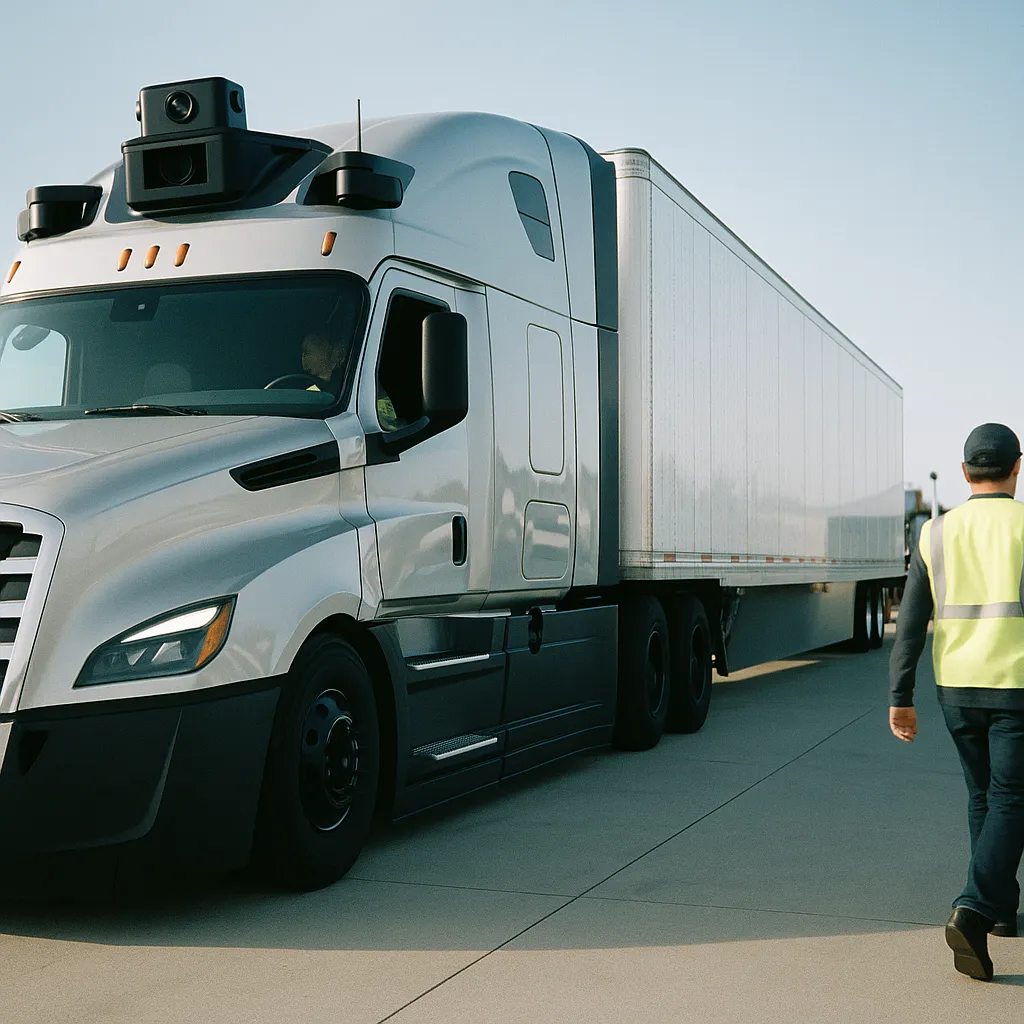
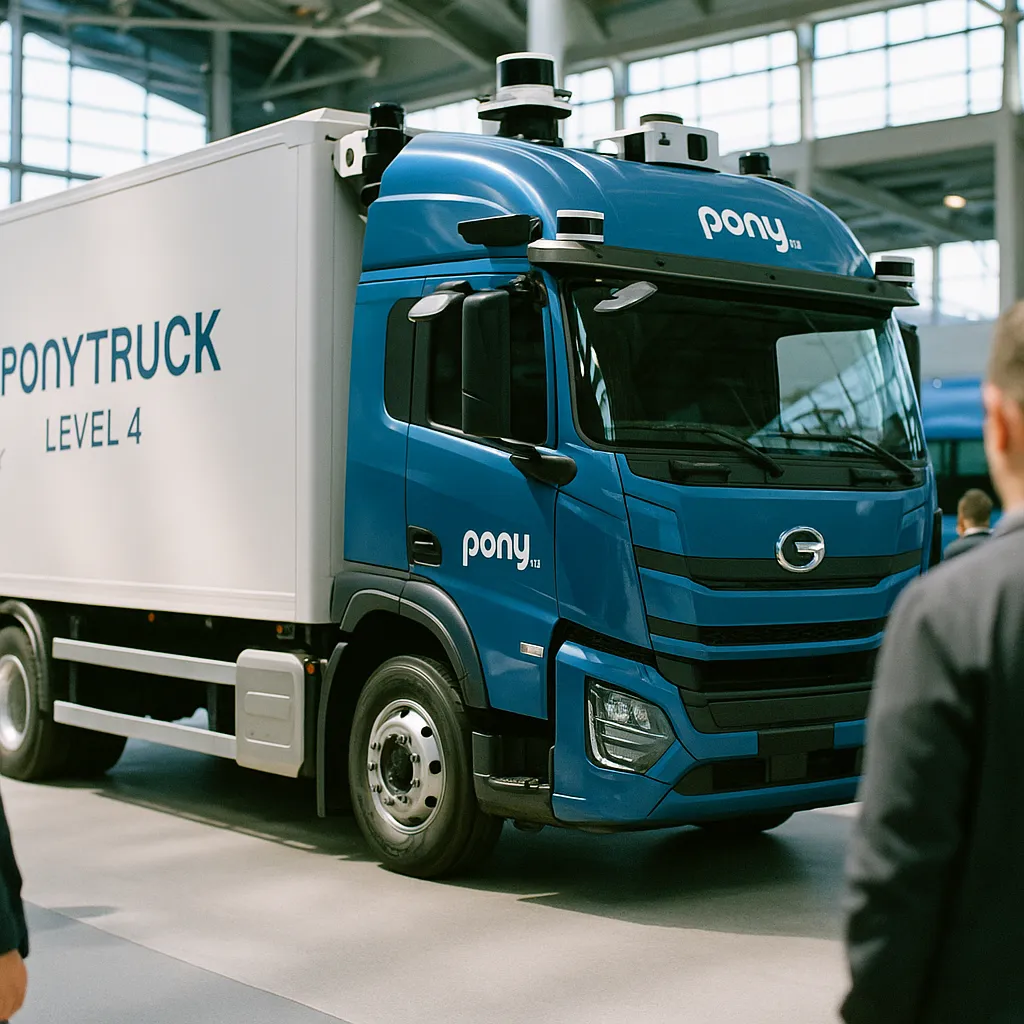
Autonomous freight trucks have absorbed the majority of AV logistics capital over the past decade, with companies like Aurora, Kodiak, and Waabi collectively raising billions to automate long-haul highway freight. Parallel Systems is betting that rail — cheaper per ton-mile than road, far lower in carbon emissions, and operating on infrastructure already built and paid for — is AI logistics' most undervalued opportunity.
How the technology works
According to Robotics & Automation News, Parallel Systems' autonomous railcars are designed specifically for drayage — movements under 50-100 miles connecting ports, rail yards, and warehouses. The cars operate individually or in small platoons on Class I freight rail lines during low-traffic windows, using AI guidance to navigate yard switching, signal systems, and loading operations without human operators on board.
The "existing infrastructure" claim is the core commercial thesis. New rail deployment has historically been prohibitively expensive because it required building dedicated track. Parallel Systems routes small autonomous units through the shared national freight network, which means the infrastructure investment is the railcars themselves — not greenfield construction.
Get this in your inbox.
Daily AI intelligence. Free. No spam.
The third-generation design is battery-electric, targeting routes where short distances make battery range viable and where diesel drayage trucks are the current baseline. The carbon math is straightforward: replacing diesel drayage with electric autonomous rail eliminates both the fuel cost and the emissions on affected routes.
Why 0M and why now
The U.S. drayage market moves approximately 110 million container lifts per year, according to the American Association of Port Authorities. A significant fraction of that volume moves less than 50 miles — the sweet spot for Parallel Systems' platform. For distances under 100 miles, rail currently struggles to compete with trucks on speed and flexibility. Autonomous electric railcars change both equations: they reduce labor costs and eliminate diesel costs on routes where electric grid access exists.
The commercial timing aligns with two compounding pressures:
- Truck driver shortages that are projected to worsen through 2030, with the American Trucking Associations estimating a shortage of over 160,000 drivers by the end of the decade.
- Port congestion that has repeatedly choked supply chains — most visibly during the 2021-2022 container crisis — and created sustained demand for alternatives to diesel drayage trucks at major ports.
Parallel Systems is entering commercial operations at the moment when both supply constraints on truck drivers and environmental pressure on diesel drayage are at their highest.
Competitive position
Parallel Systems is not competing directly with autonomous trucking companies. Its target routes — port-to-rail-yard short-haul — are distinct from the 400-mile highway corridors Aurora and Waabi are pursuing. The companies are more complementary than competitive: autonomous trucks handle long-haul highway transit, autonomous railcars handle port-adjacent drayage.
For shippers and logistics operators, autonomous rail as a viable drayage option creates a new competitive dynamic at major ports. If Parallel Systems demonstrates reliable commercial operations at even a handful of ports in 2026, procurement teams will have a credible alternative to price against diesel drayage contracts.
The incumbent concern is Class I railroads. Companies like BNSF and Union Pacific have relationships with port authorities and rail yards. Whether they view Parallel Systems' autonomous short-haul units as a service enhancement they can partner with — or as a platform they need to control or build themselves — will shape how quickly the technology scales.
What to watch
Parallel Systems' third-generation railcar performance on commercial routes in 2026 is the real test. Key metrics to track: loading and unloading automation reliability at working ports, on-time performance under shared-track constraints with human-operated trains, and whether Class I railroads move to partner with or compete against the platform. If the commercial pilots hold, the $100M will look like the seed money for a much larger category.
Did this help you understand AI better?
Your feedback helps us write more useful content.
Get tomorrow's AI briefing
Join readers who start their day with NexChron. Free, daily, no spam.