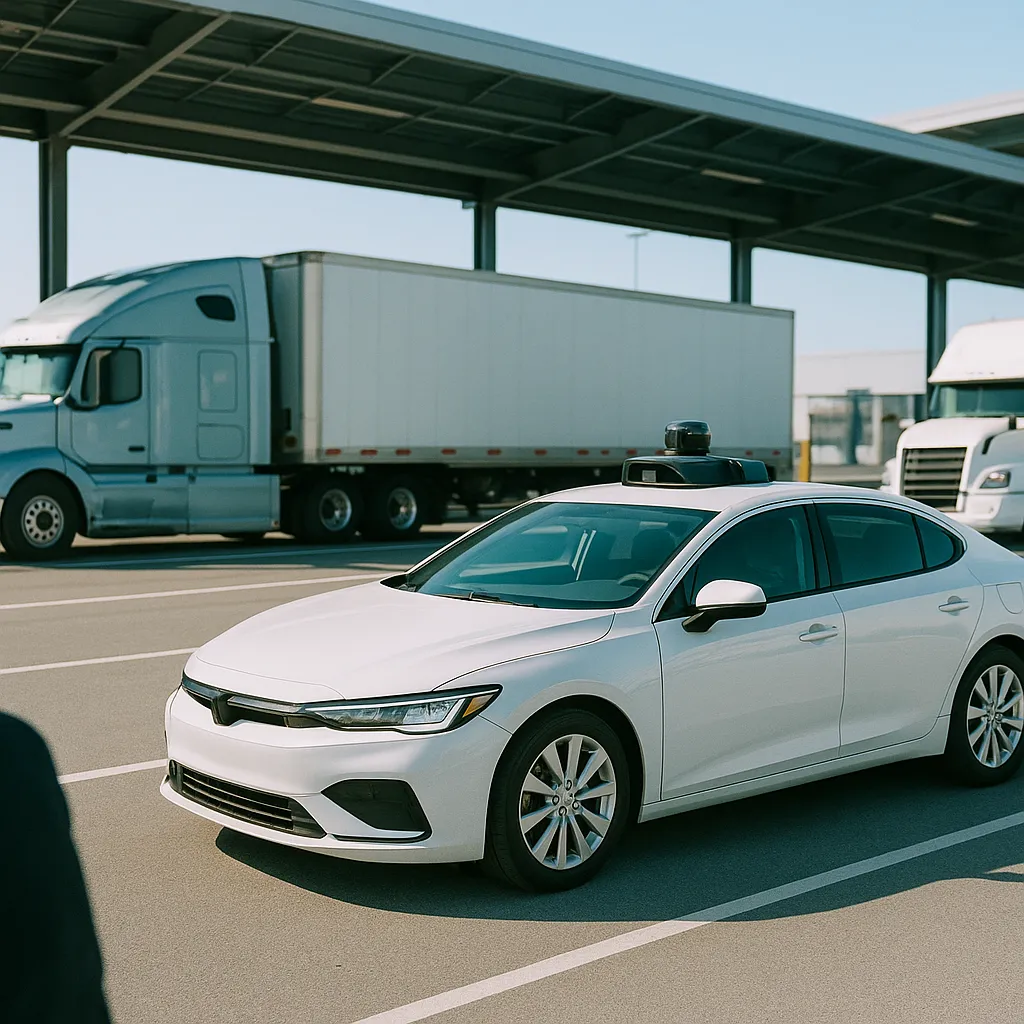
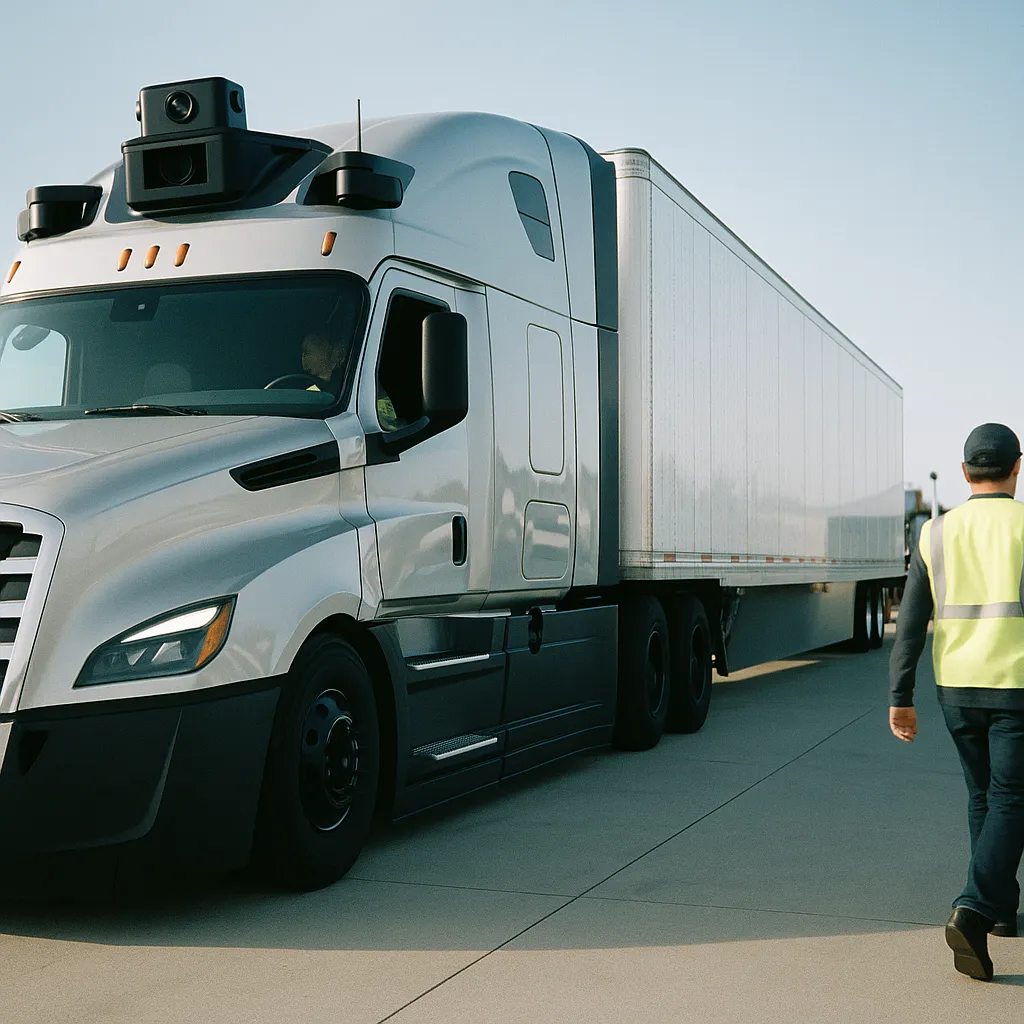
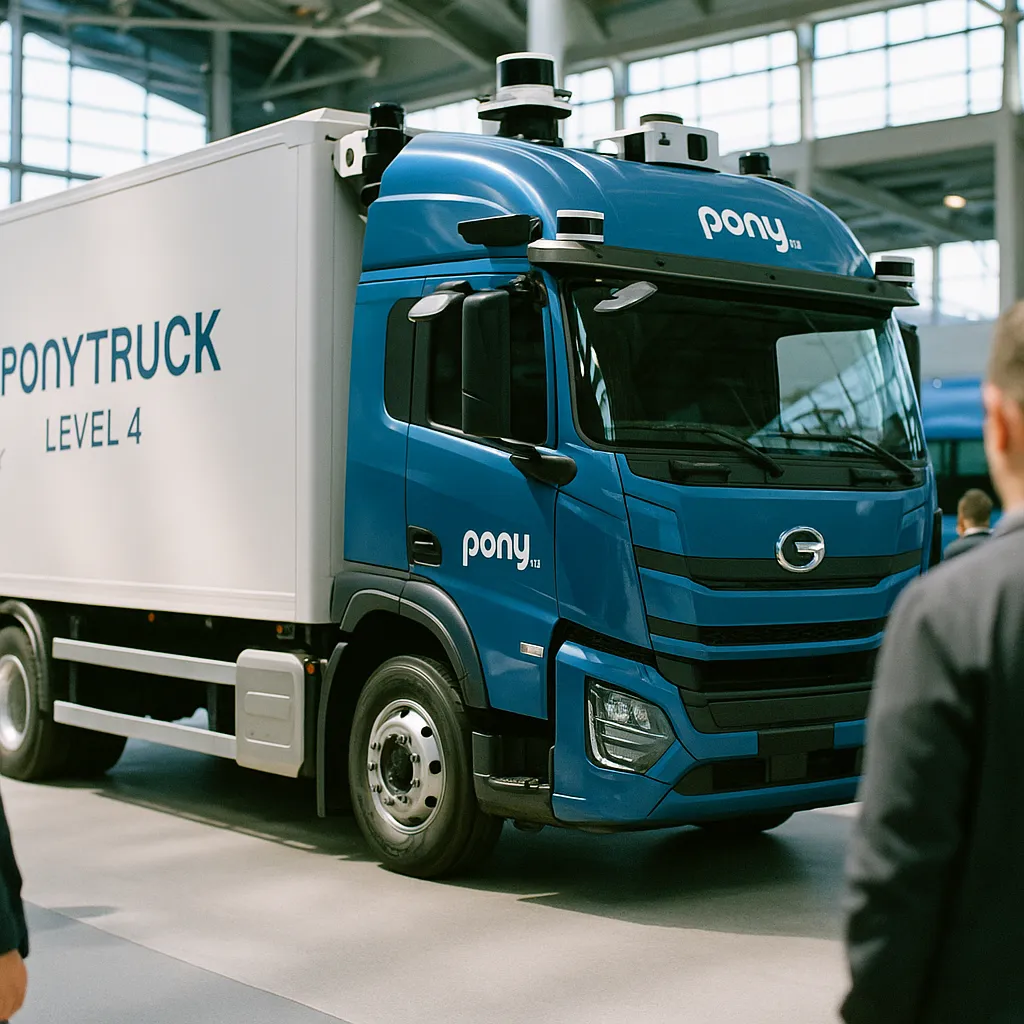
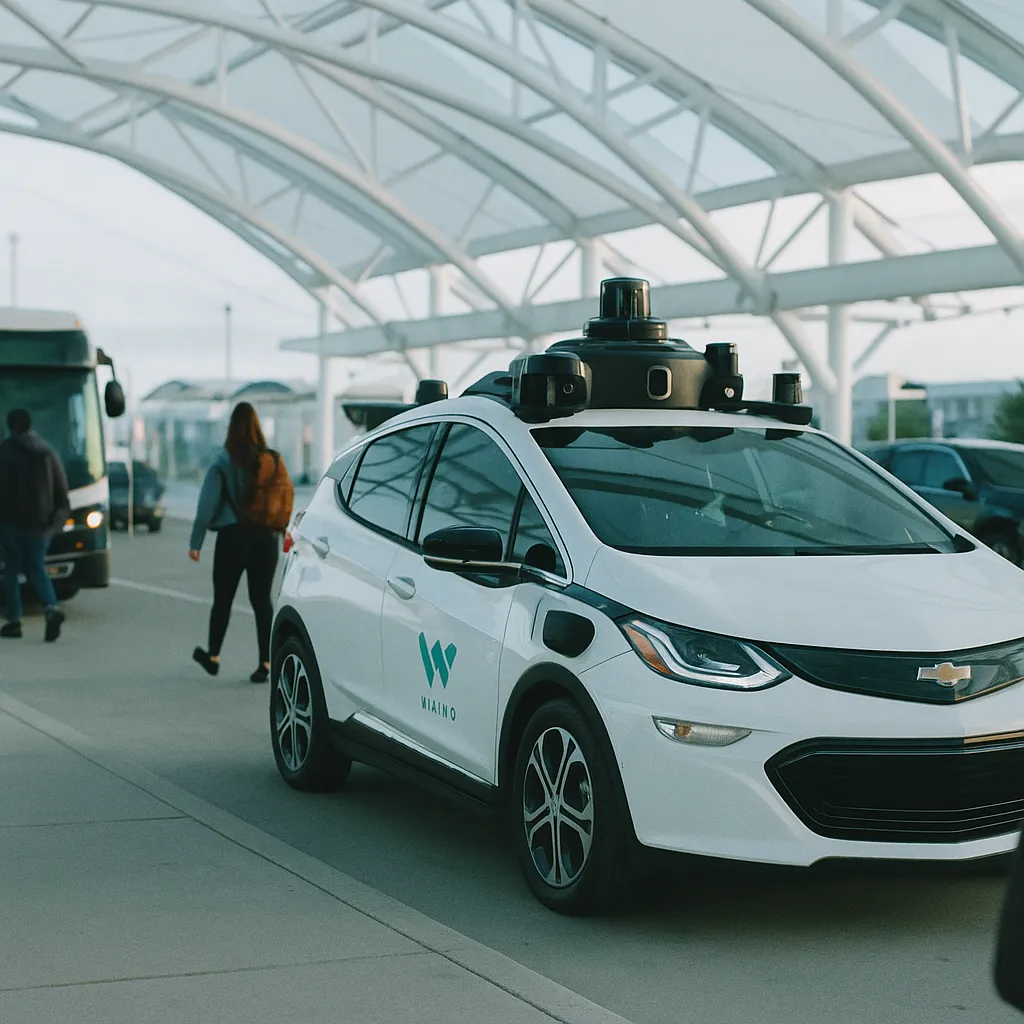
Gatik has completed more than 60,000 driverless orders for Walmart. Aurora is targeting 200 driverless trucks by year-end. A sweeping industry analysis shows the autonomous freight sector has passed the pilot phase — what is emerging is a layered AI stack across existing logistics infrastructure.
AI-Orchestrated Transportation Is Moving From Concept to Commercial Reality
By Hector Herrera | June 2, 2026 | Transport
The autonomous vehicle industry spent years promising commercial deployment. In 2026, it is delivering — not as a single technology breakthrough but as a layered set of AI systems quietly embedding themselves across freight logistics. Gatik has completed more than 60,000 driverless orders for Walmart. Aurora is targeting 200 driverless trucks on commercial routes by year-end. Einride is deploying Level 4 autonomous electric trucks on the DriveOhio-INDOT corridor this summer. The era of pilots is ending.
From Pilots to Embedded Infrastructure
A sweeping industry analysis published May 31 by Automotive Transportation News documents what is emerging: not a single autonomous vehicle winner, but sector-specific AI stacks layered on top of existing logistics infrastructure. The pattern matters because it changes how the transition works. This is not a replacement of the trucking industry — it is a software layer being installed on top of it, one corridor and one use case at a time.
The phrase "AI-orchestrated transportation" captures something important: the AI is not just driving the truck. It is coordinating routing, load matching, predictive maintenance, regulatory compliance, and dispatch across entire freight networks simultaneously. Individual autonomous vehicles are one component of a much larger connected system.
Who Is Deploying, and Where
Gatik has built its commercial model around middle-mile freight — short, repeating routes between distribution centers and retail locations. Its partnership with Walmart has produced more than 60,000 completed driverless orders, making it one of the most extensive real-world autonomous freight deployments in history. Gatik's strategy is repeatability: master a fixed route completely before expanding, rather than attempting full autonomy everywhere at once.
Get this in your inbox.
Daily AI intelligence. Free. No spam.
Aurora is targeting broader deployment. The company has announced it plans to reach 200 driverless trucks on commercial routes by the end of 2026, primarily on Texas freight corridors where regulatory conditions are favorable. Aurora's commercial launch with Uber Freight and Werner Enterprises earlier in 2026 marked the shift from testing to paid freight.
Einride is deploying Level 4 autonomous electric trucks — vehicles that can operate without a human driver under specific conditions — on the DriveOhio-INDOT freight corridor this summer. The Einride deployment is notable because it combines autonomous driving with electric powertrains, testing the logistics economics of both simultaneously.
Waabi is pursuing a different architecture: a "door-to-door" model in which AI manages the full freight journey, not just the highway portion. Waabi's partnership with Ryder for drayage operations reflects a belief that the last-mile problem must be solved in the same system architecture as long-haul autonomy.
What AI Orchestration Actually Does
Beyond autonomous driving, the more immediate commercial value in AI-orchestrated transportation is coming from systems that do not drive at all. Load-matching AI — which connects available freight capacity with shipper demand in real time — is reducing deadhead miles (trucks driving empty) across major freight networks. Predictive maintenance AI is cutting unplanned downtime by identifying component wear before breakdown. Route optimization AI is recalculating delivery sequences dynamically based on traffic, weather, and delivery window constraints.
These systems are already deployed at scale inside major logistics operators. What is changing in 2026 is that they are increasingly integrated with autonomous vehicle platforms — creating a unified AI control layer across the entire freight operation rather than siloed tools that do not communicate.
What to Watch
The commercial test for 2026 is whether Aurora reaches its 200-truck target and whether unit economics bear out at scale. The company's internal cost models project that autonomous trucks become cost-competitive with driver-operated trucks at a certain volume threshold — the question is whether 2026 is early enough to prove that projection, or whether hardware and software costs remain too high.
Watch also for regulatory movement in states beyond Texas. California, Arizona, and Ohio are the other key corridors, and any expansion of commercial autonomous freight permits will signal how quickly the sector can scale nationally. The physical AI transition in transportation is not a question of whether — it is a question of how fast the regulatory and insurance infrastructure catches up to the technology.
Source: Automotive Transportation News, May 31, 2026
Did this help you understand AI better?
Your feedback helps us write more useful content.
Get tomorrow's AI briefing
Join readers who start their day with NexChron. Free, daily, no spam.