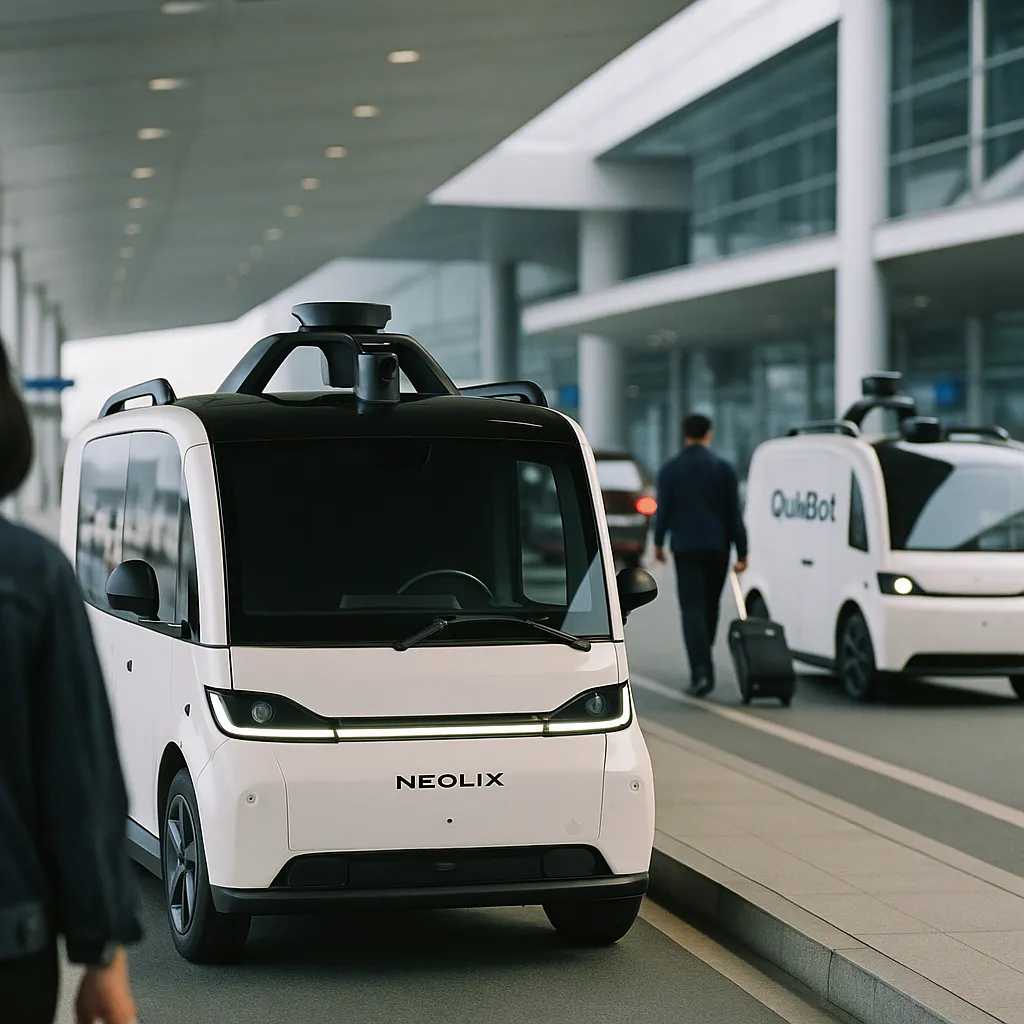
Level 4 autonomous vehicle maker Neolix and Singapore's QuikBot Technologies are building the first delivery network that moves from public roads to building interiors to front doors — solving last-mile logistics without a human handoff.
Neolix and QuikBot Are Building One Autonomous Delivery Network From Road to Your Door
By Hector Herrera | June 5, 2026 | Transport
Level 4 autonomous vehicle maker Neolix has partnered with Singapore's QuikBot Technologies to build an integrated delivery network that transitions seamlessly from public roads to building interiors to doorstep drop-off — a capability no autonomous system has achieved at commercial scale. The partnership is an attempt to solve logistics' most persistently unsolved problem: last-mile delivery that doesn't require a human at any handoff point.
Every existing autonomous delivery system breaks down at transitions. Outdoor vehicles stop at building entrances. Indoor robots operate only inside specific prepared buildings. The Neolix-QuikBot system is designed to collapse those transitions into a single AI-controlled chain — from distribution center to front door without a human handoff in between.
The Last-Mile Problem
Last-mile delivery is the most expensive segment of the logistics chain — typically accounting for 40-50% of total shipping costs — and the part most resistant to automation. The difficulty isn't driving or navigating. It's the diversity of environments: public sidewalks, building lobbies, elevator banks, residential corridors, commercial mailrooms. Each environment has different access protocols, obstacles, and edge cases. Systems designed for one context fail in others.
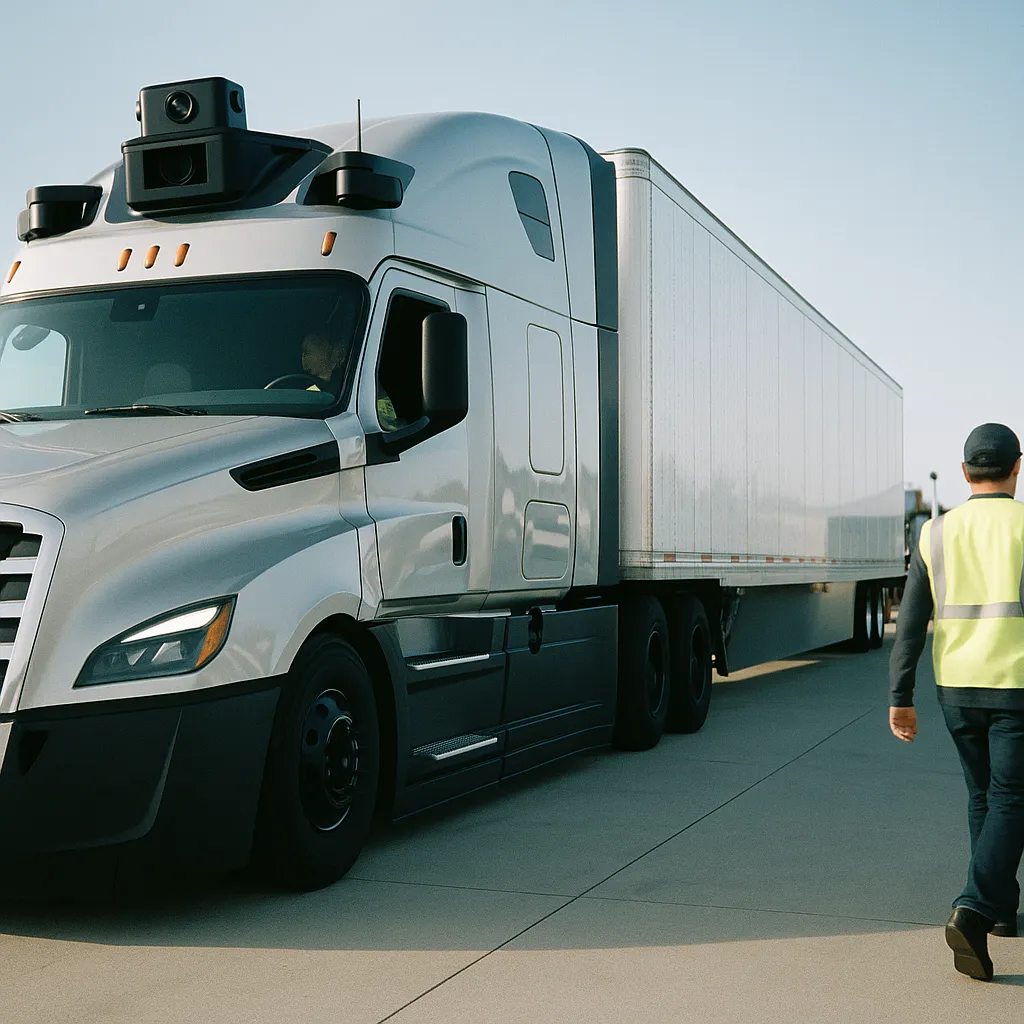
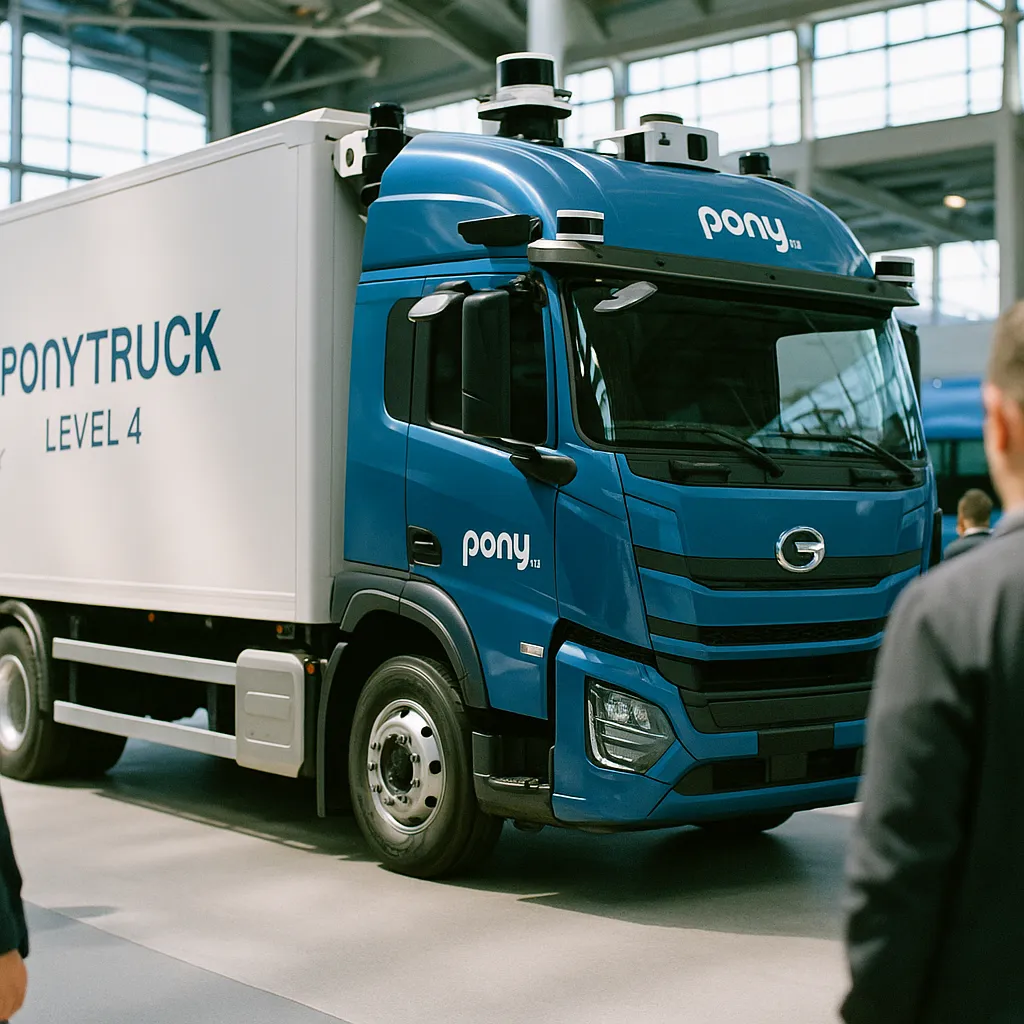
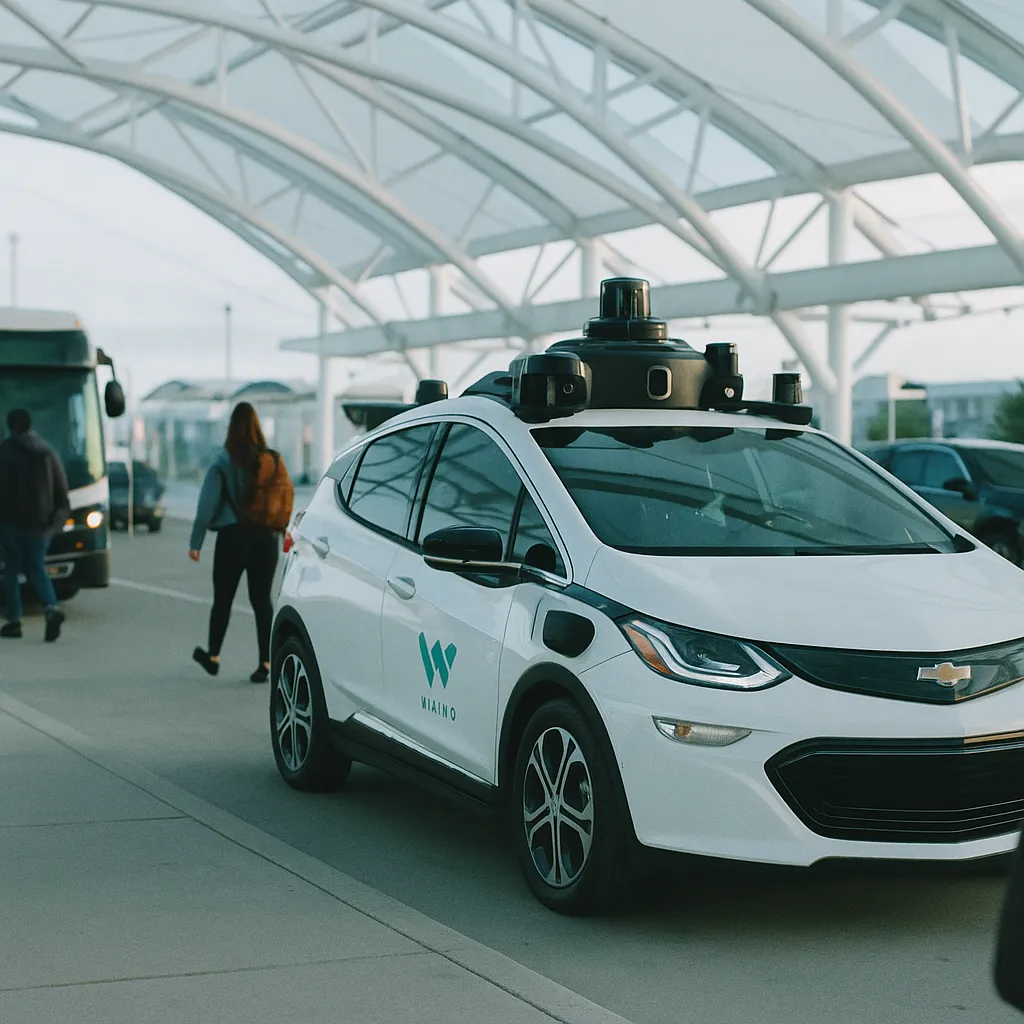
Previous automation efforts have addressed pieces of the problem. Starship Technologies and Serve Robotics operate outdoor sidewalk robots on defined routes. Keenon and Savioke operate indoor delivery systems in hotels and hospitals. Neolix's existing platform handles public-road autonomous vehicle delivery. None has integrated all three segments under a single AI-controlled system at scale, because the technical and commercial challenges of integration are significantly harder than building any one segment in isolation.
What the Partnership Covers
According to Robotics & Automation News, the system is built around a unified logistics intelligence layer: Neolix's Level 4 road vehicles transport packages from distribution centers to building access points, where QuikBot's indoor systems take over for delivery to specific units or doorsteps. The transition is handled by shared AI — not a manual handoff between two separate vendor systems.
Get this in your inbox.
Daily AI intelligence. Free. No spam.
That integration detail matters. The common failure mode in multi-vendor logistics automation is that each system treats the handoff as someone else's problem. When an indoor robot encounters an access restriction or obstacle, the outdoor vehicle gets no signal and the package stalls. The Neolix-QuikBot architecture is designed so the shared intelligence layer tracks delivery state continuously: if the indoor segment encounters a problem, the outdoor vehicle can be held or rerouted rather than leaving a package unattended at a building entrance.
Deployment is targeting Asia-Pacific and the Middle East — regions where Neolix has existing Level 4 road approvals in specific operational domains and QuikBot has established building partnerships in Singapore and the Gulf.
Why This Is Different From Prior Announcements
Autonomous delivery announcements are common. Most are pilots. Based on the public disclosures from this partnership, several factors distinguish it:
- Commercial framing from the start — the system is positioned as a commercial deployment, not a proof-of-concept. No "pilot phase, then scale" language.
- Unified routing intelligence — a single AI controls both outdoor and indoor segments as one job, not two sequential jobs from separate vendors
- Regional regulatory fit — Asia-Pacific and Middle East markets have more permissive regulatory environments for Level 4 autonomous vehicle operations in defined domains than most Western markets currently do
- Complementary technical credentials — Neolix's outdoor autonomy track record and QuikBot's indoor deployment history in major commercial buildings give the partnership a technical foundation that neither has independently
Impact on Logistics and Real Estate
For logistics operators, a system that completes the full delivery chain without human handoffs changes the labor planning calculus significantly. The current economics of last-mile delivery depend heavily on contract delivery workers for the final segment. A fully autonomous alternative — even one that initially operates only in specific building types or geographic zones — creates a cost benchmark that will influence contract labor pricing across the industry.
For real estate developers and property managers, the implication is infrastructure investment. Buildings designed for autonomous delivery — standardized access protocols, dedicated package handoff zones, robot-accessible elevator integration — will become a differentiator in commercial and residential leasing in markets where these systems deploy. That changes how buildings get designed and what existing buildings need to retrofit.
For consumers in supported deployment zones, the most direct effect is delivery reliability. Autonomous systems don't call in sick, don't leave packages at the wrong address, and don't require a tip.
What to Watch
The technical challenge in the next 18 months is standardization at the building level. QuikBot's indoor systems work in buildings with established access agreements, elevator integration, and designated handoff points. Scaling the network requires either a rapid expansion of building partnerships or a more plug-and-play integration approach for structures that haven't been specifically prepared.
Regulatory approval for Level 4 operations across multiple Asia-Pacific jurisdictions will also determine the pace of outdoor network expansion. Neolix has approvals in specific Chinese municipalities; broader regional deployment requires country-by-country engagement with transport authorities at different stages of readiness.
Commercial deployments are expected to begin in Singapore and selected Gulf cities before the end of 2026. The test is whether the unified routing intelligence performs in unstructured, real-world conditions — not in controlled environments — at the throughput required for commercial viability.
Did this help you understand AI better?
Your feedback helps us write more useful content.
Get tomorrow's AI briefing
Join readers who start their day with NexChron. Free, daily, no spam.