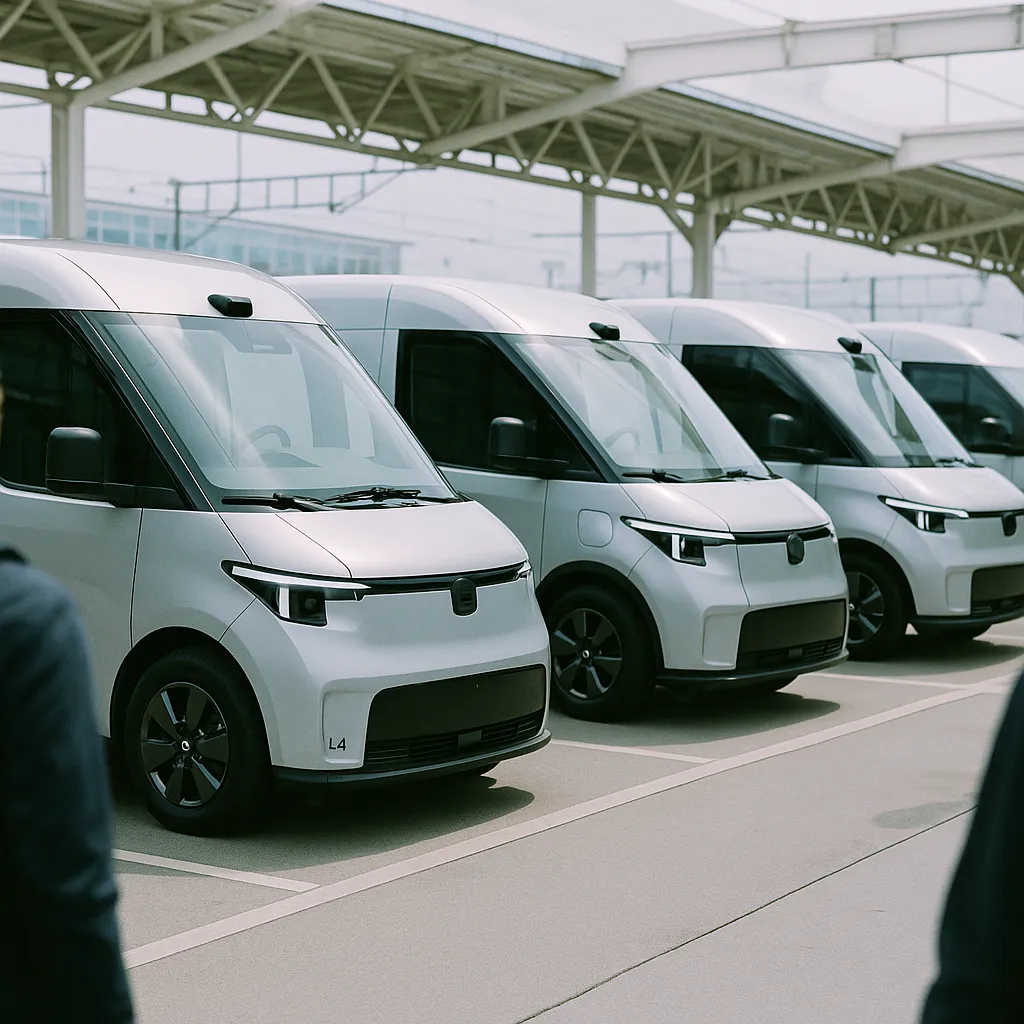
Dongfeng Automobile launched its OpenVAN autonomous logistics brand in Xiangyang on June 6, unveiling four L4 cargo van models trained on 100 million kilometers of real-world data.
Dongfeng Launches OpenVAN: Four L4 Autonomous Cargo Van Models for Commercial Logistics
By Hector Herrera | June 6, 2026 | Transport
Dongfeng Automobile officially launched its OpenVAN autonomous logistics brand on June 6 in Xiangyang, Hubei, unveiling four L4 autonomous cargo van models designed for commercial deployment — the clearest signal yet that Chinese automakers are moving from autonomous passenger vehicle pilots to purpose-built autonomous freight. The launch targets three of the highest-volume logistics use cases in China: last-mile urban delivery, enclosed industrial park logistics, and long-haul freight corridors.
L4 autonomy means a vehicle can handle all driving tasks within a defined operational domain without human intervention. OpenVAN is engineered for logistics workflows where routes are predictable, loads are consistent, and the economic case for removing a human driver is most direct.
The Lineup
Dongfeng launched four van models ranging from 2 to 60 cubic meters of cargo capacity — a range covering urban package delivery at the small end through full commercial freight vehicles at the large end. All four models run on the Zelos Inside full-stack autonomous driving system, which Dongfeng developed internally.
The Zelos system has a specific provenance: it was trained on data collected from 25,000 vehicles operating across 100 million kilometers of real-world driving. That's a meaningful dataset. Most autonomous vehicle systems that fail in commercial deployment do so because their training data doesn't cover the edge cases that matter — unexpected pedestrian behavior, construction zones, weather transitions. A hundred million kilometers of Chinese logistics operation provides dense coverage of the specific conditions OpenVAN will face.
According to Gasgoo's reporting on the June 6 launch event in Xiangyang, the full vehicle lineup was demonstrated in operational runs.
Get this in your inbox.
Daily AI intelligence. Free. No spam.
Three Target Markets
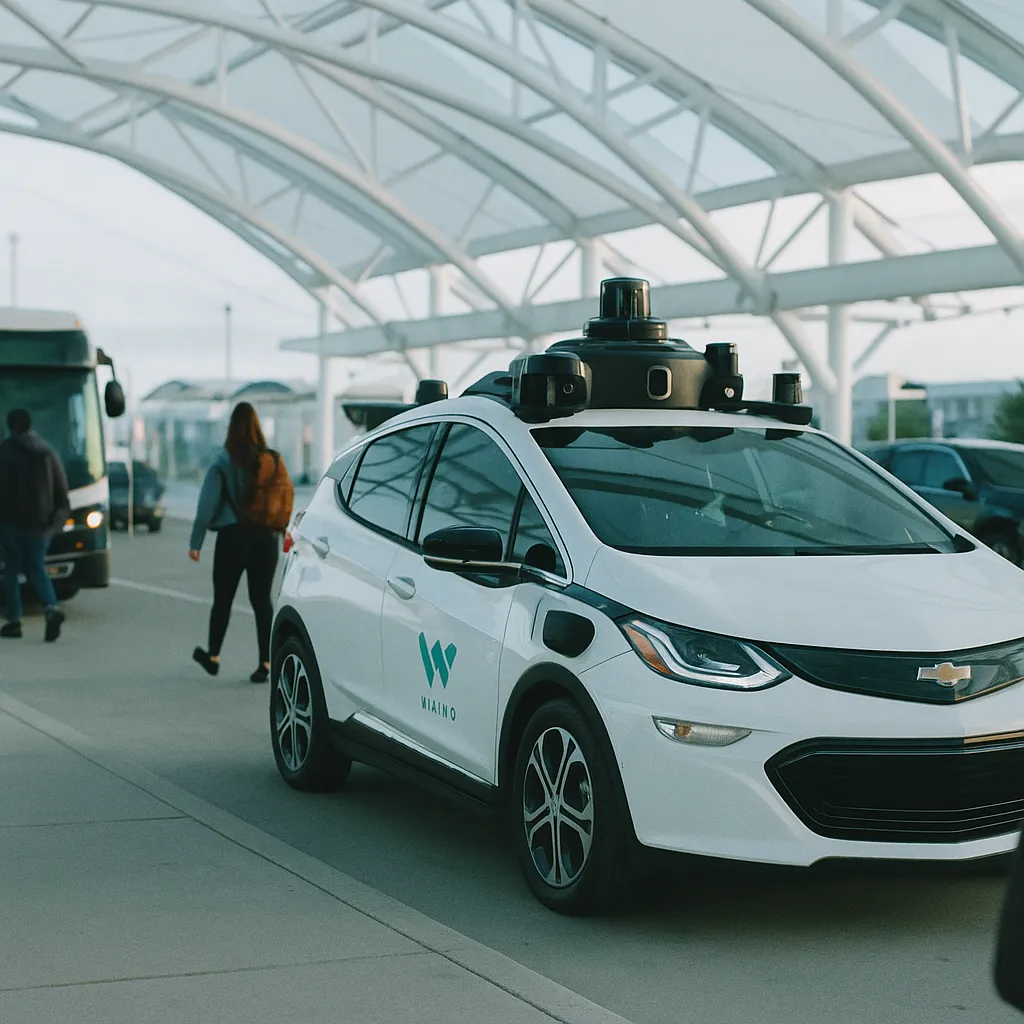
Last-mile urban delivery is the primary initial target. In China's tier-1 and tier-2 cities, last-mile delivery represents the highest per-unit cost in the logistics chain. A van that delivers packages through a dense urban district without a driver directly attacks that cost structure.
Enclosed industrial park logistics is the easier near-term market. Geofenced environments — factory campuses, distribution centers, port logistics zones — have controlled access, predictable routes, and limited exposure to unpredictable public road behavior. L4 systems perform more reliably in these environments because the operational domain is tightly defined and the infrastructure can be built to support autonomous operation from the start.
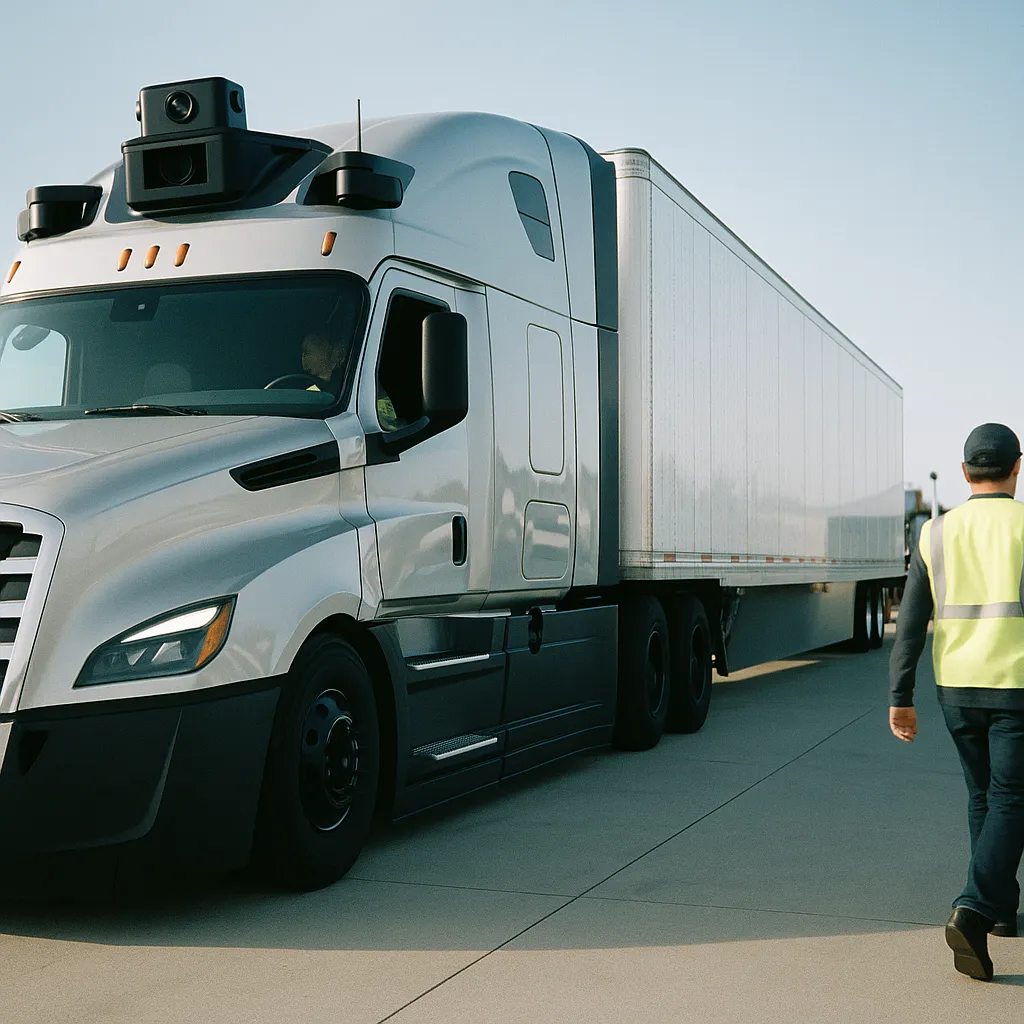
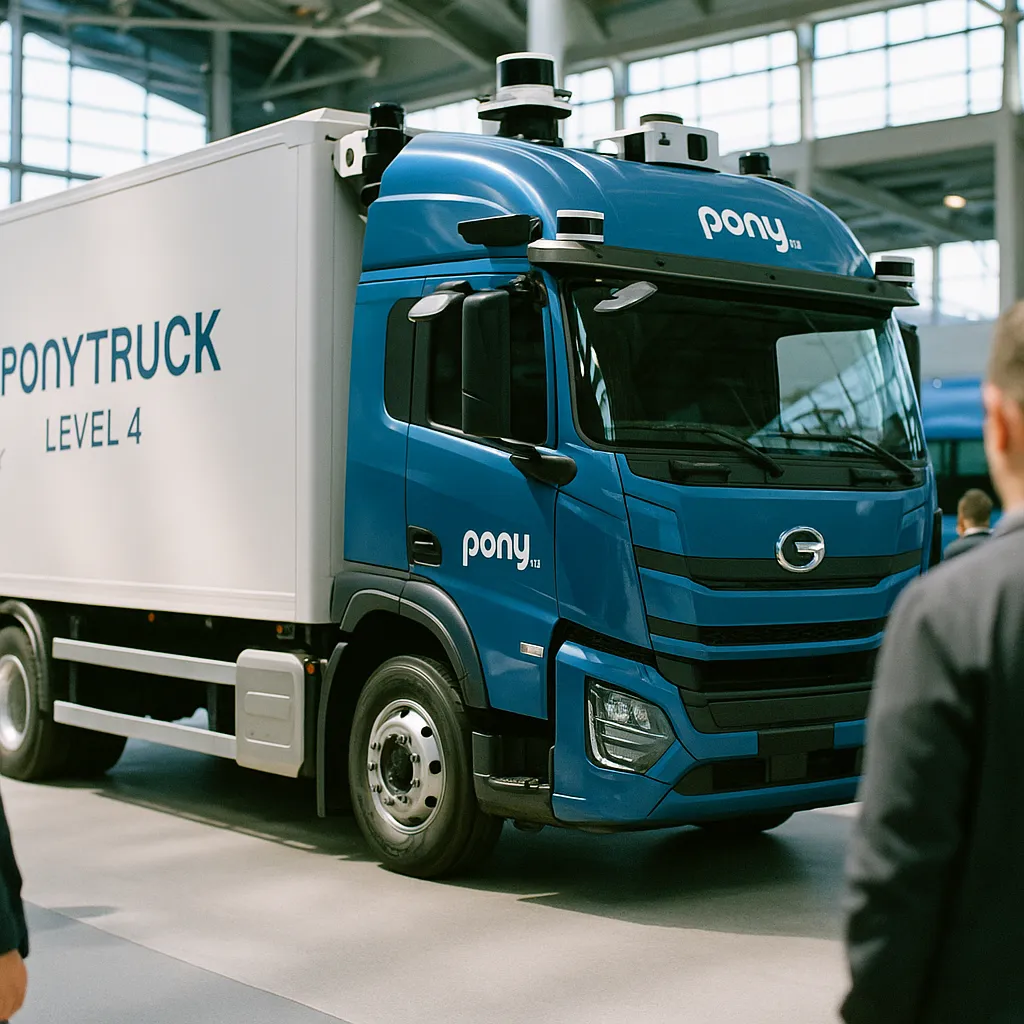
Freight corridors are the long-haul play. Highway freight between distribution hubs has the most direct driver cost economics. A single driver handles one truck; an autonomous system can operate continuously within legal hours, reducing per-kilometer labor cost on routes where the operational conditions are most standardized.
Where This Fits in China's Autonomous Freight Race
Dongfeng is not operating in isolation. Chinese autonomous logistics is already a competitive market. Companies including Meituan, JD Logistics, and Neolix have deployed autonomous delivery robots and sidewalk vehicles at scale. Didi, Baidu's Apollo, and WeRide are active in passenger autonomy but increasingly extending into freight applications.
What distinguishes Dongfeng's OpenVAN launch is that it comes from an established volume automaker — not a startup — with an existing manufacturing and service network across China. That matters for commercial buyers who need maintenance infrastructure, parts supply, and regulatory compliance support at scale. A startup deploying 50 autonomous vans has different operational support challenges than Dongfeng deploying 5,000.
What This Means for Global Logistics
The OpenVAN launch is primarily a China story now, but the technology curve matters globally. Chinese autonomous vehicle development has historically moved faster to commercial scale than Western equivalents, in part because China's regulatory environment for autonomous vehicle pilots has been more permissive on dedicated corridors and industrial zones.
Fleet operators outside China should track this development for three reasons:
- Manufacturing cost advantage: Chinese EV and autonomous vehicle manufacturing costs have consistently undercut Western equivalents. Autonomous commercial vehicles are likely to follow the same curve.
- Technology validation: 100 million kilometers of training data from real commercial logistics operation is a competitive asset that will be difficult to replicate quickly.
- Market signal: If OpenVAN achieves commercial scale in China's logistics market by 2027, it accelerates investor and regulatory pressure for comparable deployments in North America and Europe — and establishes a cost benchmark that Western incumbents will need to match.
What to Watch
Watch whether Dongfeng announces fleet partnership agreements with major Chinese logistics operators — JD, Cainiao (Alibaba's logistics arm), or SF Express — in the next 90 days. Those partnerships would be the signal that OpenVAN is moving from launch event to operational revenue. Also watch for regulatory filings for autonomous freight operation in specific Chinese cities; that's the data point separating commercialization claims from commercialization reality.
Sources: Gasgoo — Dongfeng OpenVAN Brand Launch
Did this help you understand AI better?
Your feedback helps us write more useful content.
Get tomorrow's AI briefing
Join readers who start their day with NexChron. Free, daily, no spam.