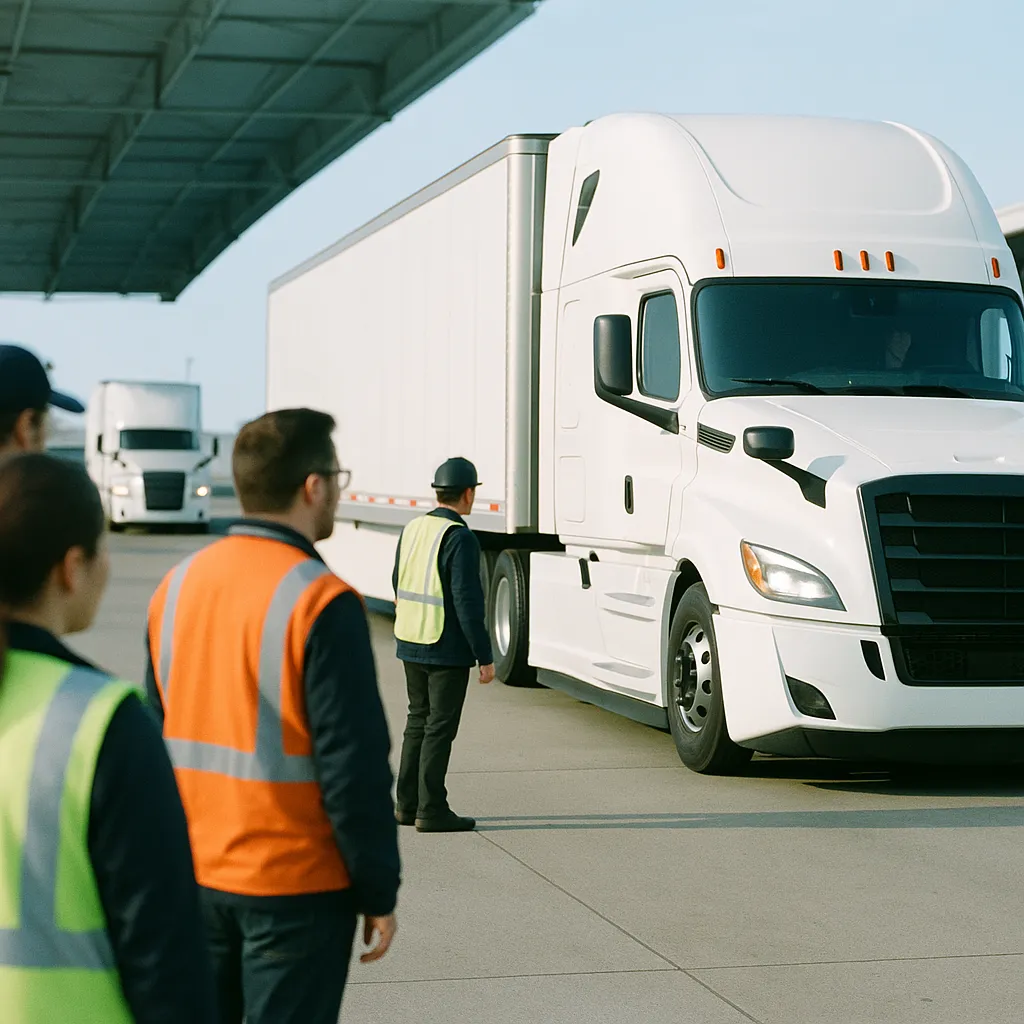
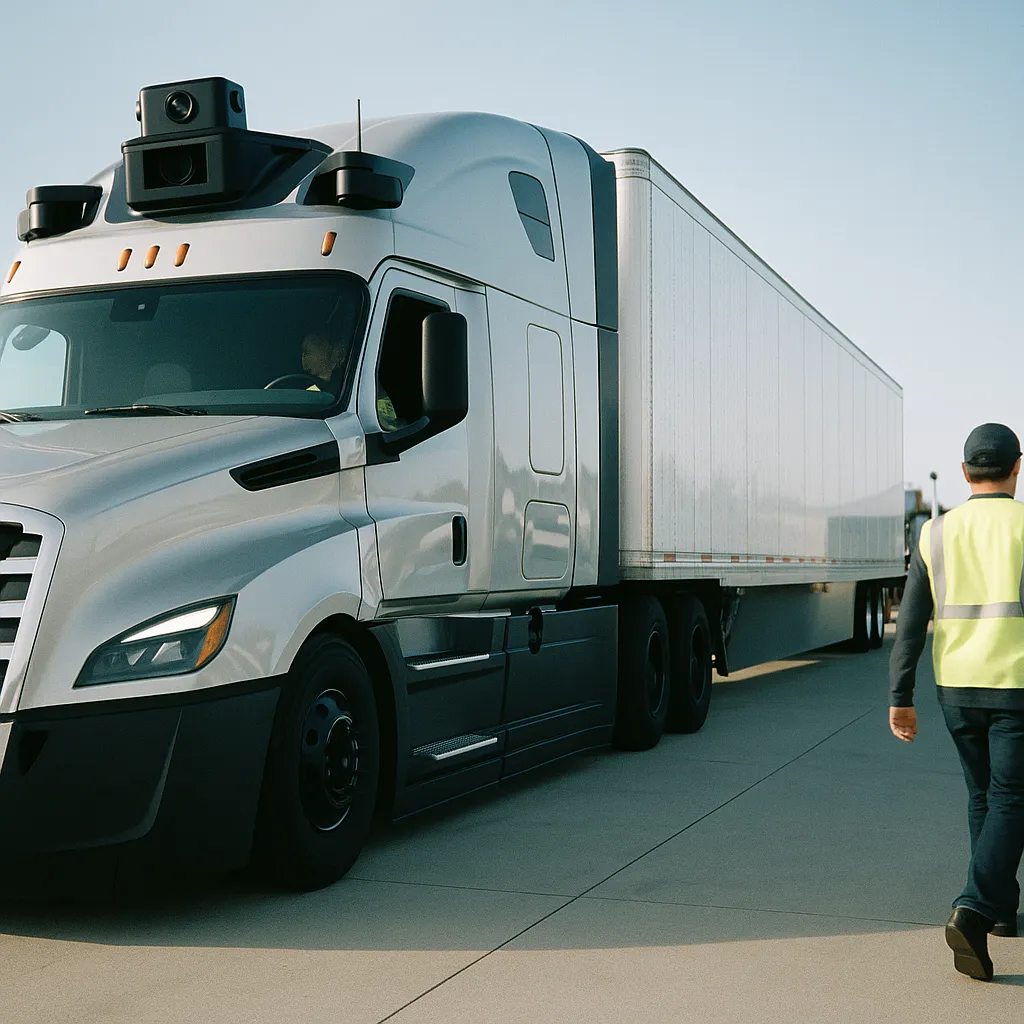
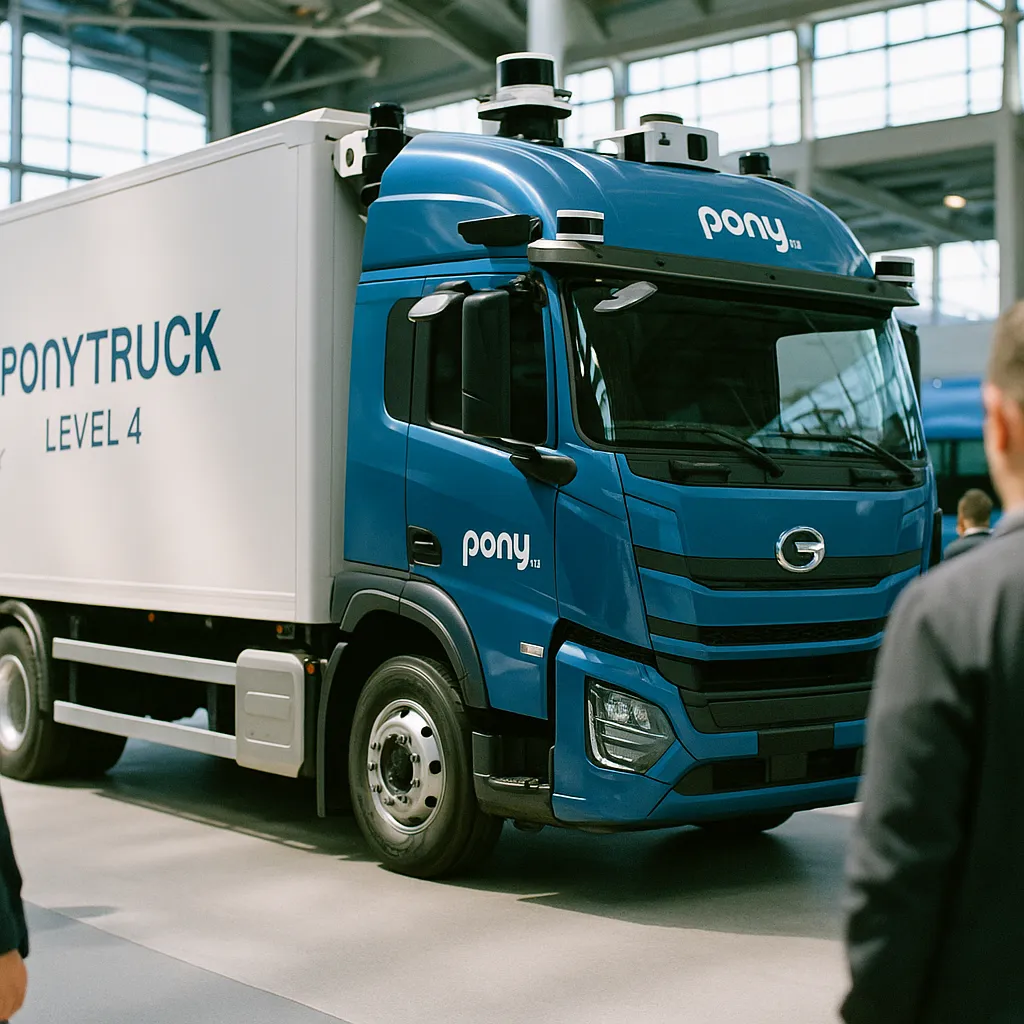
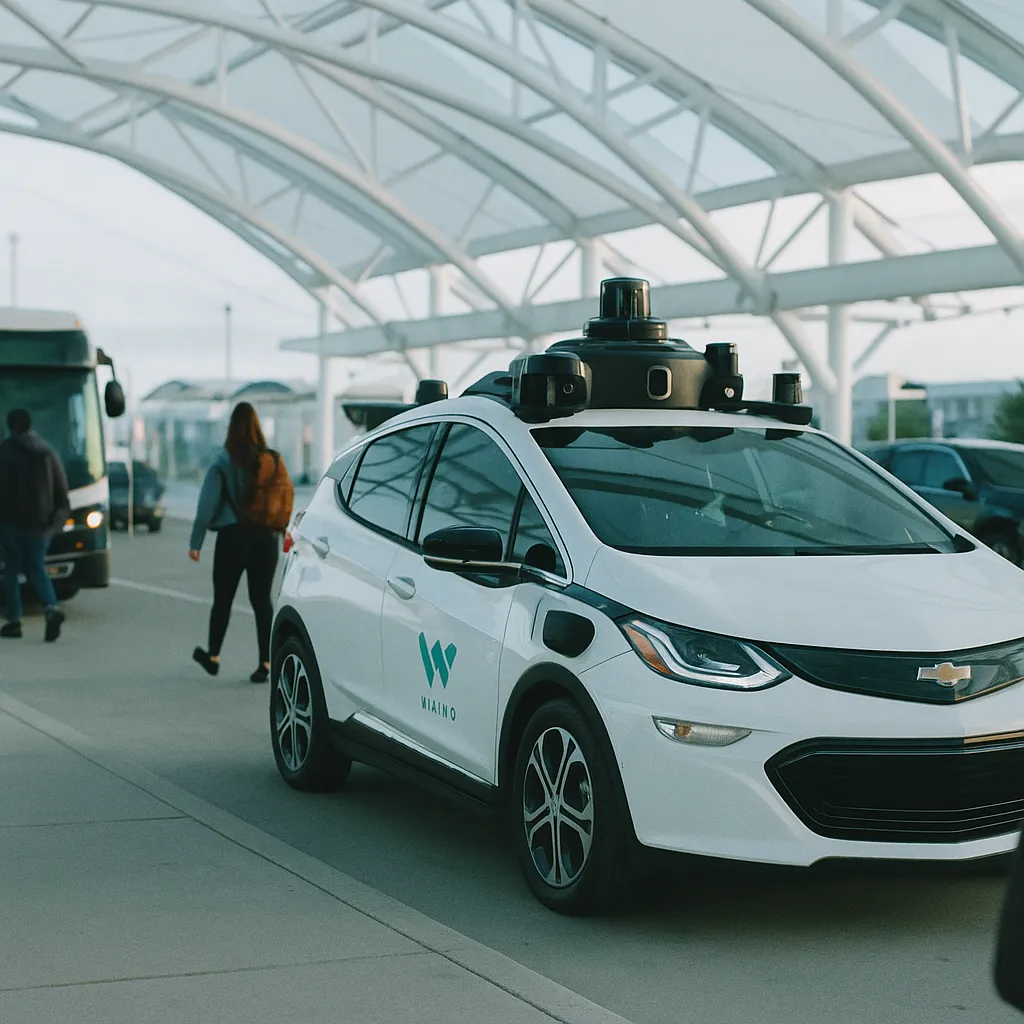
At ACT Expo, leaders from Torc, Kodiak, and Gatik declared autonomous trucking has moved from proving technology to proving scale — with Gatik completing 60,000 driverless commercial orders for Walmart.
ACT Expo: Autonomous Trucking Leaders Say Virtual Drivers Are Ready to Scale
By Hector Herrera | May 16, 2026 | Transport
The autonomous trucking industry gathered at ACT Expo this week with a message that marks a genuine inflection: the technology works. The question now is whether it can scale safely and economically inside real freight networks — and the early evidence from companies like Gatik suggests the answer is yes.
This is a meaningful shift in posture. A year ago, the industry was still proving the technology. Now it's proving the business.
What's Actually Running
The clearest proof point at ACT Expo came from Gatik. The company has completed over 60,000 driverless commercial orders for Walmart and Fortune 50 retailers on fixed middle-mile routes — the shorter, repeating freight lanes between distribution centers and retail locations that are the easiest to automate at scale.
60,000 orders is not a pilot. It's a commercial deployment with a real customer relationship and real economic stakes.
Other companies represented at ACT Expo include:
The consensus framing from executives at the event: virtual drivers (the software systems that replace human truck drivers) are no longer in the demonstration phase. They are in the scaling phase, which involves cost reduction, operational integration, and regulatory approval — not proof of concept.
The Economics That Matter
The business case for autonomous trucking rests on a specific cost crossover point. According to projections from Goldman Sachs cited at the event:
- Current per-mile cost for human-driven trucks: approximately $8.60
- Projected per-mile cost for AV trucks by 2028: approximately $2.00
- Cost parity timeline: 2028, assuming current rate of operational scaling
That cost differential — roughly 77% lower per mile — is not marginal. It's transformative for freight economics. A carrier running 50 trucks at that cost difference would save millions annually per route.
Get this in your inbox.
Daily AI intelligence. Free. No spam.
The caveat is that these projections assume consistent scaling, regulatory clearance in key states, and continued operational reliability data. All three involve meaningful uncertainty.
The Middle Mile vs. Long Haul Distinction
Not all autonomous trucking is the same, and the commercial readiness story differs by route type.
Middle mile — Gatik's focus — involves shorter, fixed routes between facilities. These routes are highly repeatable, have limited unpredictable variables (no highway on-ramps with aggressive merges, no downtown delivery complexity), and are easier to validate for safety certification. Gatik has proved this model works commercially.
Long haul — what Torc, Kodiak, and Aurora (which launched commercial operations with Uber Freight in April 2026) are targeting — involves highway driving for hundreds of miles. The operational complexity is higher, the safety certification bar is higher, and the unit economics depend on truly driverless operation (no safety driver) to pencil out.
The industry is commercially ready in the middle mile today. Long haul commercial scale is the 2026-2028 story.
The Regulatory Piece
Technology readiness and regulatory readiness are not the same thing. The United States has no single federal framework for autonomous commercial vehicle certification. Companies operate under a patchwork of state laws — Texas and Arizona are the most permissive, allowing driverless commercial operations; other states require safety drivers regardless of demonstrated capability.
The Federal Motor Carrier Safety Administration (FMCSA) has issued guidance but has not finalized a comprehensive federal framework for fully autonomous commercial vehicles. Until that happens, scaling nationally — rather than state by state — remains difficult.
The regulatory clock matters because the economics of autonomous trucking depend on eliminating the safety driver. At $60,000-$80,000 per year for a human driver, every driverless mile is a cost advantage. Every mile with a safety driver monitoring largely automated operations is an expensive half-measure.
What to Watch
The 2028 cost parity date from Goldman Sachs is the benchmark the industry has set for itself. Getting there requires:
- FMCSA finalizing federal AV commercial vehicle rules
- At least three to five companies reaching 100,000+ driverless commercial miles
- Insurance markets developing standardized frameworks for AV fleet risk
The ACT Expo consensus is that none of these are impossible — they're just hard and require coordination between industry, regulators, and insurers that doesn't currently exist.
The companies that survive to cost parity will transform freight economics. The ones that don't get there by 2028-2029 will struggle to compete with those that do.
Sources: ACT News, ACT Expo 2026
Did this help you understand AI better?
Your feedback helps us write more useful content.
Get tomorrow's AI briefing
Join readers who start their day with NexChron. Free, daily, no spam.