Ericsson: 6G Development Is Now Built Around AI From the Ground Up, Not as an Add-On
Ericsson's 2026 technical brief makes the case that 6G differs from 5G in one critical way: AI is foundational to the architecture, not an afterthought.
Top Stories
All Sections
Finance
About
20 results for "ran"
Ericsson's 2026 technical brief makes the case that 6G differs from 5G in one critical way: AI is foundational to the architecture, not an afterthought.
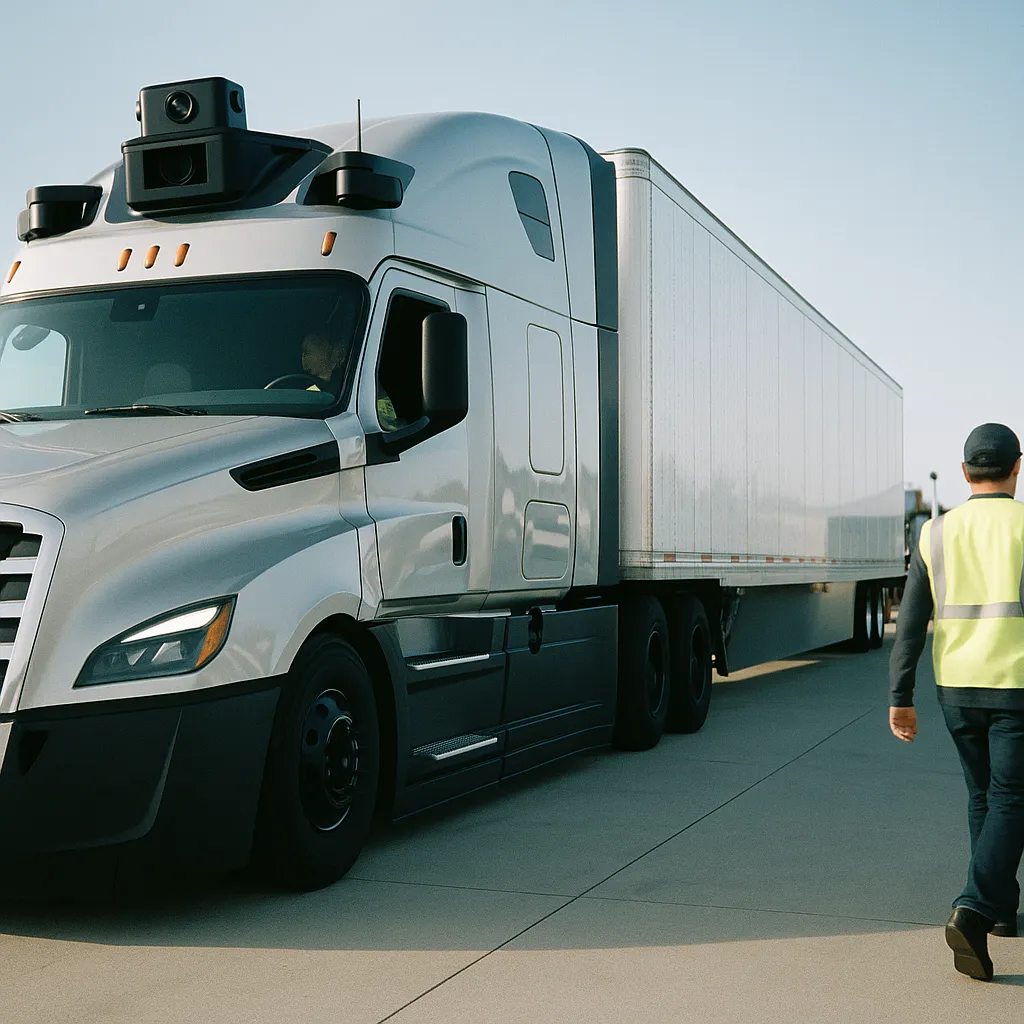
Kodiak AI is actively hauling commercial freight for Roehl Transport on the Dallas-Houston corridor — four roundtrips per week — with fully driverless highway operations targeted by end of 2026.
Anthropic is rolling out roughly 10 pre-built AI agents for banking and finance, targeting pitchbooks, credit memos, KYC compliance, underwriting, and insurance claims.
Vodafone cut 5G site power consumption 33% with AI. Agentic AI handles 60% of industry customer care. In 2026, telecom's AI-native transition is operational, not theoretical.
AI has crossed a quiet threshold in Vermont's rural hospitals — not through institutional mandates but through physicians solving real problems with ambient documentation and diagnostic tools.
89% of telecom executives plan to increase AI spending over the next 12 months, but power costs, specialized hardware, and uncertain short-term ROI are delaying full AI-native network deployments.
While autonomous trucks grab headlines, AI is already reshaping the $906 billion trucking industry at the operational layer — from freight brokerage automation to predictive maintenance.
Bret Taylor's Sierra is raising nearly $1 billion in new funding as regulated industries—banking, insurance, healthcare—commit serious capital to autonomous AI agents in customer-facing roles.
Nearly half of insurance executives say governance failures have directly derailed AI projects — even as the sector deploys AI faster than its compliance infrastructure can keep up.
PlusAI and other autonomous trucking developers are signing operational contracts with freight carriers in 2026, moving from technology demonstration to commercial deployment in a sector valued at $575.7 million.
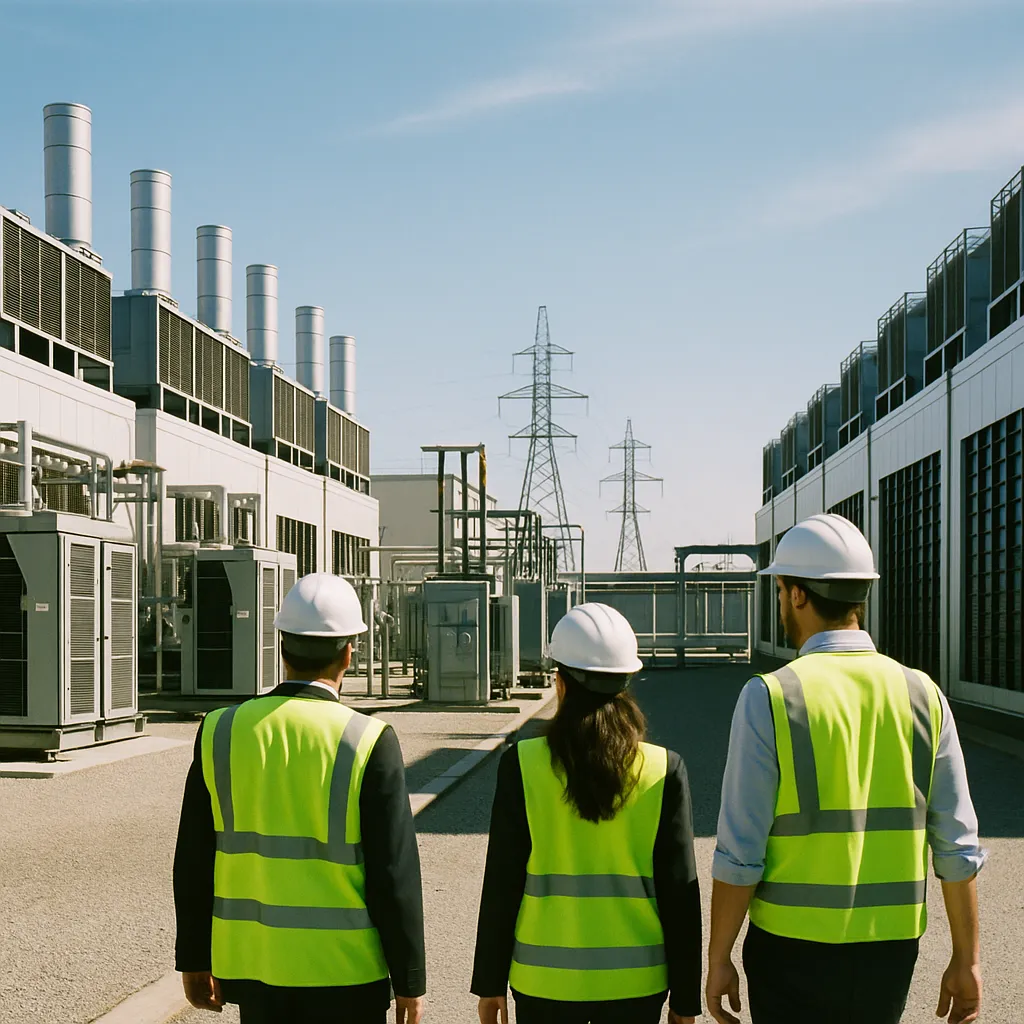
AI data centers are projected to consume 1,050 TWh globally by end of 2026—potentially ranking as the world's fifth-largest national energy user—while U.S. grid interconnection queues stretch three to five years.
Courts are now sanctioning lawyers for AI-generated fake citations at four to five cases per day — a rate that has transformed a slow-building professional risk into an institutional emergency for law firms.
Last-mile delivery robots have matured into core logistics infrastructure, with AI-powered navigation and fleet coordination making them economically competitive with human couriers on dense urban routes.
GPU-backed debt structures and hyperscale AI data center construction are straining commercial insurance markets with novel risk profiles that existing products weren't designed to cover.
A new Ericsson white paper argues that agentic AI will require carriers to rebuild network architecture from the ground up, with the transition taking three to five years for committed carriers.
Goldman Sachs has blocked Hong Kong employees from using Anthropic's Claude — both directly and through internal AI platforms — citing its contractual arrangement with Anthropic, not local regulation.
Venti Technologies won the 2026 FedEx Small Business Grant in Asia Pacific, validating AI-powered autonomous vehicles that cut port logistics costs by 65% versus human-driven operations.
Researchers trained an AI across 13,000 virtual energy systems to produce the most constraint-aware renewable energy projections yet — a new planning tool for energy policymakers and investors.
Boston Public Schools is committing $1 million to guarantee every high school graduate leaves with AI proficiency — the first major American city to set that as a formal graduation requirement.
An A3 survey finds 86% of manufacturers view AI as the dominant driver of business transformation through 2030. LLM adoption in industrial settings doubled to 35% in a single year.