AI Is Writing 72% of Self-Represented Court Filings in California, Stanford Finds
A Stanford HAI study found AI-assisted drafting in up to 72% of self-represented litigant filings in California courts — up from near zero in 2022.
Top Stories
All Sections
Finance
About
20 results for "courts"
A Stanford HAI study found AI-assisted drafting in up to 72% of self-represented litigant filings in California courts — up from near zero in 2022.
The UK Civil Justice Council has recommended mandatory rules requiring lawyers and expert witnesses to disclose AI use in court documents — the most detailed framework any English-speaking jurisdiction has produced for governing AI in live litigation.
The U.S. Court of Appeals for the Tenth Circuit proposed a rule requiring attorneys to certify that AI-assisted court filings have been independently human-verified — joining New York and a dozen district courts in hardening AI accountability into binding procedure.
The AMA released the first major framework for assigning liability when clinical AI harms a patient — filling a gap that federal regulators have not addressed and that courts will soon need to resolve.
A Stanford Law scholar warns that LLMs can now surface exploitable legal loopholes faster than courts and legislatures can close them. The problem is not that AI gets the law wrong — it is that AI gets it systematically right.
New York's court system issued guidance allowing attorneys to use AI in filings without disclosure while holding them fully accountable for any AI-generated errors, including hallucinated citations.
Four federal courts issued AI protective orders in four days, naming specific AI platforms and restricting their use with confidential discovery materials — marking a shift from novelty to standard of care in commercial litigation.
US courts have escalated AI hallucination sanctions from a $5,000 landmark in 2023 to six-figure penalties in 2026, applying existing ethics rules to generative AI misuse — and the grace period is over.
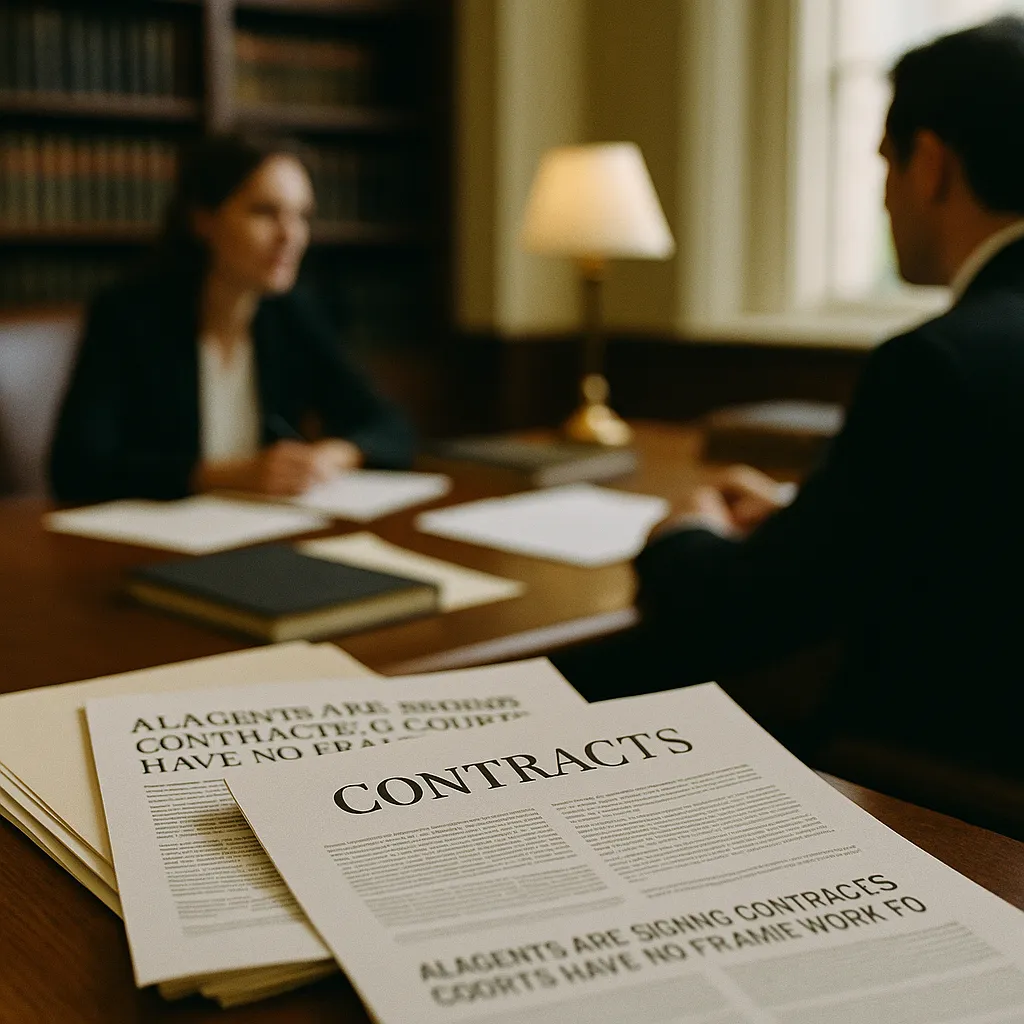
AI agents are signing contracts and executing financial transactions autonomously, but courts in October 2026 have yet to produce consistent doctrine on who bears liability when agents cause harm.
Courts are sanctioning attorneys for AI-generated citations at a rising rate, while a review of 21 jurisdictions found no uniform standard — leaving lawyers personally liable under rules that vary dramatically by state.
A UK court issued a practice ban against a lawyer who submitted AI-hallucinated case citations, the first such disciplinary ruling in England and Wales — establishing that attorneys bear full professional responsibility for AI-generated content.
New York's court system codified AI rules effective June 1, 2026—attorneys may use AI to prepare filings but must independently verify submissions contain no fabricated cases or statutes.
Federal circuits are issuing conflicting rulings on AI tools and attorney-client privilege, creating a compliance patchwork for law firms. Some now require zero data retention to preserve privilege.
A Mississippi federal judge dismissed a case and sanctioned four lawyers after both sides submitted AI-generated filings they never reviewed — the most dramatic judicial response yet to AI hallucinations in courts.
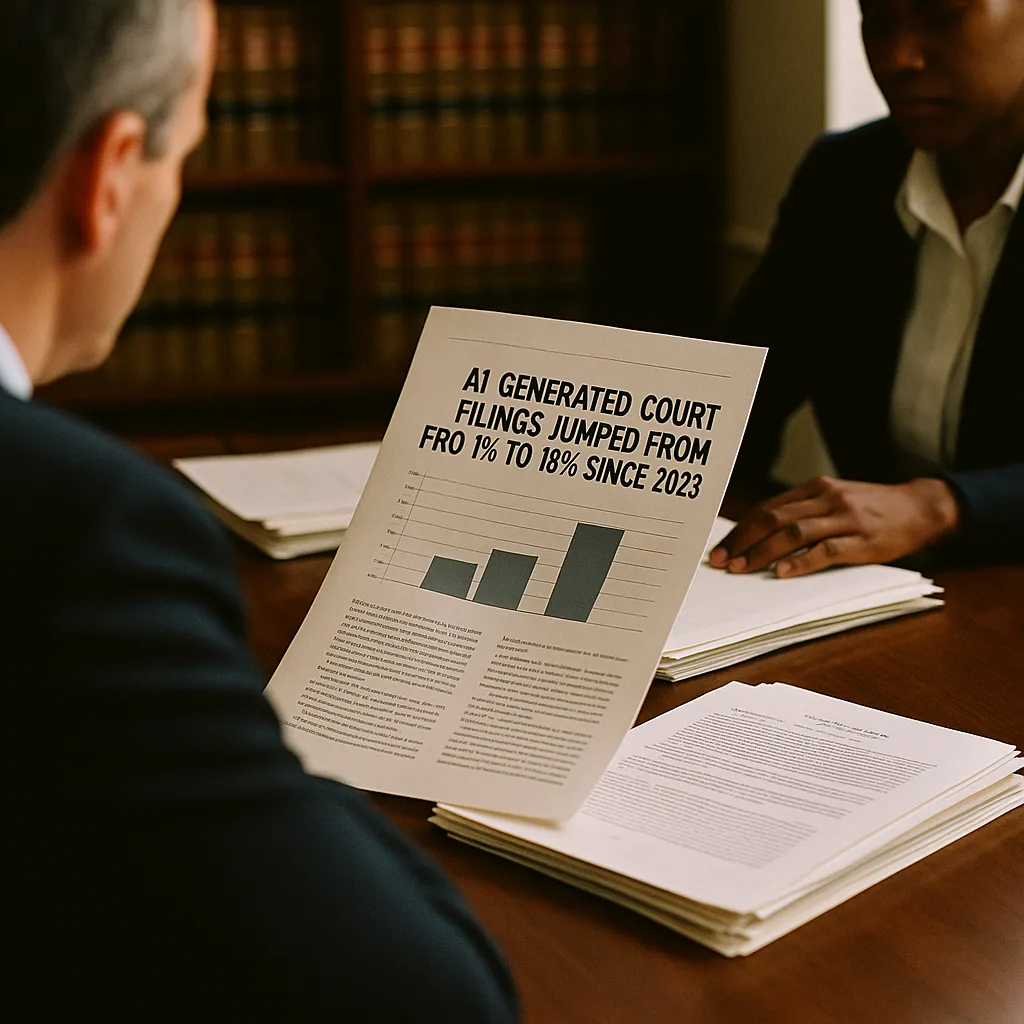
An MIT study of 4.5 million federal civil cases found AI-written court filings jumped from 1% in 2023 to 18% in 2026, while self-filed docket activity surged 158% — threatening to overwhelm federal courts with hallucinated citations and fabricated legal quotes.
Autonomous AI agents capable of signing contracts and executing transactions are in production now, but courts have yet to issue a definitive ruling on who bears liability — developer, deployer, or user — when they make costly errors.
Autonomous AI agents are executing contracts and commercial transactions at scale, but courts in 2026 have no settled framework for who is liable when they make mistakes.
Oregon's Court of Appeals chief judge issued a public warning that AI-fabricated court filings are "rapidly escalating," with one attorney fined $10,000 and another $8,000 for AI-hallucinated citations.
Anthropic is moving directly into AI legal services, joining Harvey, EvenUp, and Legora as courts accelerate sanctions for AI hallucinations in legal filings.
The White House's March 2026 AI framework asserts federal primacy over AI governance. More than 25 states with their own AI laws are not complying, and the legal fight is moving to courts.