At RSNA 2026, the medical imaging industry reached visible consensus: diagnostic AI has moved from pilot programs to everyday clinical deployment, with vendors competing on workflow integration rather than algorithm accuracy.
By Hector Herrera | November 27, 2026 | Health
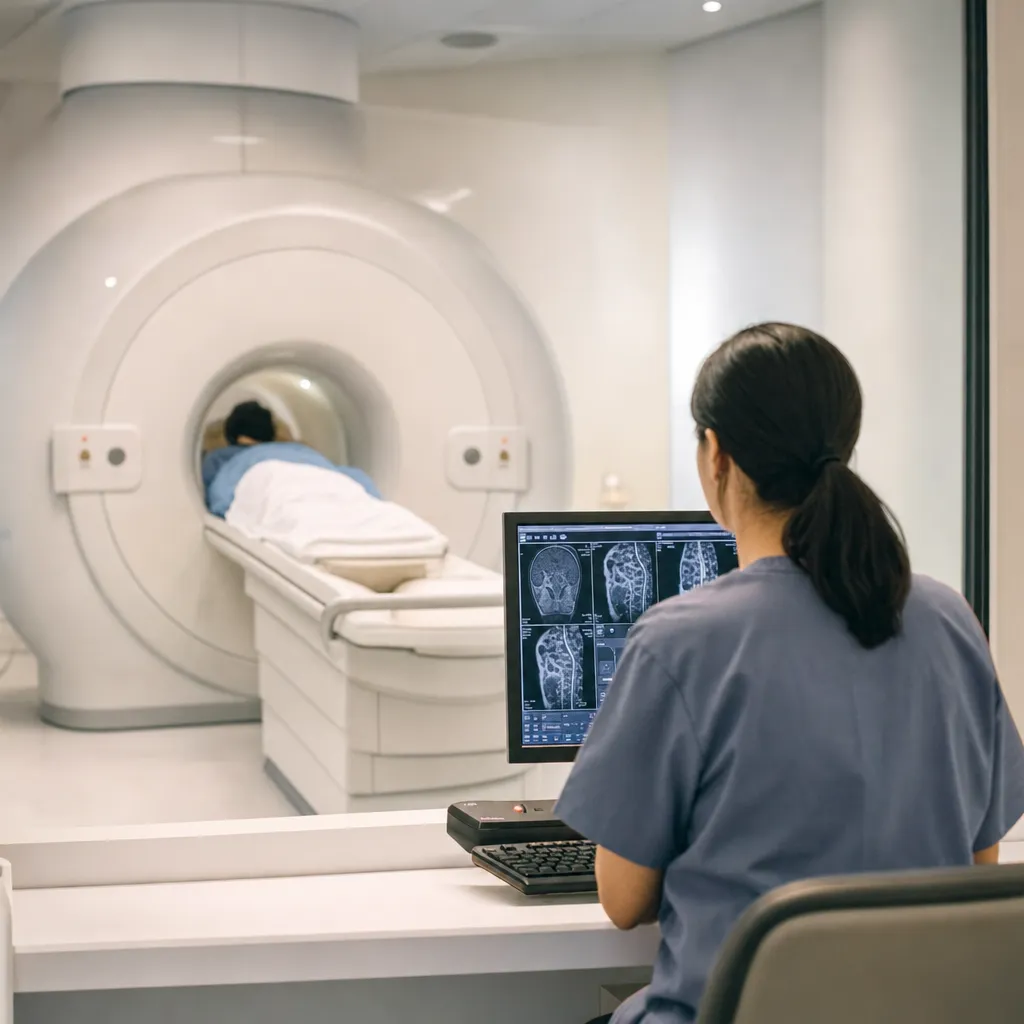
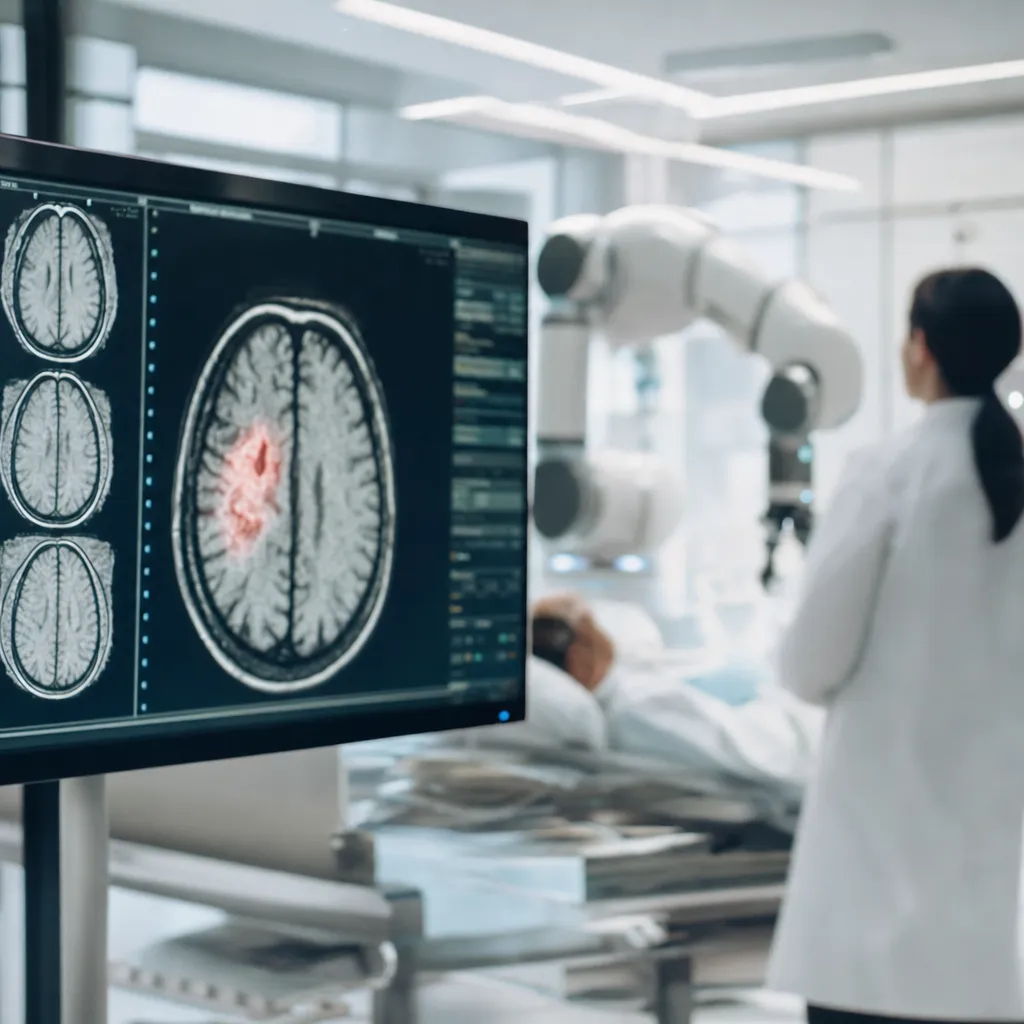
Medical imaging AI is no longer on trial. At RSNA 2026 — the Radiological Society of North America's annual conference, the largest medical imaging gathering in the world — the dominant message from vendors, hospital systems, and researchers was that AI-powered diagnostics has moved from controlled pilot programs to everyday clinical deployment. The question being asked at this year's conference was no longer "does AI work in radiology?" It was "how do we run AI reliably at scale across an entire hospital system?"
That is a different conversation. And the companies that are winning are the ones that understood it first.
What Changed Between Pilots and Production
The gap between a successful AI pilot and a production deployment at a major hospital is wider than it looks from the outside. A pilot tests whether an algorithm performs well under controlled conditions. Production deployment requires that the same algorithm perform consistently across different scanner models, patient populations, imaging protocols, and clinical workflows — often simultaneously, across multiple hospital sites.
The practical problems that surface in production include:
- Model drift — AI performance degrades when the patient population or imaging protocol changes from what the model was trained on
- Workflow integration — AI findings that appear in a separate interface don't get used; they have to surface inside the radiologist's existing reading workflow
- Multi-modality handling — a hospital imaging department reads CT, MRI, ultrasound, X-ray, and PET scans, often from multiple vendors; an AI platform that works on one modality adds less value than one that handles all of them on a unified system
- Alert fatigue — AI that flags too many findings without adequate prioritization trains radiologists to ignore its outputs
The vendors that addressed these problems — not just the ones with the most accurate algorithms — are the ones that dominated RSNA 2026.
Sectra's Integrated Enterprise Approach
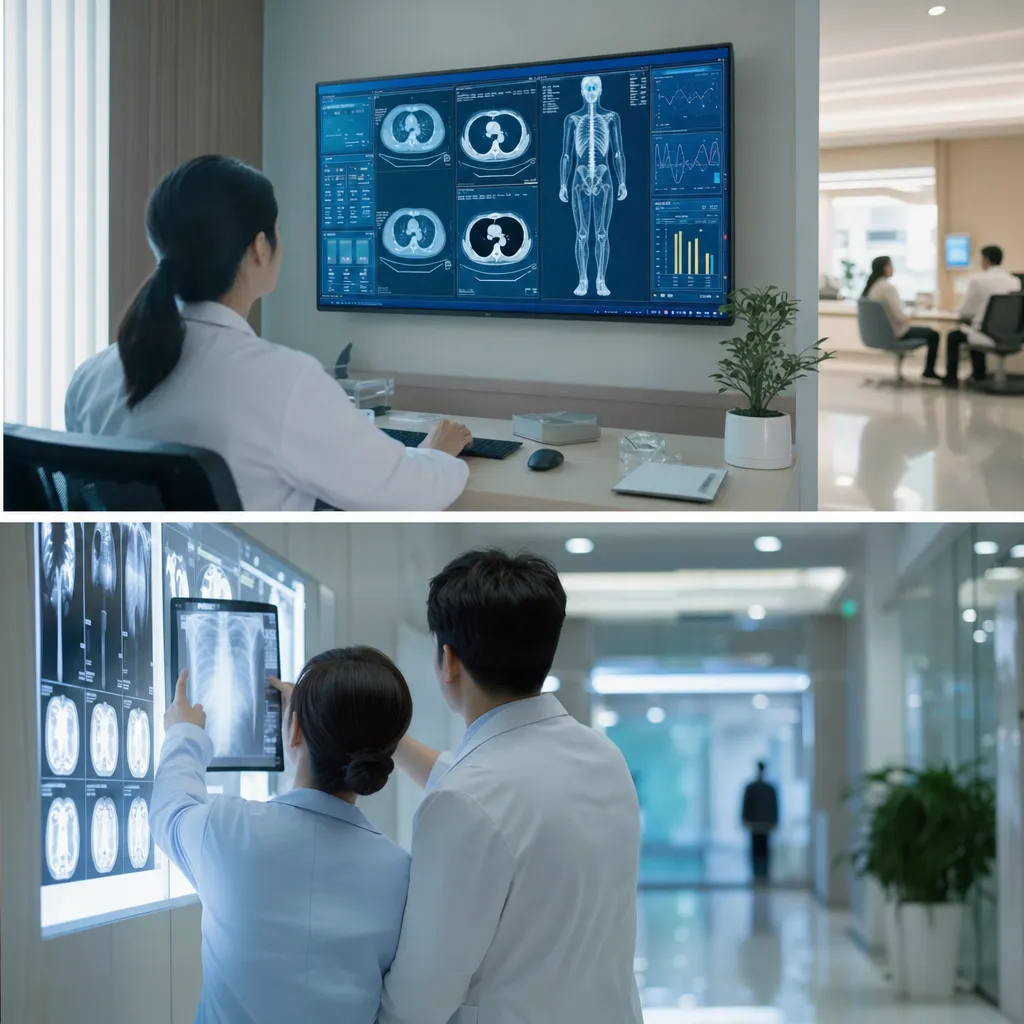
Sectra's demonstration at RSNA 2026 illustrated how a production-grade AI imaging platform approaches the problem. Rather than positioning AI as a separate tool that radiologists consult, Sectra's enterprise platform integrates AI findings directly into the reading workflow — the same interface radiologists already use to view and report studies.
Get this in your inbox.
Daily AI intelligence. Free. No spam.
Key capabilities demonstrated at this year's conference:
- Single-platform multi-modality — handling radiology, pathology, and cardiology imaging on one unified system, reducing the number of interfaces a radiologist needs to manage
- AI-assisted triage — automatically prioritizing the worklist so the most urgent findings (suspected strokes, pulmonary embolisms, hemorrhages) surface first
- Turnaround time reduction — integrated AI pre-analysis reduces the per-study time radiologists spend before reaching a conclusion, addressing a core throughput constraint in radiology departments under staffing pressure
Sectra is one of several vendors making this case at RSNA 2026. The common thread is that AI value at scale is delivered through integration, not through standalone algorithm accuracy.
The Staffing Crisis Driving Adoption
Medical AI adoption in imaging has been accelerating partly because radiology faces a structural staffing shortage. The American College of Radiology has documented a persistent gap between the number of imaging studies being ordered and the number of radiologists available to read them. That gap grows every year as imaging volumes increase — driven by aging populations, expanded screening guidelines, and AI-assisted detection pushing more findings to imaging review.
AI tools that reduce the per-study cognitive load on radiologists — by filtering out normal studies, pre-annotating findings, and prioritizing worklists — directly address this throughput constraint. That makes AI adoption a clinical and operational necessity in many settings, not an experiment.
The staffing context also explains the production emphasis at RSNA 2026. A tool that works 90% of the time in a pilot is acceptable for a research presentation. A tool that works 90% of the time in production, deployed across 10,000 studies per week, generates 1,000 errors per week. Production-grade AI requires reliability, failure-mode transparency, and human override pathways designed into the product from the start.
Regulatory Clearance and Real-World Evidence
Another marker of maturity visible at RSNA 2026 was the density of FDA-cleared AI products on the floor. Early years of medical AI at RSNA featured many products described as "for research use only" — not cleared for clinical decision-making. This year, cleared products outnumbered uncleared demonstrations significantly, reflecting the FDA's accelerating pace of AI/ML medical device authorizations.
Alongside clearance, vendors increasingly presented real-world evidence — not just clinical trial data but retrospective analyses of performance in actual hospital deployments. Real-world evidence is a harder standard than controlled trial performance, and its prominence signals that buyers are demanding it before signing enterprise contracts.
What to Watch
The next phase of medical imaging AI will be evaluated on outcomes, not just performance metrics. Can AI reduce missed diagnoses at scale? Can it reduce radiologist burnout? Can it improve patient outcomes in ways that show up in clinical records? Those questions require multi-year longitudinal data that doesn't yet exist in sufficient volume. The hospital systems that started production deployments in 2024-2025 are accumulating that data now. RSNA 2027 will be the first year results at that scale begin to arrive.
Sources: Pathology News / Sectra RSNA 2026
Did this help you understand AI better?
Your feedback helps us write more useful content.
Get tomorrow's AI briefing
Join readers who start their day with NexChron. Free, daily, no spam.