Taiwan's Qisda unveiled an integrated AI healthcare lineup spanning clinical hospital systems, home monitoring, and companion animal care—positioning the hardware maker as a full health ecosystem builder.
Taiwan's Qisda unveiled an integrated AI healthcare product lineup on November 23 that spans clinical hospital systems, home monitoring devices, and companion animal care — positioning the hardware manufacturer as a health ecosystem builder rather than a device vendor. The strategy reflects a growing recognition that health data is most valuable when it follows the patient continuously, not just during clinic visits.
DigiTimes covered Qisda's November showcase, which presented the full three-tier lineup to healthcare buyers and investors. The company is best known in medical circles for diagnostic imaging equipment and monitoring hardware; this expansion into AI-integrated home and pet health signals an intent to compete on the full care continuum.
The Three Tiers
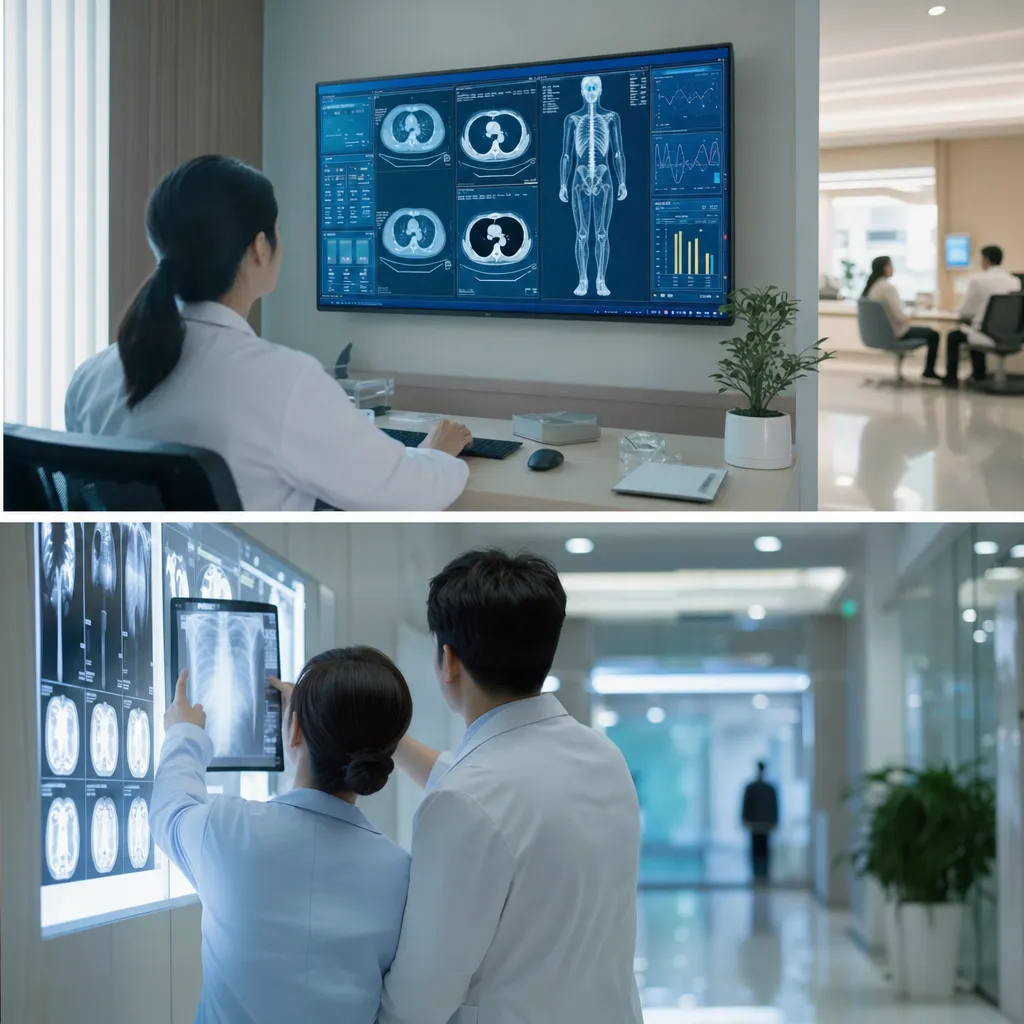
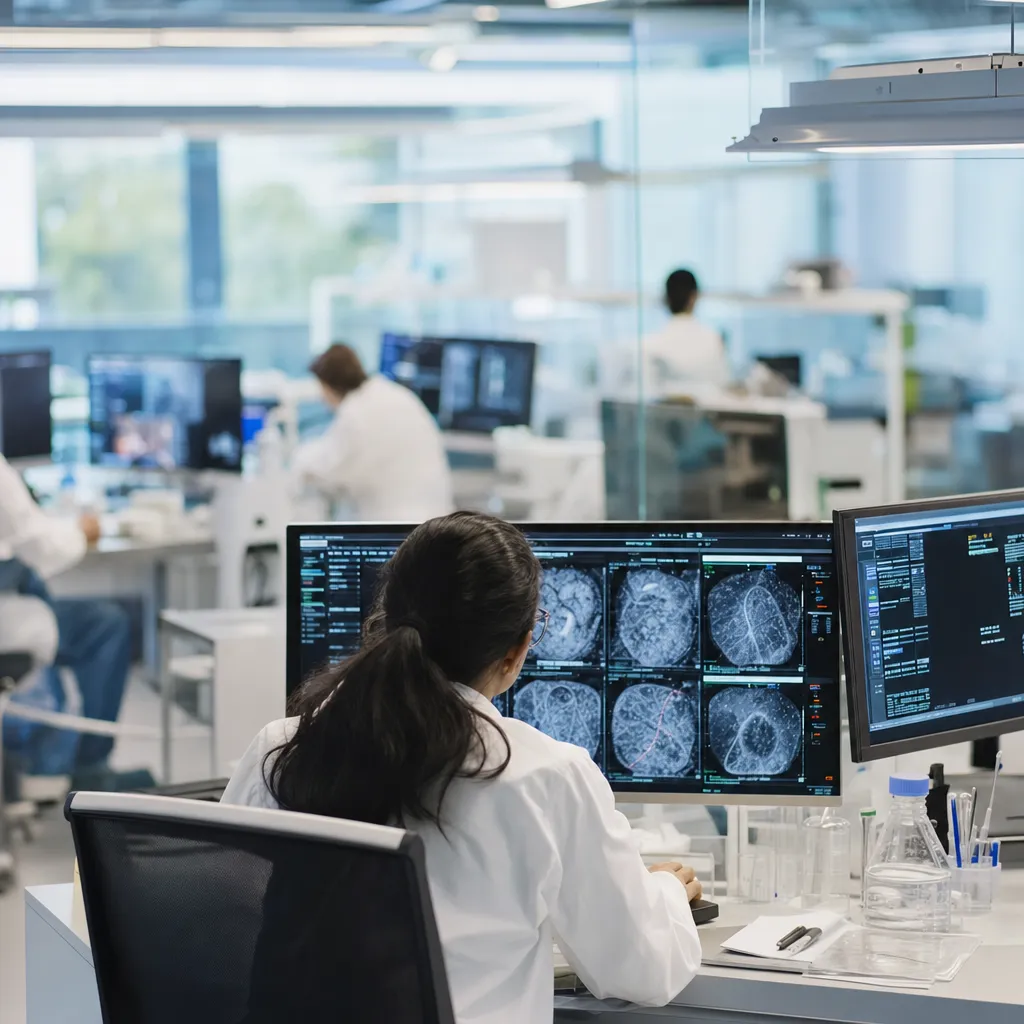
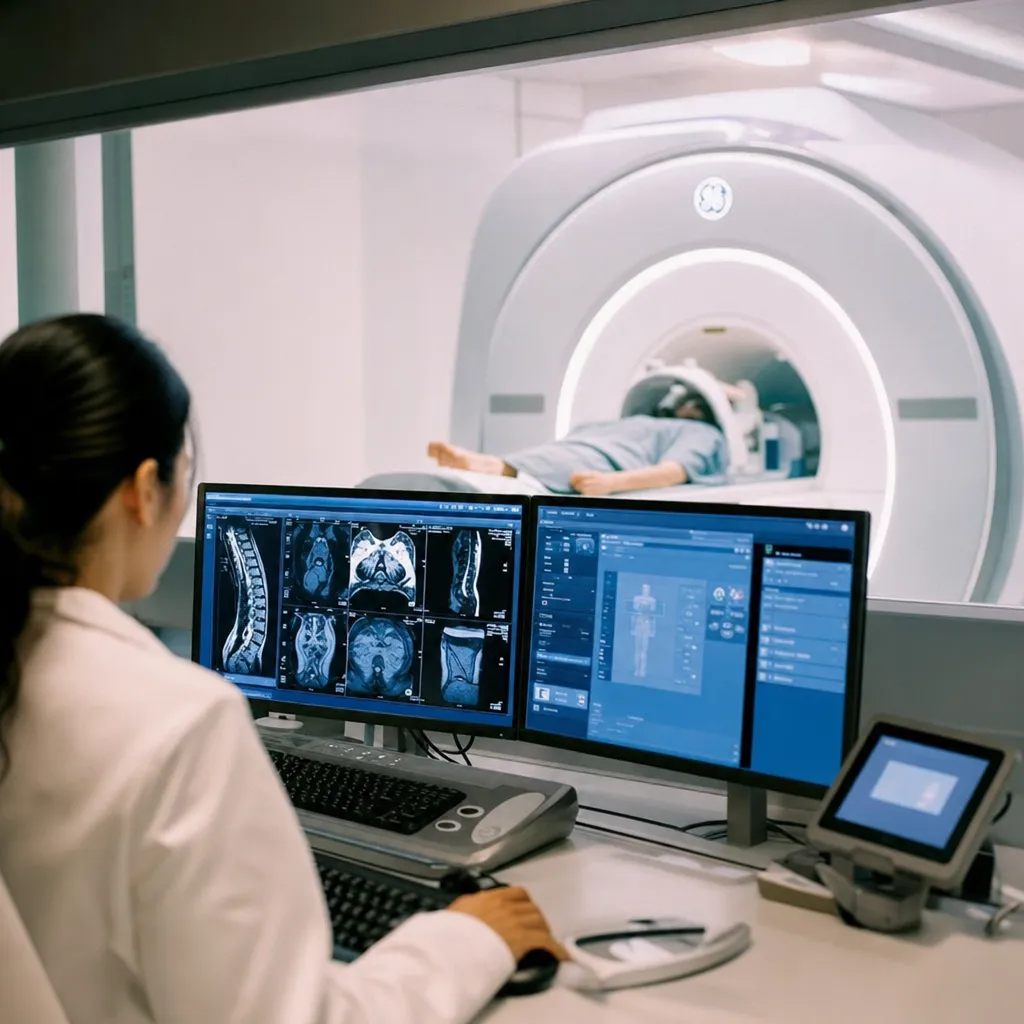
Clinical hospital systems — Qisda's core product category, now enhanced with AI for real-time analysis of diagnostic imaging, patient monitoring, and clinical workflow optimization. The hospital tier is where Qisda has the most established relationships and regulatory clearances.
Home monitoring devices — AI-powered remote monitoring for patients managing chronic conditions between clinical visits. The goal is continuity: data collected at home feeds back into the clinical record, giving physicians a fuller picture than a snapshot taken every few months in an office.
Companion animal care — The most unexpected tier, targeting AI health monitoring for pets. Wearables and AI-analyzed health data for dogs and cats represent a small but growing segment of consumer health tech, driven by pet owners willing to spend significantly on animal health.
Get this in your inbox.
Daily AI intelligence. Free. No spam.
Why the Ecosystem Approach Matters
Standalone medical devices compete primarily on accuracy and price. Health ecosystems compete on something harder to commoditize: data continuity and clinical integration.
If a hospital system can receive home monitoring data from a Qisda device using the same data formats and clinical interfaces as its Qisda hospital equipment, that reduces integration friction for the hospital IT team. That interoperability advantage is what Qisda is building toward — and it's the same logic that Philips, GE Healthcare, and Apple Health have all pursued in different forms.
The pet-care angle is a different business entirely. It signals Qisda reading a consumer market trend — pet health tech adoption has been accelerating alongside general wearable health adoption — and positioning early. The pet segment won't drive hospital contracts, but it builds brand recognition in consumer health that may eventually pull through the home monitoring tier.
What This Means
For hospitals: the value is in the home monitoring connection. A patient discharged with a Qisda home monitor that talks to the hospital's existing Qisda clinical systems is a readmission-risk management tool, not just a device.
For consumers: AI home health monitoring is moving from fitness wearables (steps, sleep) into medical-adjacent territory (cardiac rhythm, respiratory patterns, glucose trends). Qisda entering this segment from the clinical side — rather than the consumer electronics side — brings regulatory credibility that matters when the data is used clinically.
For the market: hardware manufacturers like Qisda are competing with software-first health AI companies by betting that clinical-grade hardware, integrated with AI, creates a defensible position. It's not obvious they're wrong.
What to Watch
Whether Qisda secures regulatory clearance for its home monitoring devices in the US, EU, and Japanese markets — the clinical tier is already cleared in key markets, but home monitoring faces a different regulatory path. And how the companion animal health segment develops: it's currently small, but the pet health tech market has been growing faster than most industry observers expected.
Did this help you understand AI better?
Your feedback helps us write more useful content.
Get tomorrow's AI briefing
Join readers who start their day with NexChron. Free, daily, no spam.