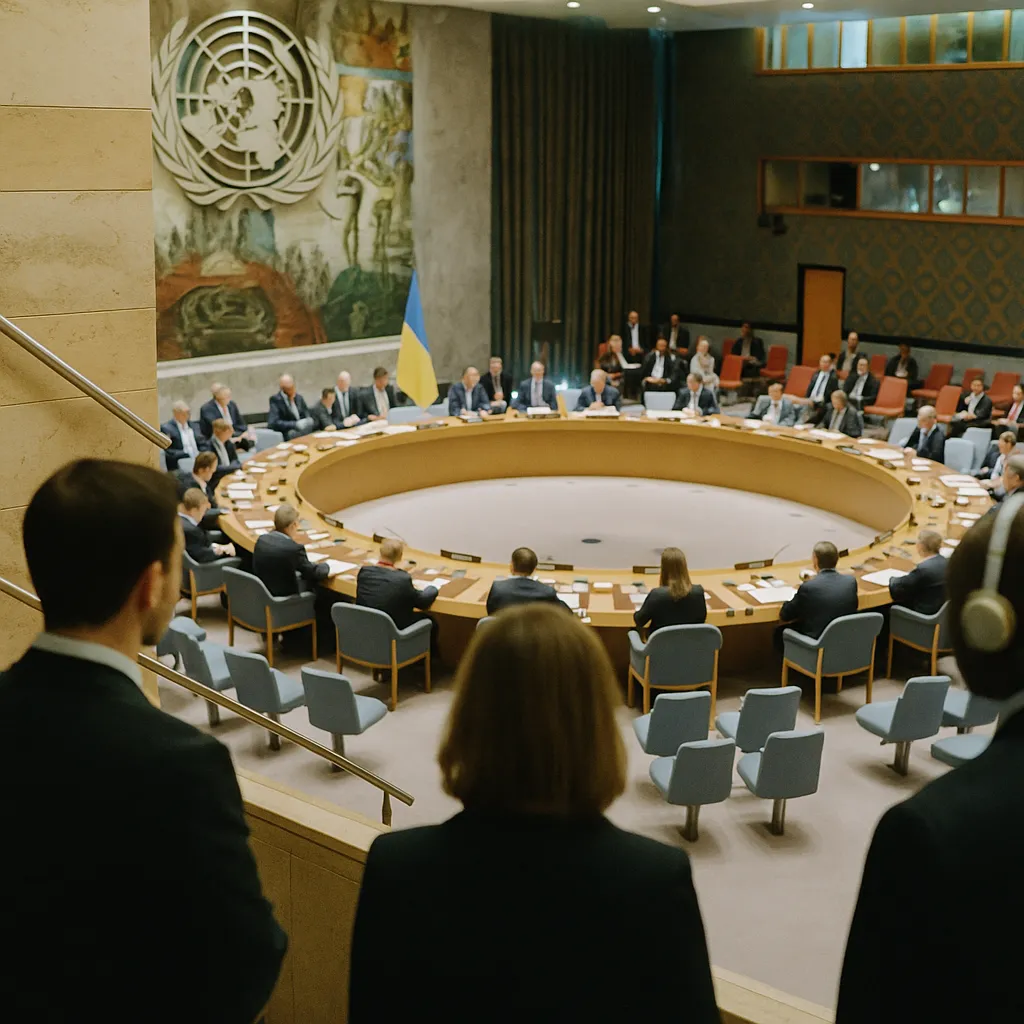
France convened the UN Security Council's first-ever session hosting frontier AI developers from the US and China together — a milestone in multilateral AI governance.
UN Security Council Convenes First-Ever Joint Session With US and Chinese AI Developers
By Hector Herrera | September 23, 2026 | Government
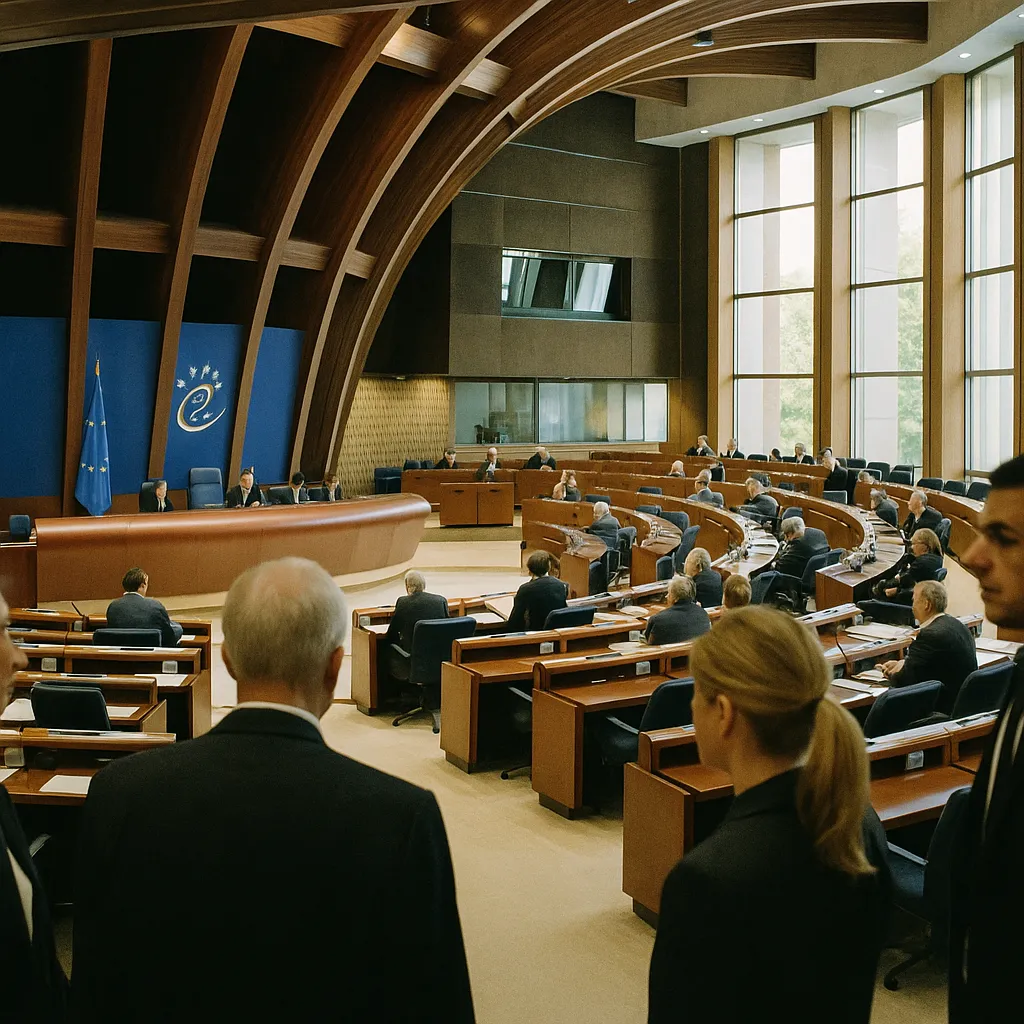
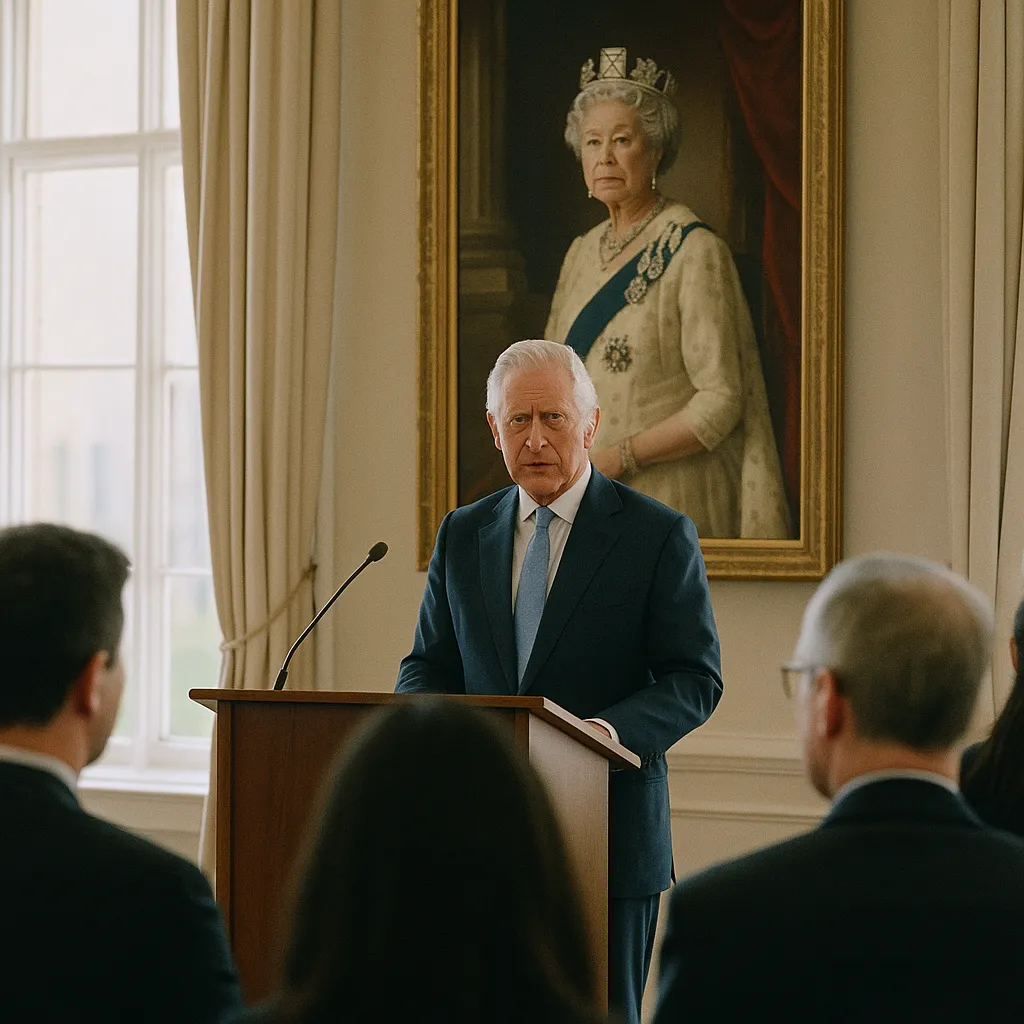
France convened the United Nations Security Council's first-ever session directly hosting frontier AI developers from both the US and China on Tuesday — a significant step toward multilateral AI governance that no diplomatic body has managed before. The session puts competing superpowers and their AI companies in the same room to discuss shared safety concerns, signaling that AI risk is becoming a national security issue that transcends the US-China tech rivalry.
Background
The UN Security Council has addressed AI in passing for years — mostly through working group reports and informal statements. But bringing frontier AI labs to the table as active participants, rather than subjects of regulation, is new. France holds the rotating September Security Council presidency and used that platform to push a format that previous presidencies hadn't attempted. The meeting is not a treaty negotiation. It is a structured dialogue, and the distinction matters.
What Happened
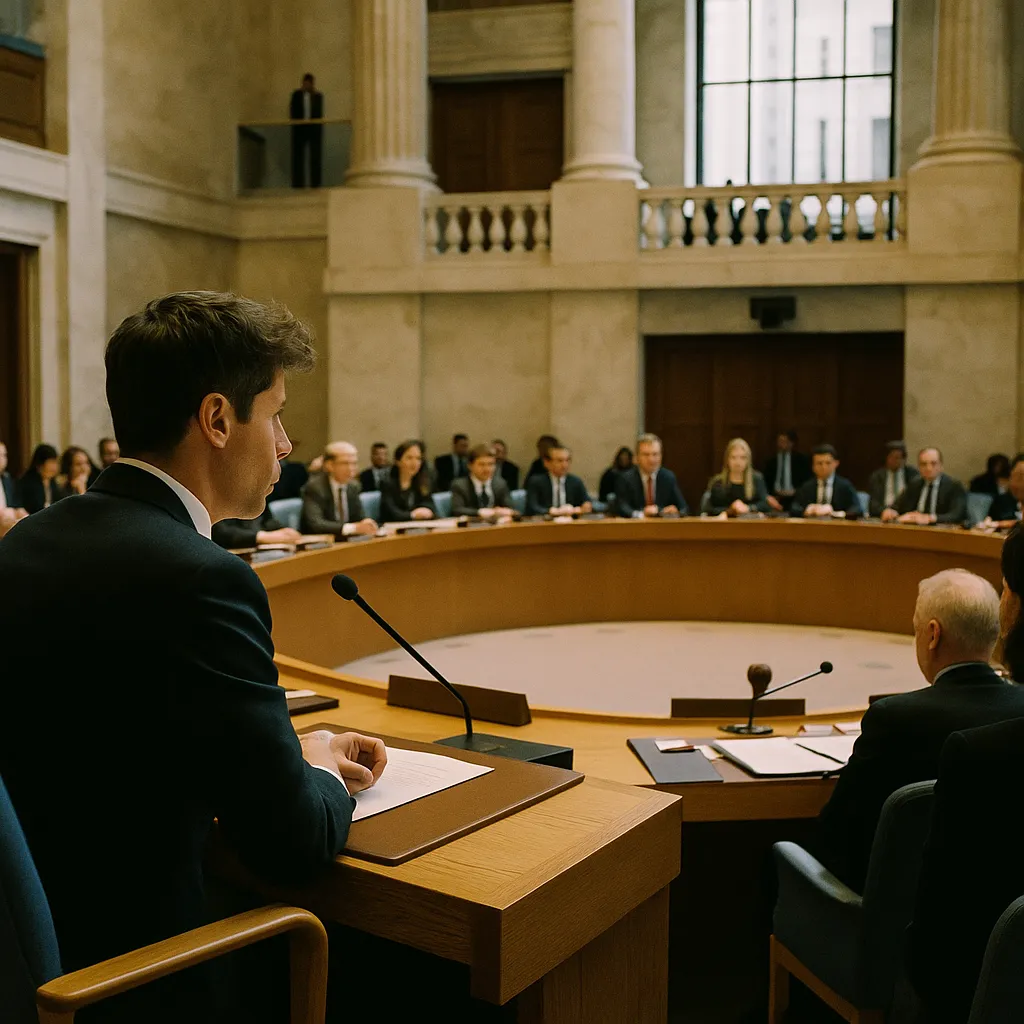
France convened a 15-member UN Security Council session focused on AI and international security on September 23, 2026. OpenAI CEO Sam Altman and senior Anthropic representatives are participating on the US side. DeepSeek and Moonshot — two of China's highest-profile frontier AI developers — are represented on the Chinese side.
Key facts:
Get this in your inbox.
Daily AI intelligence. Free. No spam.
- This is the first time the Security Council has directly hosted frontier AI developers from the US and China in a joint session.
- The session's stated focus: shared safety concerns across competing AI superpowers.
- France holds the Council presidency for September, giving it the authority to set the session agenda.
- The format is dialogue, not a vote or binding resolution.
The session does not require a Security Council resolution to be consequential. The significance is the forum itself: the five permanent members — the US, China, UK, France, and Russia — are all present, alongside ten rotating members.
Why This Matters
The AI industry has been largely self-governing on safety. The major labs — Anthropic, OpenAI, Google DeepMind — have participated in voluntary frameworks like the White House voluntary AI commitments and the Seoul AI Safety Summit. But those processes were US-and-allies-forward. China has been absent or peripheral.
Bringing DeepSeek and Moonshot to a Security Council session shifts the frame in three ways:
- It legitimizes AI safety as a Security Council-level concern — the same forum that handles nuclear weapons and weapons of mass destruction.
- It opens a direct channel between US and Chinese AI developers under diplomatic observation, rather than through ad hoc industry conferences.
- It creates a record — Security Council sessions are logged and public. What Altman, Anthropic, DeepSeek, and Moonshot say on the record here matters for future accountability.
The Limits of the Session
A dialogue is not a treaty. The Security Council has no enforcement authority over private AI companies, and neither the US nor China is likely to accept binding international constraints on domestic AI development anytime soon. Russia's presence as a permanent member further complicates any consensus document.
The risk of the session is that it produces a communiqué with broadly worded commitments that no party honors — the kind of outcome that characterized early climate diplomacy. The value is that it happens at all.
What to Watch
Watch for whether this session produces any joint statement or framework document, and whether China endorses language around frontier model testing or incident reporting. If DeepSeek and Moonshot sign onto even voluntary disclosure norms, it would be the most concrete US-China AI safety alignment since the Biden-Xi summit agreement on military AI in November 2023. Also watch whether the session becomes an annual format under future Security Council presidencies — that institutionalization is what would make this a lasting development rather than a one-off.
Did this help you understand AI better?
Your feedback helps us write more useful content.
Get tomorrow's AI briefing
Join readers who start their day with NexChron. Free, daily, no spam.