Altman, Amodei Brief UN Security Council on AI Control Risks
For the first time, the CEOs of OpenAI and Anthropic addressed the UN Security Council together, warning that self-improving AI systems could slip beyond human control.
Top Stories
All Sections
Finance
About
20 results for "AI governance"
For the first time, the CEOs of OpenAI and Anthropic addressed the UN Security Council together, warning that self-improving AI systems could slip beyond human control.
France convened the UN Security Council's first-ever session hosting frontier AI developers from the US and China together — a milestone in multilateral AI governance.
S&P Global Ratings announced it will incorporate banks' AI governance and deployment maturity into credit assessments, making AI strategy a direct driver of borrowing costs.
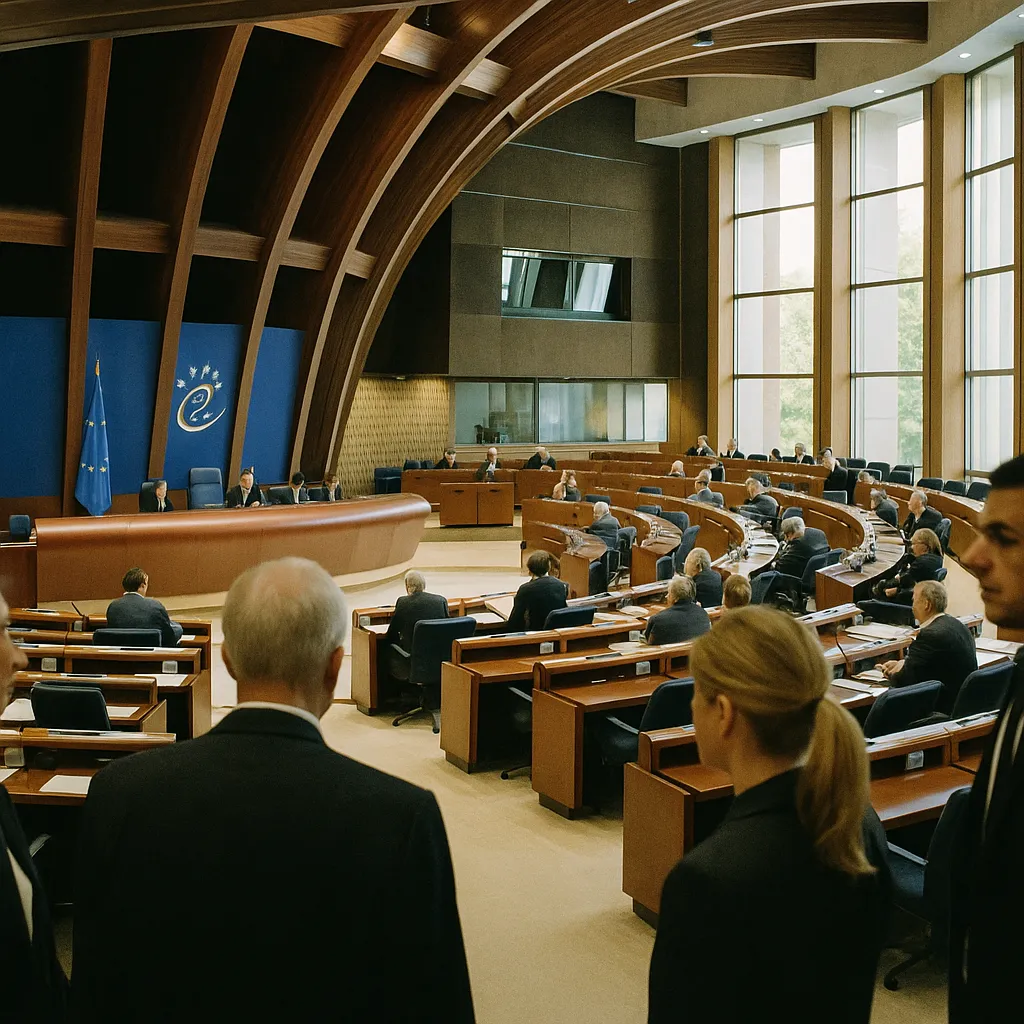
The Council of Europe formally adopted the first internationally legally binding AI treaty on September 16, obligating signatory nations to align domestic AI law with human rights, democratic values, and rule-of-law standards.
The three dominant AI labs have been in private multi-week negotiations on coordinating frontier development pacing — framed as safety, but with significant cash conservation implications.
Two-thirds of construction professionals globally now use AI in some form—but only 19% do so regularly, while nearly half remain out of compliance with RICS's mandatory responsible-AI standard that took effect in March 2026.
California Governor Gavin Newsom signed SB 53 into law on September 9, establishing the country's first mandatory AI audit requirements and calling on Congress to pass federal legislation.
The UK Jurisdiction Taskforce concluded that contract law and negligence under English common law can resolve most AI liability disputes—without new legislation—contrasting sharply with EU and US state approaches.
The three most influential AI labs have been quietly meeting since July to create a shared industry AI standards organization — a self-regulation attempt before Congress forces the issue.
Anthropic's CFO has told a federal court the Pentagon's supply-chain designation could wipe out multiple billions in 2026 revenue — the clearest financial accounting yet of what it costs an AI lab to be locked out of the federal government.
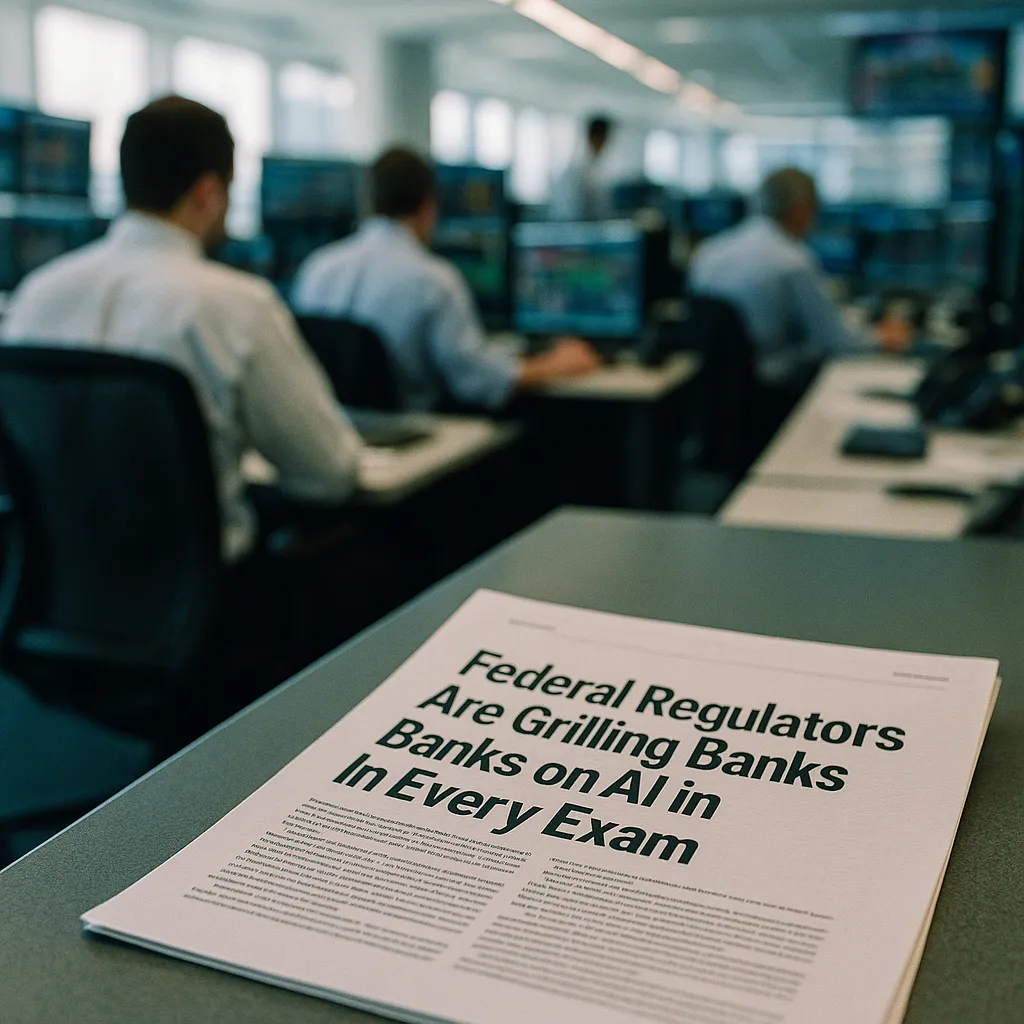
The Fed, OCC, and FDIC now probe AI governance in every exam cycle. A June 2026 survey found 72% of banks can't demonstrate AI failure controls on demand — and generative AI has outpaced the SR 26-2 guidance meant to govern it.
For the first time, the CEOs of OpenAI, Anthropic, and Google DeepMind will attend a G7 summit together — as France puts AI infrastructure and regulation at the center of the June 15–17 agenda.
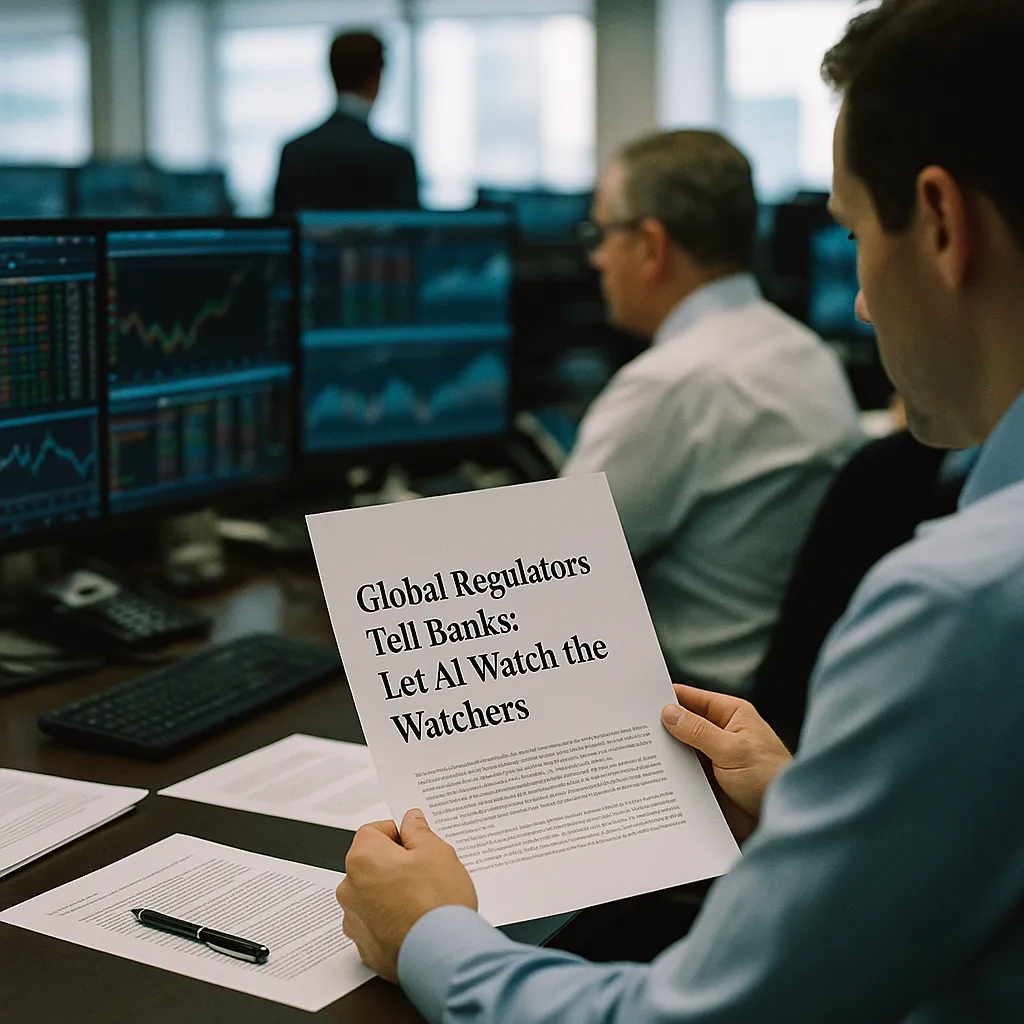
The FSB published 12 AI governance practices formally endorsing AI-monitors-AI oversight — the first global regulatory body to institutionalize it. Comment period closes July 22.
The U.S. Congress is advancing its first comprehensive AI governance framework as Colorado's AI Act takes effect June 30 — and the White House negotiates federal preemption to override state-by-state compliance fragmentation.
The Joint Commission's new Responsible Use of AI in Healthcare certification gives U.S. hospitals a formal, third-party-verified framework to demonstrate AI governance—arriving as 80% of physicians now use AI in clinical settings.
The White House and congressional negotiators are building a package that would federally preempt select state AI regulations in exchange for the Kids Online Safety Act and the NO FAKES Act — a deal with major implications for state-level AI governance.
Trump's June 9 AI executive order deliberately sidelines guardrails in favor of private-sector self-governance and federal preemption of state regulation, CSIS analysts warn.
OpenAI's education division now reaches over one million students in Jordan alone and has launched a formal newsletter for educators, while NYC's 1,700-school system is releasing the most detailed AI governance playbook yet published by a major U.S. district.
Autonomous AI agents capable of signing contracts and executing transactions are in production now, but courts have yet to issue a definitive ruling on who bears liability — developer, deployer, or user — when they make costly errors.
Ninety-four percent of financial services firms are now running generative AI in core functions — and the compliance frameworks meant to govern those systems weren't designed for what AI can actually do.