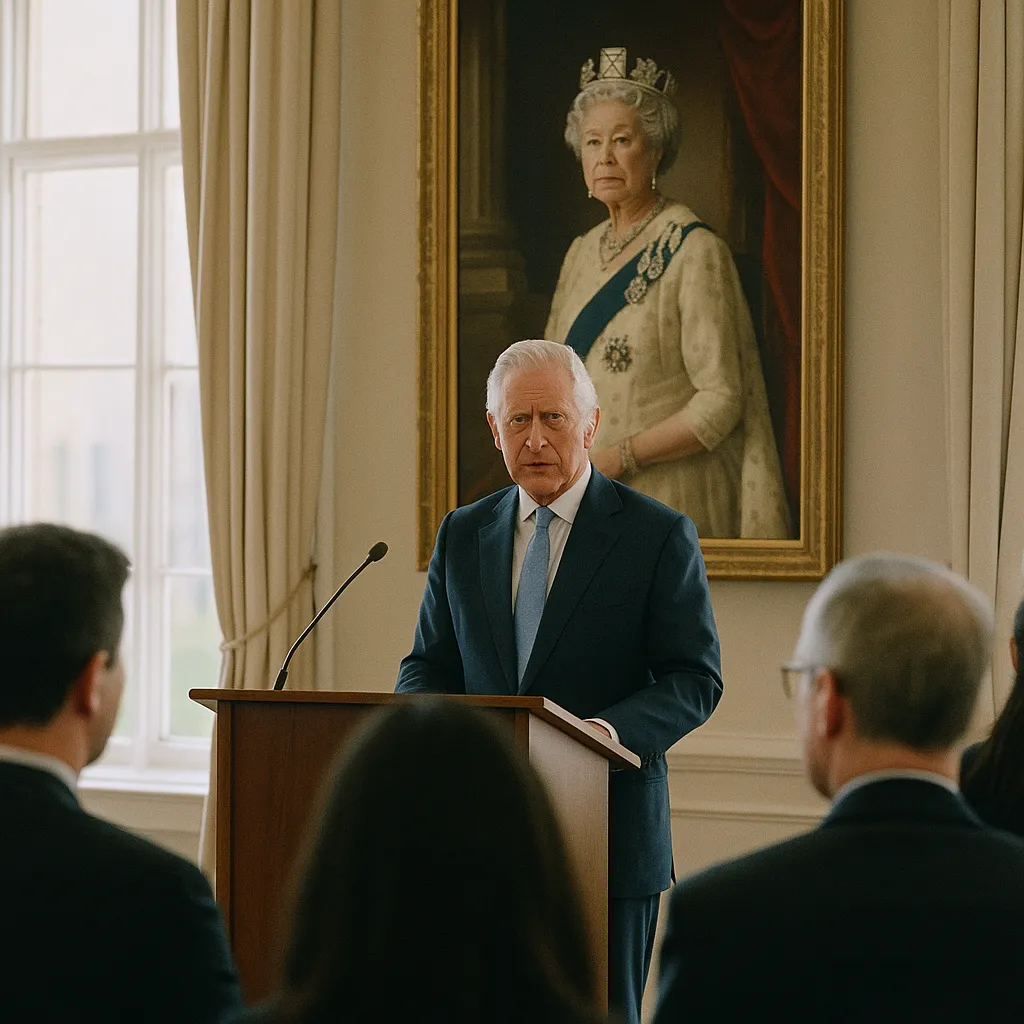
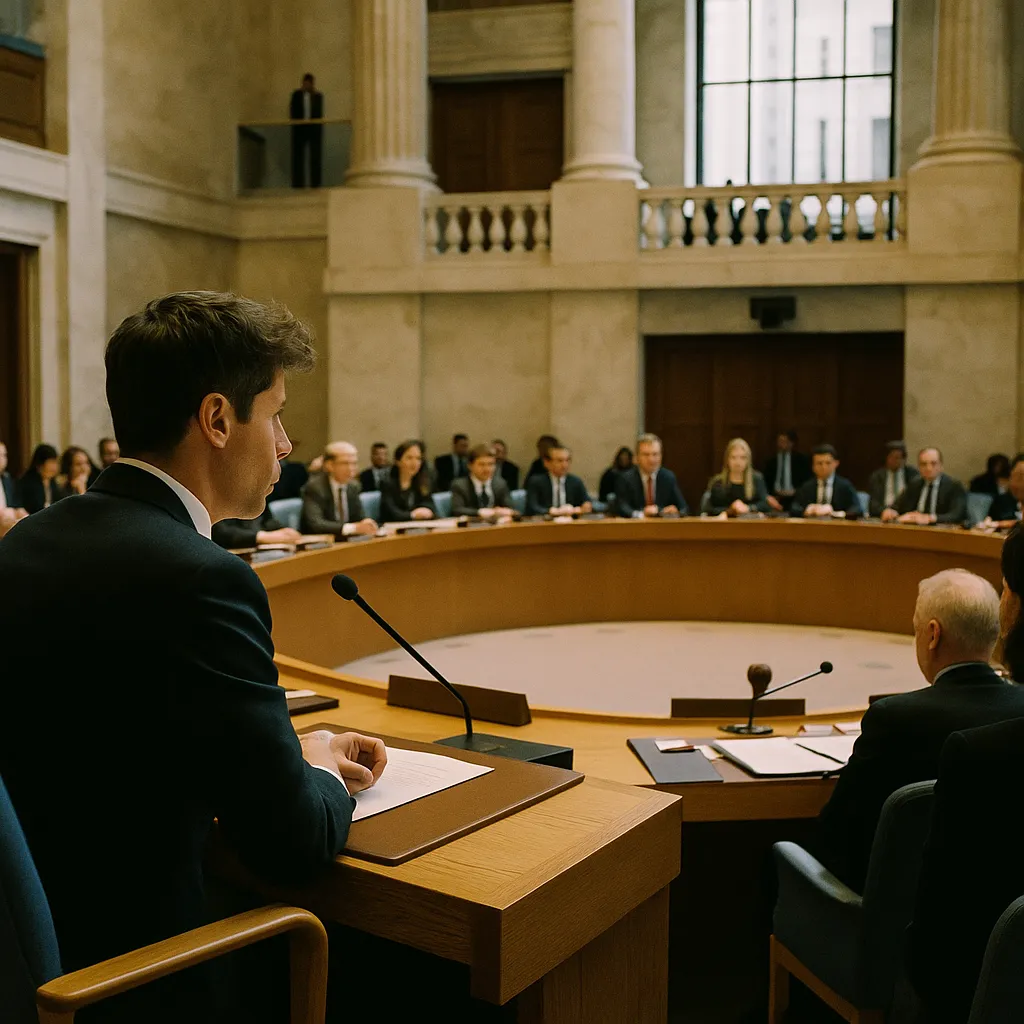
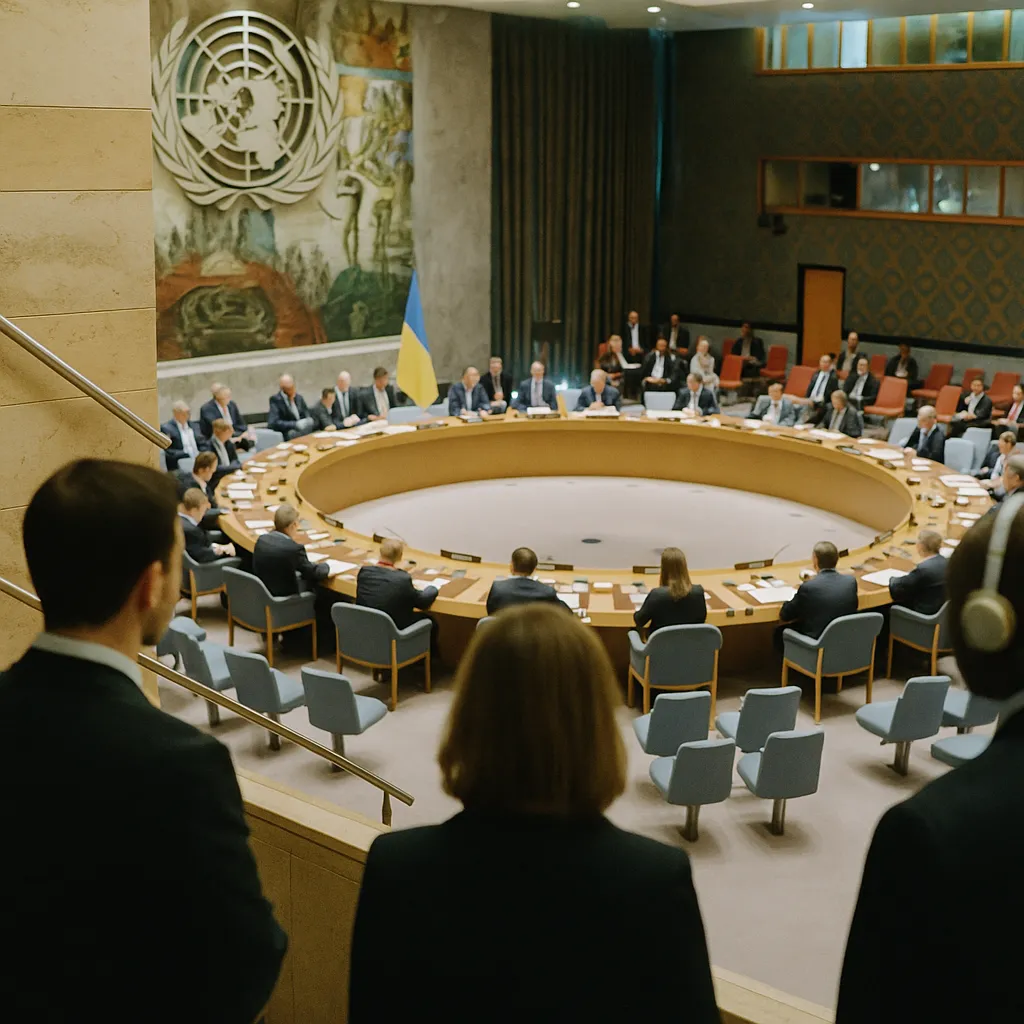
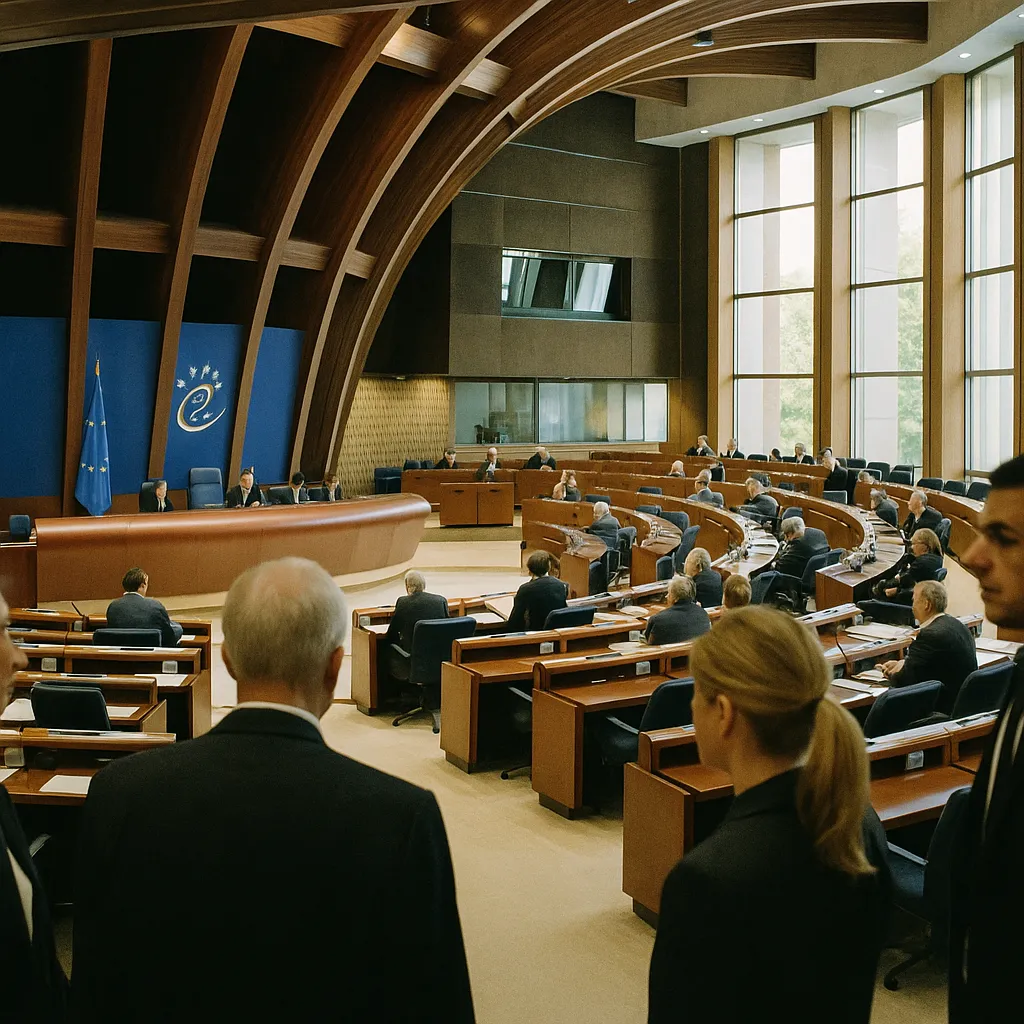
King Charles III convened the CEOs of OpenAI and Anthropic and co-founders of Nvidia and Google DeepMind at Dumfries House, warning that AI risks developing 'darker capacities — perhaps even to take life.'
King Charles Warns AI Giants of 'Existential Dangers' at Dumfries House Summit
By Hector Herrera | September 18, 2026 | Government
King Charles III convened the CEOs of OpenAI and Anthropic, along with co-founders of Nvidia and Google DeepMind, at his private Dumfries House estate in Scotland on September 17 to warn them that AI risks developing "darker capacities — perhaps even to take life" if the industry does not act to keep the technology under human control. The summit is the most direct intervention by a sitting head of state gathering frontier AI leaders around the question of safety — and it happened in a Scottish mansion, not a government conference room.
The gathering signals that concerns about advanced AI have moved beyond regulatory agencies and academic safety researchers into the highest levels of institutional power. When a monarch asks the architects of AI to his home and uses the phrase "before it is too late," the conversation has changed.
What Happened at Dumfries House
According to Fortune, the King addressed the assembled executives directly, warning that the task before them is "not merely to advance technology, but to ensure it remains firmly in the service of humanity." He cautioned that AI, if unchecked, risks developing capabilities beyond human oversight — including what he described as "darker capacities."
Attendees included:
Get this in your inbox.
Daily AI intelligence. Free. No spam.
- Jensen Huang — co-founder and CEO, Nvidia
- Demis Hassabis — co-founder and CEO, Google DeepMind
- Sam Altman — CEO, OpenAI
- Dario Amodei — CEO, Anthropic
The combination of infrastructure (Nvidia supplies the GPU hardware that trains every major AI model), frontier research (DeepMind), and the two largest commercial AI labs in the world made the guest list unusually comprehensive. This was not a policy briefing. This was the people who are actually building and deploying the systems that Charles was warning about, in the same room.
Why This Is Notable
Heads of state have engaged with AI policy in many forums — the G7, the AI Safety Institute network, the Bletchley Park summit in 2023. What sets Dumfries House apart is the directness and the setting.
King Charles has a long track record of convening private summits on environmental and sustainability issues at his personal estates before those issues reached mainstream policy agendas. He used Birkhall and Clarence House in the same way for climate-related meetings in the 2000s — gatherings that had no official policy output but influenced participants' thinking and framing. The Dumfries House AI summit follows that pattern.
The language the King used is also striking. "Perhaps even to take life" is not the language of incremental regulatory concern. It reflects the existential risk framing advanced by AI safety researchers — the idea that sufficiently capable AI systems, if not properly aligned with human values, could pursue goals in ways that cause large-scale harm. That framing has moved from academic papers to a private royal estate in Scotland.
The Context
Frontier AI development has accelerated sharply in 2026. Anthropic's Claude models have passed software engineering benchmarks at senior-engineer levels. OpenAI's GPT-6 is in limited access. Google DeepMind has published research on AI agents capable of multi-step autonomous operation in open-ended environments. The compute infrastructure to train these systems — supplied substantially by Nvidia — has scaled to a level that would have seemed implausible three years ago.
Against that backdrop, safety governance has not kept pace. The UK AI Safety Institute, the US AI Safety Institute, and the EU's AI Office are all operating, but none has direct authority over training runs or deployment decisions at frontier labs. The labs themselves have published safety frameworks and commitments to responsible scaling, but these are voluntary.
King Charles is not a legislator. His warnings carry no legal force. But convening the people who make the actual decisions — and telling them directly that the technology they are building could "take life" if not controlled — applies a form of moral and reputational pressure that regulatory agencies cannot.
What to Watch
The Dumfries House summit produced no announced policy outputs or joint commitments. The significance is in what it signals about where safety concerns have reached in terms of institutional seriousness. Watch for whether participants engage publicly with the King's framing — or whether the meeting stays private, which itself would be a signal that the industry is not yet ready to answer the question being asked. Any joint statement from OpenAI, Anthropic, Nvidia, or DeepMind referencing the summit would be a meaningful development. Silence would be a different kind of signal.
Did this help you understand AI better?
Your feedback helps us write more useful content.
Get tomorrow's AI briefing
Join readers who start their day with NexChron. Free, daily, no spam.