Why this matters
Anthropic's Claude Code now fixes bugs and reviews pull requests autonomously using a new feature called routines — no prompting required.
Anthropic's Claude Code Can Now Fix Bugs and Review Pull Requests on Its Own
By Hector Herrera | April 14, 2026 | Work
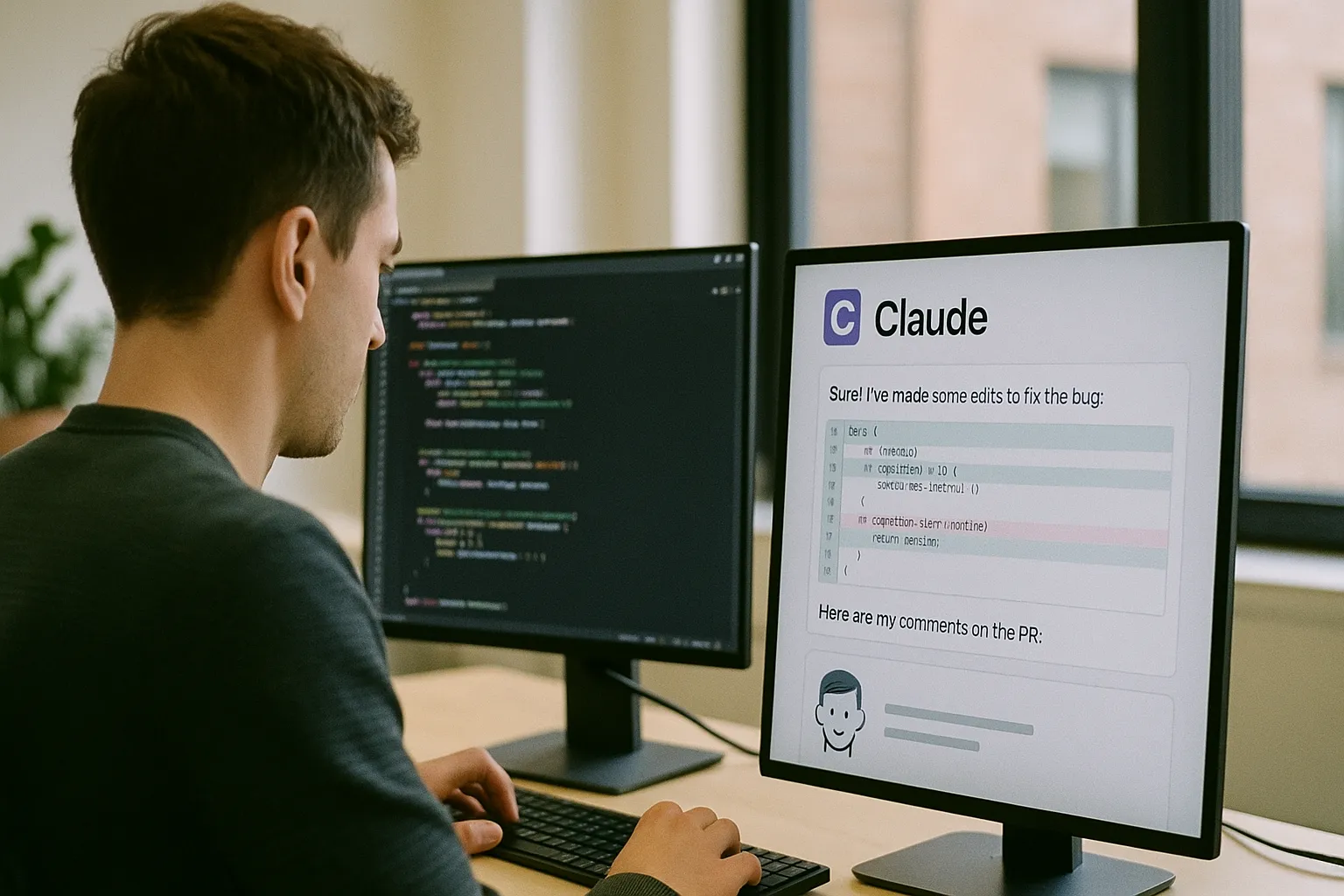
Anthropic has given Claude Code the ability to fix bugs and review pull requests without being prompted — a new feature called "routines" that turns the AI coding assistant into an autonomous participant in software development workflows. For engineering teams, this is a meaningful shift: AI that acts on code changes as they happen, not just when a developer asks.
Background
Claude Code is Anthropic's terminal-based AI coding tool, launched in 2025. It can write, edit, debug, and review code inside a developer's existing environment. Until now it has been primarily reactive — a developer issues a command, Claude responds. Routines break that pattern by allowing developers to configure event-based triggers that fire Claude automatically.
What Routines Do
According to The Decoder, routines let developers define conditions that automatically engage Claude Code:
Bug triage — a failing test or error log triggers Claude to diagnose and propose a fix
Pull request review — opening a PR triggers an automated review covering code quality, potential bugs, and style consistency
Custom workflows — developers can configure any trigger-action pair that fits their pipeline
The key word is automatic. The developer doesn't queue a prompt. Claude watches for the trigger and acts.
Get this in your inbox.
Daily AI intelligence. Free. No spam.
Why This Matters
The conventional framing of AI coding tools is still human-in-the-loop: the developer is the driver, AI is the copilot. Routines move Claude toward a different role — one that runs in the background, monitors changes, and takes action without being summoned.
For solo developers and small teams, that gap is significant. A second set of eyes reviewing every PR is expensive in staff time; an AI that does it automatically is not. Bug triage that currently falls to whoever notices a failing build alert can now happen with context and a proposed fix already attached.
For larger engineering orgs, routines introduce the possibility of standardized AI review as a default step before human review — not replacing the human, but compressing the time between "code written" and "feedback received."
The caveat: autonomous action on a codebase is high-stakes. A misdiagnosed bug fix that passes CI but introduces a regression is worse than no fix at all. How teams configure trigger rules — and whether they require human approval before applying Claude's changes — will determine whether routines add value or noise.
What to Watch
The practical test for routines is trust accumulation. Early adopters who configure approval gates will generate data on how often Claude's autonomous fixes are accepted versus rejected. That acceptance rate, more than any benchmark, will determine whether autonomous coding workflows go mainstream.
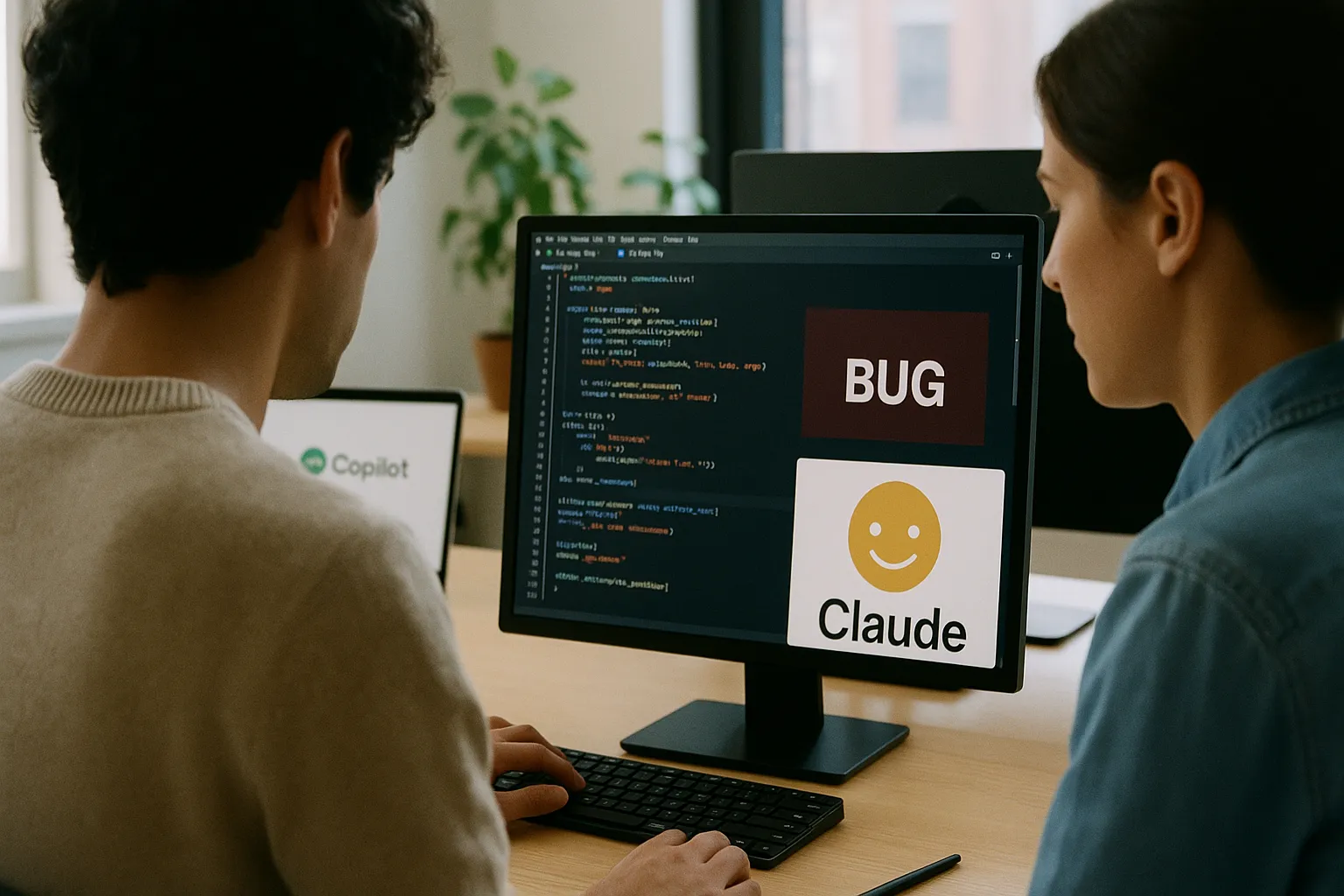
Watch also for whether competing tools — GitHub Copilot, Cursor, Sourcegraph Cody — launch comparable trigger-based automation. Anthropic is first to market with this framing, but the architecture isn't proprietary.
Hector Herrera is an AI systems architect and the founder of Hex AI Systems. He designs and runs AI systems in production and writes daily about how AI is reshaping business, government and everyday life. 20+ years building for the web. Houston, TX.