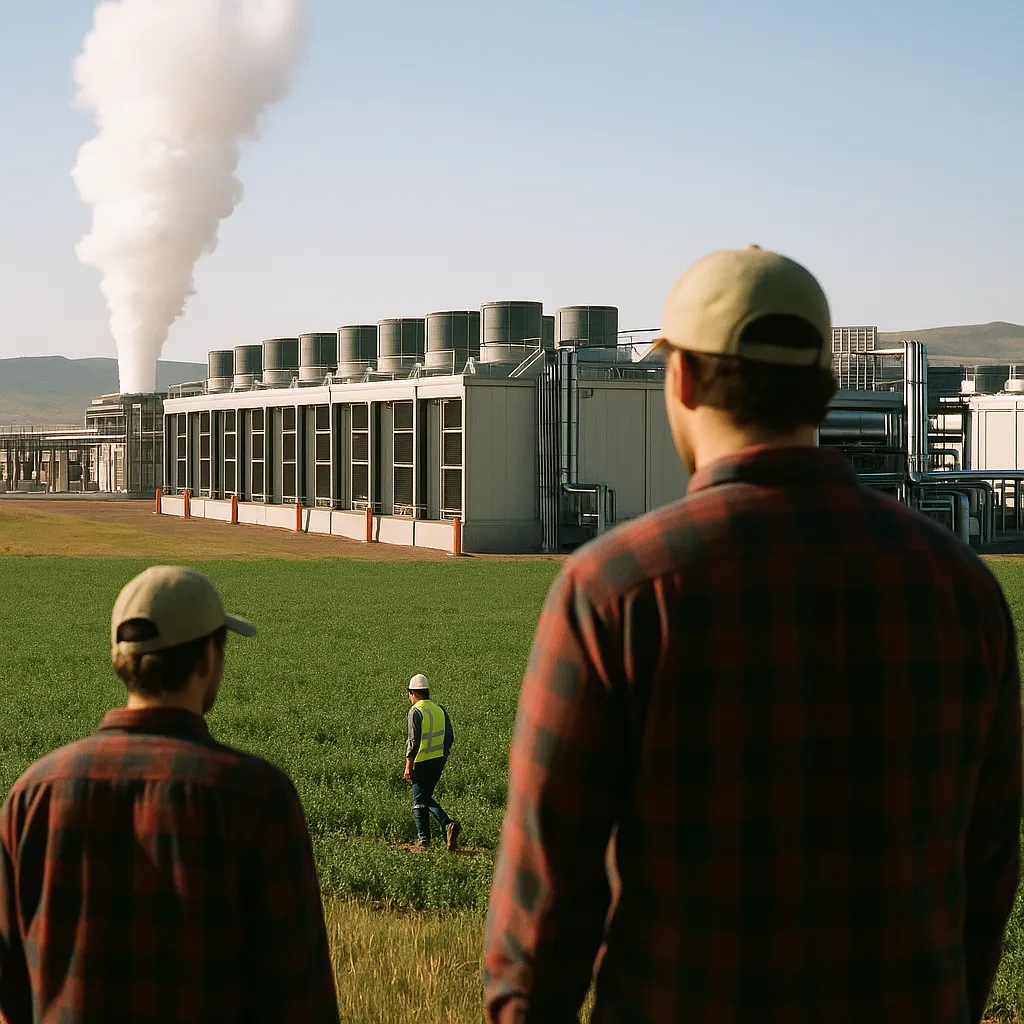
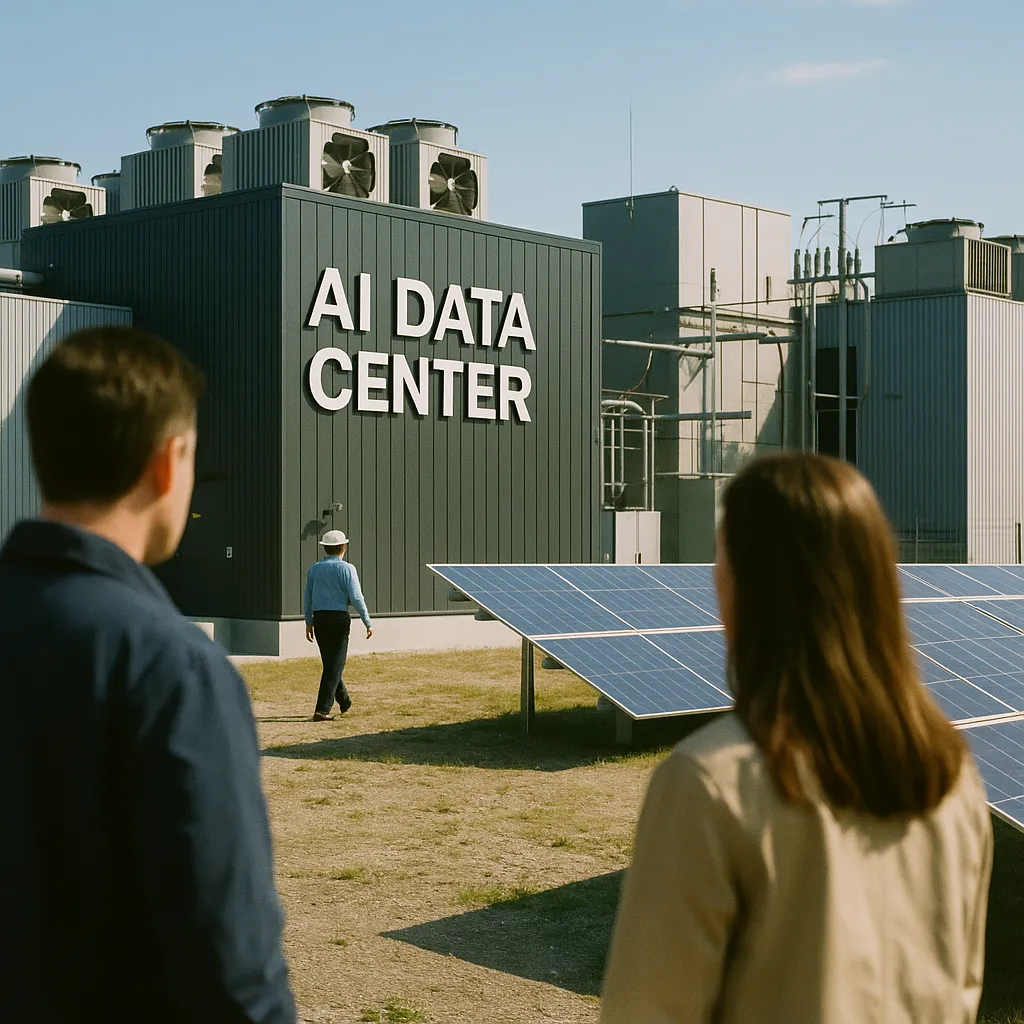
Fervo Energy's Cape Station in Utah becomes the world's largest enhanced geothermal system to connect to the grid — arriving as AI data centers push U.S. power demand toward record levels.
The first 100 megawatts (MW) from Fervo Energy's Cape Station project in Utah are coming online this October, making it the largest enhanced geothermal system (EGS) ever connected to an electrical grid. The milestone is significant beyond clean energy policy: it arrives at the exact moment that AI data centers are driving U.S. power demand to levels the grid wasn't built to handle, and geothermal's ability to provide firm, 24/7 baseload power makes it a uniquely valuable answer to that demand.
Enhanced geothermal is not the same as traditional geothermal. Traditional geothermal requires naturally occurring steam vents or hot springs — locations limited to a handful of geographies. EGS, by contrast, drills into hot dry rock deep underground, fractures it, and circulates water through the cracks to extract heat. The technology borrows heavily from oil and gas drilling techniques. If it can be made commercially viable at scale, the accessible resource base expands to most of the planet.
Why This Milestone Matters for AI Infrastructure
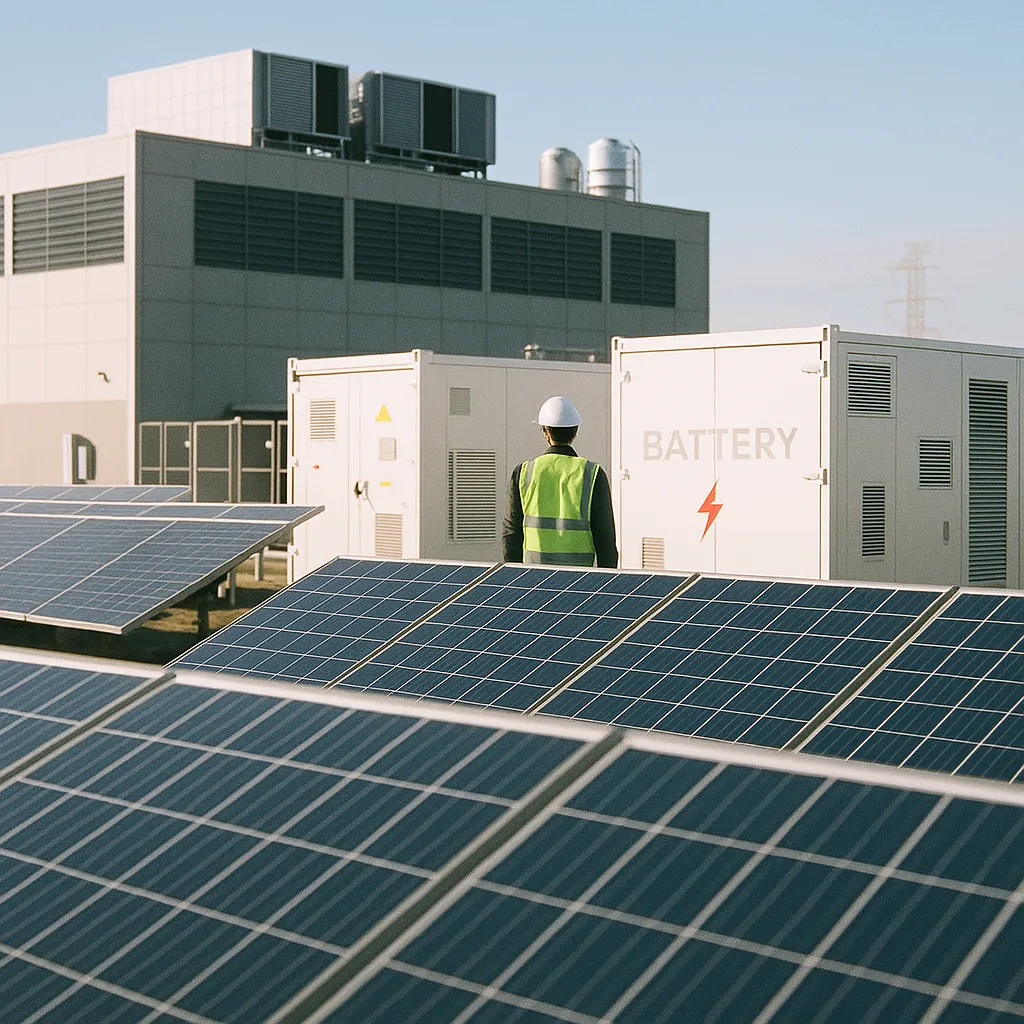
U.S. data center power consumption is projected to reach 12% of national electricity use by 2030, up from roughly 4% today. That doubling-plus is driven primarily by the compute demands of training and running AI models. Microsoft, Google, Amazon, and Meta have all made public commitments to power their data centers with clean energy — but solar and wind are intermittent, generating power only when the sun shines or wind blows. Grid-scale batteries help, but storing multiple days of baseload power economically remains an unsolved problem.
Geothermal operates continuously, day and night, regardless of weather. That characteristic — called firm power — is exactly what data centers need. A 100 MW geothermal plant can be contracted as reliable baseload in a way that a 100 MW solar farm cannot.
Get this in your inbox.
Daily AI intelligence. Free. No spam.
Google signed a power purchase agreement with Fervo in 2021 specifically to power its Nevada data center operations. Cape Station's grid connection converts that agreement from aspiration to operational reality.
Cape Station by the Numbers
- Location: Milford, Utah
- Initial capacity: 100 MW (Phase 1)
- Ultimate capacity: Planned at 400 MW at full build-out
- Technology: Enhanced geothermal system — horizontal drilling into hot granite, then hydraulic fracturing to create a heat exchanger underground
- Operator: Fervo Energy
- Power buyer: Google (under long-term power purchase agreement)
The 100 MW milestone puts Cape Station ahead of the Geysers in California — the world's largest traditional geothermal complex — in terms of EGS specifically, though the Geysers still produces more total power from conventional geothermal.
What Fervo Had to Prove
The knock on EGS for decades was that it worked in the lab and in small pilots but couldn't scale. Fervo's approach was to apply oilfield directional drilling technology — specifically horizontal drilling and perforation techniques developed for shale gas extraction — to geothermal wells. Their Nevada pilot project, which began producing power in 2023, demonstrated that the drilling approach worked. Cape Station is the commercial-scale proof.
The implication is significant: if EGS is commercially viable, the geothermal resource base in the continental U.S. alone could theoretically supply hundreds of times current national electricity consumption. The DOE's Enhanced Geothermal Shot initiative has a target of driving EGS costs below $45 per MWh by 2035. Fervo's Cape Station commissioning is the most concrete evidence yet that trajectory is achievable.
What to Watch
Phase 2 of Cape Station — scaling from 100 MW to 400 MW — will be the real commercial test. If construction costs and drilling performance hold at the Phase 1 numbers, other developers will follow. Watch for announcements from Quaise Energy, Sage Geosystems, and Zanskar — companies working on next-generation EGS approaches, some using millimeter-wave drilling to reach even deeper, hotter rock. The grid connection in October also sets up Fervo's expected 2027 fundraising round, which sources have indicated will target capital for new sites in Nevada and Texas.
Source: Canary Media — Big Stories 2026: Renewables and the Power Grid
Did this help you understand AI better?
Your feedback helps us write more useful content.
Get tomorrow's AI briefing
Join readers who start their day with NexChron. Free, daily, no spam.