Government & Policy | 2 min read

Google Signed a Classified Pentagon AI Deal. 600 Employees Are in Revolt — and Losing.

Google signed a classified DoD contract giving Gemini access to three million Pentagon personnel. More than 600 employees oppose it — but the market dynamics have shifted since 2018.

Hector Herrera
Hector Herrera
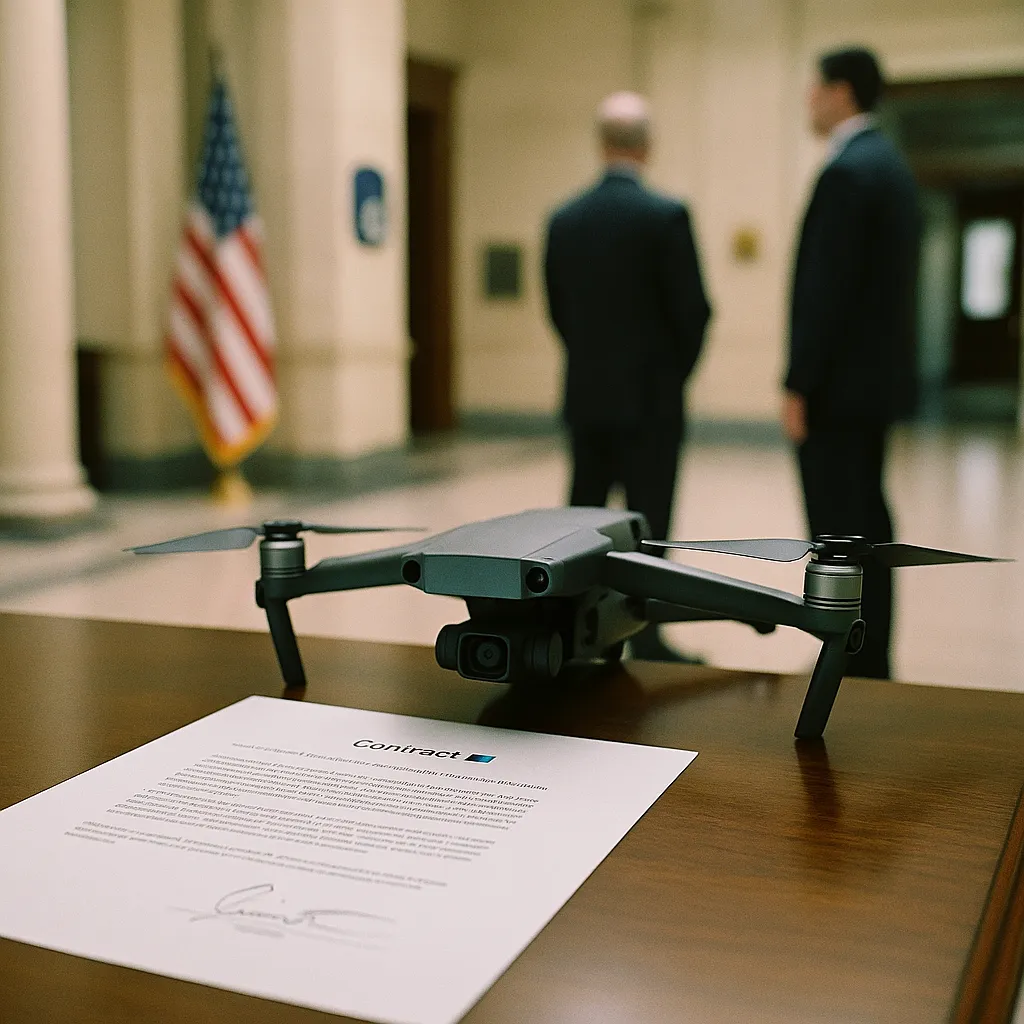
A government building interior featuring contract, drone, related to a major tech company Signed a Classified Pentagon AI Deal. 6 from an unusual angle or perspective
Why this matters Google signed a classified DoD contract giving Gemini access to three million Pentagon personnel. More than 600 employees oppose it — but the market dynamics have shifted since 2018.

Google Signed a Classified Pentagon AI Deal. 600 Employees Are in Revolt — and Losing.

Google has signed a classified contract giving the U.S. Department of Defense access to its Gemini AI models for "any lawful governmental purpose" — and the 600-plus employees opposing it are discovering they have far less power than their 2018 counterparts did.

What Happened

According to Fortune's May 4 analysis, the contract grants Gemini access across approximately three million DoD personnel. The classified nature of the deal means specifics — including what tasks Gemini will be used for — are not publicly disclosed. CEO Sundar Pichai approved the deployment without publicly discussing usage restrictions.

More than 600 employees at Google DeepMind and Google Cloud signed an open letter to Pichai opposing the deal, citing concerns about deploying AI for military purposes without clear ethical guardrails.

The 2018 Comparison That Explains the Stakes

In 2018, employee dissent killed Project Maven — a DoD contract for AI-assisted drone imagery analysis. Roughly 4,000 employees petitioned. Google did not renew. That outcome created a durable belief inside Google that organized internal opposition could constrain military AI decisions.

That leverage is gone. The classified defense AI market has grown dramatically since Maven. Microsoft Azure, Amazon Web Services, and Palantir have all signed major DoD AI contracts in the intervening years, normalizing the space and establishing it as a standard line of business for cloud providers. By 2026, Google entering defense AI is catching up to competitors, not pioneering new ethical territory — which changes the calculus for executives weighing employee sentiment against competitive positioning.


The structural weakness of the current dissent is not about employee conviction. It is about market reality: opting out now means ceding the entire defense AI sector to rivals.

What This Means

For Google employees: the norms established after Maven no longer hold. The company has made its military AI strategy clear through action, not announcement.

For the defense AI industry: Google's entry cements a Big Three arrangement — Microsoft, AWS, and Google Cloud — for DoD AI infrastructure. Federal procurement will consolidate further around these platforms.

For AI governance: the "any lawful governmental purpose" language is notably broad. Without public disclosure of what restrictions exist inside the classified contract, external oversight of how Gemini is used within DoD is limited by definition.

What to Watch

Whether Pichai responds publicly to the employee letter — and in what terms — will signal how Google plans to handle future internal dissent on defense contracts. Separately, congressional scrutiny of classified AI contracts is growing; this deal is likely to surface in committee questions to Google executives before year's end.

By Hector Herrera

Key Takeaways

  • three million DoD personnel
  • That leverage is gone.
  • For Google employees:
  • For the defense AI industry:

Did this help you understand AI better?

Your feedback helps us write more useful content.

Hector Herrera

Written by

Hector Herrera

Hector Herrera is the founder of Hex AI Systems, where he builds AI-powered operations for mid-market businesses across 16 industries. He writes daily about how AI is reshaping business, government, and everyday life. 20+ years in technology. Houston, TX.

More from Hector →

Get tomorrow's AI briefing

Join readers who start their day with NexChron. Free, daily, no spam.

More from NexChron