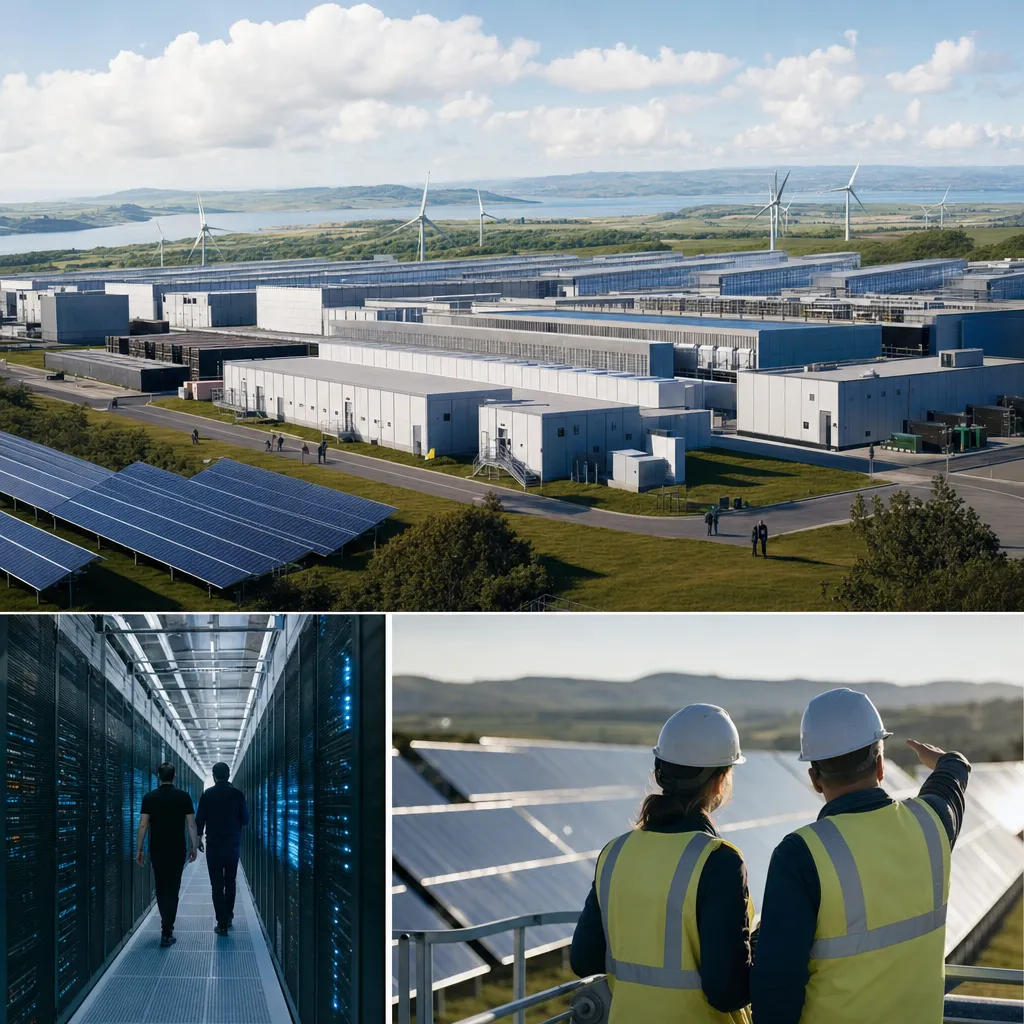
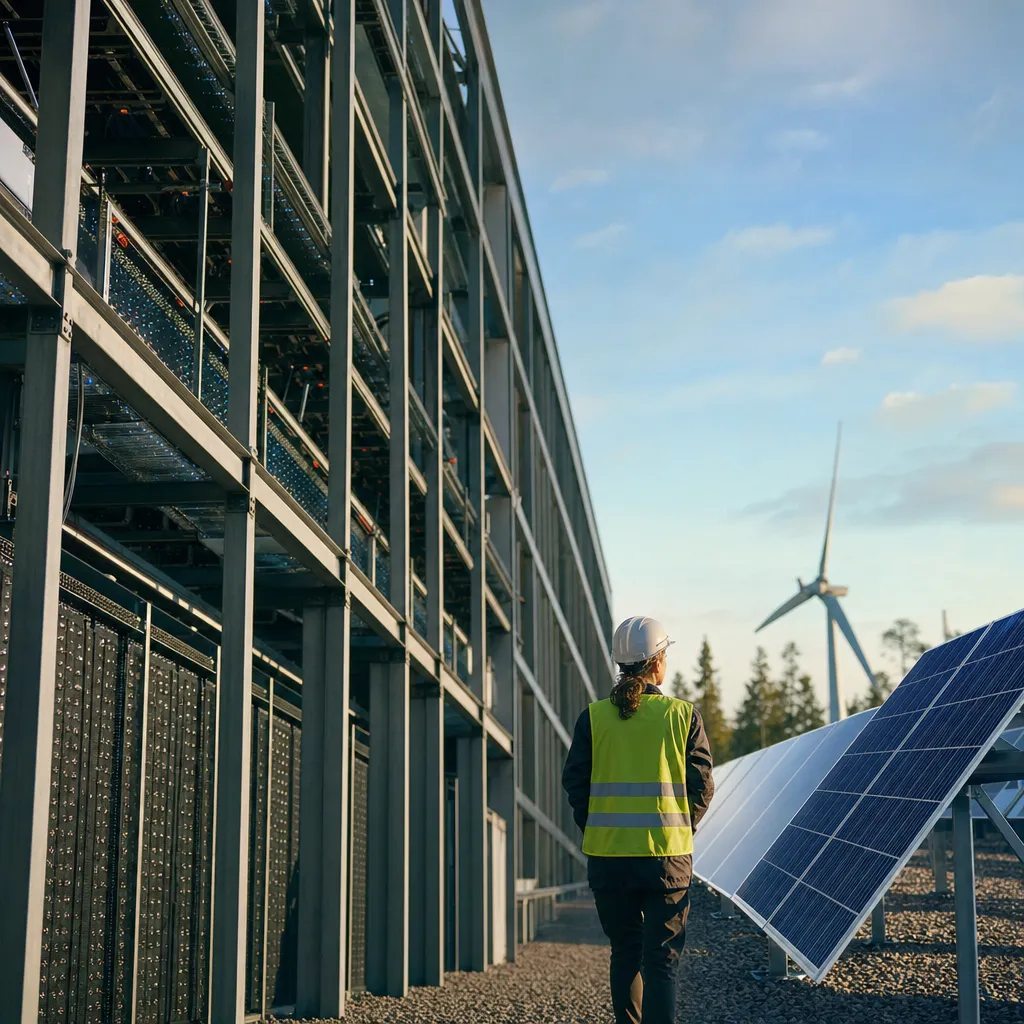
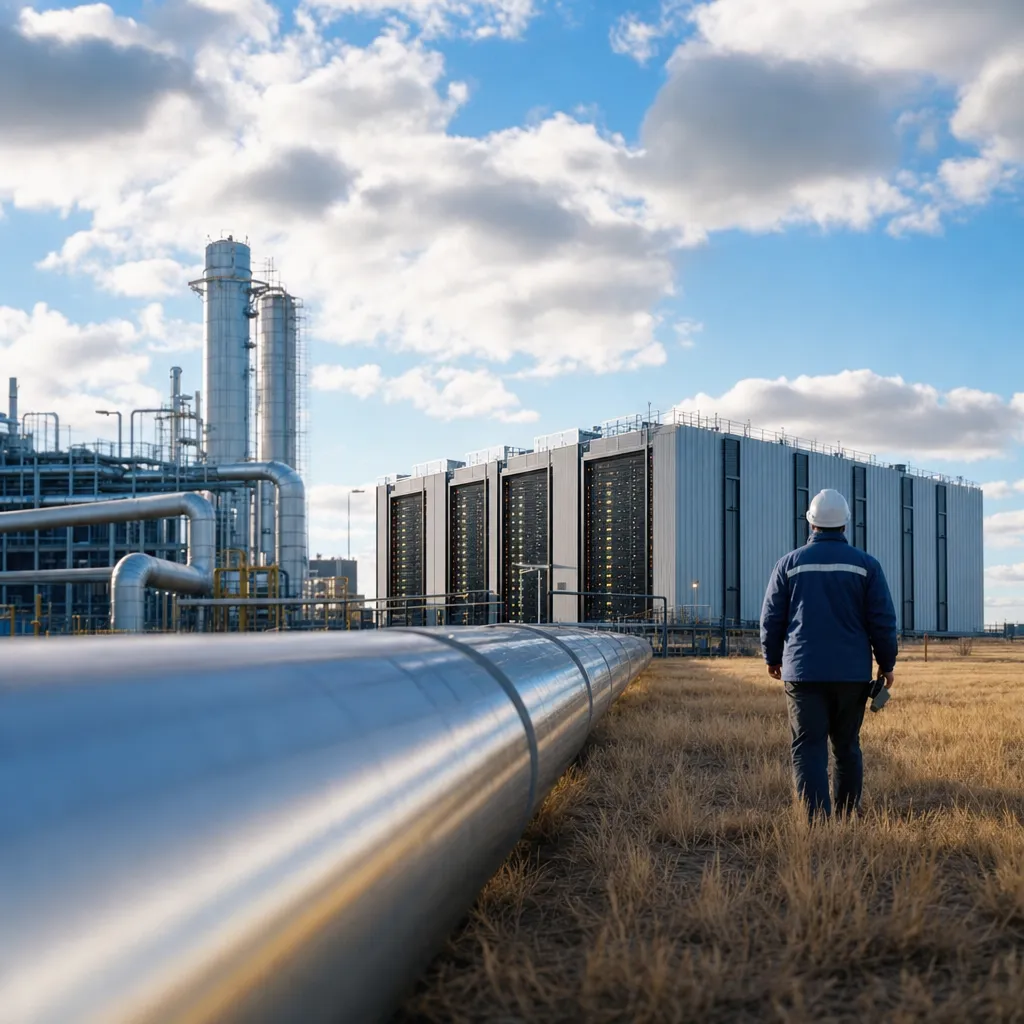
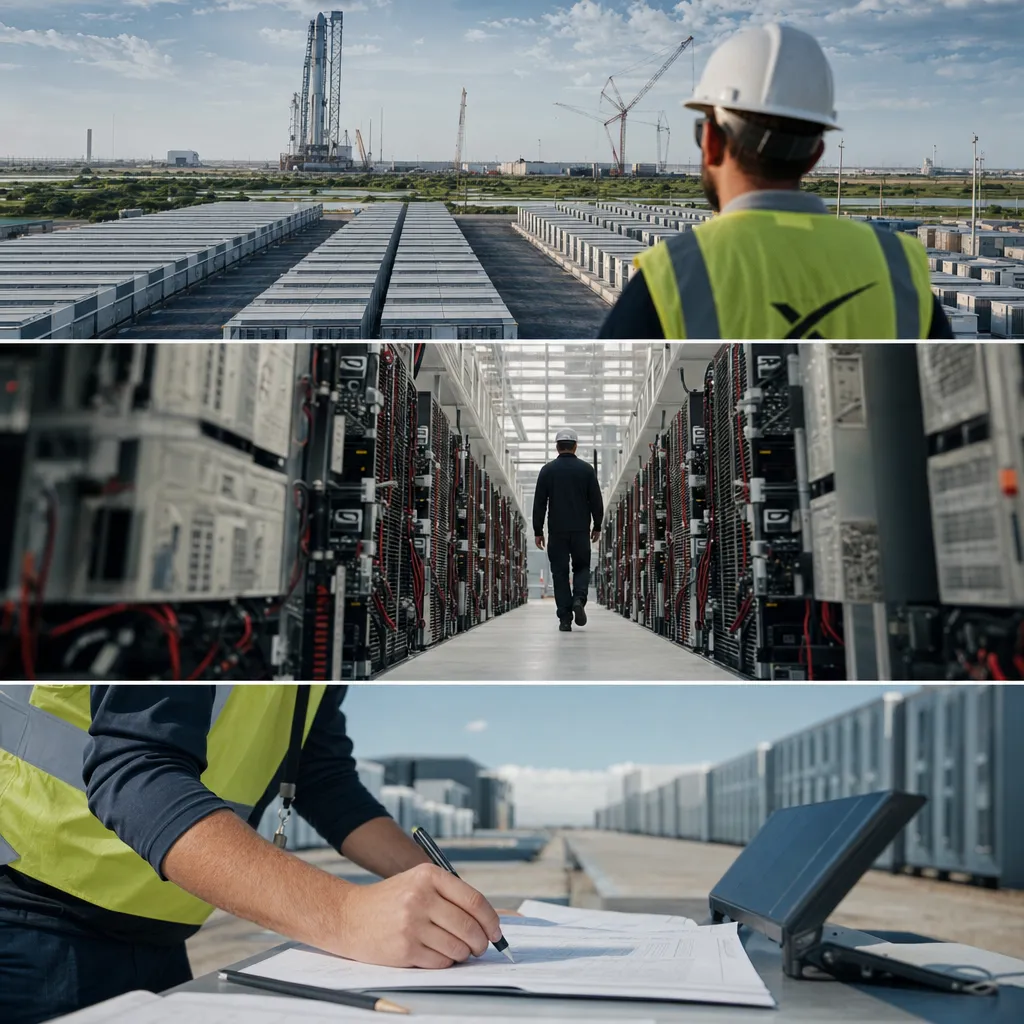
Nokia, Nscale, Skeleton Technologies, Telia, and Verda formed the AI Gigafactory Northern consortium to build EU-sovereign AI computing infrastructure across the Nordic and Baltic region, running on renewable energy and keeping data within European borders.
Nokia, Telia and Partners Form European AI Gigafactory Consortium to Build Sovereign Green AI Infrastructure
By Hector Herrera | November 17, 2026 | Energy
Five European technology companies — Nokia, Nscale, Skeleton Technologies, Telia, and Verda — announced the formation of AI Gigafactory Northern (AIGF Northern) on November 16, a consortium to build distributed AI computing infrastructure across the Nordic and Baltic region running on renewable energy and keeping data within European borders. The initiative, announced via GlobeNewswire, directly addresses two of Europe's most persistent AI anxieties: data sovereignty and the carbon footprint of AI compute.
The Problem AIGF Northern Is Solving
European AI infrastructure faces structural disadvantages compared to U.S. and Chinese hyperscalers. Those disadvantages compound in two directions.
The data sovereignty problem: EU law — GDPR, the AI Act, sector-specific regulations in finance and healthcare — creates real constraints on where European data can be processed. Using U.S. hyperscaler infrastructure means data may be routed through or stored in U.S. jurisdictions, creating legal exposure. The practical result: European enterprises with sensitive data face a choice between AI access and regulatory compliance. Many have chosen reduced AI capability to stay compliant.
The energy problem: AI compute is power-intensive. A single large-scale GPU cluster can consume as much electricity as a small city. European companies with net-zero commitments are caught between AI competitive pressure and carbon accounting: buying compute from U.S. hyperscalers powered by mixed-source U.S. grids doesn't sit easily in a European sustainability report. The Nordic and Baltic region has a structural advantage here — the area has abundant, cheap hydropower and wind capacity, with significant surplus generation that isn't matched to industrial demand.
AIGF Northern is designed to solve both problems simultaneously.
What the Consortium Is Building
The five partners bring complementary capabilities:
Get this in your inbox.
Daily AI intelligence. Free. No spam.
- Nokia — network infrastructure and software, including AI-RAN and edge computing architecture
- Nscale — high-density AI cloud infrastructure and data center operations
- Skeleton Technologies — high-power ultracapacitor and energy storage technology for handling the spiky power demand of AI training workloads
- Telia — Northern Europe's largest telecom operator, providing connectivity and existing enterprise relationships across the region
- Verda — renewable energy procurement and power purchase agreement expertise
The architecture is federated and multi-site: rather than a single mega-data center, AIGF Northern will operate across multiple facilities in the Nordic and Baltic region, connected by high-speed fiber. This design keeps compute geographically distributed — reducing single-point failure risk — while enabling workloads to route to whichever facility has surplus renewable power available at a given moment.
Sovereign data guarantee: All data processed on AIGF Northern infrastructure stays within European Union borders. For regulated industries, that eliminates the core legal risk of cloud AI adoption.
Why Nordic Energy Is the Right Foundation
The Nordic and Baltic region generates more electricity than it currently uses, particularly from hydropower in Norway and Sweden and wind in Denmark and the Baltic states. That surplus creates a structural opportunity: route AI compute workloads to regions where renewable electricity would otherwise be curtailed, turning waste power into useful compute.
Skeleton Technologies' energy storage technology addresses one of the challenges in this model: AI training workloads draw power in intense, variable bursts that can destabilize grid connections. High-power ultracapacitors can absorb and release power faster than traditional batteries, smoothing the demand profile and enabling more stable integration with renewable generation.
For European enterprises, the pitch is clear: AI compute that is cheaper than U.S. hyperscalers (Nordic renewable energy prices are among the lowest in the world), faster on latency for European users, legally compliant with EU data rules, and genuinely low-carbon.
The Competitive Context
AIGF Northern enters a market where the European alternative AI infrastructure conversation has been dominated by announcements that were long on ambition and short on specifics. The EU's own strategic AI initiatives — the European AI Office, Horizon Europe research funding — have not produced competitive hyperscale compute capacity. Several previous European "sovereign cloud" initiatives stalled at the pilot stage.
What's different here is the combination of real operational partners (Telia runs live European networks; Nscale already operates AI infrastructure; Nokia supplies production network equipment) with a renewable energy anchor that solves both the carbon and cost equation.
Whether AIGF Northern reaches genuine hyperscale — competing with AWS, Azure, and Google Cloud for European enterprise AI workloads — depends on funding, timeline, and whether European governments become anchor customers. The EU's AI Act compliance requirements create natural demand for EU-sovereign compute, but converting that regulatory pressure into actual procurement decisions takes time.
What to Watch
Whether EU institutions, national defense agencies, or regulated-sector enterprises (banking, healthcare, energy utilities) sign early anchor agreements that give AIGF Northern the committed revenue to build at scale. Also watch whether the European Commission designates sovereign AI infrastructure as a strategic priority in its next industrial policy cycle — that designation would unlock EU funding mechanisms and accelerate private co-investment. The Nordic renewable energy angle is genuine, but the consortium's credibility will be tested by its first announced deployment timeline.
Did this help you understand AI better?
Your feedback helps us write more useful content.
Get tomorrow's AI briefing
Join readers who start their day with NexChron. Free, daily, no spam.