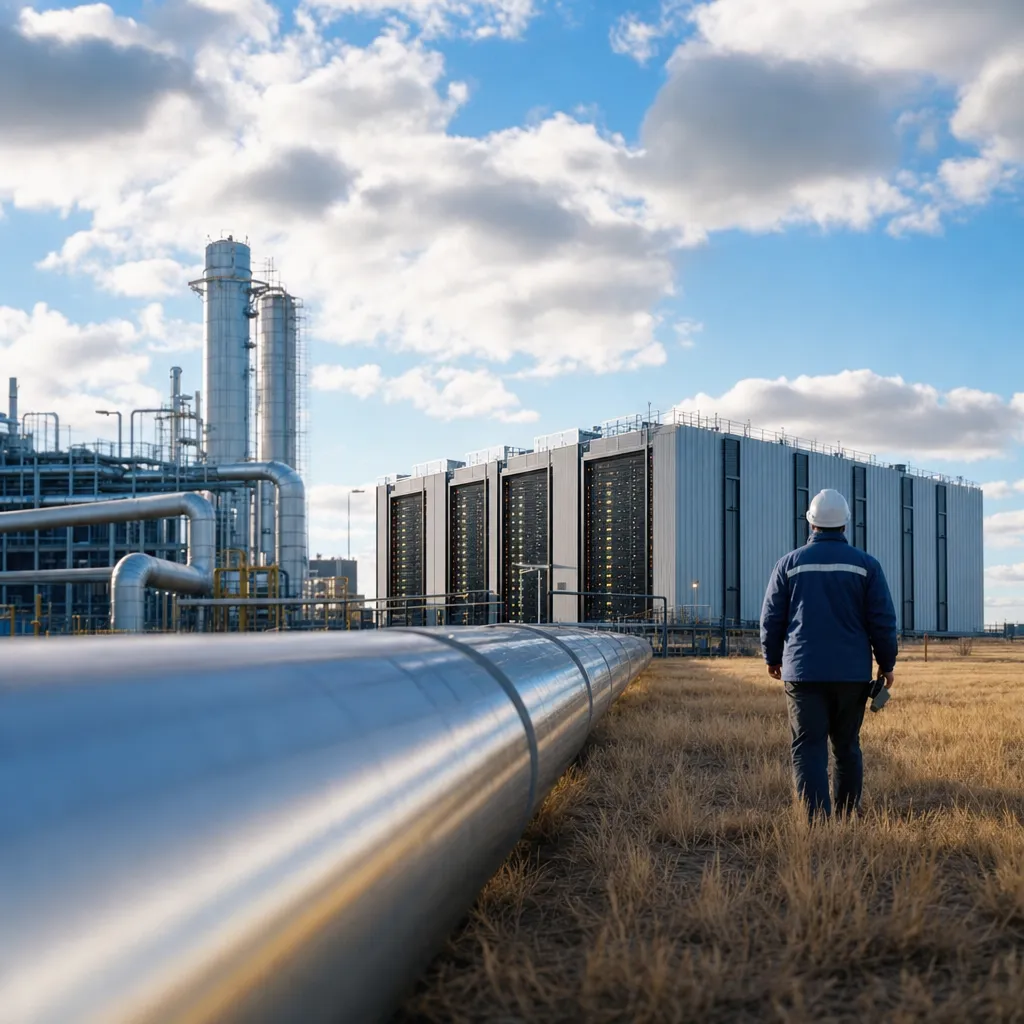
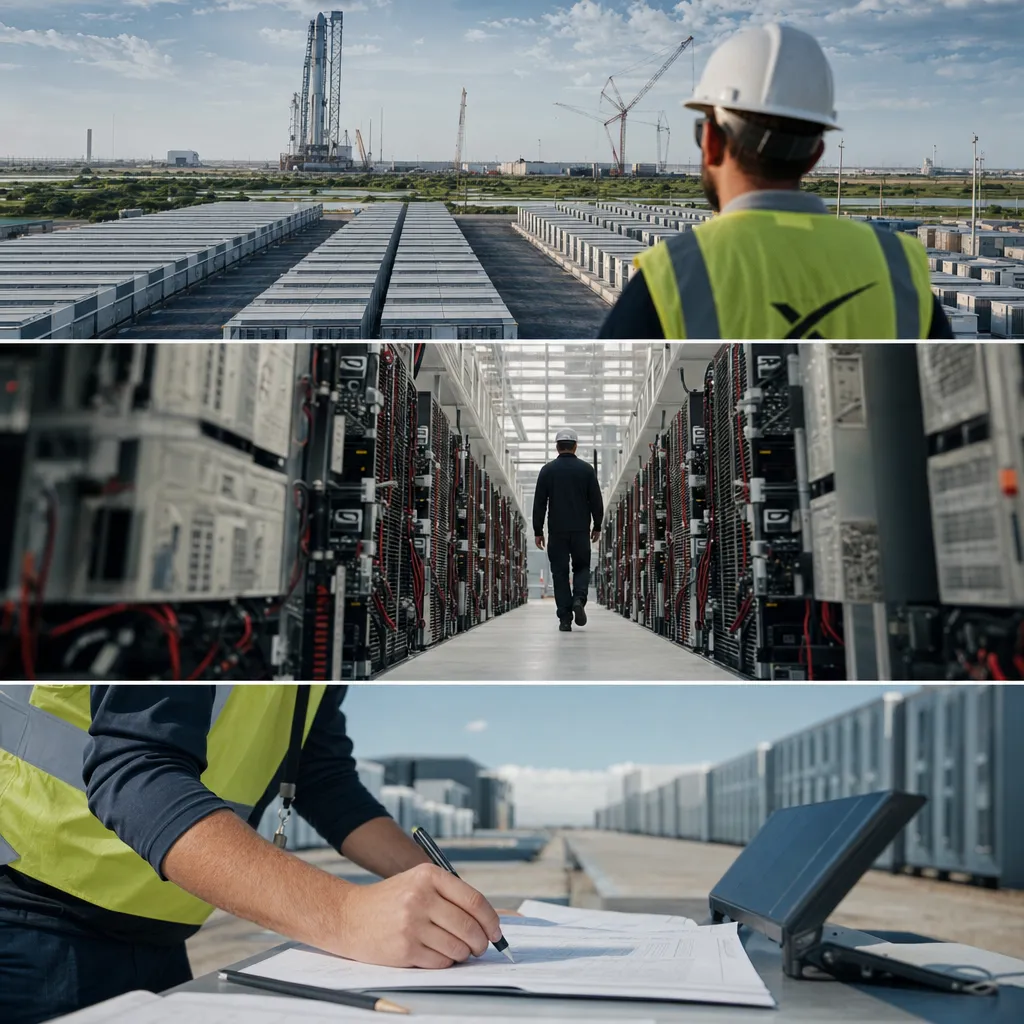
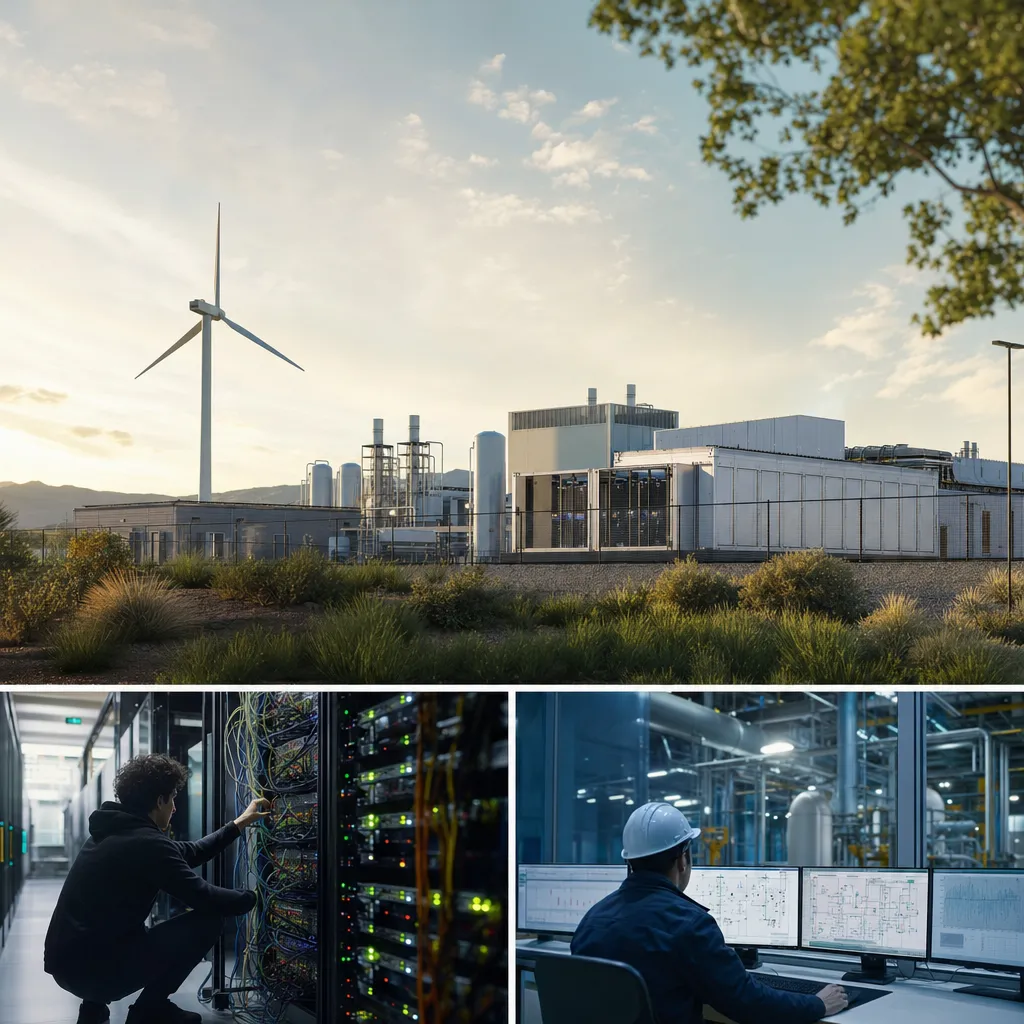
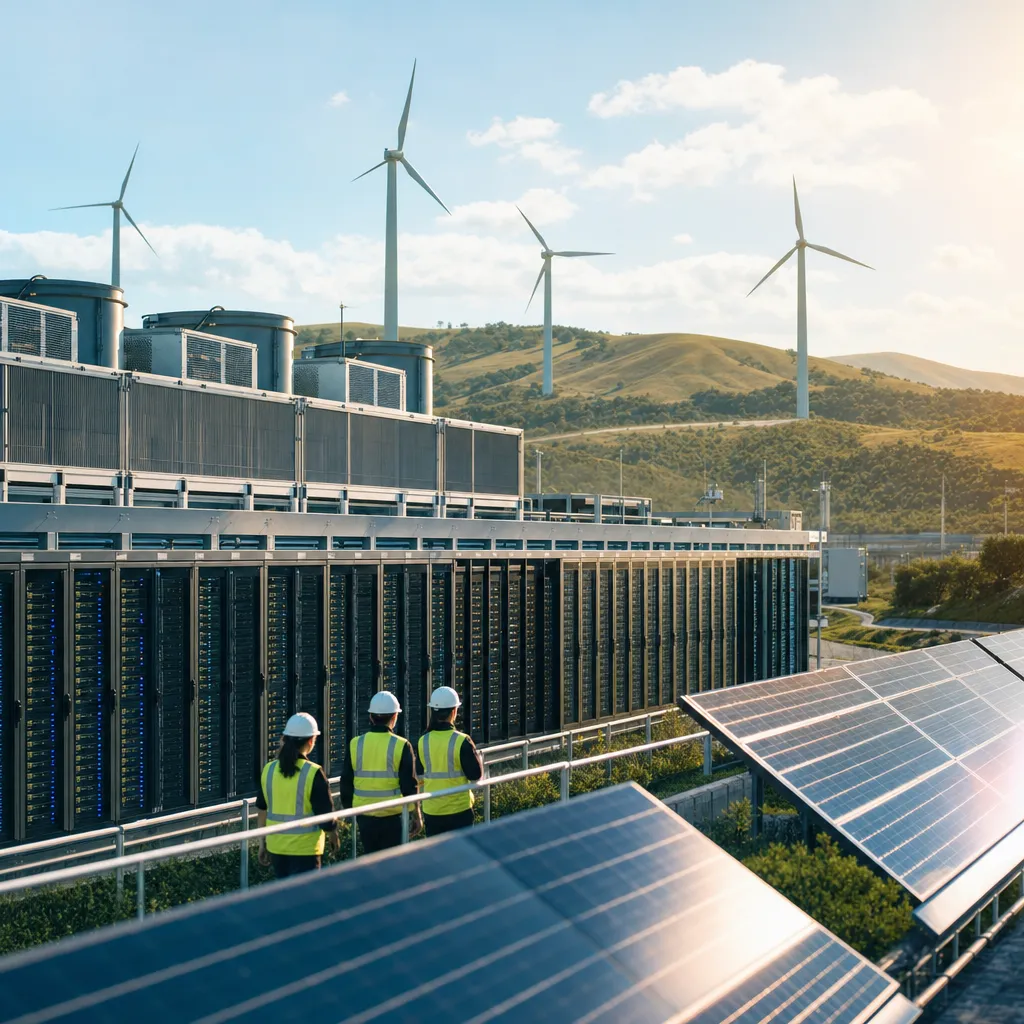
GridAI Technologies is acquiring Wyoming natural gas company Pronghorn Resources to build a dedicated multi-gigawatt AI power platform — bypassing the multi-year grid interconnection queue by owning the fuel supply itself.
GridAI Technologies has signed a definitive agreement to acquire Pronghorn Resources, a Wyoming-based natural gas company, in a move to build a dedicated AI power infrastructure platform capable of delivering multiple gigawatts by 2027. Per GlobeNewswire, the deal makes GridAI one of the first AI infrastructure companies to vertically integrate its own fuel supply rather than compete for grid capacity.
The strategy is a direct response to the hardest constraint in AI infrastructure right now — not compute, not capital, but power.
The Grid Cannot Keep Up
Large AI training clusters require stable, massive power delivery. A single state-of-the-art GPU cluster at scale can consume 100 megawatts or more. The US power grid, designed for gradual demand growth, is struggling to process hyperscaler and AI lab requests for gigawatt-class interconnections.
The result is a queue. Major utilities report AI-related grid interconnection requests that would take 5 to 10 years to fully process under current infrastructure development timelines. For companies that need power in 2026 or 2027, waiting in line is not an option.
GridAI's Answer: Own the Fuel
Rather than waiting for grid interconnection or competing on the open power market, GridAI is acquiring the natural gas reserves and generation assets that produce electricity.
By owning Pronghorn Resources, GridAI controls:
Get this in your inbox.
Daily AI intelligence. Free. No spam.
- The fuel supply that generates electricity
- The siting and permitting of on-site generation infrastructure
- The dedicated delivery of power to co-located AI data center tenants
Wyoming offers specific advantages for this approach: substantial natural gas reserves, favorable siting regulations, lower land costs than coastal markets, and a state government that has actively courted energy and technology investment. The company targets initial power delivery in 2027 — an aggressive timeline that bypasses the multi-year grid interconnection queue entirely.
Vertical Integration as Competitive Advantage
GridAI is not the first to pursue this logic. Anthropic disclosed earlier this week an investment in natural gas generation capacity for its data centers. Major hyperscalers have been forming dedicated power partnerships with utilities outside traditional interconnection processes. The common thread: AI infrastructure timelines are too compressed for conventional power development.
Building a training cluster takes 12 to 18 months. Waiting for utility-managed grid capacity takes 5 to 7 years. The only way to close that gap is to bring generation inside the fence.
By owning both the gas and the generation, GridAI can make firm, long-term power commitments to AI tenants — data center operators and model training organizations — rather than hedging on third-party utility availability. That certainty commands a premium in a market where power scarcity has become a first-order constraint on AI development.
The Carbon Tradeoff
The tradeoffs are real. On-site natural gas generation carries direct carbon emissions that utilities building renewable capacity avoid. For AI companies with stated sustainability commitments — and there are many — vertical integration with fossil fuel supply creates reputational tension.
Watch whether GridAI discloses emissions targets or carbon offset commitments alongside the power platform announcement. The absence of such disclosures will draw scrutiny from AI sustainability advocates already tracking the sector's carbon footprint.
What This Means for the AI Energy Landscape
If GridAI successfully delivers multi-gigawatt capacity on a 2027 timeline, three things follow:
- Wyoming establishes itself as a significant node in the AI energy supply chain — joining Texas, Virginia, and Arizona as major AI infrastructure geographies
- The vertical integration model is validated, pressuring hyperscalers to accelerate their own upstream energy acquisition strategies
- AI companies currently constrained by power availability have a template to follow: rather than waiting in line, acquire your way upstream
What to Watch
Whether GridAI lands binding power purchase agreements with named AI tenants by Q1 2027 is the key signal. A deal with a major model training organization — an OpenAI, Anthropic, or Google DeepMind — would confirm that dedicated AI power infrastructure has moved from concept to commercial product and is worth the construction and regulatory complexity it involves.
Did this help you understand AI better?
Your feedback helps us write more useful content.
Get tomorrow's AI briefing
Join readers who start their day with NexChron. Free, daily, no spam.