New research argues that physics-informed AI—models constrained by actual power system laws—outperforms standard neural networks for electricity grid planning as data-center demand and climate volatility push grids beyond historical data ranges.
Physics-Informed AI Could Outperform Generic Machine Learning for Electricity Grid Planning
By Hector Herrera | September 14, 2026
Generic machine learning models are not the best tool for planning electricity grids—and as data-center demand prepares to double by 2030, that limitation is becoming operationally significant. New research covered by TechXplore makes the case that physics-informed AI—models that embed the actual laws of power systems into their architecture, not just historical data—outperforms standard neural networks precisely when grid conditions depart from historical norms. That departure is no longer a hypothetical. It is the operating environment of 2026 and beyond.
The Technical Difference
Standard machine learning applied to electricity grids treats the power system as a statistical black box. Feed the model historical load data, weather inputs, and generator dispatch records, and it learns patterns. The predictions can be sophisticated and often accurate in stable conditions.
Physics-informed AI—also called domain-informed AI—takes a structurally different approach. The model is constrained to respect the underlying physics of the system: thermodynamic laws, Kirchhoff's current and voltage laws, and the power flow equations that govern how electricity actually moves across a transmission network. These constraints are embedded in the model architecture, not learned from data.
The practical consequence is significant. A black-box ML model can produce predictions that are statistically coherent but physically impossible—a dispatch recommendation that would violate a transmission line's thermal limit, or a curtailment call that ignores reactive power constraints. A physics-constrained model cannot make those errors because the constraints are part of its structure.
In routine, historically precedented conditions, the difference in accuracy may be modest. In high-stress scenarios—extreme heat events, unexpected demand spikes, cascading renewable intermittency—the physics-constrained model maintains reliability under conditions the black-box model has never seen in training data.
Why 2026 Is the Inflection Point
The research arrives as two pressure curves are converging on electricity grids simultaneously, producing operating conditions that fall outside historical training data ranges.
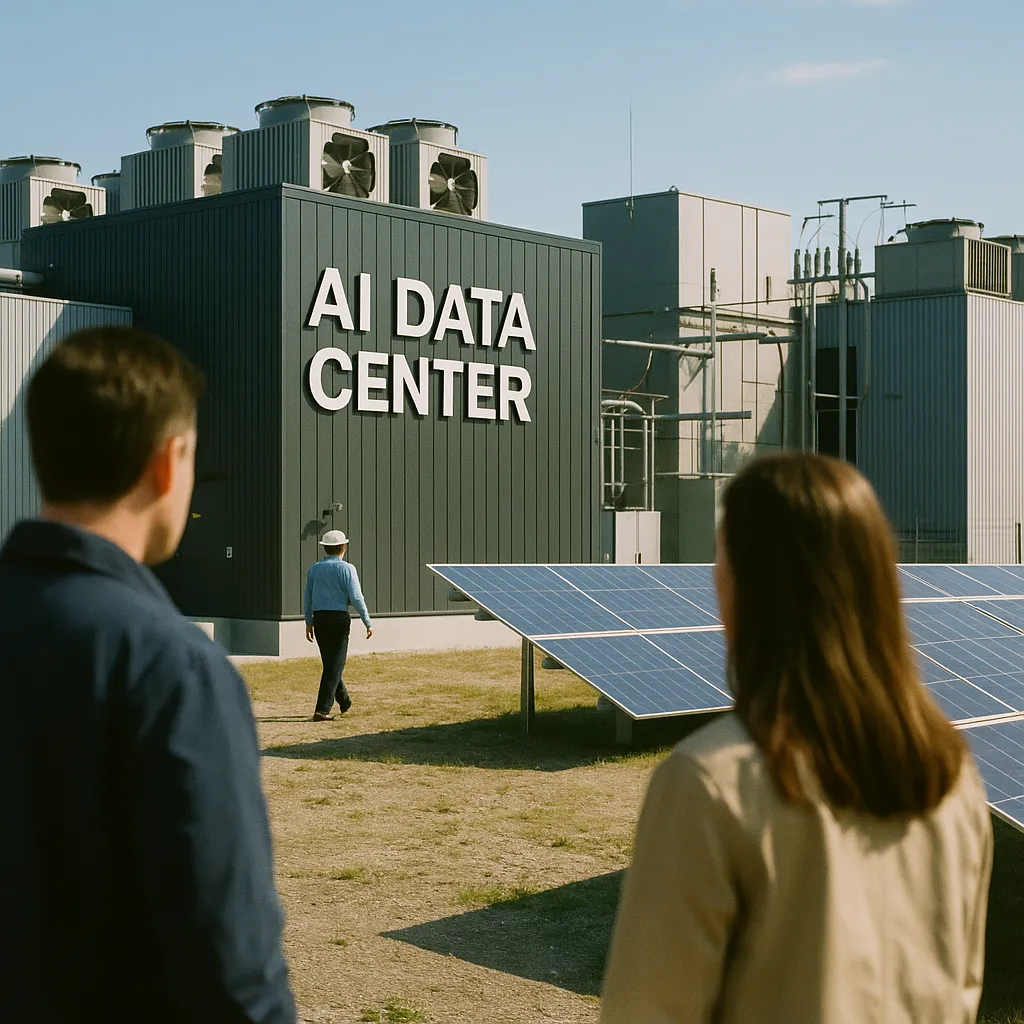
Data-center demand. Global data-center electricity consumption is projected to more than double by 2030. In the U.S., data centers could account for nearly half of domestic demand growth over that period. Grid operators are managing load ramp rates they have not historically encountered, particularly in regions with concentrated AI compute infrastructure—northern Virginia, Phoenix, the Dallas-Fort Worth corridor.
Get this in your inbox.
Daily AI intelligence. Free. No spam.
Climate volatility. Extreme weather events are producing grid stress conditions that exceed historical data ranges. The 2024 Southwest heat dome, the 2025 ERCOT demand spike, and the 2026 Pacific Northwest grid emergency all pushed system conditions into territory where models trained on historical data performed poorly. Physics-constrained models degrade more gracefully under novel conditions because the physical laws constraining their outputs do not change with the climate.
The combination means grid planners are making multi-decade capital decisions about transmission infrastructure and generation interconnection under unprecedented uncertainty—and the modeling tools they use to make those decisions matter more than they did a decade ago.
Renewable Curtailment: The Near-Term Application
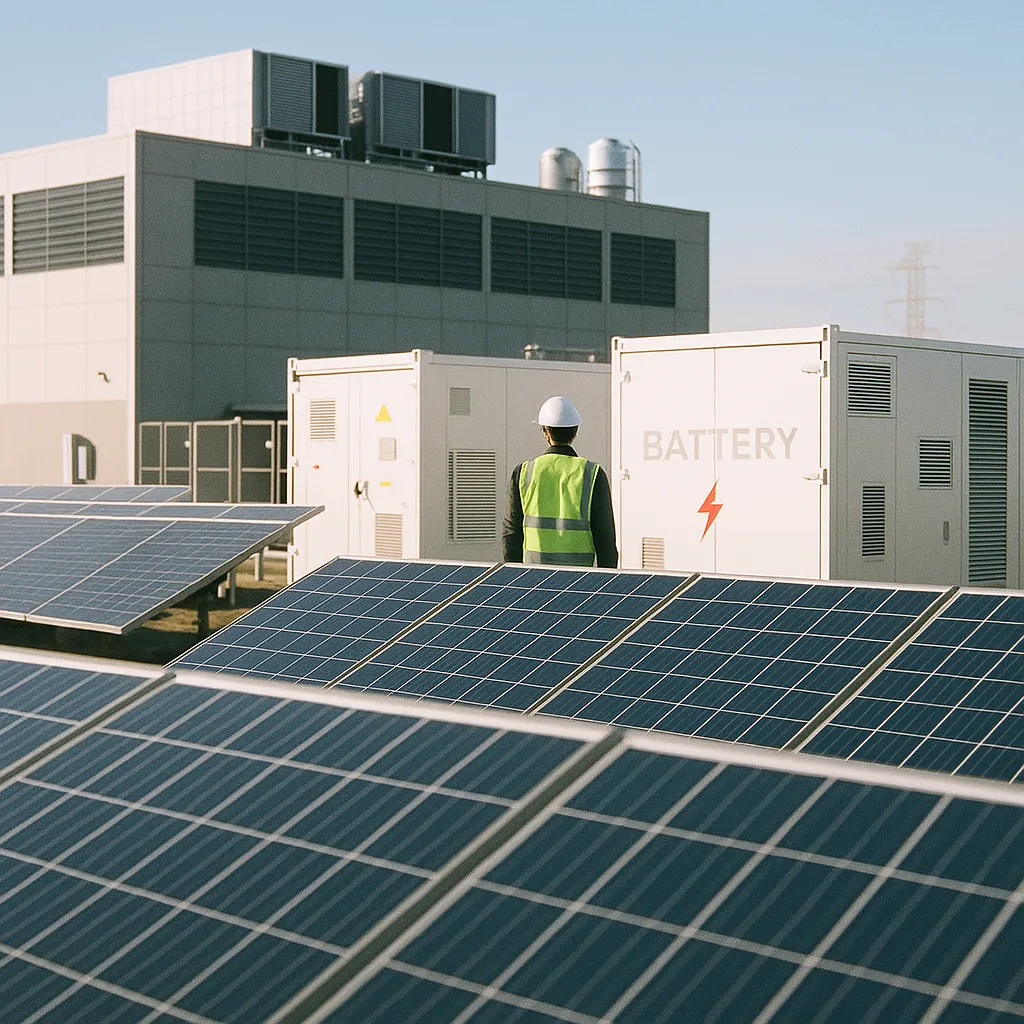
The most economically significant near-term application is reducing renewable curtailment. Curtailment—when available solar or wind generation is reduced or eliminated because the grid cannot safely absorb it—costs the U.S. system billions of dollars annually in stranded clean generation. It is also increasingly difficult to justify politically as clean energy investment scales.
Physics-constrained models can improve curtailment forecasting and real-time dispatch optimization by generating recommendations that respect actual grid constraints rather than statistically approximated ones. The improvement matters most at the margin, in scenarios where a dispatcher is choosing between curtailment and a transmission configuration that carries risk.
At grid scale, even modest curtailment reduction—a few percentage points across a large balancing authority—translates to substantial revenue recovery for renewable developers and capacity credit for utilities.
From Research to Commercial Tools
The current challenge is speed of translation. The research establishing the superiority of physics-informed methods for power systems has been building in academic literature for several years. The question is how quickly grid software vendors and ISOs (independent system operators) incorporate these methods into commercial planning tools.
The barriers are not primarily technical. They are organizational: grid operators run conservative procurement cycles, software vendors face long certification timelines, and utility commissions move slowly on model validation requirements. The gap between what the research says is possible and what is actually running in control rooms is typically five to ten years.
Federal funding can compress that timeline. The Department of Energy's Grid Modernization Initiative and ARPA-E programs have increasingly targeted AI-for-grids research, and DOE has signaled interest in physics-informed approaches for transmission planning. Procurement language that favors validated physics-constrained models in interconnection study submissions would accelerate commercial adoption.
What to Watch
Watch for ISOs—PJM, MISO, CAISO, SPP—to begin requiring or preferring physics-informed validation in third-party interconnection and planning models. The FERC Order 2023 interconnection reform process gives grid operators more latitude to specify technical requirements for study models, and physics-informed AI fits within that framing.
Also watch DOE grid modernization grant cycles through late 2026 and 2027 for explicit preference language favoring domain-constrained approaches over black-box neural networks. If federal grants start requiring physics-informed methods, commercial tool vendors will respond within 18 to 24 months.
Sources: TechXplore — Domain-informed AI for electricity grids under climate and demand stress
Did this help you understand AI better?
Your feedback helps us write more useful content.
Get tomorrow's AI briefing
Join readers who start their day with NexChron. Free, daily, no spam.