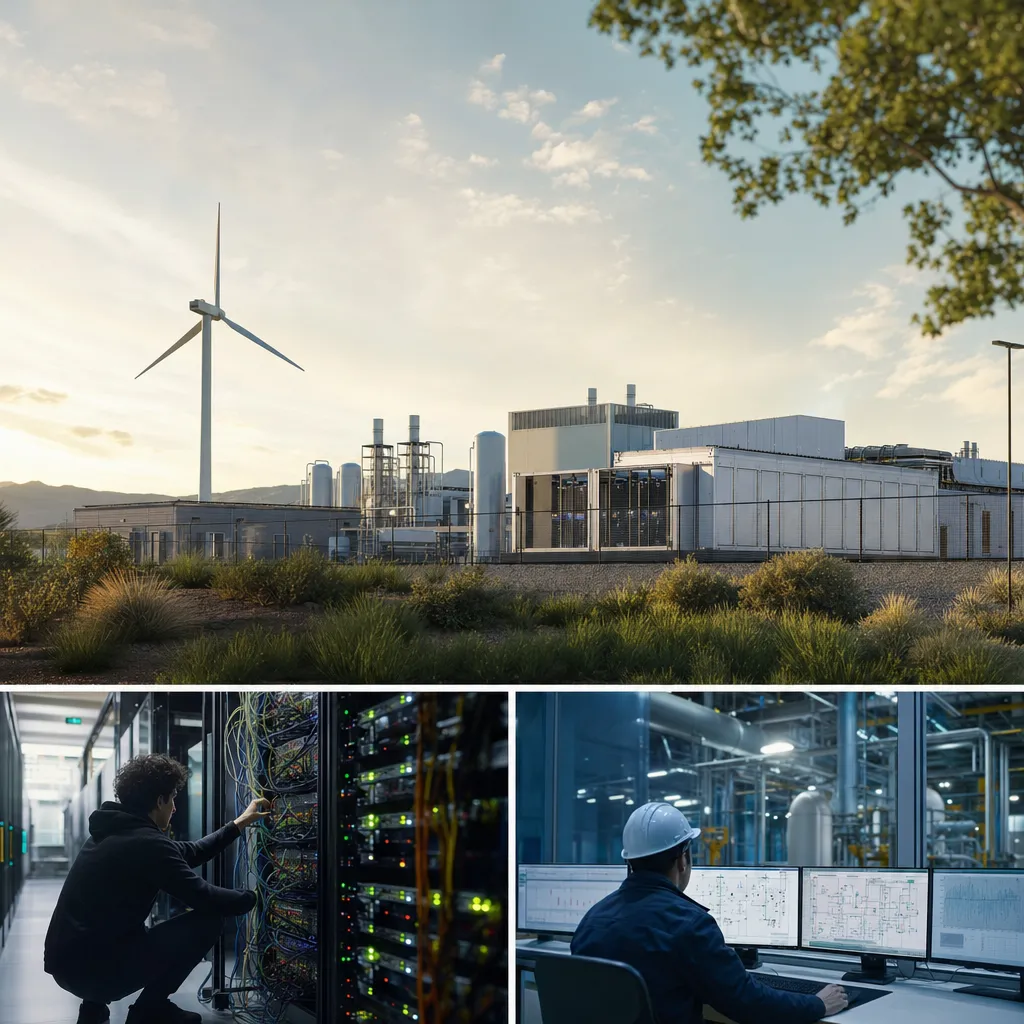
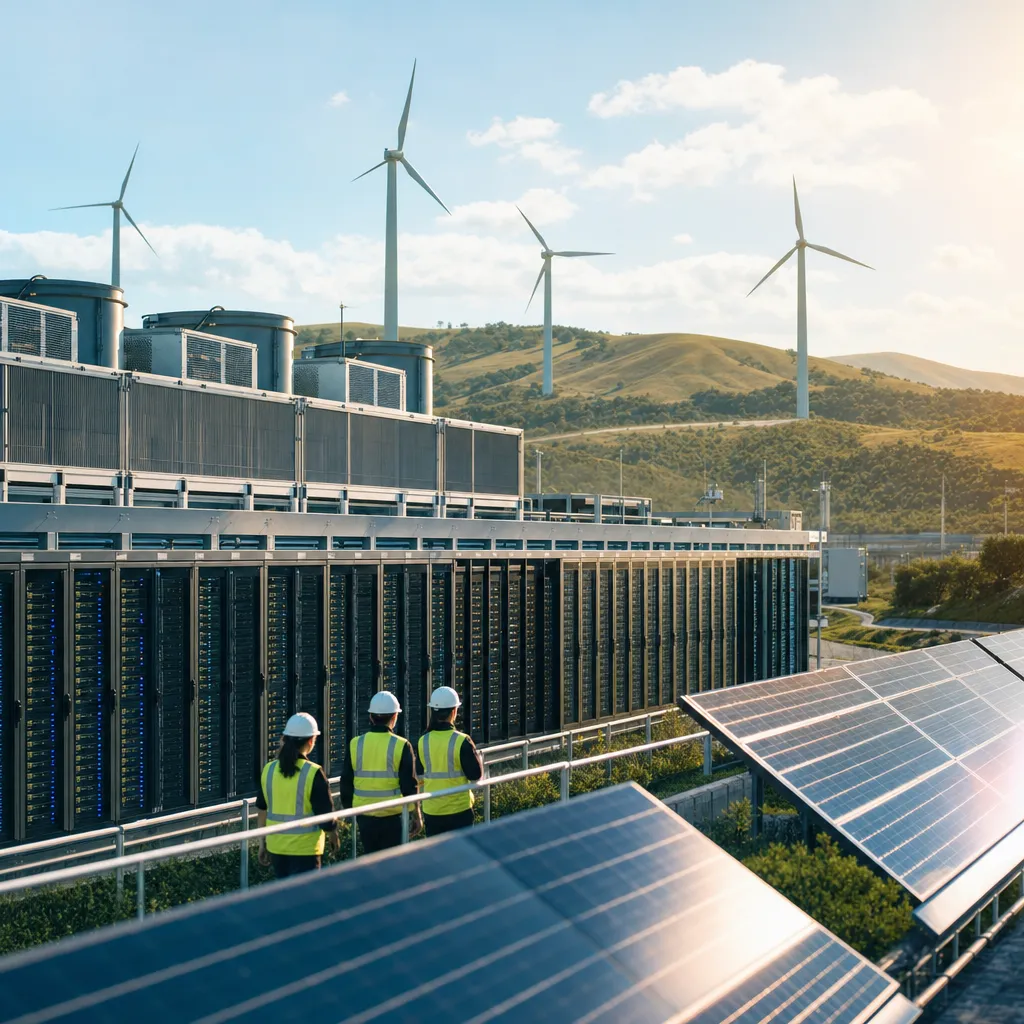
FuelCell Energy will host the first DOE-backed testbed for AI data center power systems at its Connecticut facility, treating AI computing's unprecedented electricity demands as an engineering research problem rather than a procurement one.
FuelCell Energy will host the first federally backed testbed for AI data center power systems at its Connecticut manufacturing facility, a Department of Energy project that treats AI computing's unprecedented electricity demands as an engineering research problem rather than a procurement one.
The mismatch between AI infrastructure's power needs and existing grid architecture has become one of the defining constraints of the AI industry in 2026. Data centers running large-scale AI training and inference workloads draw power with a variability and density that conventional grid interconnection rules and utility contracts were not designed to handle. Most large technology companies have responded by signing long-term power purchase agreements with renewable or nuclear generators. FuelCell Energy and the DOE are approaching the problem from a different angle: building and validating the power system architectures that might actually solve it.
What the testbed will do
GlobeNewsWire reports that the project, backed by the DOE's National Laboratory of the Rockies, will develop and validate integrated power system architectures specifically designed for AI data center loads. The research focus is on the rapid power fluctuations that occur during AI training runs and inference bursts — load profiles that conventional generators and grid feeds handle poorly.
Get this in your inbox.
Daily AI intelligence. Free. No spam.
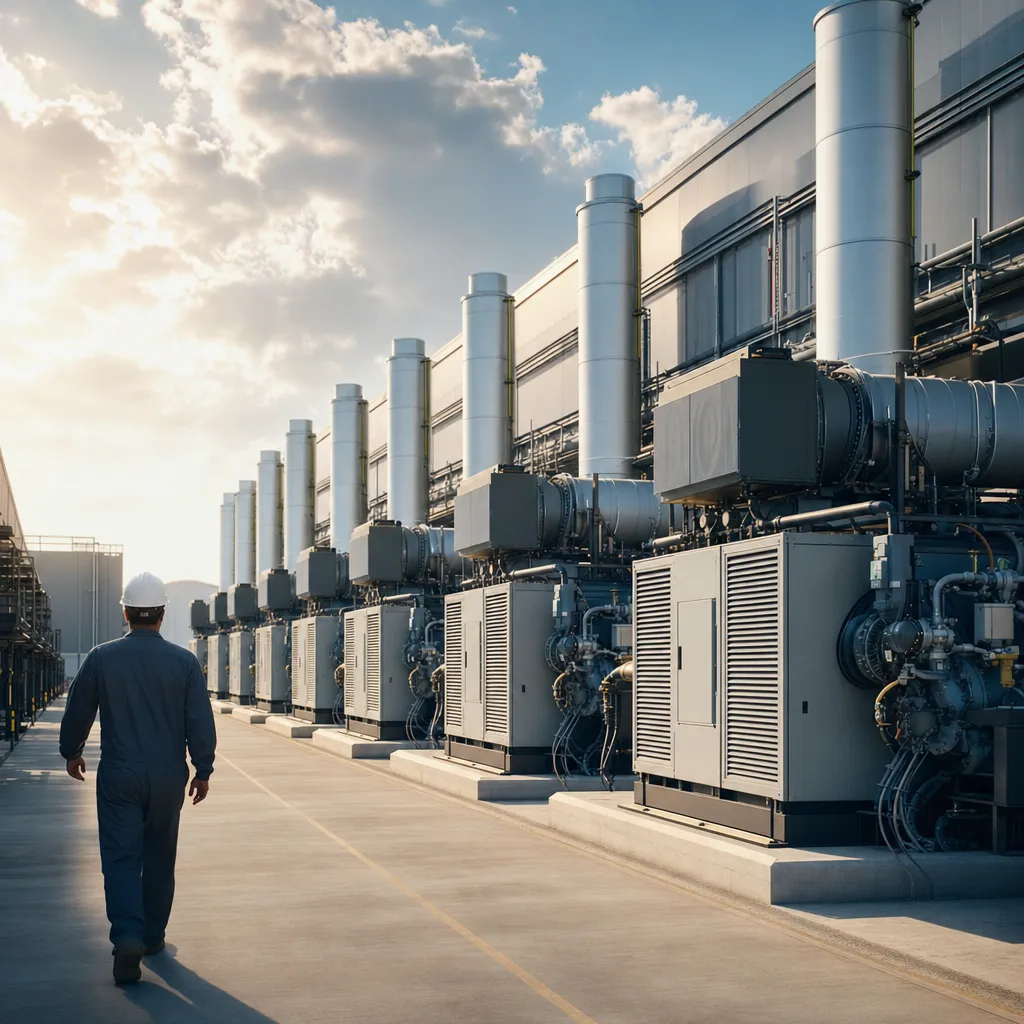
FuelCell Energy's solid oxide fuel cell technology is a natural fit for this research. Fuel cells deliver consistent, controllable power output that pairs with battery storage to handle demand spikes, a configuration potentially better suited to AI workloads than pure grid supply for certain deployment contexts. The Connecticut manufacturing facility gives the testbed access to the company's installed base of fuel cell hardware for real-world testing rather than purely simulated conditions.
Why federal research changes the landscape
Private technology companies have largely pursued AI power through procurement: signing deals with utilities, nuclear operators such as Constellation Energy, and large-scale renewable developers. That approach works for companies with the balance sheets to execute multibillion-dollar power agreements — it does not generate the technical knowledge base that smaller data center operators, regional AI infrastructure providers, or public institutions need.
A DOE-backed testbed is designed to produce publicly available architectural knowledge. If the program generates validated power system designs for AI data center loads, those specifications could be adopted broadly across the industry, lowering the technical barrier to building AI-capable data center infrastructure outside the handful of hyperscale campuses currently dominating AI compute.
The program is notably described as treating AI data center power as a grid-engineering research problem — not simply a question of which utility or generator to sign with. That framing matters: it means the research outputs are intended to inform design standards, not just FuelCell Energy's sales pipeline.
What to watch
FuelCell Energy has not released a timeline for initial results or a research publication schedule. The National Laboratory of the Rockies partnership implies formal research outputs are planned. Watch for DOE project documentation and any requests for proposals the lab issues for additional testbed participants — signals of whether the program expands beyond this initial Connecticut site, and whether validated architectures begin influencing how smaller AI data center operators plan their power systems.
Did this help you understand AI better?
Your feedback helps us write more useful content.
Get tomorrow's AI briefing
Join readers who start their day with NexChron. Free, daily, no spam.