Envision has commissioned the Galaxy Campus in Ulanqab — the world's largest single AI data center building, powered entirely by wind energy with capacity scaling beyond 2GW.
Envision has commissioned what it calls the world's largest single AI data center building — the Galaxy Campus in Ulanqab, Inner Mongolia — running entirely on renewable energy with capacity to scale beyond 2 gigawatts. The project sets a new benchmark for how to build AI infrastructure at scale without burning fossil fuels.
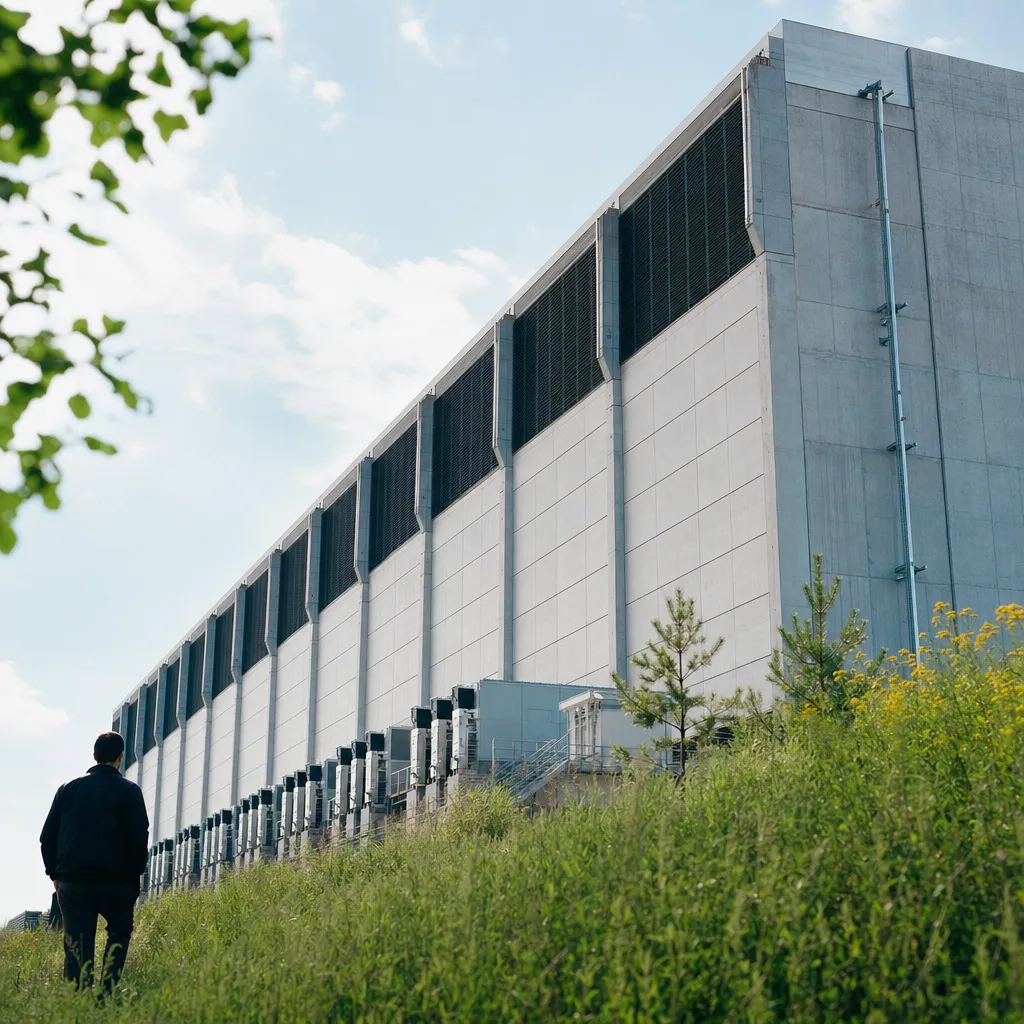
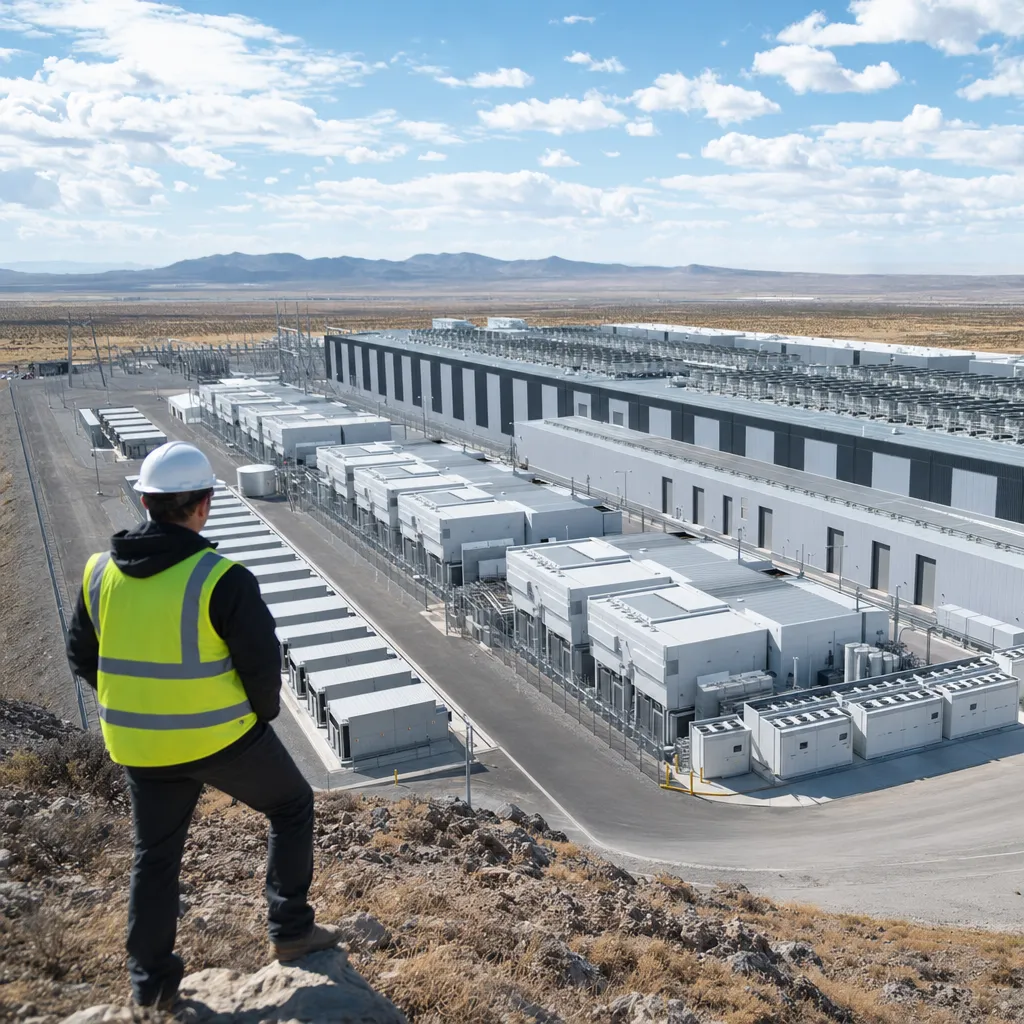
The facility sits in the Gobi Desert region, where Inner Mongolia's wind resources are among the strongest in China. The Galaxy Campus covers 120,000 square meters — roughly 17 football fields under one roof — and at full build-out will house one million AI accelerators delivering one million PFLOPS (petaflops per second) of computing power.
The numbers:
- 2GW+ total power capacity at full scale
- 120,000 square meters — the world's largest single AI data center building by footprint
- 1 million AI accelerators at full deployment
- 1 million PFLOPS of compute — equivalent to roughly 4,000 of today's high-end AI server racks
- 5GW total target for Envision's Mission Gobi initiative across desert sites by 2030
This is Envision's first flagship deployment under Mission Gobi, a broader program to build green AI infrastructure across China's desert interior. The company, best known as a wind turbine manufacturer and energy storage operator, is essentially vertically integrating — using its own renewable generation to power AI compute at a scale no one has attempted before.
Why This Scale Matters
Most hyperscale data centers today cap out at 100–300 megawatts. Amazon, Microsoft, and Google have announced individual campus projects in the 500MW to 1GW range, but those are multi-building complexes phased over years. A single building exceeding 2GW is architecturally and operationally in a different category.
Get this in your inbox.
Daily AI intelligence. Free. No spam.
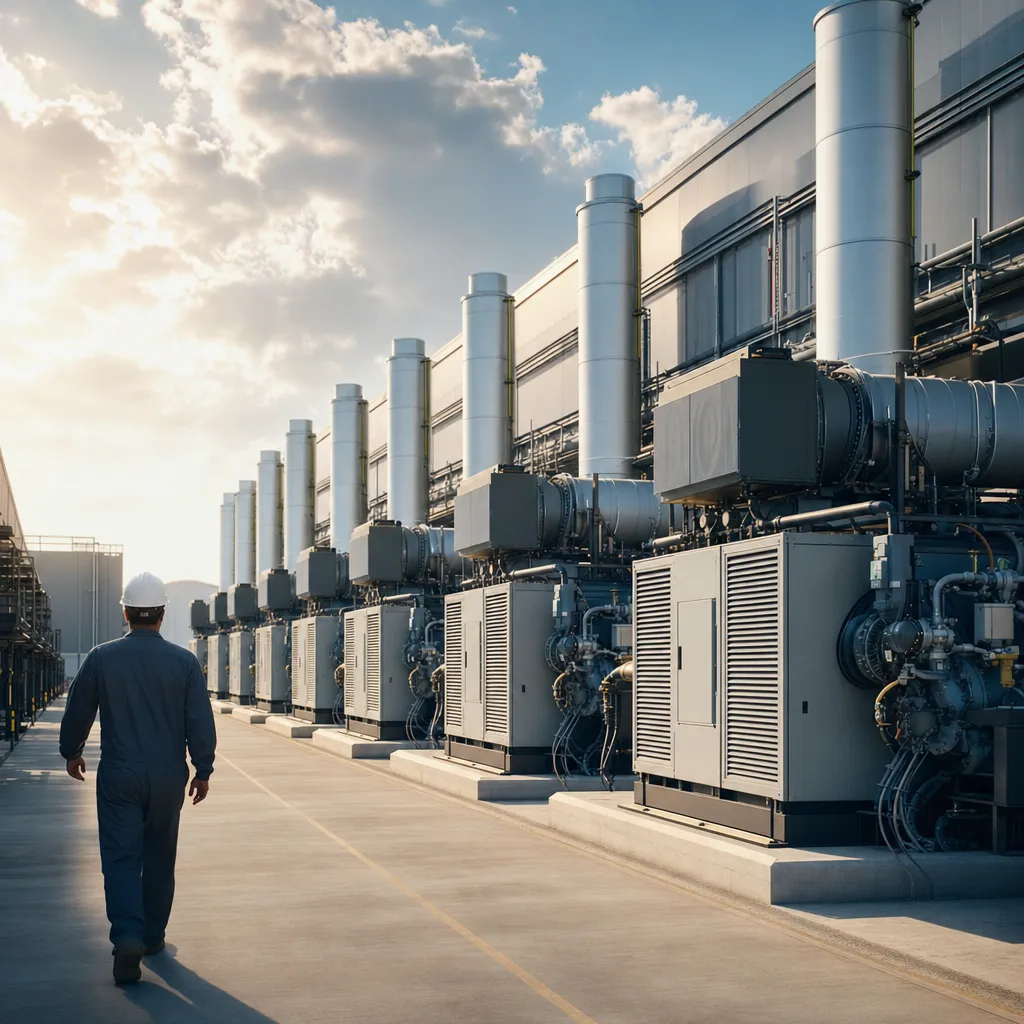
At that scale, power delivery, cooling, and redundancy become the engineering constraint — not the AI hardware itself. The choice of Inner Mongolia is deliberate: wind capacity factors in the region regularly exceed 40%, meaning the turbines run more than four hours out of every ten on average. That consistency matters for data centers, which cannot tolerate supply gaps the way residential grids can.
For operators and enterprise AI buyers, the significance is compute density combined with operating cost. AI training runs — the workloads that drive the largest demand spikes — become more economical when power is both abundant and cheap. A 2GW green-powered campus eliminates the carbon accounting problem that Western hyperscalers are increasingly facing from regulators and corporate customers.
What This Means for the Industry
Energy: This project demonstrates that purpose-built renewable-AI campuses are viable at gigawatt scale. The traditional model — build data centers near existing power grids, buy renewable energy credits to offset — is under pressure from grid operators who can no longer absorb the load. Envision's model moves the compute to where the power is, not the other way around.
Competition: Western cloud providers have announced large projects but have not yet commissioned a single building at this size. China's combination of cheap desert land, strong wind resources, and central coordination has enabled a build that would face years of permitting and grid negotiation in the US or Europe.
Sovereignty: China is explicitly building sovereign AI compute capacity at a moment when US export controls limit access to advanced chips. The Galaxy Campus represents a bet that domestic chip production — primarily from Huawei and Cambricon — will scale to fill a million-accelerator facility within the planning horizon.
What to Watch
Whether Mission Gobi's 5GW target by 2030 stays on schedule depends on two things: domestic accelerator supply chains and whether Chinese AI labs generate enough training demand to fill the capacity. Watch Envision's announcements for tenant commitments — if major Chinese AI developers pre-sign capacity, the build timeline accelerates.
By Hector Herrera | NexChron
Did this help you understand AI better?
Your feedback helps us write more useful content.
Get tomorrow's AI briefing
Join readers who start their day with NexChron. Free, daily, no spam.