IRENA endorsed the 2026 Antalya AI Pledge at COP31, requiring AI and hyperscale data centers to source power from zero- and low-emission sources as AI infrastructure demand grows 19% annually versus 2% grid growth.
COP31: IRENA Backs Global Pledge Requiring AI Data Centers to Run on Renewable Energy
By Hector Herrera | November 27, 2026 | Energy
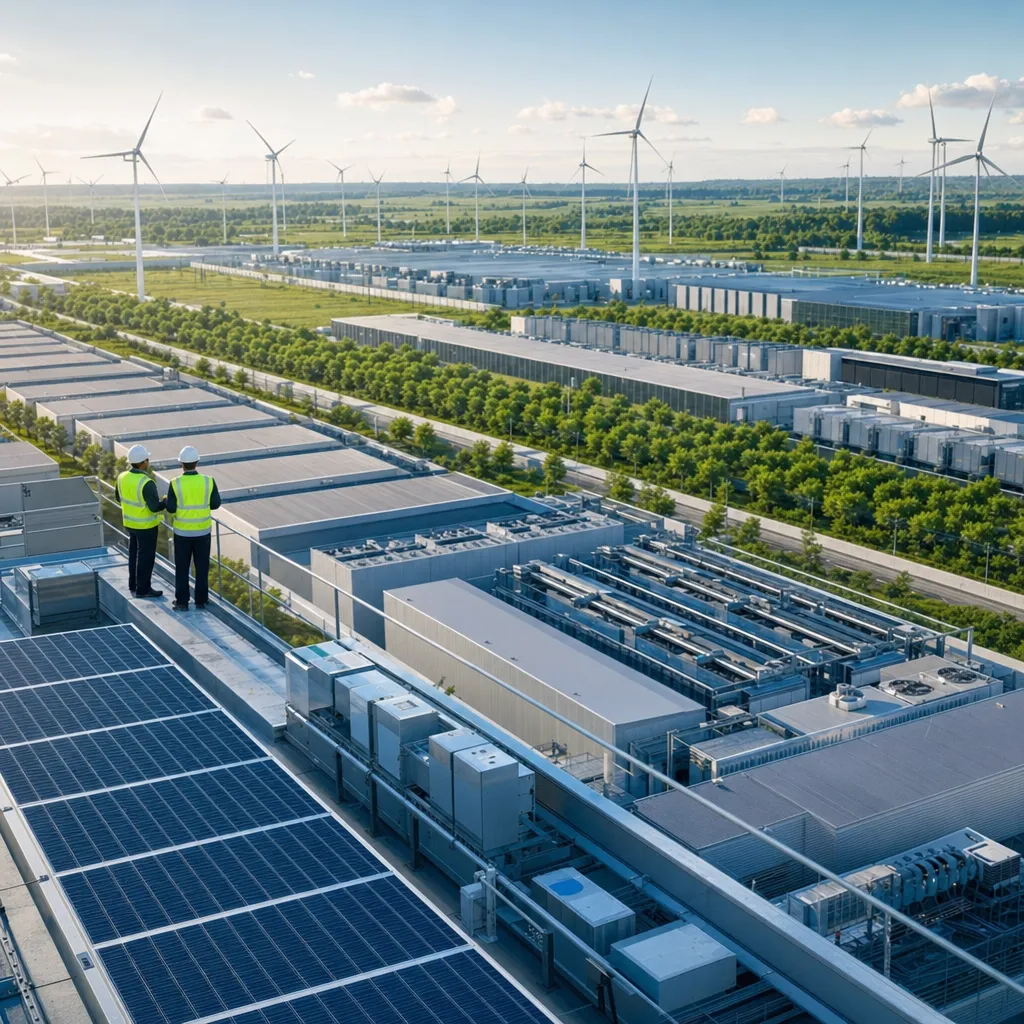
The world's largest clean-energy agency has formally backed a binding commitment requiring AI and hyperscale data centers to run on zero- and low-emission power sources. At COP31 in Antalya, Turkey, the International Renewable Energy Agency (IRENA) endorsed the 2026 Antalya AI Pledge, adding political weight to what has been, until now, a voluntary set of corporate net-zero commitments from major tech companies. The pledge targets both the companies building AI infrastructure and the host governments where that infrastructure sits.
The timing is deliberate. COP31 arrives as AI data center construction has accelerated to a pace that grid planners and energy ministers were not prepared for. Making clean-power requirements a formal part of climate diplomacy turns what was a corporate ESG commitment into an intergovernmental obligation.
The Energy Mismatch Driving the Pledge
The core problem the pledge addresses is a structural gap in energy math. AI and hyperscale data center power demand is growing at approximately 19% annually, driven by training runs, inference at scale, and the explosion of enterprise AI deployment. Grid capacity, by contrast, grows at roughly 2% per year — constrained by permitting timelines, transmission build-out, and the pace of generator construction.
That 17-percentage-point gap means data centers are competing for power that the grid cannot add quickly enough. In several US states and European countries, grid operators have already refused interconnection requests from data center developers, citing inadequate capacity. The result is a race where AI infrastructure scales faster than the clean power that could serve it — leading to a default back to fossil-fuel baseload.
The Antalya Pledge attempts to close that gap by forcing data center developers to source clean power as a condition of operation rather than as an aspirational target.
What the Pledge Requires
According to IRENA's announcement, the pledge commits signatories to:
Get this in your inbox.
Daily AI intelligence. Free. No spam.
- Source AI and hyperscale data center power exclusively from zero- and low-emission sources, prioritizing renewables over nuclear or carbon-capture-equipped gas
- Prioritize flexible grid integration, meaning data centers should be capable of load-shifting to absorb surplus renewable generation and reduce draw during peak fossil-fuel periods
- Report energy sourcing transparently, including whether renewable energy certificates (RECs) represent physical delivery or paper accounting
The third point is a dig at current corporate clean-energy claims. Many hyperscalers report 100% renewable energy coverage while actually drawing fossil-fuel power from the grid and buying RECs to offset it on paper. The pledge signals that physical delivery — building or contracting dedicated renewable capacity — is the expected standard.
Host governments signing the pledge commit to streamlining permitting for renewable energy projects co-located with data center infrastructure and to incorporating data center energy requirements into national energy transition plans.
Who Has Signed and Who Hasn't
IRENA's backing brings credibility, but the pledge's enforceability depends on which governments and companies sign. As of COP31's opening sessions, the pledge had attracted signatures from several European and Southeast Asian nations. The United States, China, and India — the three largest markets for AI infrastructure — had not formally signed as of publication.
That gap matters. The majority of new large-scale AI data center capacity is being built in those three countries. A pledge signed primarily by nations where less AI infrastructure is being deployed has less structural impact than the headline number suggests.
Tech companies with direct exposure include Microsoft, Google, Meta, and Amazon — all of which have existing renewable energy commitments that partially overlap with the pledge's requirements. Whether those commitments meet the physical-delivery standard the pledge implies is a live question.
The Grid Integration Problem
Requiring renewables for data centers is straightforward to state and complicated to execute. The electricity grid does not naturally match the 24/7 baseload demand profile of a data center to the variable output profile of solar and wind generation. Bridging that gap requires one of three things:
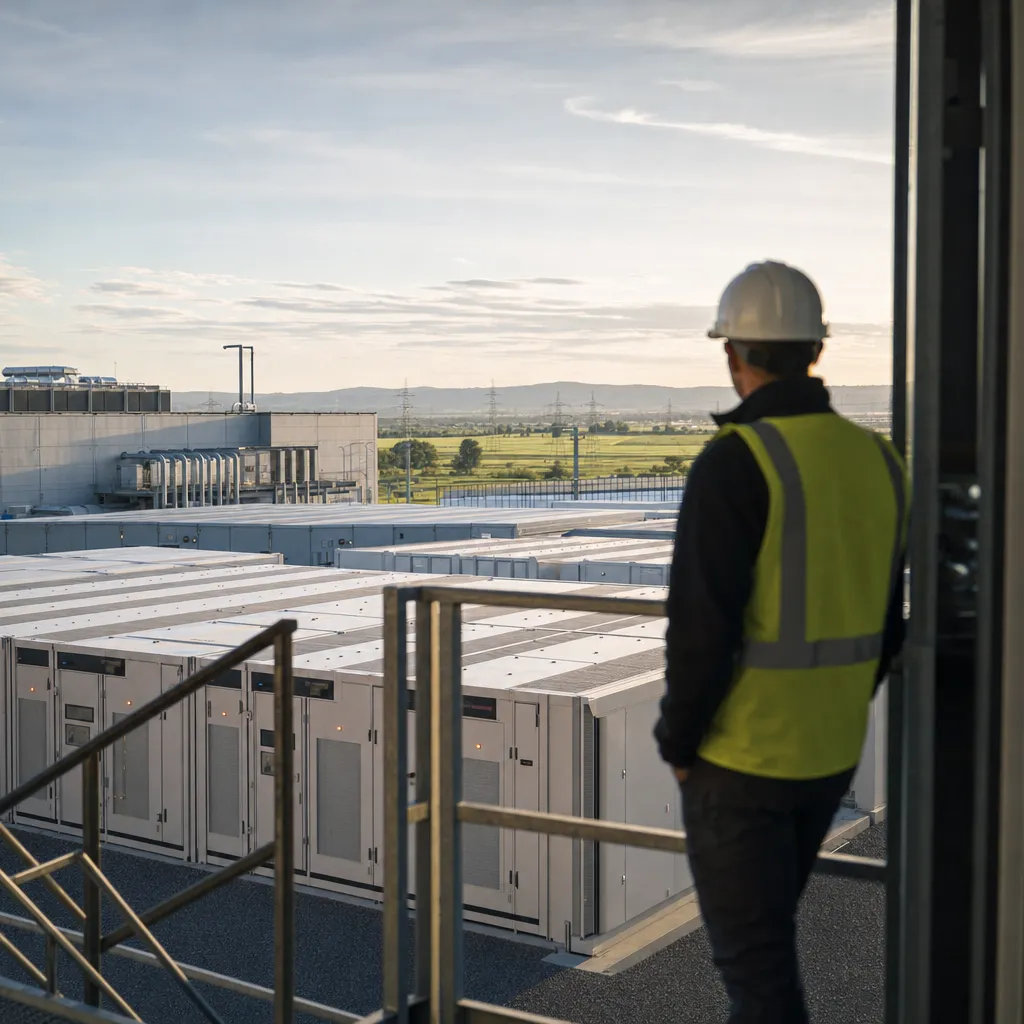
- Co-located battery storage that buffers renewable intermittency
- Long-duration contracts for firm renewable power (geothermal, hydro) that can run continuously
- Demand flexibility — data centers that can shift workloads to consume more power when renewable surplus is available and less when it isn't
The demand flexibility option is technically feasible for certain AI workloads — batch training runs, for instance, can be scheduled around grid conditions. It's not feasible for real-time inference, which must respond immediately to user requests. The pledge does not prescribe which mechanism data center operators must use, leaving that determination to the flexible grid integration requirement.
What to Watch
The practical test for the Antalya Pledge arrives over the next 12 months as nations submit implementation plans. Watch for whether the US, China, and India sign — and on what terms. Watch also for whether major hyperscalers update their energy commitments to meet the physical-delivery standard or argue their existing RECs are sufficient. If those arguments succeed, the pledge's teeth are blunted before enforcement begins.
Sources: IRENA
Did this help you understand AI better?
Your feedback helps us write more useful content.
Get tomorrow's AI briefing
Join readers who start their day with NexChron. Free, daily, no spam.