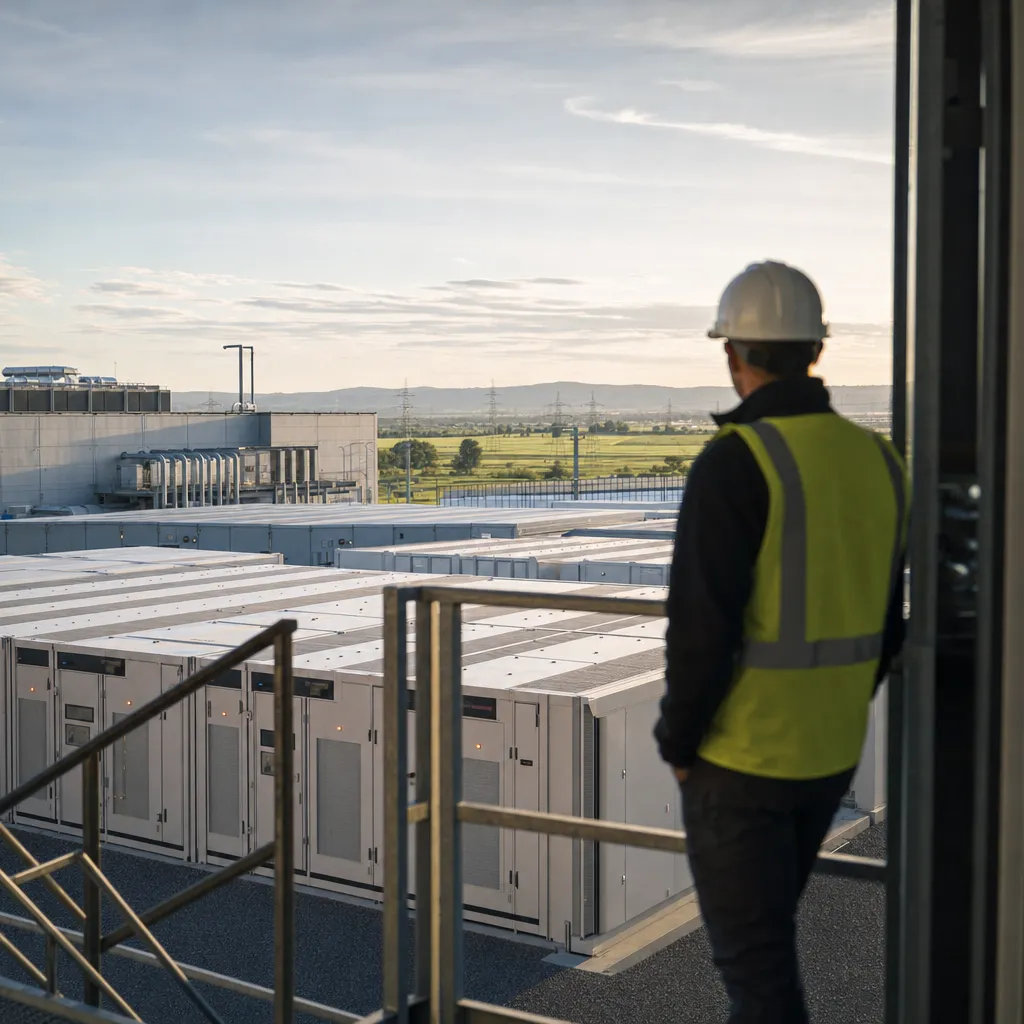
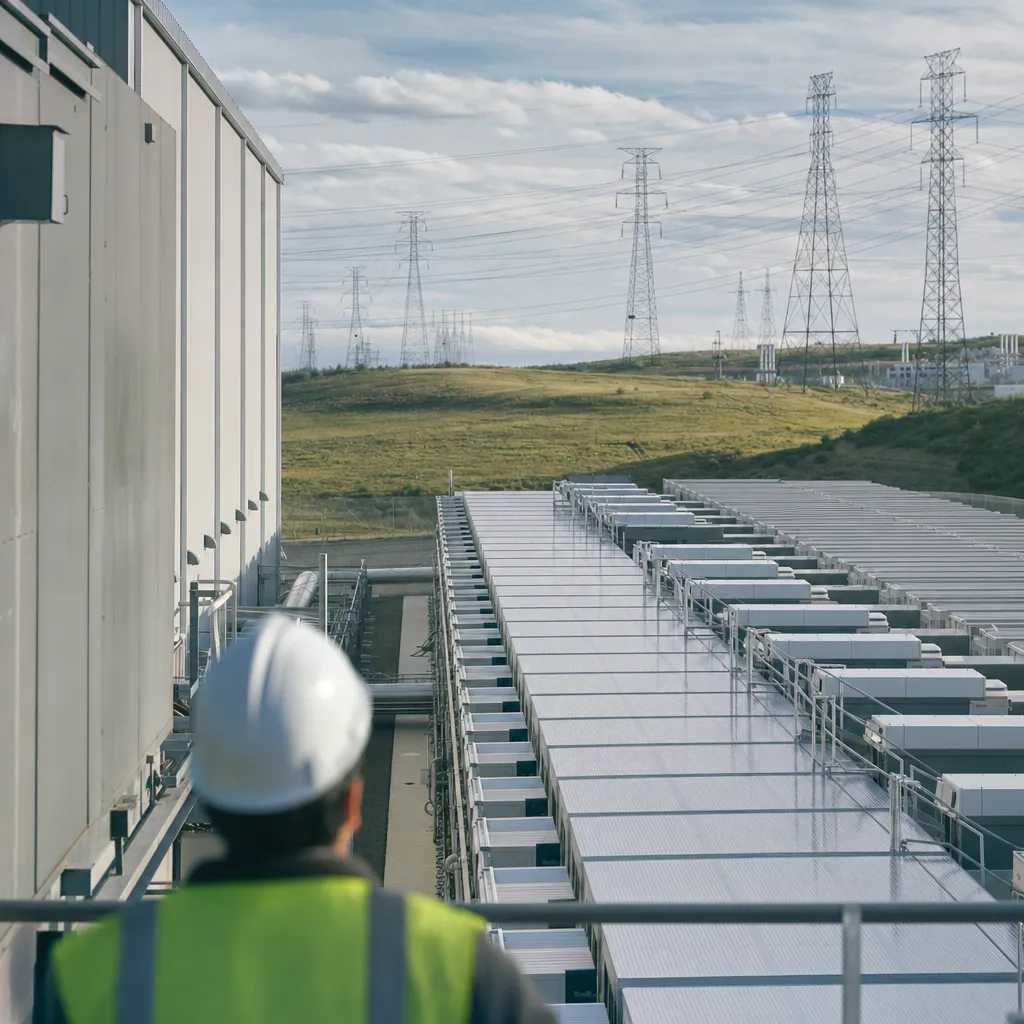
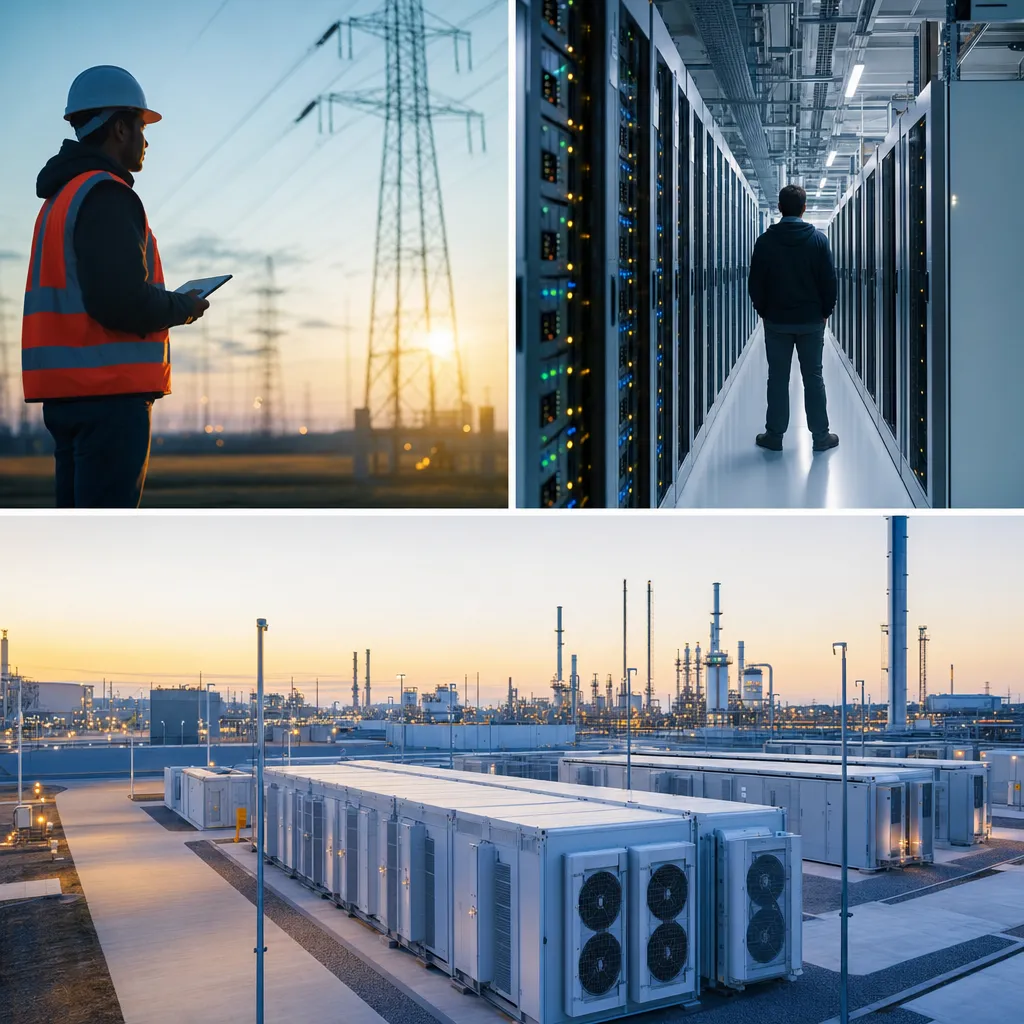
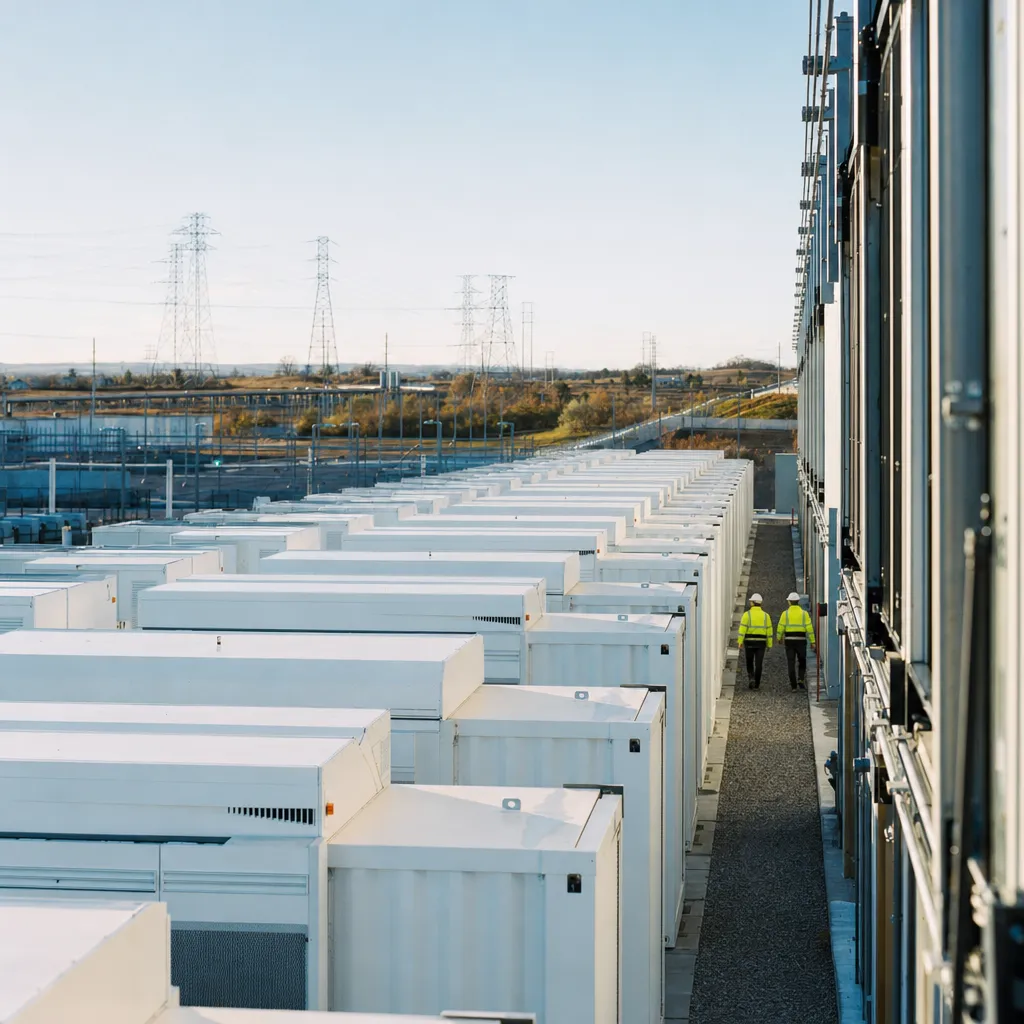
The CEOs of Sunrun and Overview Energy say America doesn't need new natural gas plants to power the AI boom — the existing grid already has the capacity, if managed with modern intelligence.
The CEOs of Sunrun and Overview Energy say America's AI power problem is solvable without building a single new natural gas plant — the capacity already exists on the grid, it just isn't being used. Their argument, made to Fortune this week, directly challenges the energy strategy gaining momentum in Washington and among utilities: that AI's electricity appetite is so large and so constant that only new gas generation can keep pace.
The stakes of this debate are not abstract. AI data center construction is driving the largest surge in US electricity demand in decades, and the choices made now about how to meet that demand will shape the country's energy mix — and its carbon trajectory — for the next thirty years.
The Argument: Idle Capacity Over New Generation
The core claim from Sunrun CEO and Overview Energy CEO is that the existing US grid is not running anywhere near its capacity ceiling. Three underutilized resources, they argue, can collectively absorb AI's power surge if managed with modern intelligence:
- Idle power plants: A significant share of the US generating fleet sits at partial output or on standby at any given moment, available to ramp up quickly but not currently doing so.
- Underused transmission corridors: Transmission lines are sized for peak demand scenarios but carry far less power during off-peak hours. Better load balancing can effectively increase transmission capacity without laying new wire.
- Home battery networks: Millions of residential solar-plus-battery installations — Sunrun alone has built the largest such network in the country — can function collectively as a virtual power plant, dispatching stored energy into the grid when and where it is needed.
The mechanism that ties these resources together is demand response — the ability to shift when and where electricity is consumed, rather than simply generating more. Modern demand-response systems can operate with millisecond precision, moving load faster than any fossil fuel plant can ramp up or down.
The Counterargument They're Pushing Against
The prevailing utility industry and policy view is that demand response works at the margins but cannot handle AI's scale. Data centers are not flexible loads. They run at high power density, continuously, without the natural variability of residential air conditioning or EV charging that demand-response programs typically manage. A 500-megawatt compute cluster needs 500 megawatts at 3 AM and cannot defer its compute jobs the way a smart thermostat can defer cooling.
The solar-and-battery response is that the question is not whether a data center itself is flexible, but whether the broader grid ecosystem surrounding it can absorb the net variability. If tens of millions of home batteries, smart industrial equipment, and demand-flexible commercial buildings can cushion the grid around large fixed loads, the data center's constancy becomes a manageable input rather than a system-breaking problem.
Get this in your inbox.
Daily AI intelligence. Free. No spam.
Whether that is achievable at the scale AI is demanding remains genuinely unresolved. The honest answer is that neither side knows yet, because grid operators have never deployed demand-response resources at the speed or scale that AI load growth now requires.
AI as the Solution, Not Just the Problem
There is a layered dynamic here that neither CEO avoids. AI is creating the unprecedented electricity demand. AI is also the most powerful tool ever built for grid optimization.
Utilities have historically managed grid balance with rule-based systems that move slowly and conservatively. AI-enabled grid management can process far more signals simultaneously — weather forecasts, real-time demand curves, battery state-of-charge data, transmission congestion, spot power prices — and optimize dispatch decisions continuously rather than in hourly blocks. The same computational capability that is straining the grid could, in principle, dramatically improve the grid's ability to handle strain.
The business case is compelling: If demand response and distributed battery orchestration can defer or avoid billions in new generation infrastructure, the economic return on grid management software is enormous. That is the market both Sunrun and Overview Energy are positioning to capture, and their public argument is also an investor and customer pitch.
The Policy Dimension
This week's passage of the BAAJA permitting reform bill cleared regulatory bottlenecks for solar, wind, and transmission projects that have been stalled for years under existing environmental review rules. The Sunrun-Overview argument aligns with that legislation: faster transmission buildout enables the kind of grid integration that makes distributed demand response more effective.
But the BAAJA streamlining applies equally to new gas projects. If the permitting speedup is captured primarily by gas developers rather than transmission and storage builders, the case for grid intelligence as the AI power solution faces harder headwinds — the market will have already committed to a generation-first path.
What to Watch
The empirical test of this argument will come from the next rounds of capacity auctions run by grid operators like CAISO in California and PJM in the mid-Atlantic. These auctions reveal what resources utilities are actually contracting to meet future demand. If demand-response and storage resources claim a growing share of capacity commitments relative to new gas, the solar CEOs' thesis is working. If gas dominates the new capacity queue, the grid-intelligence play will face a harder road.
Watch also for FERC rulemaking on demand-response compensation under Order 2222, which governs how aggregated distributed resources like home batteries can compete in wholesale electricity markets. The regulatory plumbing matters as much as the technology.
Source: Fortune, November 19, 2026
Did this help you understand AI better?
Your feedback helps us write more useful content.
Get tomorrow's AI briefing
Join readers who start their day with NexChron. Free, daily, no spam.