SpaceX announced $74 billion in AI supercomputing infrastructure across Texas and Arizona, with the Arizona site alone targeting 6 gigawatts of power — as AI now accounts for more than half the company's revenue.
SpaceX announced plans to build two AI supercomputing campuses totaling more than $74 billion in investment — a signal that the company Elon Musk built on rockets now derives the majority of its revenue from artificial intelligence. The scale of these facilities would place SpaceX among the largest AI infrastructure builders on the planet, alongside Microsoft, Google, and Amazon.
The Two Sites
According to Quartz, SpaceX is committing capital to two separate campuses:
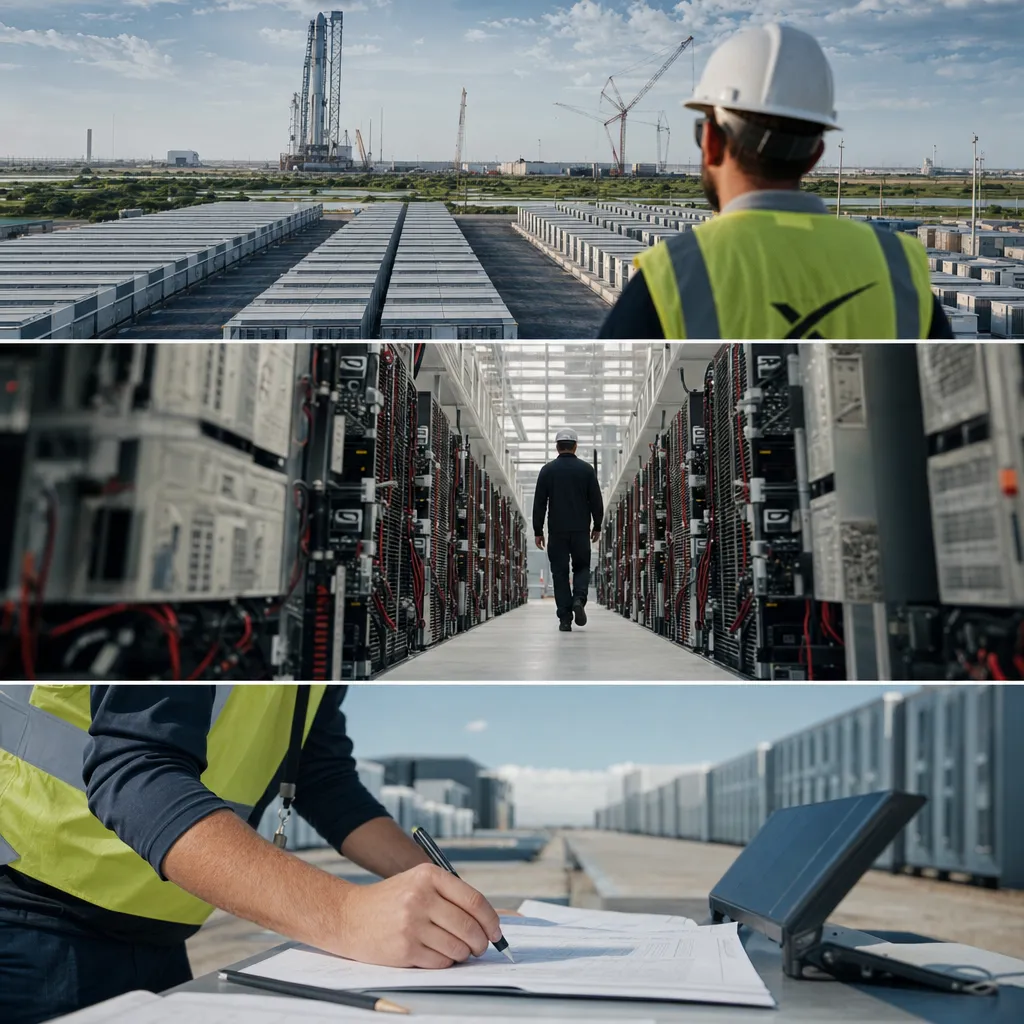
Brownsville, Texas — $24 billion, located near the existing Starbase launch facility. This site benefits from SpaceX's existing power and logistics infrastructure in the Rio Grande Valley.
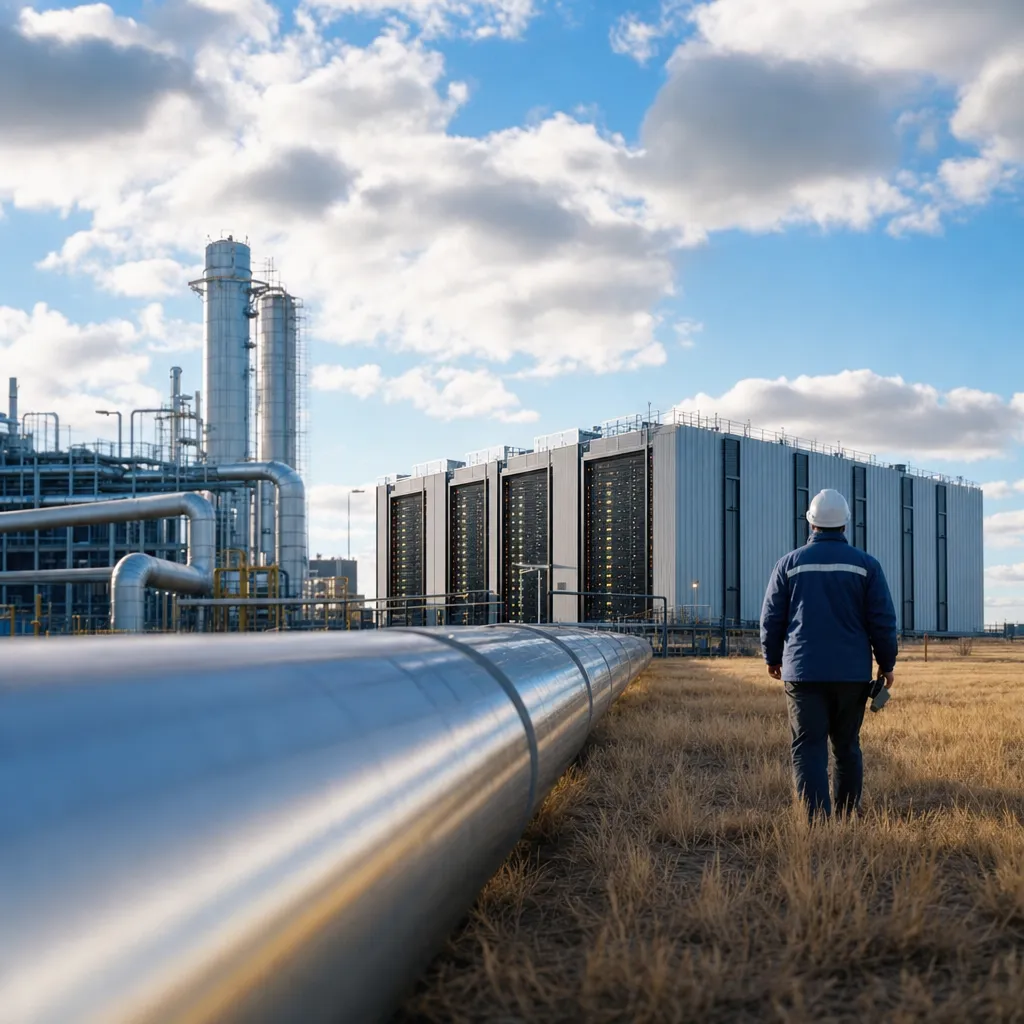
Cochise County, Arizona — approximately $50 billion, the larger of the two. At full buildout, the Arizona site would reach up to 6 gigawatts of power capacity supported by 24 gigawatt-hours of battery storage. For context, 6 GW is roughly the total generating capacity of a mid-sized U.S. state.
Context
SpaceX's move into AI infrastructure is not entirely surprising given the company's existing investments in Starlink — which requires significant distributed computing for satellite networking — and its history of building proprietary technology stacks rather than purchasing commercial solutions.
What is notable is the revenue disclosure: SpaceX's AI segment now generates more than half of the company's total revenue. SpaceX does not publish detailed financials (it is privately held), so this figure, if accurate, represents a major shift from the launch-and-satellite business that made the company famous.
Get this in your inbox.
Daily AI intelligence. Free. No spam.
The $74 billion total commitment would rival the largest single-company AI infrastructure announcements to date. Microsoft committed $80 billion to AI datacenters for 2025 alone. The SpaceX announcement covers what appears to be a multi-year buildout, so direct comparisons require more timeline detail.
Why Power at This Scale
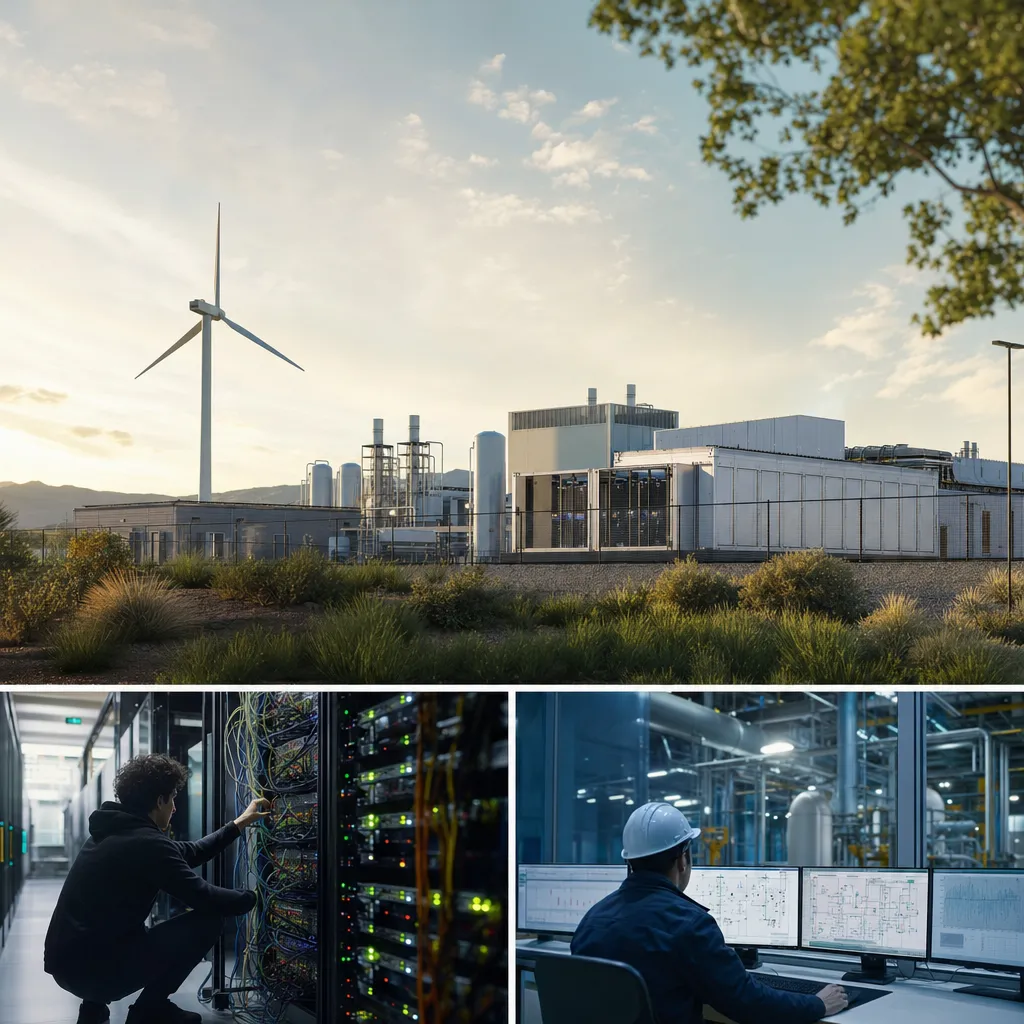
Modern AI training runs — especially for frontier models and large-scale inference — are constrained by power, not compute hardware. A 6 GW facility in Arizona would be among the largest single-site power consumers in the country. The 24 GWh battery storage figure suggests SpaceX is planning for on-site energy buffering, likely to manage grid draw and enable continuous operation independent of utility fluctuations.
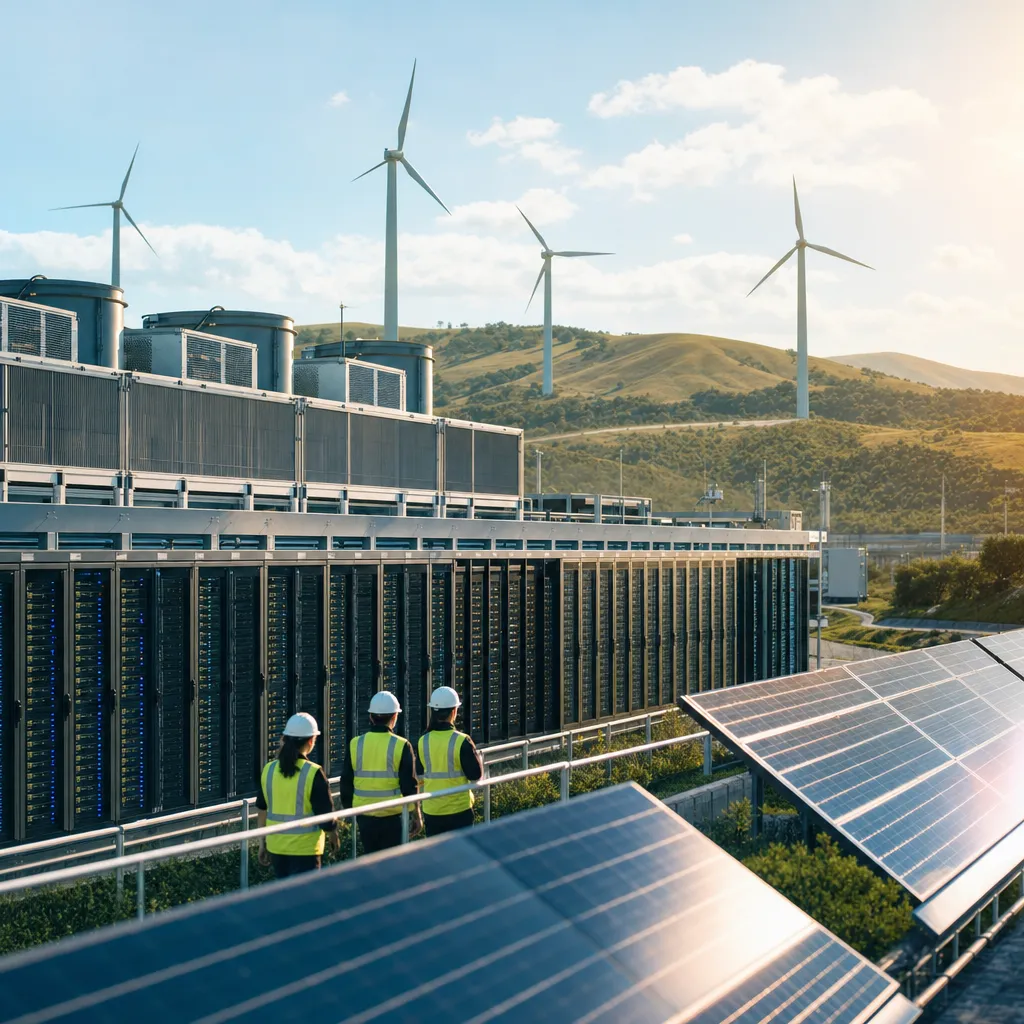
Arizona's power and land profile makes it attractive for large-scale datacenters: lower land costs than coastal markets, access to renewable energy from solar, and state-level incentive programs for large employers.
What This Means for the AI Infrastructure Race
For hyperscalers (Microsoft, Google, AWS, Meta): SpaceX entering AI infrastructure at this scale adds a well-capitalized competitor for power contracts, land, cooling technology, and GPU supply chain. SpaceX's existing hardware manufacturing capability — motors, avionics, composites — may translate into proprietary datacenter technology that isn't available on the open market.
For the Texas and Arizona economies: Combined, $74 billion in capital expenditure represents thousands of construction jobs, permanent technical roles, and long-term tax base. Cochise County, Arizona is a relatively rural area — a $50 billion investment would be transformative at the county level.
For U.S. AI policy: Domestic AI infrastructure investment at this scale aligns with the current administration's push to keep frontier AI compute onshore. It also raises questions about grid impact — 6 GW in a single county is a material addition to regional load that utilities and grid operators will need to plan for.
Caveats
Announced investment figures from technology companies frequently diverge from actual deployed capital. This is an announced commitment, not a completed facility. Permitting, environmental review, water rights (a significant issue in Arizona), and grid interconnection agreements all represent real constraints that can extend timelines or reduce scope.
SpaceX has not published a construction timeline, phased buildout schedule, or the specific AI workloads these campuses are intended to serve. Whether these are purpose-built for internal SpaceX AI development, Starlink network intelligence, third-party cloud services, or some combination is not yet clear.
What to Watch
Watch for utility filings in Arizona — grid interconnection requests of this scale require public filings with the state's power regulators, which will reveal timeline and actual power draw commitments. Also watch for any announcement about whether SpaceX intends to offer commercial AI compute from these facilities.
Did this help you understand AI better?
Your feedback helps us write more useful content.
Get tomorrow's AI briefing
Join readers who start their day with NexChron. Free, daily, no spam.