AI Virtual Try-On Goes Mainstream as Startups Target $850B Annual Returns Problem
AI virtual try-on platforms hit mainstream deployment through Shopify integration, a Google search rollout on April 30, and luxury brand Amiri adoption—targeting the $849.9 billion in returned merchandise from 2025.
Why this matters
AI virtual try-on platforms hit mainstream deployment through Shopify integration, a Google search rollout on April 30, and luxury brand Amiri adoption—targeting the $849.9 billion in returned merchandise from 2025.
AI Virtual Try-On Goes Mainstream as Startups Target Retail's $850B Returns Problem
By Hector Herrera | April 12, 2026 | Retail
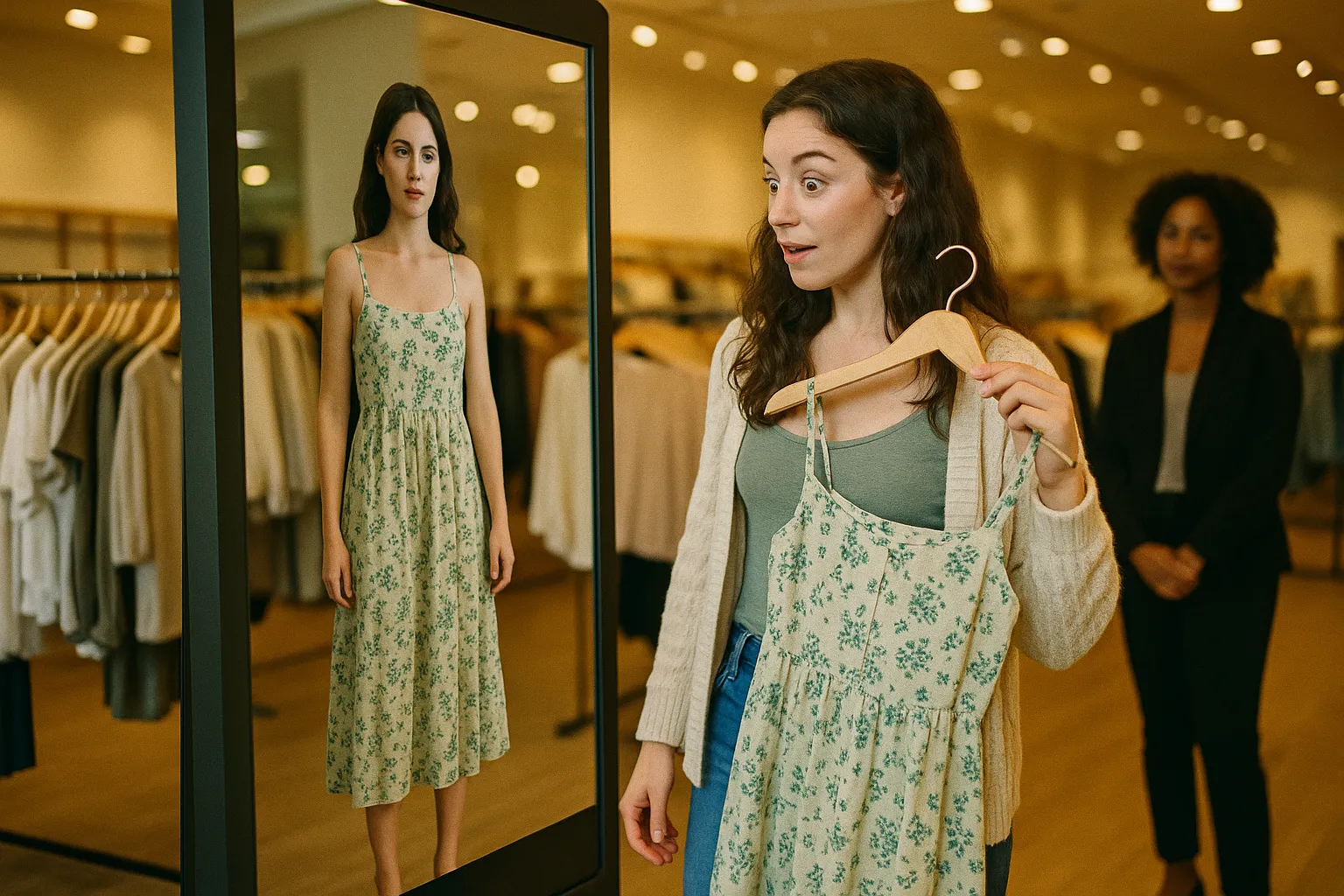
Retail returns cost the industry $849.9 billion in 2025. AI startups are racing to solve a large portion of that number through virtual try-on platforms—tools that let shoppers build precise digital representations of themselves and test clothing with realistic fit and drape simulation before buying. The technology just crossed from early adopter to mainstream, driven by Shopify integration, a Google search rollout, and luxury brand adoption.
What Happened
Three events this week signal that AI virtual try-on has reached deployment scale. Luxury fashion brand Amiri launched with Catches' virtual try-on platform. Shopify integrated Genlook's try-on app across its merchant network. Google announced its virtual try-on tool will appear directly in product search results beginning April 30.
The Google announcement is the most consequential. When a shopping search in Google surfaces a virtual try-on option alongside the product listing, the technology reaches every online shopper who uses Google to find products—essentially everyone.
CNBC's coverage frames the market context: $849.9 billion in returned merchandise in 2025, with apparel representing one of the highest return rate categories. The underlying cause of most apparel returns is fit uncertainty—the item looked different in person than it appeared on a standard model at a different body type.
Context
Virtual try-on technology has been attempted repeatedly over the past decade with limited success. The failures were mostly technical: early AR try-on apps overlaid clothing on a live camera feed in ways that looked obviously fake, moved unrealistically, and did nothing to address actual fit questions.
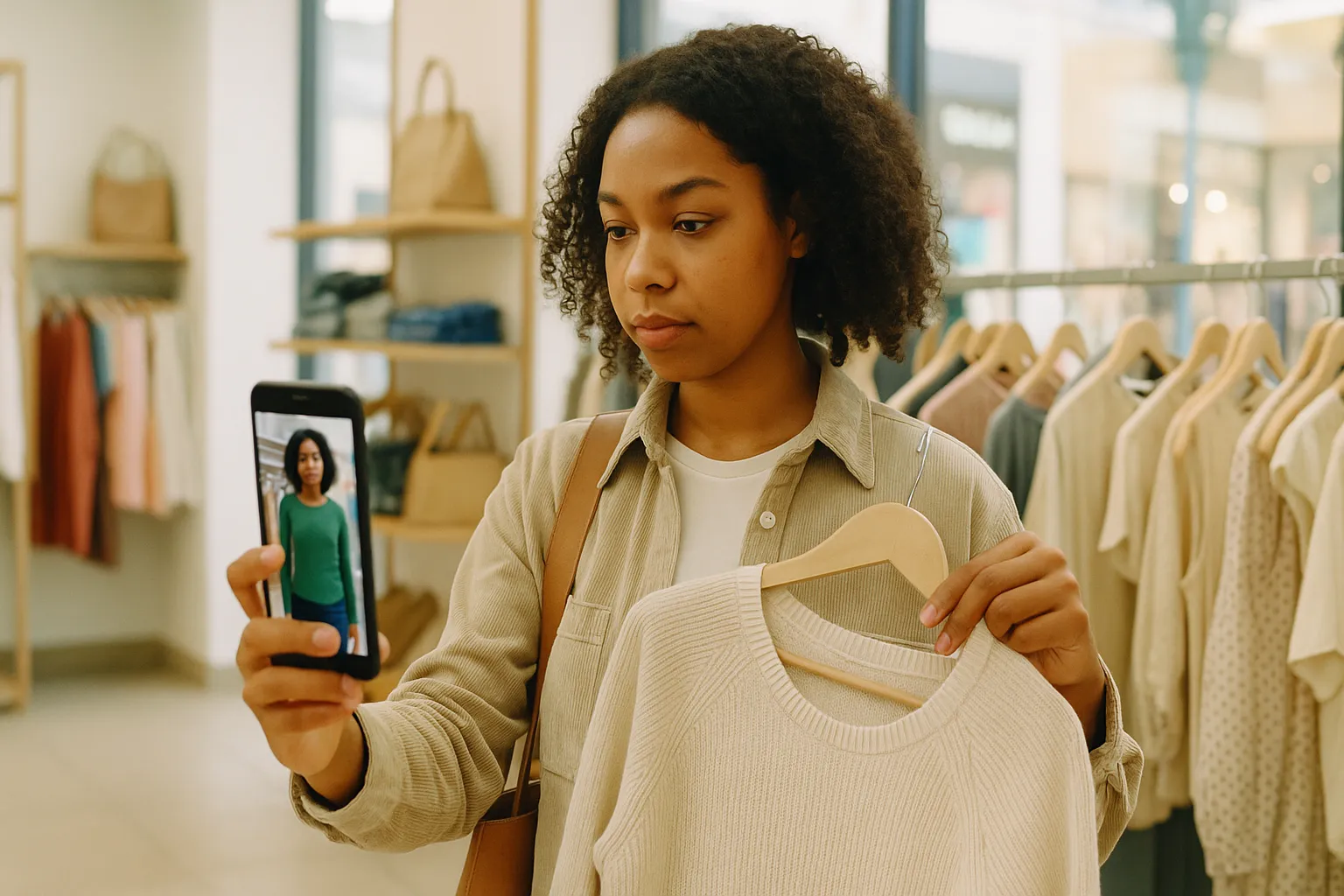
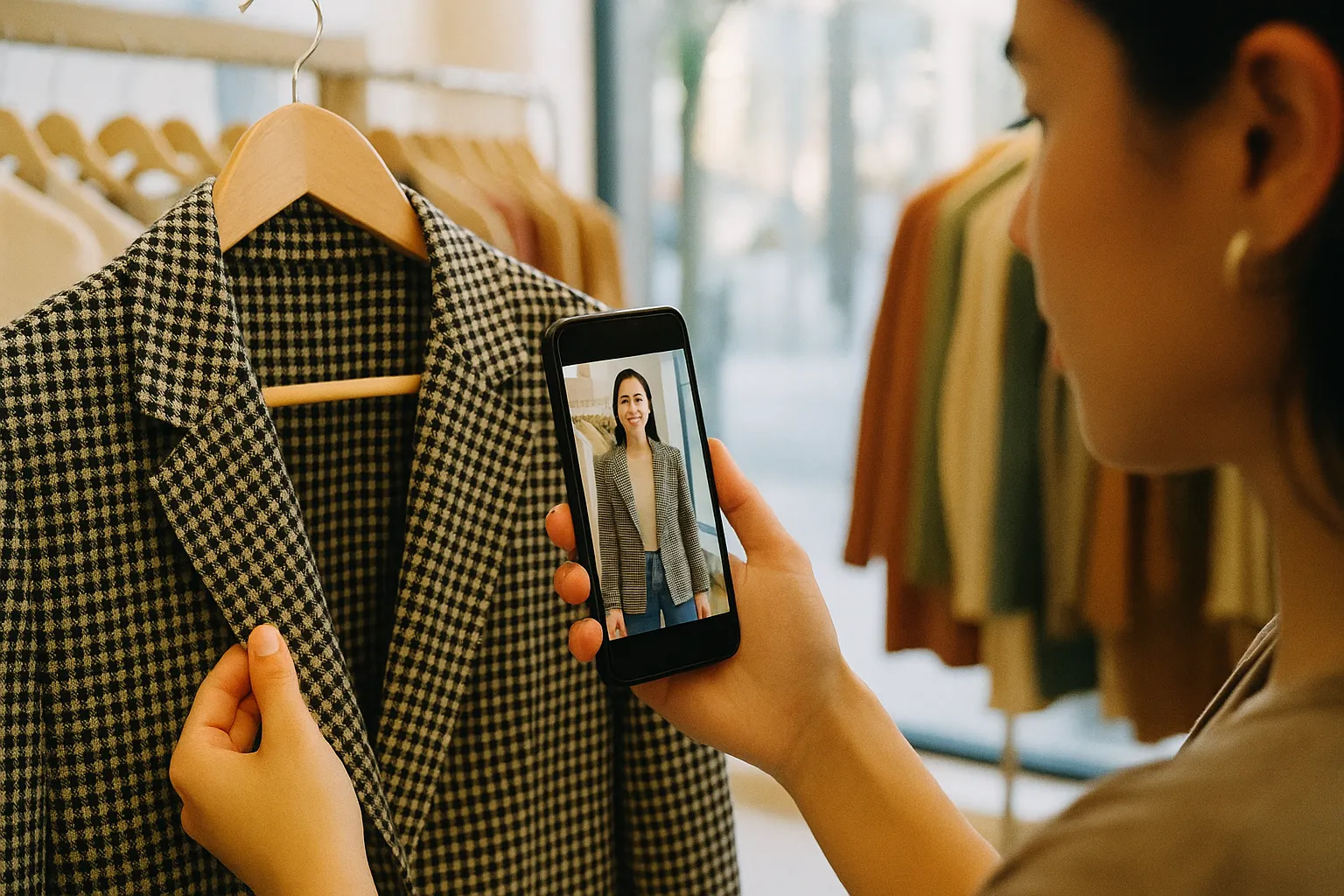
Current AI approaches are categorically different. Rather than overlaying images, they build digital body models from measurements or photos—digital twins that capture not just height and weight but body proportions, posture, and shape. The clothing simulation then models how specific garments behave on that specific body type, accounting for fabric properties and drape.
The result looks less like an overlay and more like a photograph. It's not perfect, but it's different enough in kind from previous AR try-on attempts that consumer response data is meaningfully better.
Get this in your inbox.
Daily AI intelligence. Free. No spam.
Details
Amiri and Catches: Amiri is a luxury streetwear brand where average item prices make returns particularly costly—both financially and in customer experience terms. Catches' platform targets the luxury segment specifically, where fit precision matters more and consumers expect higher-quality digital experiences. Luxury adoption serves as a quality signal for the broader market.
Shopify and Genlook: Shopify's merchant network includes hundreds of thousands of independent retailers. Integrating Genlook's try-on app as a standard option across that network means small and mid-sized fashion retailers can offer virtual try-on without building their own technology. This is the distribution path that moves virtual try-on from enterprise feature to standard e-commerce functionality.
Google and product search: Google's April 30 rollout puts virtual try-on at the top of the purchase funnel—the moment of discovery, not just the moment of cart confirmation. A shopper who can try something on virtually before clicking through to a retailer site is making a more informed purchase decision before the retailer even enters the picture.
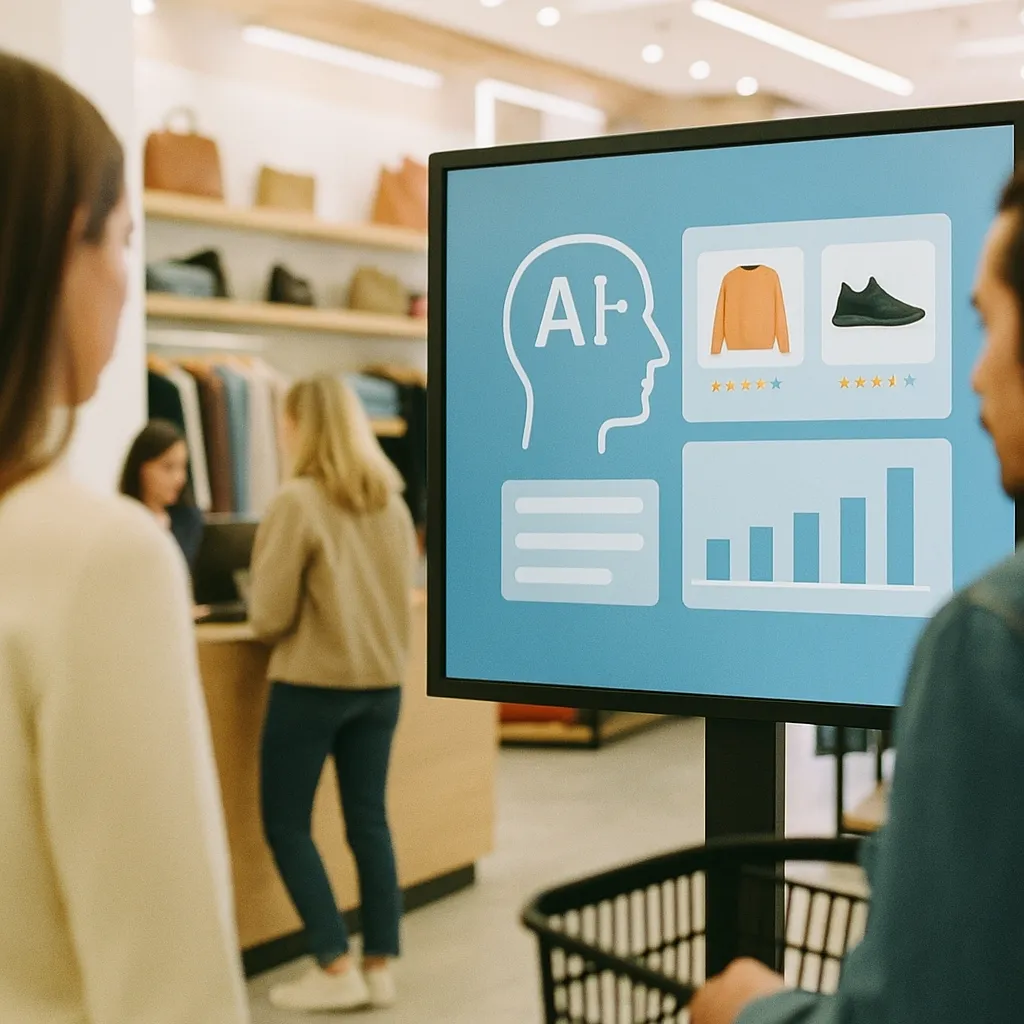
Walmart's data: Shoppers using AI-powered tools spend 25% more on average at Walmart, according to internal data cited in CNBC's reporting. Higher spend with better fit confidence and lower returns is the economic thesis that every retailer is now evaluating.
Impact
For online retailers: The return rate reduction potential is the primary ROI driver, but the conversion lift—more shoppers completing purchases when they can try before buying—may be equally significant. Begin evaluating virtual try-on platform integration on your highest-return SKUs.
For consumers: You should have access to meaningfully better fit prediction within 12 months across most major retailers. The Google integration in particular means you won't need to seek this out—it will be surfaced in standard search results.
For fashion brands: Size inclusivity becomes both more achievable and more visible with virtual try-on. Brands that have invested in extended size ranges but struggled to show them effectively on standard models can now demonstrate fit across the full size range in the digital experience. This has both commercial and reputational dimensions.
For traditional retail operations: The physical fitting room isn't going away, but its role is changing. Physical retail increasingly serves the function that virtual try-on cannot fully replace: the tactile experience of touching fabric, the social experience of shopping with others, and the immediacy of walking out with a product. Expect retail design to evolve around those irreplaceable elements.
What to Watch
Google's April 30 launch date is specific and near-term. Watch for consumer response data in the weeks after launch—whether shoppers engage with the virtual try-on option in search results, and whether conversion rates or return rates differ meaningfully for engaged versus non-engaged shoppers. That data will shape how aggressively Google surfaces the feature and how quickly competitors respond.
Also watch for the measurement standards question. Virtual try-on accuracy depends on good body measurement input. Most current systems use height and weight, which are insufficient for precise fit. Systems that capture body shape through photos or measurements from wearables are more accurate but require more from the user. The industry will converge on a standard measurement approach—and whoever establishes that standard will have significant leverage over the market.
Hector Herrera is an AI systems architect and the founder of Hex AI Systems. He designs and runs AI systems in production and writes daily about how AI is reshaping business, government and everyday life. 20+ years building for the web. Houston, TX.