AI startups are attacking retail's margin problem with virtual try-on, inventory optimization, and personalization engines. The AI-in-retail market has hit $18.4 billion, with nearly 90% of retailers now deploying AI.
AI Retail Startups Target the Margin Problem Threatening Store Profitability
By Hector Herrera | April 19, 2026 | Retail
A wave of AI startups is attacking retail's chronic margin problem with virtual try-on technology, AI-driven inventory optimization, and personalization engines designed to reduce returns and overstock losses. The AI-in-retail market has reached $18.4 billion in 2026, and nearly 90% of retailers are now deploying some form of AI — a sharp jump from just two years ago.
What Happened
CNBC's analysis of the AI retail startup market identifies a new generation of AI tools specifically targeting the operational inefficiencies that retailers have described as "silent killers" of profitability: high return rates, overstock inventory, low conversion from browsing to purchase, and margin compression from promotional spending.
The tools fall into three main categories:
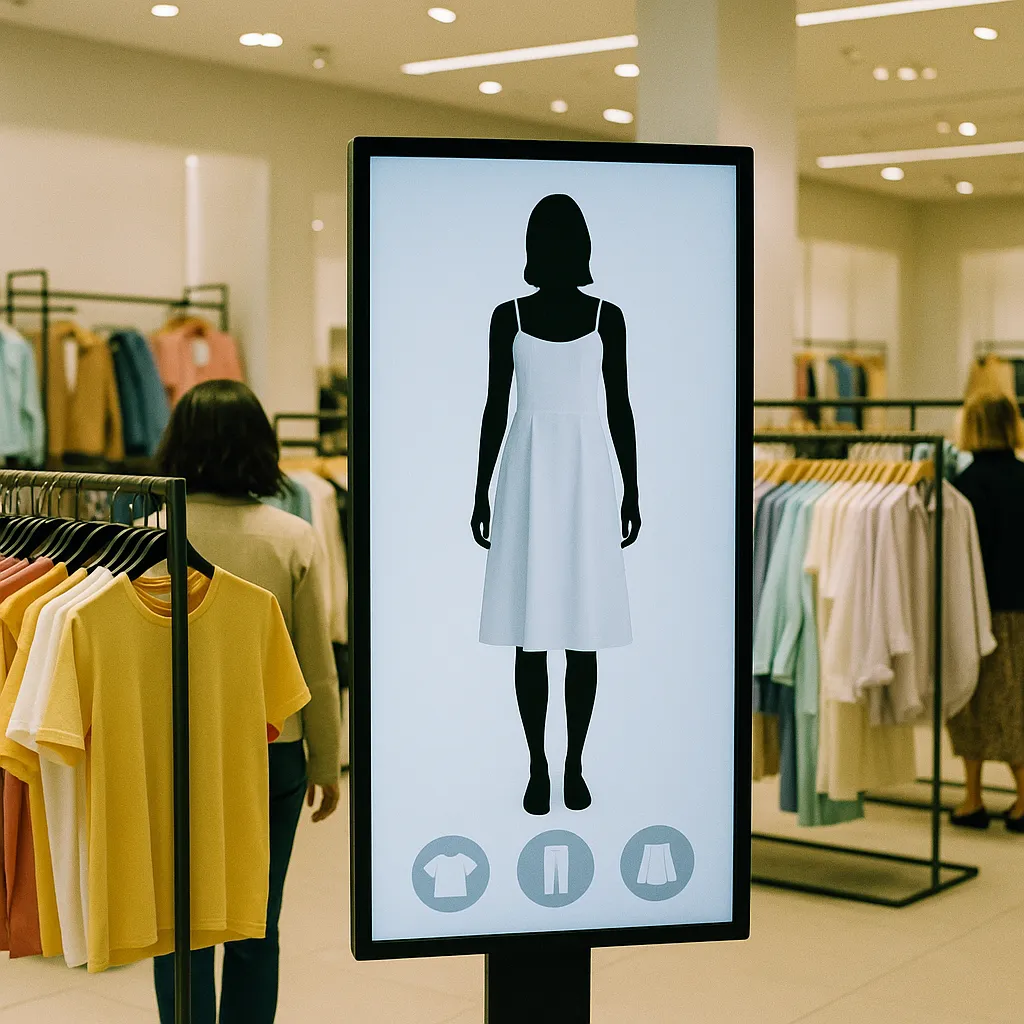
- Virtual try-on technology — AI that lets shoppers see clothing, shoes, and accessories on their own body (or a realistic avatar) before purchasing, reducing purchase uncertainty and return rates
- AI-driven inventory optimization — systems that analyze demand signals to reduce both stockouts and excess inventory
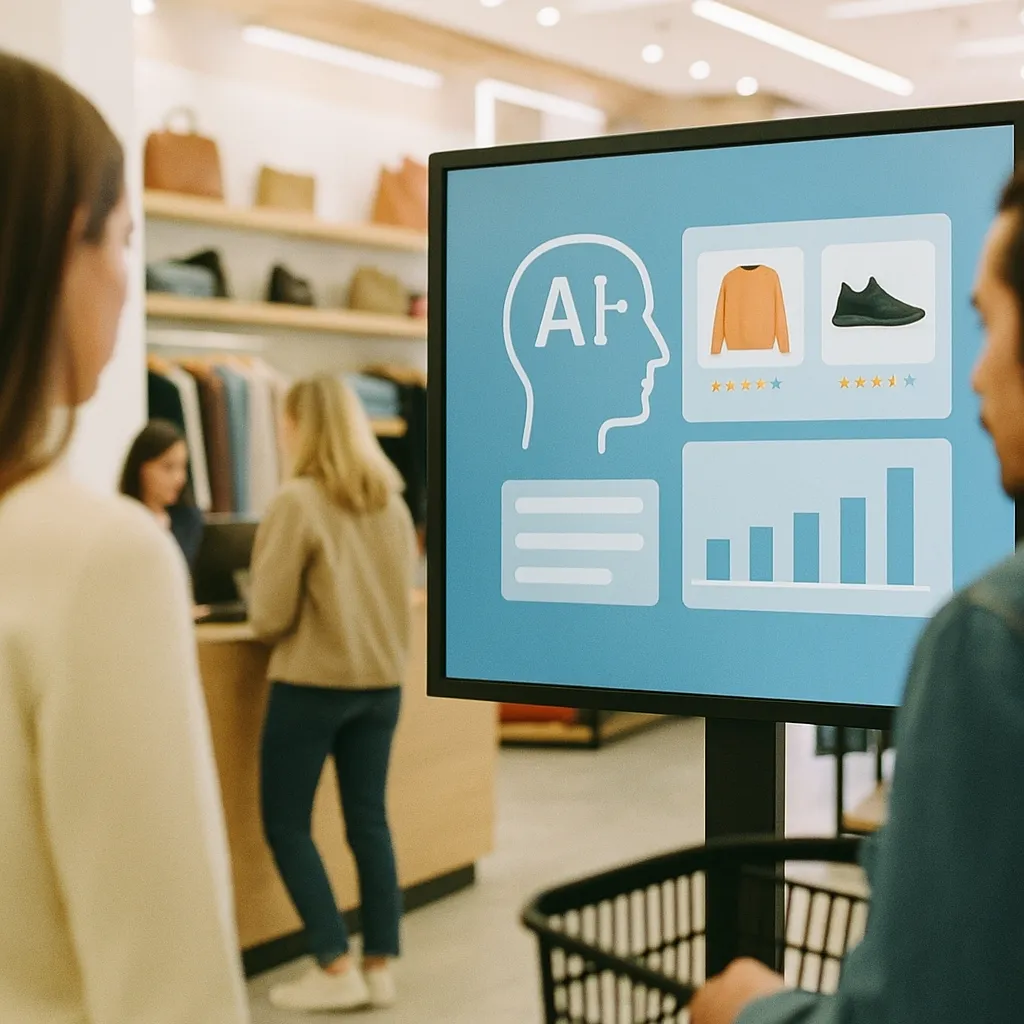
- Personalization engines — AI that tailors product recommendations, pricing, and promotions to individual shoppers to improve conversion rates
The market size: The AI-in-retail market is estimated at $18.4 billion in 2026. Nearly 90% of retailers are now deploying some form of AI, up sharply from prior years.
Context
Retail operates on thin margins. A grocery chain might operate on a 1-2% net margin. A fashion retailer on 5-8%. When return rates run at 20-30% (as they do in apparel e-commerce), and overstock inventory requires costly markdowns to clear, those margins compress further.
Get this in your inbox.
Daily AI intelligence. Free. No spam.
The "silent killer" framing reflects how gradually these costs accumulate. A retailer doesn't go out of business because of returns in a single quarter — but the cumulative cost of preventable returns and excess inventory, compounded over years, can make the difference between a viable operation and one that struggles to compete.
AI addresses these problems at a more fundamental level than previous technology approaches. A recommendation algorithm that showed "customers also bought" was optimization at the margin. AI that analyzes a shopper's body measurements to show how a garment will actually fit, or that models demand at the SKU level across thousands of store locations simultaneously, is solving a different order of problem.
Details
- AI-in-retail market size: $18.4 billion (2026)
- AI adoption rate: ~90% of retailers now deploying some form of AI
- Key tools: Virtual try-on, inventory optimization, personalization engines
- Target problem: Return rate reduction, overstock reduction, conversion improvement
- Return rate context: Apparel e-commerce return rates often run 20-30%
- Source: CNBC analysis, April 5, 2026
Virtual try-on has been a technology promise for over a decade. The early versions — which placed flat garment images over body photos — were unconvincing and unused. Current-generation AI try-on uses 3D body modeling, fabric physics simulation, and real-time rendering to produce images that are genuinely useful for purchase decisions. The technology has crossed the threshold from novelty to utility.
Impact
For online retailers: A 5-percentage-point reduction in return rate — from 28% to 23%, for example — has a direct, calculable impact on unit economics. Return processing costs between $15 and $30 per item in most e-commerce operations. For a retailer processing 10 million returns per year, a 5-point reduction means 500,000 fewer returns, potentially $7-15 million in direct cost savings. That's the ROI case for virtual try-on in a single number.
For brick-and-mortar stores: The AI applications most relevant to physical retail are inventory optimization and personalized in-store experience. Stores that use AI to reduce stockouts and right-size inventory by location will outperform competitors on in-stock rates and markdown rates — both visible to customers and directly impactful on margins.
For retail workers: AI personalization and inventory systems primarily replace analytical work done by buyers, merchandise planners, and demand forecasters. These are professional roles, not hourly retail positions, and the displacement affects them. The hourly workforce is more affected by self-checkout and cashier automation, which is a separate but parallel trend.
For AI startups in retail: The 90% AI adoption rate among retailers means the "land" phase of the market — getting AI tools in the door — is largely complete. The next competitive battle is retention and expansion: which tools actually deliver measurable ROI, which vendors can demonstrate it clearly, and which ones get expanded from pilot to enterprise contract. Expect consolidation in the retail AI vendor market as winners separate from losers on outcomes data.
What to Watch
The return rate data will be the clearest signal of whether virtual try-on is delivering on its commercial promise. Watch for retailers to start including AI-driven return rate reductions in quarterly earnings commentary — that's when the technology moves from trend story to proven operational tool.
Hector Herrera covers retail and AI for NexChron.
Did this help you understand AI better?
Your feedback helps us write more useful content.
Get tomorrow's AI briefing
Join readers who start their day with NexChron. Free, daily, no spam.