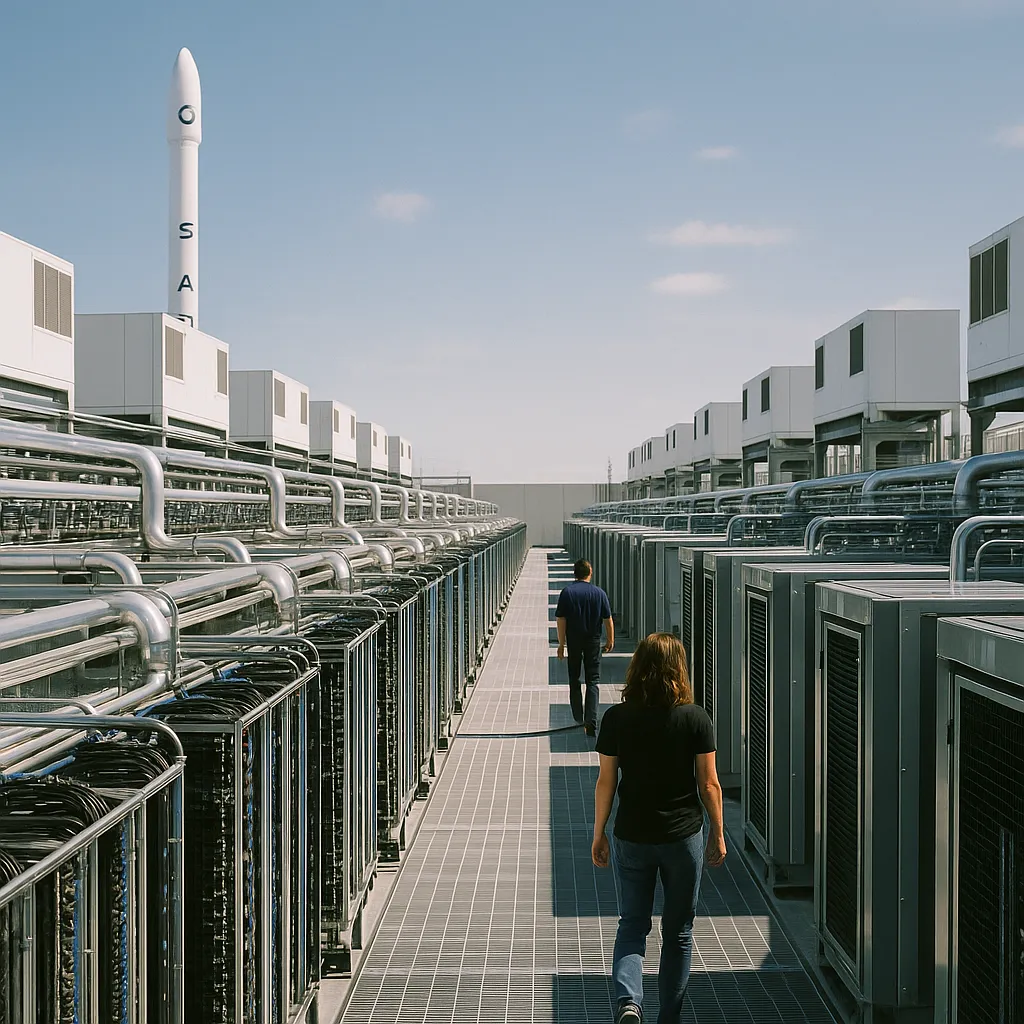
Google is in active negotiations with SpaceX to put AI compute infrastructure into orbit — a move that could reshape who controls the physical layer of AI.
Google and SpaceX in Talks to Launch AI Data Centers Into Orbit
By Hector Herrera | May 13, 2026
Google is in active negotiations with SpaceX to put AI compute infrastructure into orbit, a report from TechCrunch [and Bloom](/energy/oracle-bloom-energy-fuel-cell-ai-data-centers)berg reveals. If a deal closes, it would mark the most ambitious attempt yet to move AI workloads off the ground — and raise serious questions about who controls the physical layer of AI infrastructure going forward.
What's Being Proposed
SpaceX is pitching satellite-based compute as the cheapest path to AI infrastructure within a few years. The company has been shopping the concept to hyperscalers, arguing that once launch costs drop far enough, orbital data centers powered by direct solar energy become cost-competitive with ground-based facilities — without the land, water, and grid constraints that are choking terrestrial expansion.
Google's side of the talks centers on an internal effort called Project Suncatcher: a program exploring solar-powered satellite constellations equipped with Google's custom AI chips, called TPUs (Tensor Processing Units — chips Google designs specifically for machine learning workloads). The satellites would harvest solar energy continuously, eliminating the grid dependency that has become one of the biggest bottlenecks in AI infrastructure.
According to the report, the talks are active but no deal has been signed.
Why the Ground Is Getting Crowded
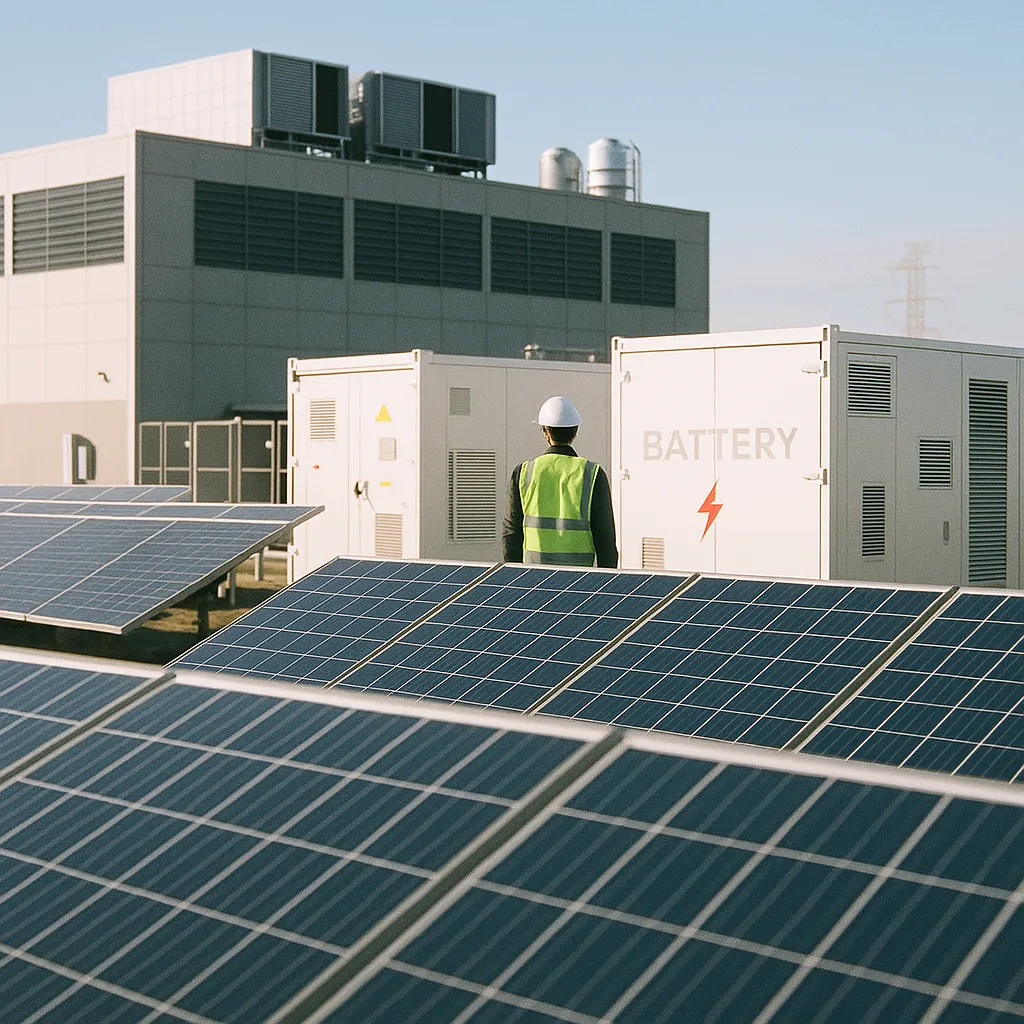
AI training and inference are power-hungry. A single large model training run can consume as much electricity as thousands of U.S. homes use in a year. Data center operators are now competing against each other — and against industrial users — for access to grid capacity. In some markets, utilities are telling hyperscalers they cannot connect new facilities until the late 2020s or beyond.
Get this in your inbox.
Daily AI intelligence. Free. No spam.
That constraint is pushing companies to think unconventionally. Space removes the land-permitting, grid-connection, and water-cooling problems simultaneously. The sun provides essentially free energy. The tradeoff is latency: signals traveling to and from orbit add delay that matters for some AI applications, though not all.
SpaceX's leverage here is its Starship rocket, which is designed to carry very large payloads cheaply. Lower launch costs are what make the economics even worth discussing — five years ago, this conversation wouldn't have been plausible.
What It Would Mean in Practice
For Google: Orbital compute would give Google AI infrastructure that no government or utility can easily throttle. Regulatory pressure over data center energy use is rising in the U.S. and Europe. Moving workloads to orbit sidesteps terrestrial energy politics — though it introduces a different set of regulatory questions around spectrum, orbital debris, and jurisdiction.
For SpaceX: A deal with Google would anchor SpaceX's commercial case for space-based compute ahead of its anticipated IPO. It validates the pitch SpaceX is making to other cloud providers.
For the AI industry broadly: If Google successfully operates AI compute in orbit, competitors will have to respond. Microsoft, Amazon, and Meta are all under the same terrestrial energy pressure. Orbital infrastructure would not stay a Google-only option for long.
For consumers and businesses: The direct impact is indirect — faster, cheaper AI services if orbital compute lowers the cost of inference. The risks are concentration: a handful of companies controlling space-based AI infrastructure is a new category of market power that regulators haven't begun to address.
What to Watch
The immediate signal to track is whether any formal announcement follows these talks, or whether SpaceX's IPO filing — when it comes — includes orbital data centers as a named revenue line. The other signal is whether any other hyperscaler publicly acknowledges similar conversations with SpaceX or another launch provider.
Sources: TechCrunch / Bloomberg reporting on Google-SpaceX talks
Did this help you understand AI better?
Your feedback helps us write more useful content.
Get tomorrow's AI briefing
Join readers who start their day with NexChron. Free, daily, no spam.