AI data center construction spending has reached parity with general office construction in the U.S., while organized community opposition is intensifying in Louisiana, Arizona, Michigan, and Texas over water, power, and land use.
Data Center Construction Now Rivals Office Spending — and Communities Are Pushing Back
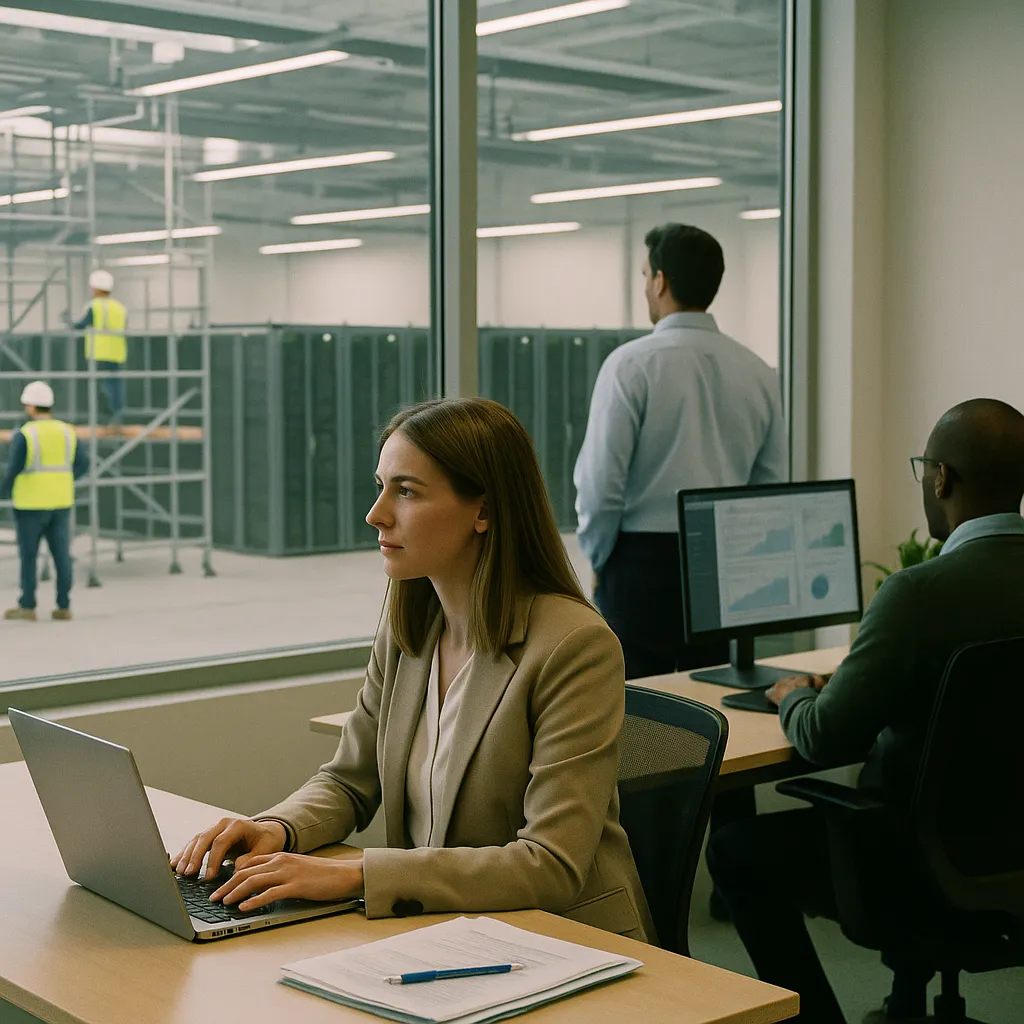
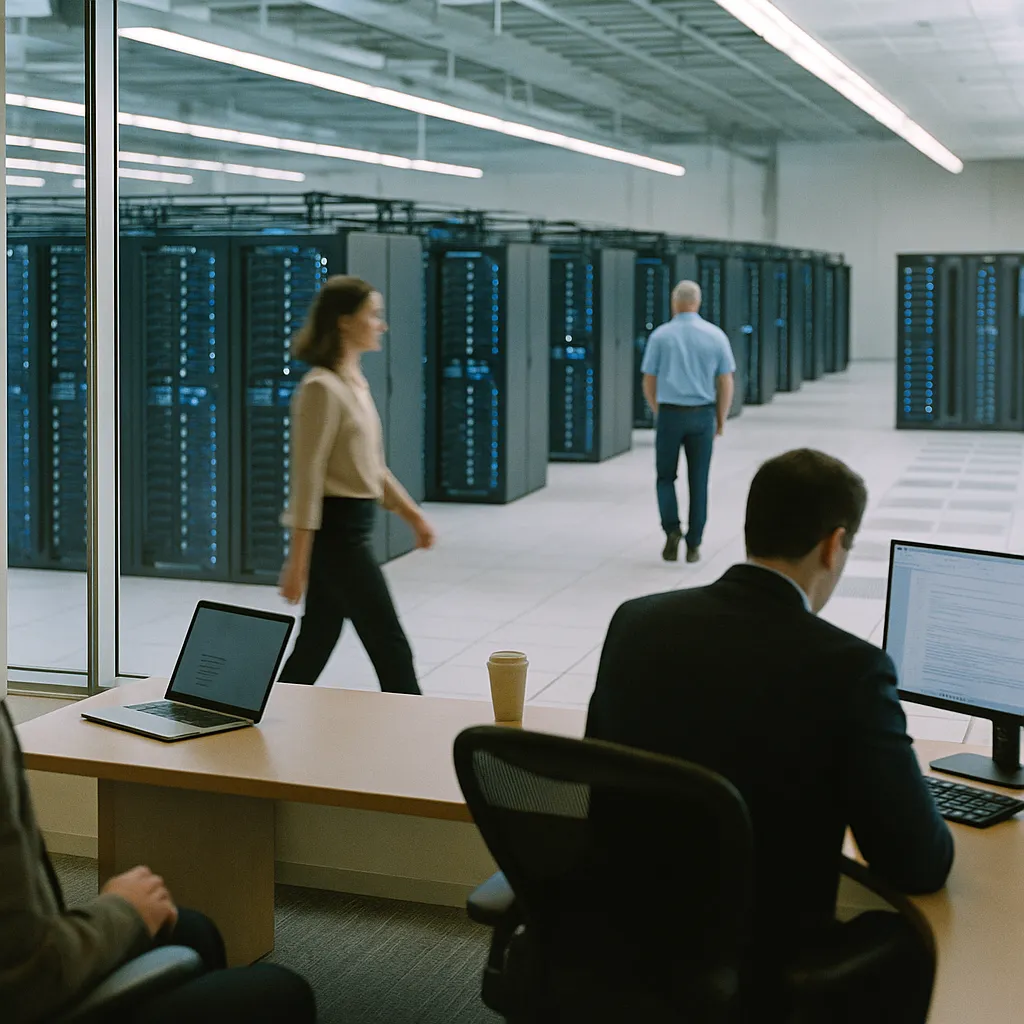
AI data center construction in the United States has reached a scale that is fundamentally reshaping commercial real estate, with construction spending on data centers now equal to total general office spending nationwide. A June 2026 analysis by The Real Deal documents the scope of that shift — and the intensifying community resistance that may constrain where the next wave of AI infrastructure gets built.
The context: For the past decade, commercial real estate's defining story was the office market: remote work, sublease glut, downtown vacancy. AI has scrambled that story. Data centers don't need commuter-friendly downtowns — they need power, water, fiber connectivity, and land. That set of requirements has directed billions in construction spending toward exurban and rural areas unaccustomed to large-scale industrial development, generating both economic opportunity and significant local conflict.
The Numbers
The scale is easier to grasp in specific markets. In the San Francisco Bay Area — the geographic center of the AI industry — companies have occupied 17 million square feet of space for AI operations. JLL, the commercial real estate services firm, projects an additional 20 to 35 million square feet of AI-occupied space in the region by 2030.
Nationally, data center construction spending has reached parity with general office construction — a crossover point that would have seemed implausible five years ago. During the pandemic-era office construction boom, offices represented the dominant category of commercial construction. The inversion reflects both the collapse of speculative office development and the explosion of hyperscale data center investment.
Key markets for data center development in 2026:
- Northern Virginia (Loudoun County) — The world's largest data center concentration, with ongoing expansion
- Phoenix / Chandler, Arizona — Tech hub with favorable land costs, now facing water constraint scrutiny
- Dallas–Fort Worth, Texas — Power infrastructure and no state income tax attract developers
- Columbus, Ohio and surrounding counties — Midwest expansion driven by Meta, Google, and Amazon
- Louisiana — Low land costs driving new entrants, generating community pushback
The Opposition Is Organizing
The community resistance The Real Deal documents is no longer isolated NIMBYism — it is becoming a coordinated political movement in several states.
Louisiana: Residents near proposed data center sites in rural parishes have organized opposition citing groundwater usage, industrial lighting, and noise from cooling systems. The state legislature considered — though did not pass — legislation requiring environmental impact assessments for data centers above a certain power threshold.
Arizona: Maricopa County, home to much of Phoenix's tech infrastructure, is under scrutiny for data center water consumption. Large data centers use evaporative cooling systems that can draw millions of gallons of water per year from an already stressed Colorado River basin. The Arizona Department of Water Resources has flagged data center water consumption as a planning concern in its latest long-range assessment.
Get this in your inbox.
Daily AI intelligence. Free. No spam.
Michigan: Communities in western Michigan near proposed hyperscale sites have raised land-use concerns, particularly around agricultural land conversion.
Texas: Opposition in suburban Dallas has centered on traffic, property values near industrial-scale facilities, and strain on local electrical infrastructure before utility upgrades are completed.
The common thread across these locations is a mismatch between the economic benefits (primarily construction jobs and tax revenue) and the ongoing costs (power demand, water usage, visual and noise impact) that fall disproportionately on nearby residents.
What AI Is Doing to Brokers and Analysts
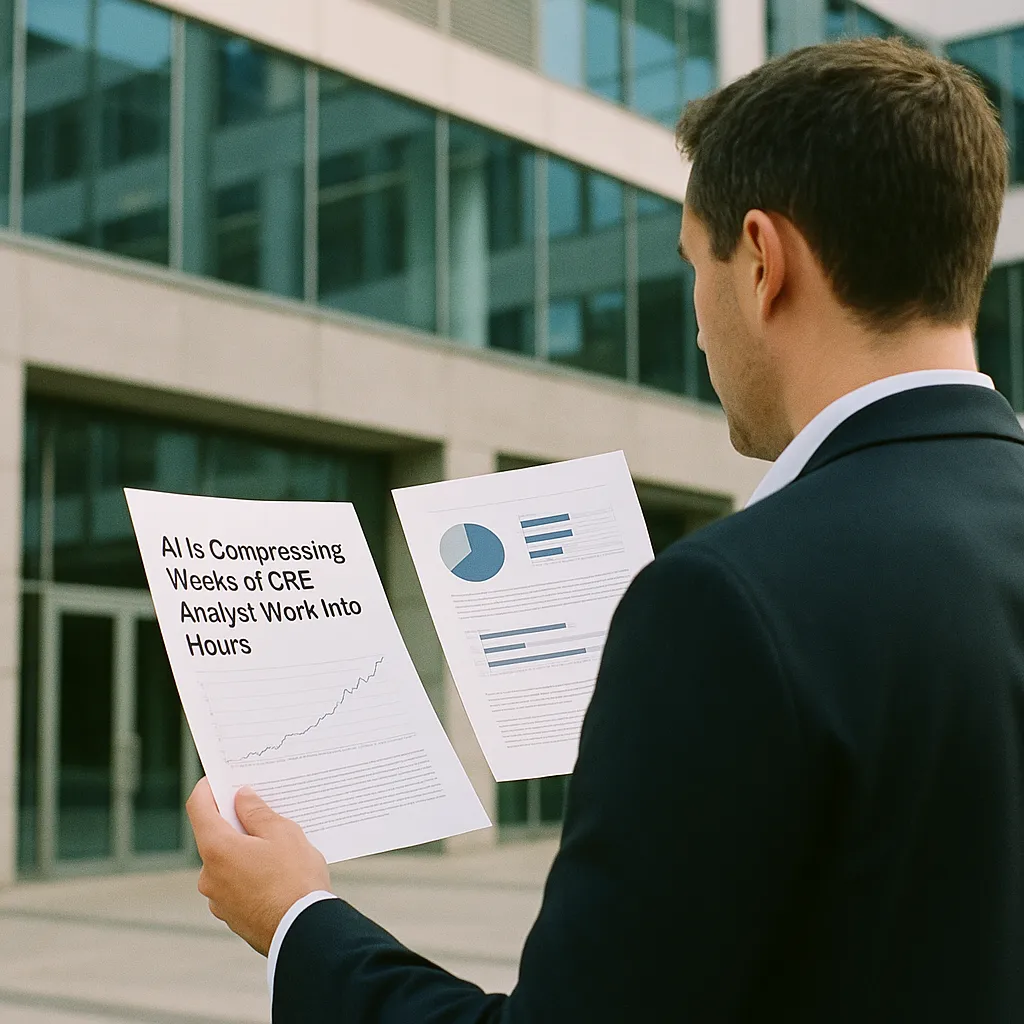
The same technology driving data center demand is simultaneously threatening the broker and analyst headcounts that commercial real estate has historically relied on. The Real Deal's analysis notes that AI tools are being deployed to automate lease comps research, property valuation modeling, due diligence document review, and market trend analysis — tasks that have traditionally required junior analysts and researchers.
This creates an odd dynamic: AI is the most powerful demand driver the commercial real estate industry has seen in decades, and it is also the technology compressing the workforce that would normally service that demand. Major brokerage firms including CBRE, JLL, and Cushman & Wakefield have all introduced AI-assisted research tools that reduce the analyst hours required per transaction.
For junior professionals entering commercial real estate, the calculus is shifting. The roles most at risk are the entry-level research and data positions that historically provided on-ramps into the industry. Roles in client relationships, site selection advisory, and complex deal structuring — which require local knowledge, negotiation skill, and trust relationships — are more durable.
The Regulatory Horizon
Several federal and state developments are likely to shape data center siting in the next 18 months:
The White House Office of Science and Technology Policy has been developing guidelines for data center energy and water use disclosures as part of the broader federal AI infrastructure agenda. Mandatory reporting could accelerate community opposition by making consumption data publicly accessible.
At the state level, Arizona and Nevada — two of the fastest-growing data center markets — are both advancing legislation that would require water impact assessments as a condition of local permitting approval. If those bills pass, they create a precedent other water-stressed states will follow.
For real estate developers and hyperscale operators, the implication is clear: the era of frictionless data center siting is ending. Environmental review, community engagement, and utility coordination are becoming longer and more expensive parts of the development timeline.
What to Watch
The JLL projection of 20–35 million additional square feet of AI-occupied space in the Bay Area by 2030 is the headline number to track. If community opposition, water constraints, or grid capacity limits slow development in preferred markets, watch for the next tier of data center markets — the Carolinas, Georgia, and the Pacific Northwest — to absorb demand that Arizona and Texas struggle to accommodate. Also watch for data center REITs' earnings calls to surface the first signs of project delays attributable to permitting or community opposition.
By Hector Herrera
Did this help you understand AI better?
Your feedback helps us write more useful content.
Get tomorrow's AI briefing
Join readers who start their day with NexChron. Free, daily, no spam.