Toyota Motor has established Toyota Robotics as a standalone division, using operational data from its global manufacturing network to build and sell commercial robots. The move positions the world's largest automaker as a physical AI platform company.
Toyota has formally established Toyota Robotics as a standalone business division, drawing on operational data from its global network of manufacturing plants to build and deploy commercial robots at scale. The move redefines Toyota's identity — from the world's largest automaker to a physical AI platform company — and signals that traditional heavy manufacturers are no longer content to buy robots from others when they can build and sell their own.
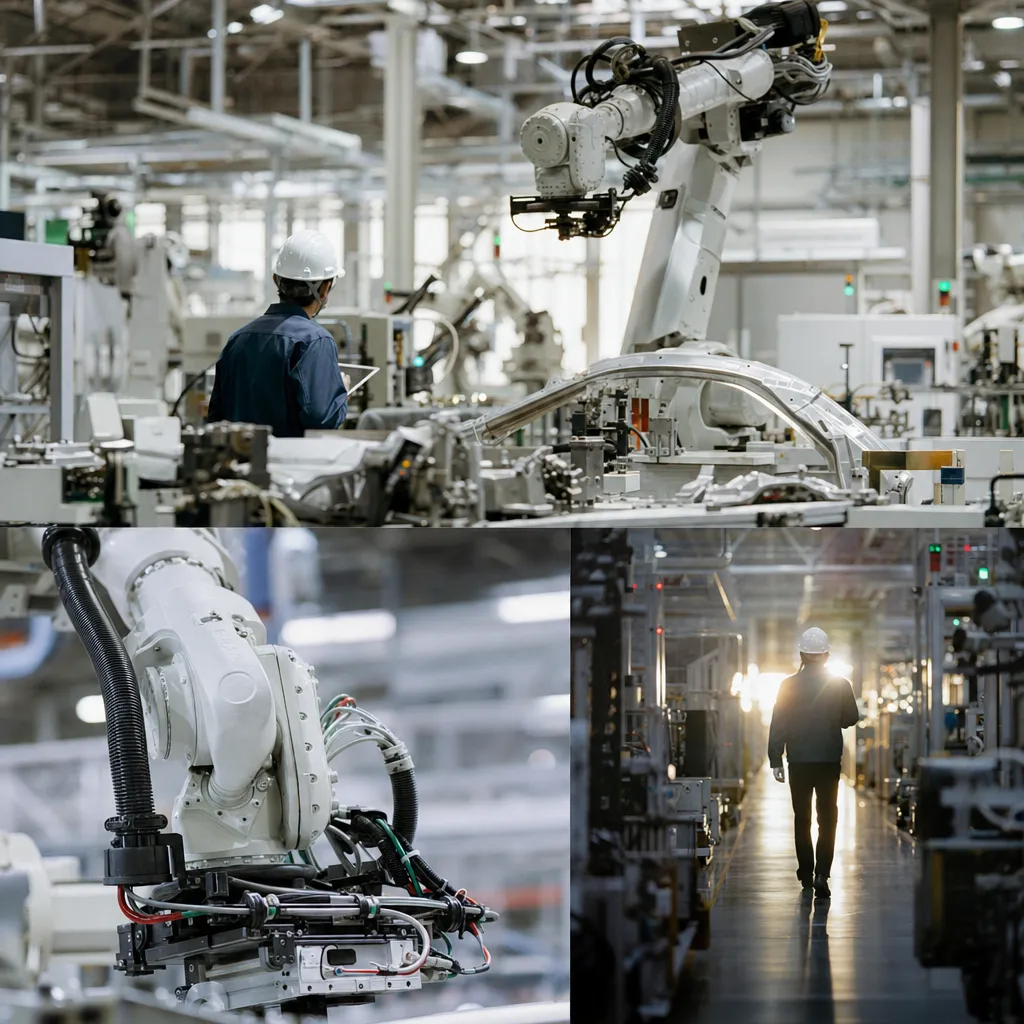
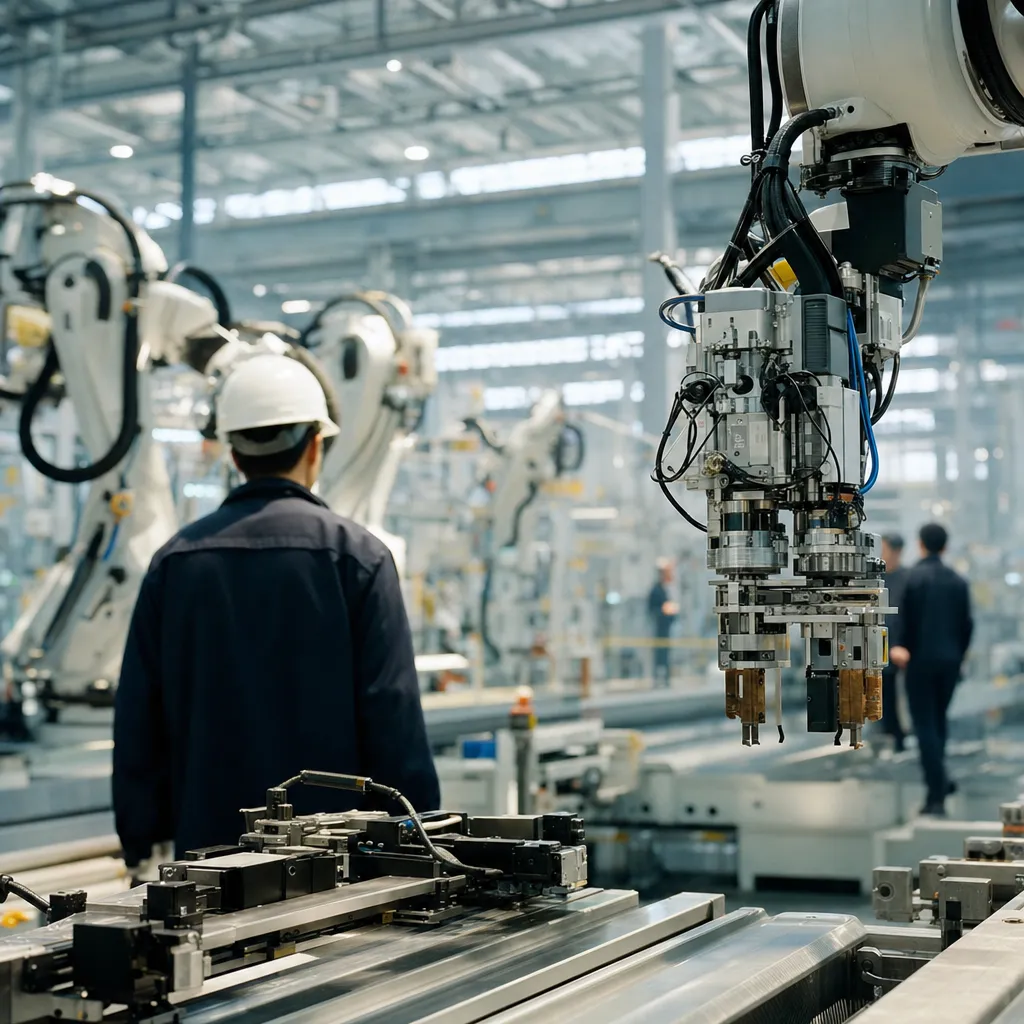
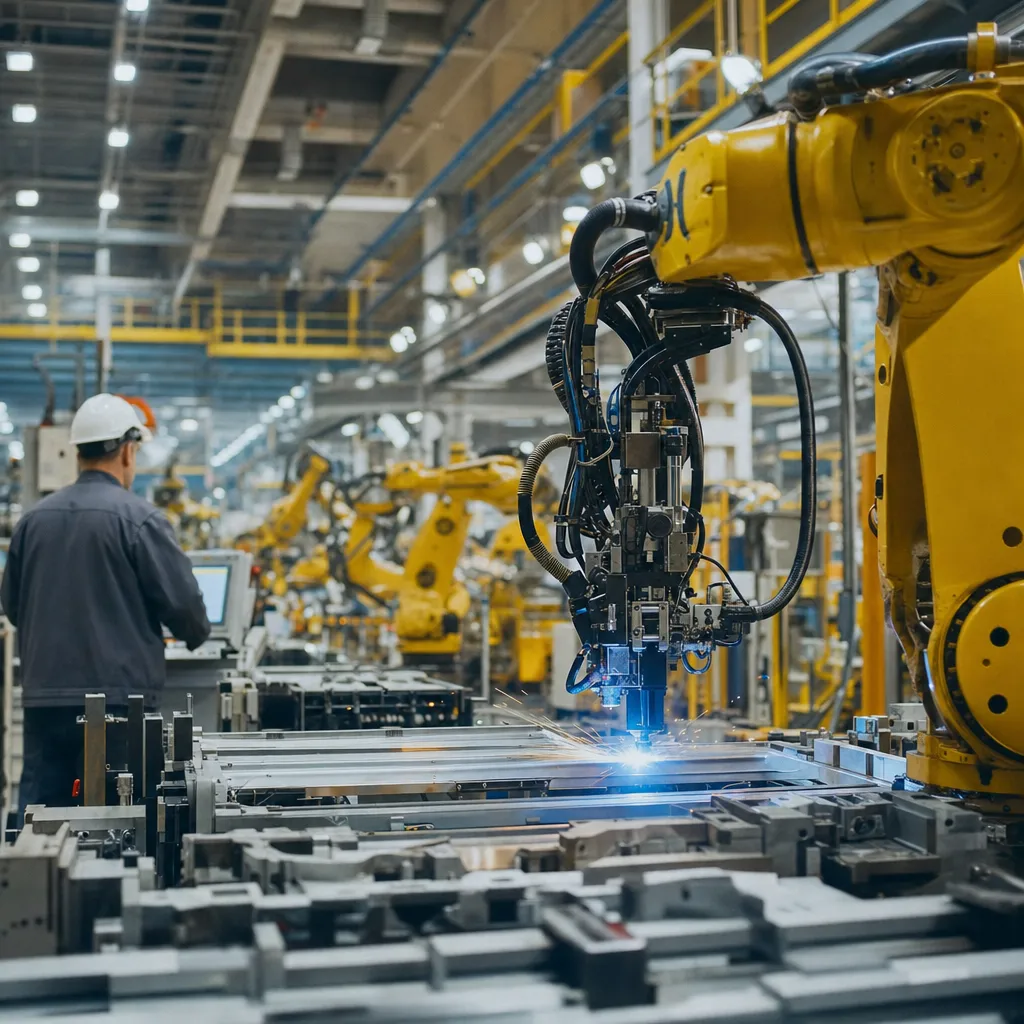
Toyota has been quietly assembling this capability for years. Its factories are among the most robotically dense in the automotive industry, and each production line generates continuous streams of motion data, sensor readings, and quality-control feedback. That data asset is now being treated as a foundation for robotics products rather than internal proprietary knowledge. The new division will commercialize what Toyota has learned from running robots in real-world, high-stakes manufacturing conditions — something purpose-built robotics startups lack.
A Strategic Pivot, Not Just a Reorganization
Standing up a dedicated robotics division is a structural commitment. It means dedicated P&L, dedicated headcount, dedicated roadmap — all pointing toward a business that generates revenue from robotics rather than just cost savings.
Toyota joins a small list of industrial companies that have made this pivot. Siemens, Fanuc, and ABB have long operated as dedicated robotics businesses. But those companies built their robotics operations from scratch as robot makers. Toyota is doing something different: converting decades of experience as a robot user into the foundation for a robot maker business.
The distinction matters because operational data is the scarce resource in physical AI. Building a robot that can handle the complexity and variability of a real factory floor requires training data that you can only get from real factory floors. Toyota has that data. Most startups don't.
Get this in your inbox.
Daily AI intelligence. Free. No spam.
Physical AI's Moment
The timing aligns with a broader surge in physical AI investment. Nvidia's GR00T 2 model, unveiled this week at the Conference on Robot Learning, is explicitly designed for general robot manipulation — and Nvidia is betting that the physical AI market is large enough to anchor an entirely new product category on top of its chip business. Figure AI, 1X, Apptronik, and Boston Dynamics are all raising capital at significant valuations for humanoid and industrial robotics.
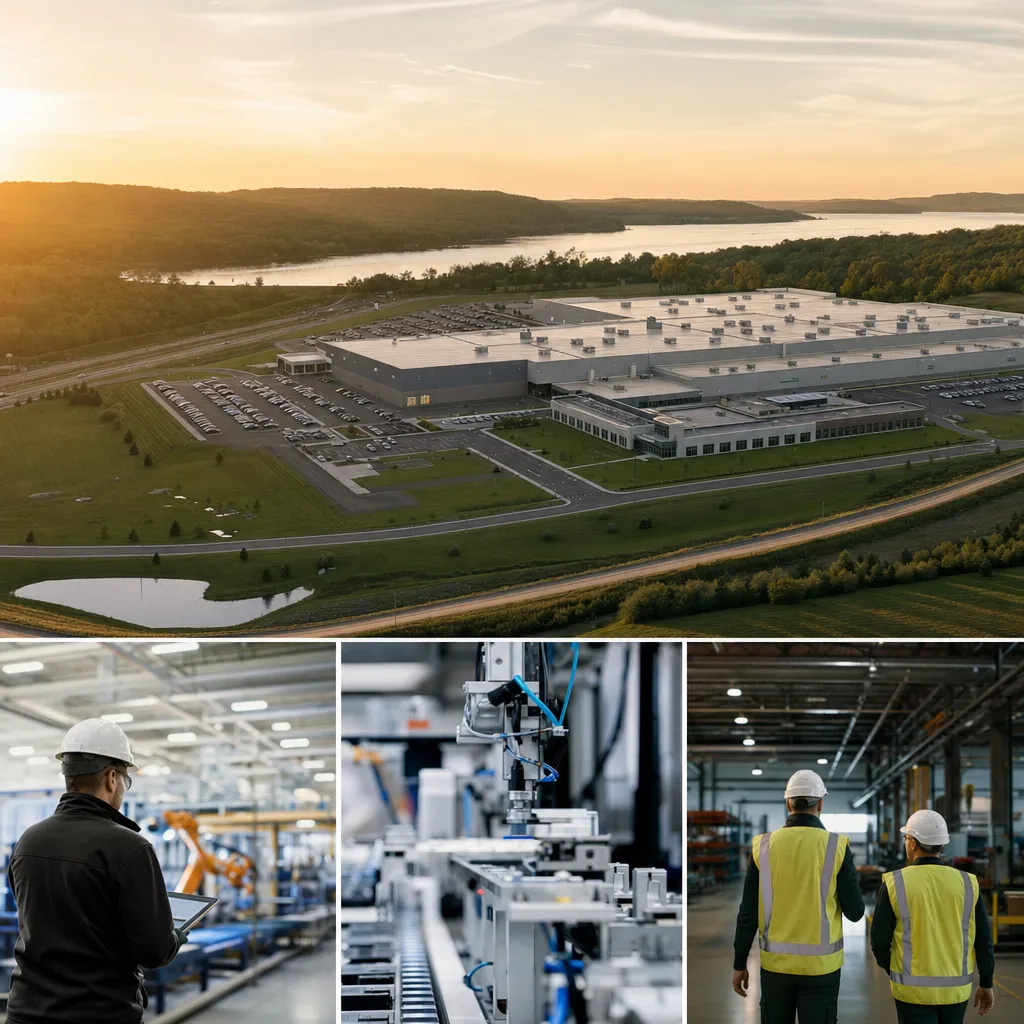
Toyota is positioning Toyota Robotics to compete in that environment — not just as a buyer of these technologies but as a provider of them. The company's global manufacturing footprint spans more than 50 facilities across 29 countries, generating operational data at a scale that virtually no pure-play robotics company can replicate.
According to Digitimes, the new division will leverage that factory data as a core competitive asset — using it to train AI models that make Toyota's robots more capable in real-world manufacturing conditions than what competitors can produce from synthetic data or controlled lab environments.
What This Means for Industrial AI
For manufacturers watching this move, the implications are significant:
- Proprietary operational data is a moat. Toyota is demonstrating that the most valuable robotics asset isn't the robot hardware — it's the training data from deploying robots at scale over years.
- Vertical integration is back. The tech industry spent the last decade separating hardware from software. Toyota is reassembling them, vertically integrating its robot hardware, its AI models, and its manufacturing know-how into a single commercial product.
- Traditional manufacturers are revaluing their data. Toyota almost certainly isn't the last legacy industrial company to look at its operational data and realize it has something robotics startups would pay to acquire or license.
For Toyota's competitors in automotive — Ford, Volkswagen, GM, Hyundai — the question is no longer whether to invest in robotics AI but whether they can build a parallel business fast enough to matter.
What to Watch
Toyota has not publicly disclosed a commercial launch timeline or pricing structure for Toyota Robotics products. Watch for announcements at major manufacturing and robotics conferences in early 2027, and for signals about whether the division will operate as a standalone brand or sell through Toyota's existing industrial channels. The initial product focus — whether on humanoid robots, collaborative arms, autonomous guided vehicles, or software — will determine how directly Toyota Robotics competes with Nvidia, Figure AI, and the established industrial robot vendors.
Source: Digitimes, November 2026
Did this help you understand AI better?
Your feedback helps us write more useful content.
Get tomorrow's AI briefing
Join readers who start their day with NexChron. Free, daily, no spam.