ROBOTWORLD 2026 opened November 4 in South Korea with 402 exhibitors from 17 countries, marking the industry's shift from demo-stage robots to AI-driven manufacturing systems.
ROBOTWORLD 2026 Opens in South Korea With 402 Exhibitors and a Focus on Physical AI Manufacturing
By Hector Herrera | November 5, 2026 | Manufacturing
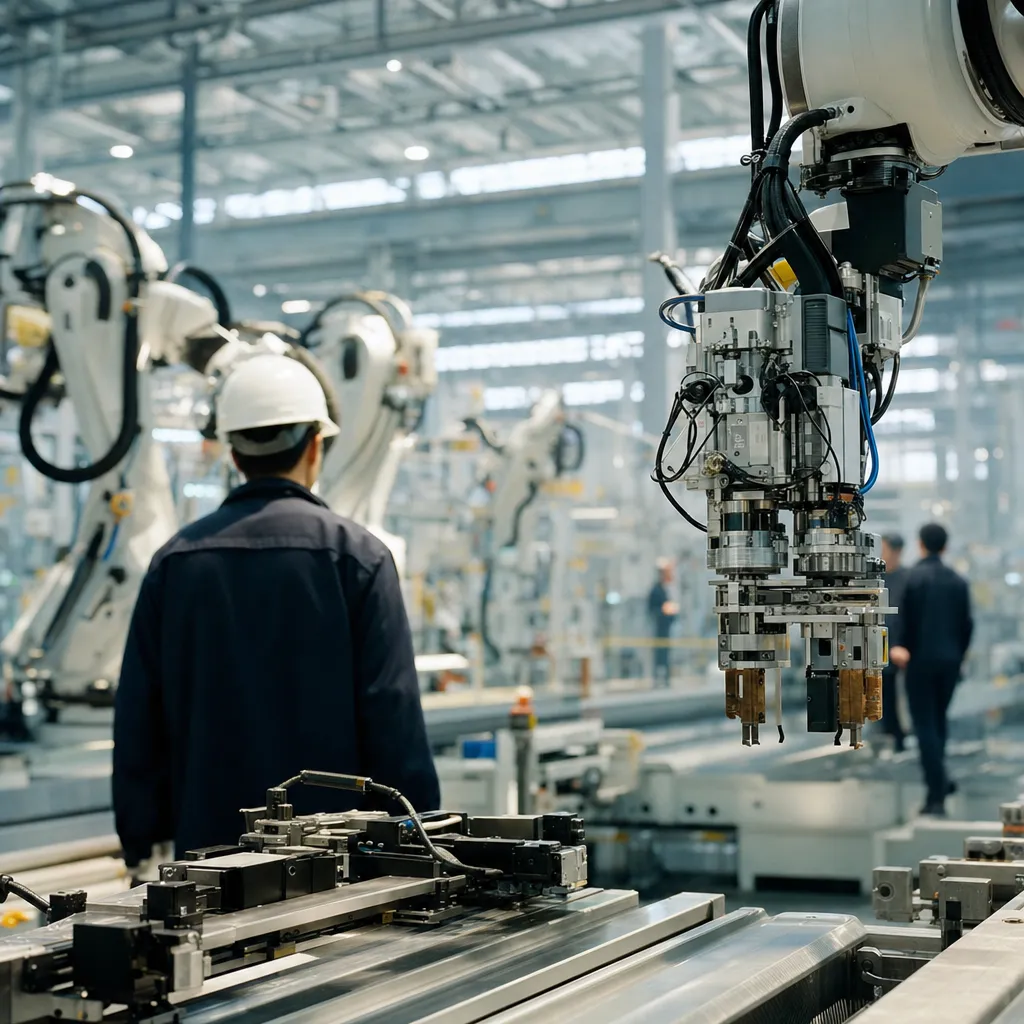
The world's largest robotics trade show opened November 4 in South Korea with a clear message: physical AI — robots that perceive, decide, and act in the real world — has moved out of research labs and into the factory consideration set. ROBOTWORLD 2026 at KINTEX in Goyang drew 402 exhibitors from 17 countries across 1,198 booths organized around physical AI, embodied intelligent humanoids, and AI-driven manufacturing systems.
The significance is not the scale — ROBOTWORLD has been large before. The significance is the framing. Previous years centered on automation hardware. This year, the organizing theme is AI-driven manufacturing systems where robots make decisions, not just movements.
What ROBOTWORLD 2026 Is
ROBOTWORLD 2026 runs November 4–7 at the Korea International Exhibition Center (KINTEX) in Goyang, South Korea. It is widely recognized as the world's largest robotics exhibition, drawing manufacturers, system integrators, component suppliers, and factory operators from across Asia, Europe, and North America.
The 2026 edition organized its exhibition floor around four clusters:
- Physical AI platforms — hardware designed from the ground up for AI inference, with onboard compute capable of running perception and decision models locally
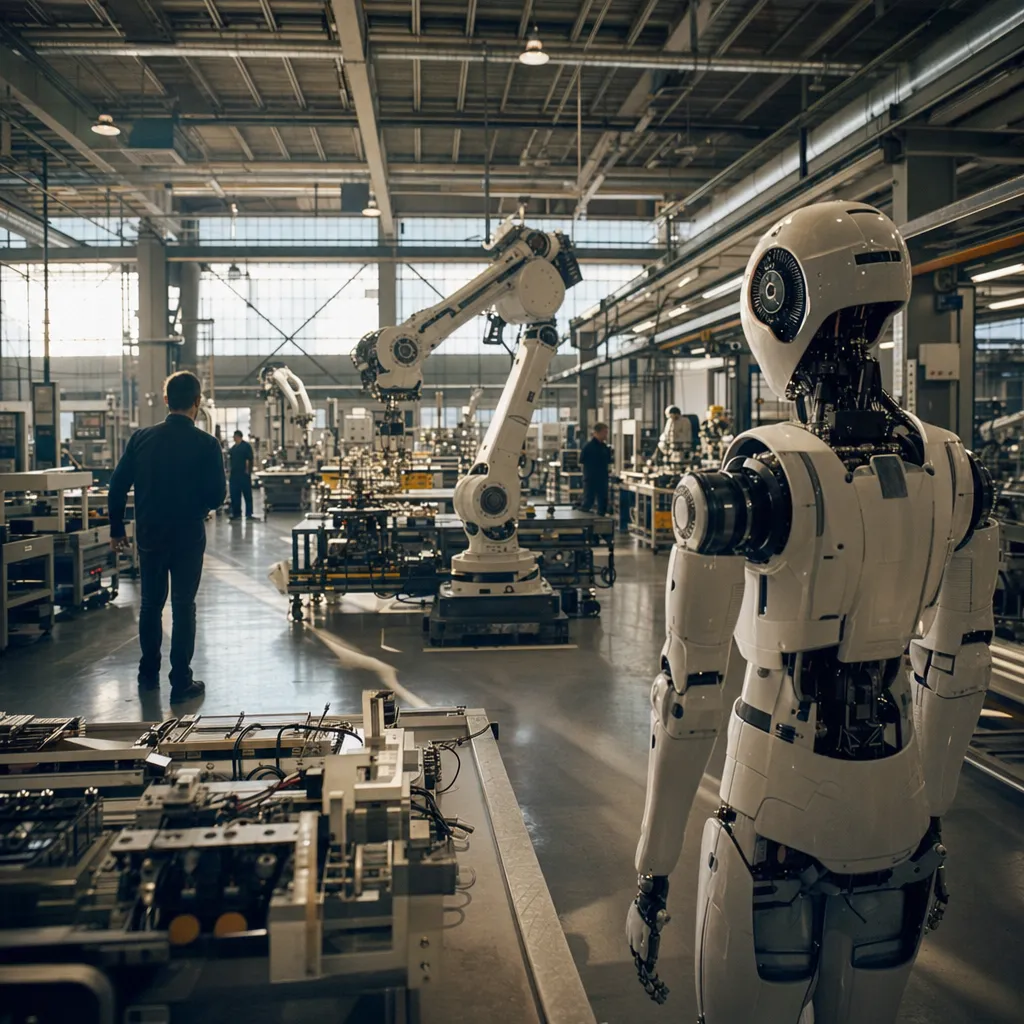
- Embodied intelligent humanoids — bipedal and upper-body robots from Korean, Chinese, Japanese, and US manufacturers at varying stages of commercial readiness
- AI-driven manufacturing systems — integrated production lines where AI manages quality inspection, throughput optimization, and anomaly detection
- Robot-AI integration toolchains — software platforms, simulation environments, and deployment frameworks for factory operators
The Physical AI Shift
"Physical AI" describes AI models that operate in and act on the physical world — as opposed to AI that processes text, images, or data in software. The distinction matters for manufacturing: a physical AI robot doesn't just execute a programmed sequence; it perceives its environment, identifies deviations from expected conditions, and adjusts its behavior in real time.
This capability is what enables robots to handle variability — the unstructured, unpredictable conditions that have historically kept robots confined to tightly controlled assembly-line niches. When a part arrives in slightly the wrong orientation, a physical AI system can recognize and adapt. A traditionally programmed robot stops and throws an error.
Get this in your inbox.
Daily AI intelligence. Free. No spam.
South Korea's focus on this transition is not accidental. Korean manufacturers — particularly in semiconductors, electronics, and automotive — face persistent labor shortages and wage pressures that make factory automation economically necessary. The country has the highest robot density per manufacturing worker in the world, and ROBOTWORLD reflects that the next competitive horizon is software-driven capability, not hardware volume.
Commercial Readiness: Still Partial
The honest read from ROBOTWORLD 2026 is that physical AI and embodied humanoids are transitioning from demonstration stage to limited commercial deployment — not wide commercial deployment.
Most humanoid robots at the show were running controlled demonstrations with curated tasks. The gap between demonstration environments and unstructured factory floors remains significant. Manufacturers are candid about this: the question is not whether AI-driven robots will reach commercial readiness, but on what timeline and at what cost per unit.
What is commercially ready today:
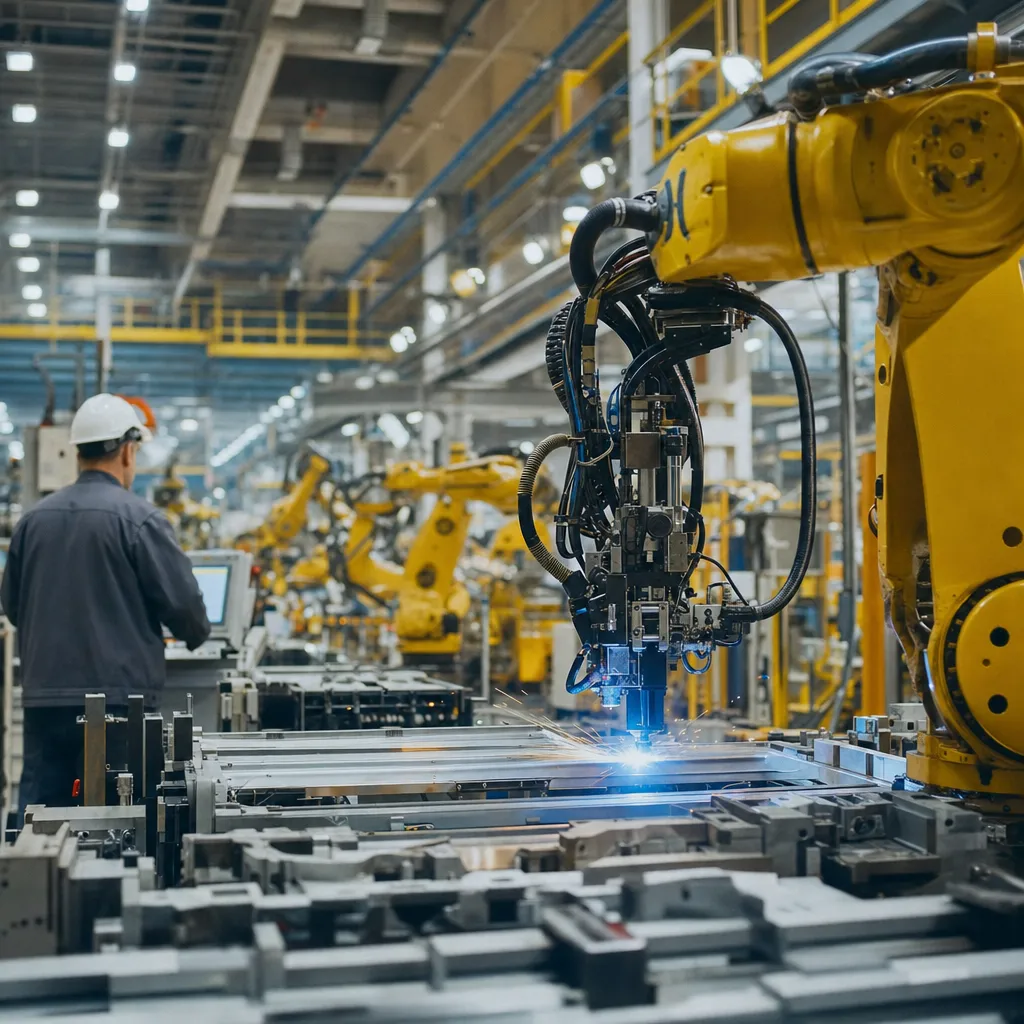
- AI-powered quality inspection systems (image-based defect detection at high throughput)
- Collaborative robots with AI-enhanced path planning and obstacle avoidance
- Warehouse automation with AI-driven dynamic task allocation
What is in limited commercial pilots:
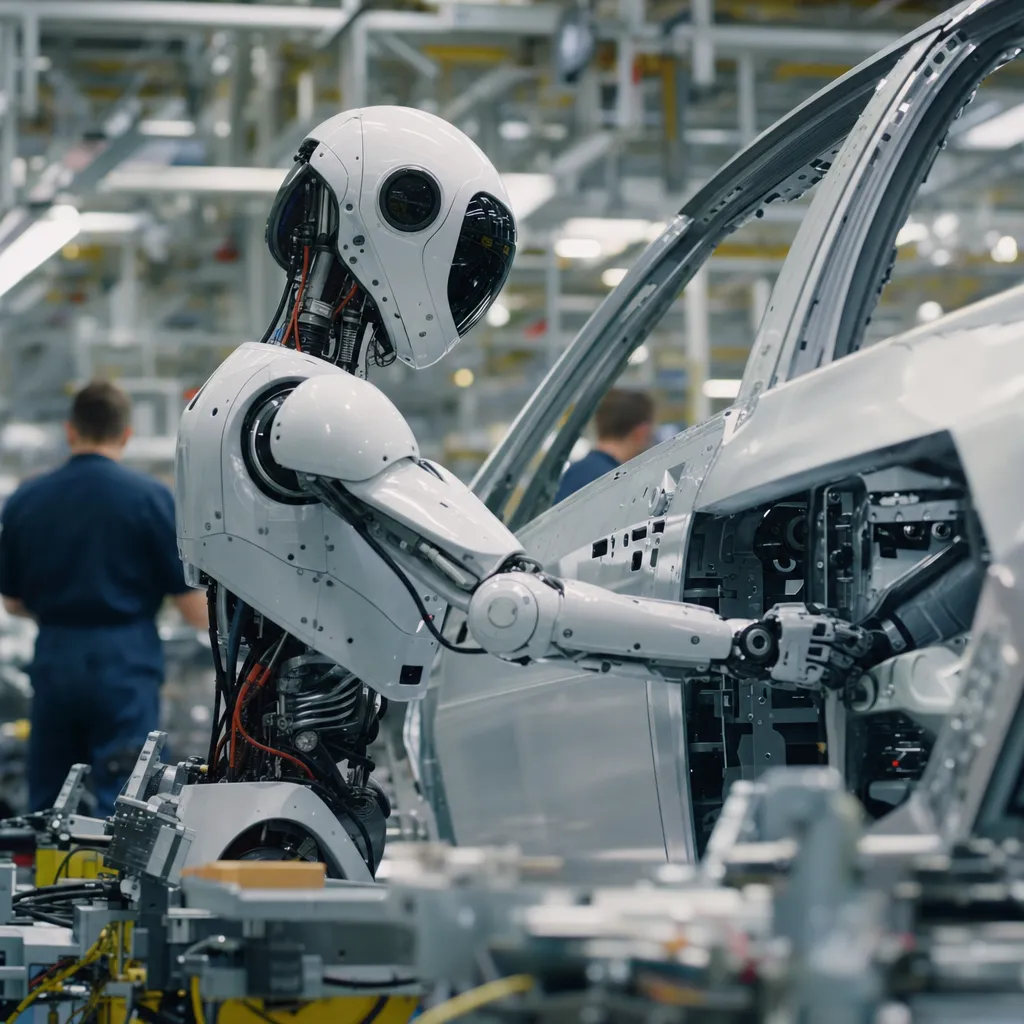
- Humanoid robots for specific, repetitive factory tasks
- Physical AI platforms for small-batch, high-mix manufacturing environments
What remains in R&D:
- General-purpose factory humanoids capable of unstructured task handling at production scale
Impact for Manufacturers
Factory operators attending ROBOTWORLD 2026 face a decision horizon of 12–36 months on physical AI integration. The near-term opportunity is in AI-enhanced quality and inspection — systems that overlay AI decision-making on existing robotic infrastructure rather than requiring wholesale replacement.
The medium-term question is humanoid deployment: when unit economics reach viability (current estimates range from $30,000–$100,000 per unit depending on capability tier), which factory functions will absorb the first wave?
Industries with the clearest near-term deployment paths: electronics assembly (high precision, high mix), automotive parts logistics (repetitive material handling), and semiconductor fabrication support (cleanroom operations where human presence carries contamination risk).
What to Watch
South Korea's government has signaled intent to accelerate robotics deployment through manufacturing subsidies and AI integration standards — watch for policy announcements in Q4 2026 that follow the ROBOTWORLD consensus. Also watch Chinese humanoid manufacturers: several were present at ROBOTWORLD with pricing significantly below US and Japanese competitors, which will pressure the market's cost trajectory and may force faster commercialization timelines across the industry.
Did this help you understand AI better?
Your feedback helps us write more useful content.
Get tomorrow's AI briefing
Join readers who start their day with NexChron. Free, daily, no spam.