Siemens demonstrated at SPS 2026 a robot that learns component handling by watching humans, an AI production planner that stress-tests schedules against digital twins, and a PLC-layer AI suite that works on existing factory hardware.
Siemens Unveils Physical AI Unpacking Robot and Autonomous Production Planner at SPS 2026
By Hector Herrera | November 26, 2026 | Manufacturing
Siemens demonstrated at SPS 2026 in Nuremberg on November 25 that factory AI is moving beyond monitoring and analytics into physical action and autonomous scheduling — with two systems that could reduce manual labor in component handling and production planning by meaningful percentages without replacing existing factory hardware.
The two centerpiece announcements at the annual industrial automation trade show were an autonomous robot that learns to unpack component reels by watching humans do it, and an Autonomous Production Planner that uses AI agents to simulate and validate factory schedules against digital twins before anything physically moves on the floor.
The Robot That Learns by Watching
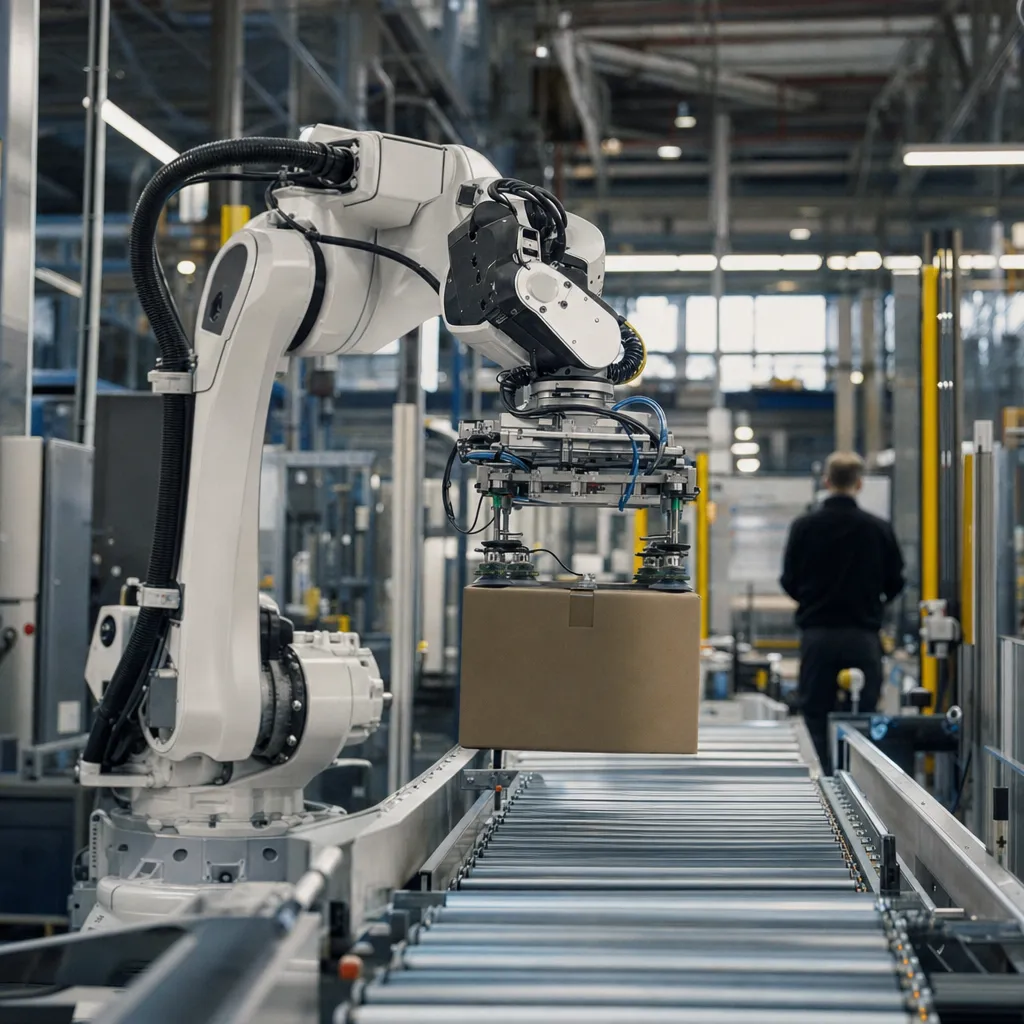
At Siemens' Erlangen Electronics Factory, a robotic system now handles the unpacking of component reels — the spools of resistors, capacitors, and chips used in electronics assembly — without manual programming. The robot uses vision foundation models (large AI models trained on visual data, similar in architecture to the models behind image generation tools) combined with learned human teleoperation data. In practice: workers performed the task while the system recorded their movements; the robot now replicates those movements on new reel configurations it has never seen before.
The significance is in what this replaces. Traditional industrial robots require meticulous programming for every new component type, orientation, or packaging variation. When a supplier changes reel dimensions, engineers must reprogram the robot — a process that takes time and skilled labor. A vision-foundation-model system generalizes from examples, reducing the reprogramming burden substantially.
The Production Planner That Stress-Tests Before Deploying
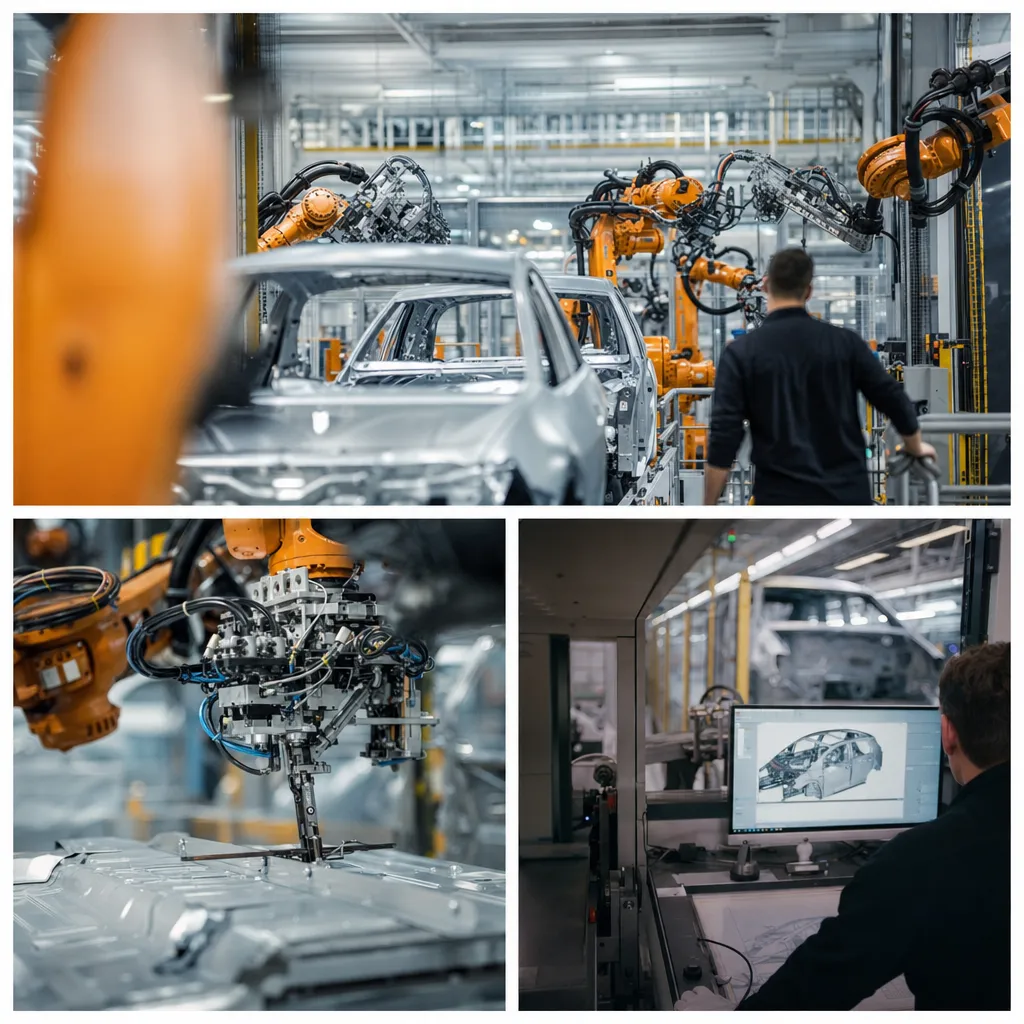
The Autonomous Production Planner is a software system, not a robot, but its impact on the factory floor is potentially larger. AI agents generate candidate production schedules, then run those schedules against physics-based digital twins (simulation models that reflect the actual physical constraints of machines, conveyors, and assembly stations) to identify bottlenecks, conflicts, and failure modes before the schedule goes live.
Siemens says the planner could reduce manual scheduling effort by 70 percent and cut costs by up to 20 percent. Those figures deserve scrutiny — they come from Siemens' own assessments, not independent audits — but they are directionally consistent with what digital twin simulation has demonstrated in automotive and aerospace manufacturing.
Get this in your inbox.
Daily AI intelligence. Free. No spam.
The planner operates as an agentic system: it doesn't just produce a schedule and hand it to a human. It iterates, tests, revises, and presents a validated plan. The human role shifts from schedule builder to schedule approver.
The Industrial AI Suite: No Hardware Replacement Required
The third component of the SPS announcement is the most broadly applicable for existing factories: an Industrial AI Suite that embeds AI directly into SIMATIC S7 PLCs — the programmable logic controllers that run most of the world's factory floor equipment.
SIMATIC S7 is the dominant PLC platform in European manufacturing. Embedding AI in the PLC layer means:
- AI-enabled motion control improvements without retooling existing equipment
- Real-time inference at the edge, not dependent on cloud connectivity
- Factories running 20-year-old Siemens hardware can access AI capabilities without capital investment in new equipment
This matters because the factory modernization conversation often assumes replacement cycles. The Industrial AI Suite argues for an upgrade path instead.
What This Means for Manufacturing
The three systems together address the three main constraints on factory AI adoption: physical task automation (the unpacking robot), planning and scheduling (the Autonomous Production Planner), and installed-base accessibility (the Industrial AI Suite on existing PLCs).
For factory operators evaluating AI investments:
- The PLC integration path is the lowest friction entry point — existing hardware, existing Siemens support contracts
- The Production Planner targets a known pain point: scheduling is high-effort, error-prone, and immediately consequential when it fails
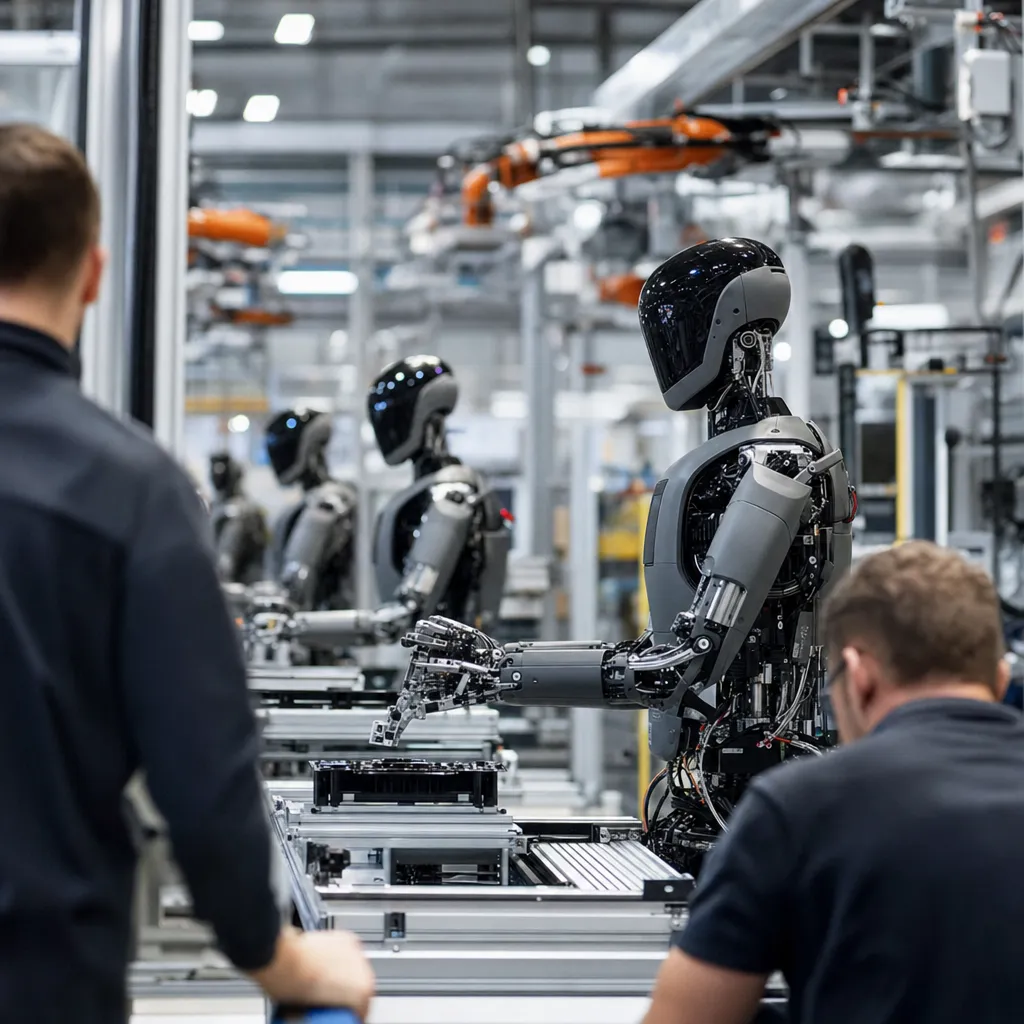
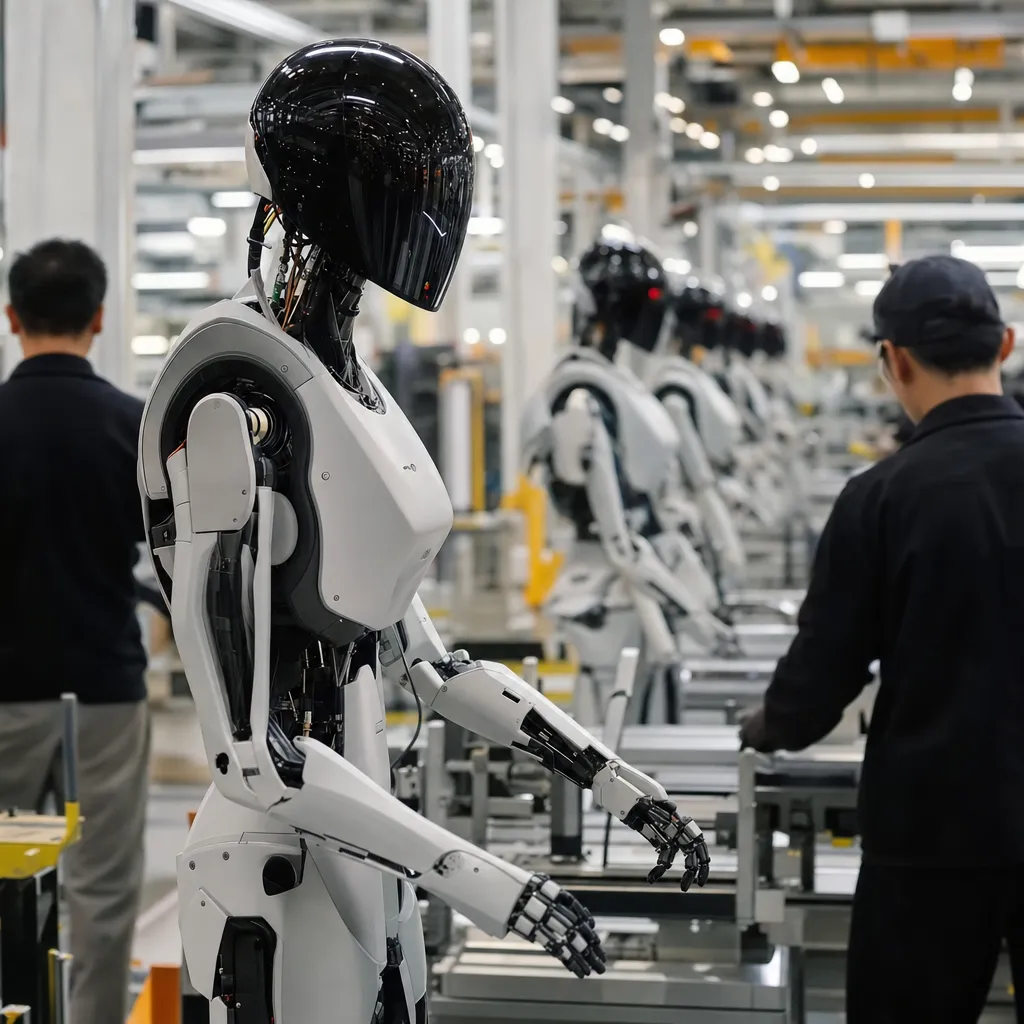
- The unpacking robot is a preview of physical AI at the component-handling level — expect this category to expand to more manual operations in Siemens' roadmap
The 70 percent scheduling effort reduction figure is the number to test against in any real-world deployment. Siemens has the customer base — hundreds of large manufacturers on SIMATIC infrastructure — to generate that validation data quickly if it makes the systems commercially available on a reasonable timeline.
What to Watch
Watch for Siemens' commercial availability announcements for the Autonomous Production Planner and Industrial AI Suite in Q1 2027. SPS announcements often lead commercial release by one to two quarters. Also watch for competitor responses from Rockwell Automation, ABB, and Fanuc, all of which are developing analogous AI-at-the-edge factory systems. The PLC-layer AI integration race will determine which installed base becomes the dominant AI manufacturing platform.
Source: Robotics and Automation News — SPS 2026 coverage
Did this help you understand AI better?
Your feedback helps us write more useful content.
Get tomorrow's AI briefing
Join readers who start their day with NexChron. Free, daily, no spam.