Volvo is training AEON wheeled humanoid robots at its Ghent, Belgium vehicle assembly plant to support factory workers on repetitive tasks, targeting production deployment in 2027 — one of the first confirmed humanoid robot integrations at a major European automaker operating at scale.
Volvo Is Training Humanoid Robots at Its Belgium Factory, Targeting Production Deployment in 2027
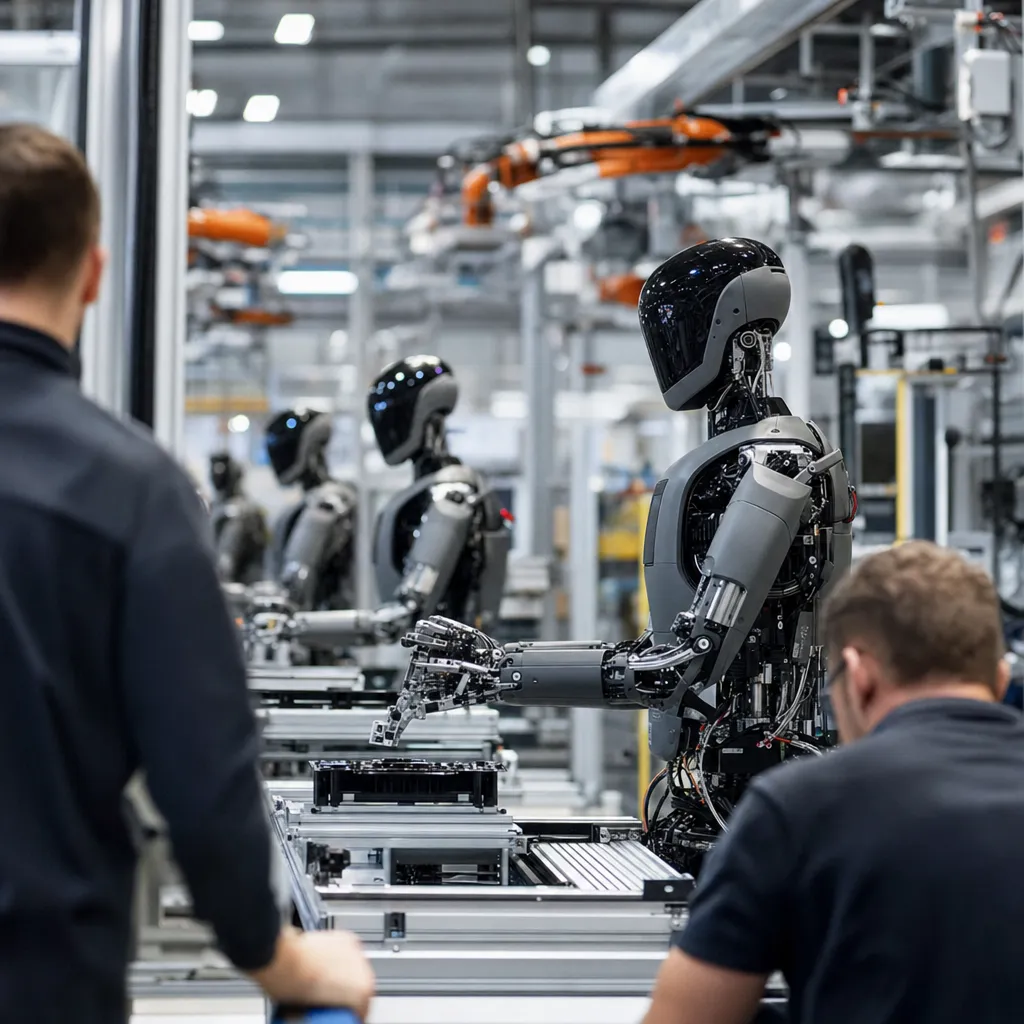
Volvo is training AEON wheeled humanoid robots at its vehicle assembly plant in Ghent, Belgium, giving factory workers robotic support on repetitive physical tasks with a target of moving into full production deployment in 2027. The Ghent trial is one of the first confirmed humanoid robot integrations at a major European automaker operating at scale — not in a controlled demonstration environment — and places Volvo alongside BMW, Mercedes, and Tesla in a race to operationalize humanoid robots on vehicle assembly lines before the decade ends.
What AEON Robots Are Being Asked to Do
AEON wheeled humanoids are not being asked to assemble entire vehicles. The trial targets repetitive, physically demanding tasks that experienced assembly workers currently perform for hours each shift — the kind of work that contributes to musculoskeletal injuries over time and is straightforward enough in its motion requirements that a well-trained robot can match human performance.
Specific tasks under evaluation at the Ghent plant include:
- Moving components between workstations
- Positioning parts for human workers to assemble
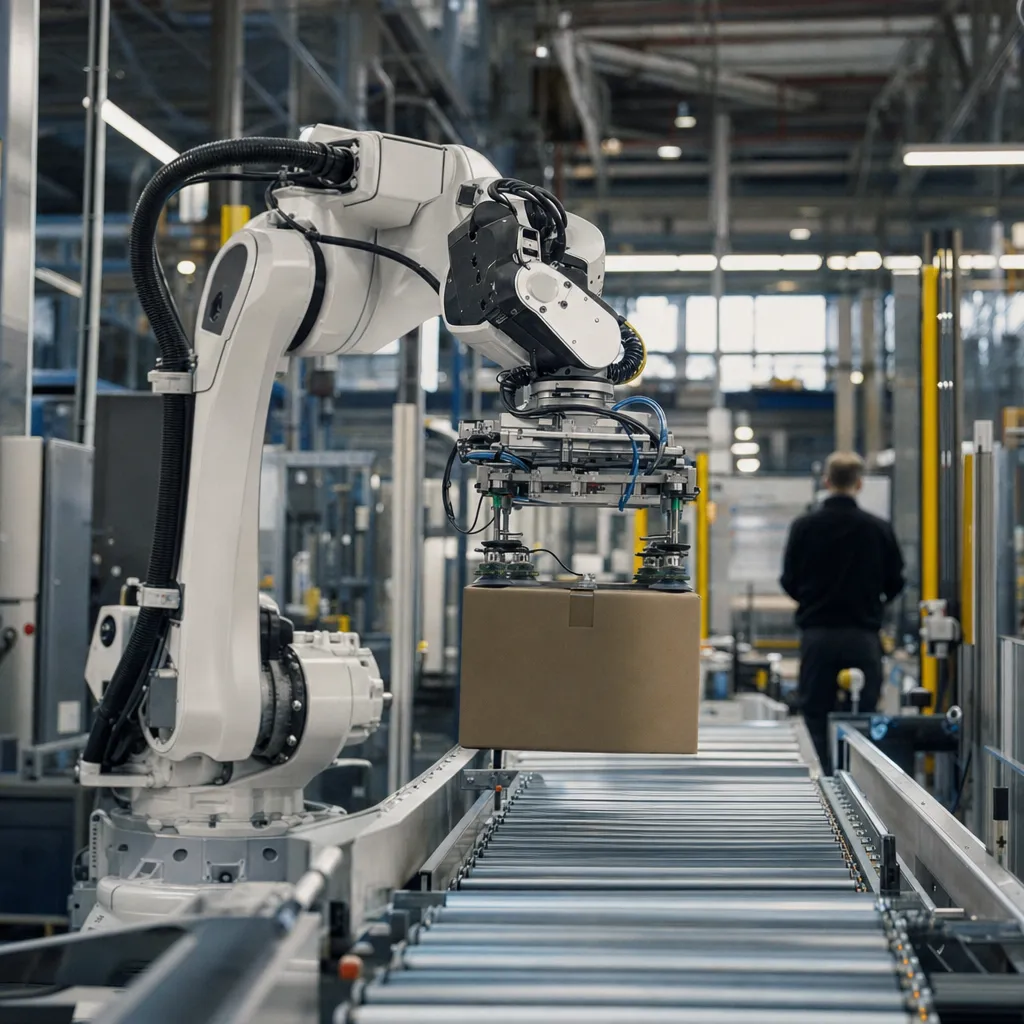
- Handling repetitive manipulation tasks where the motion sequence is consistent across thousands of units
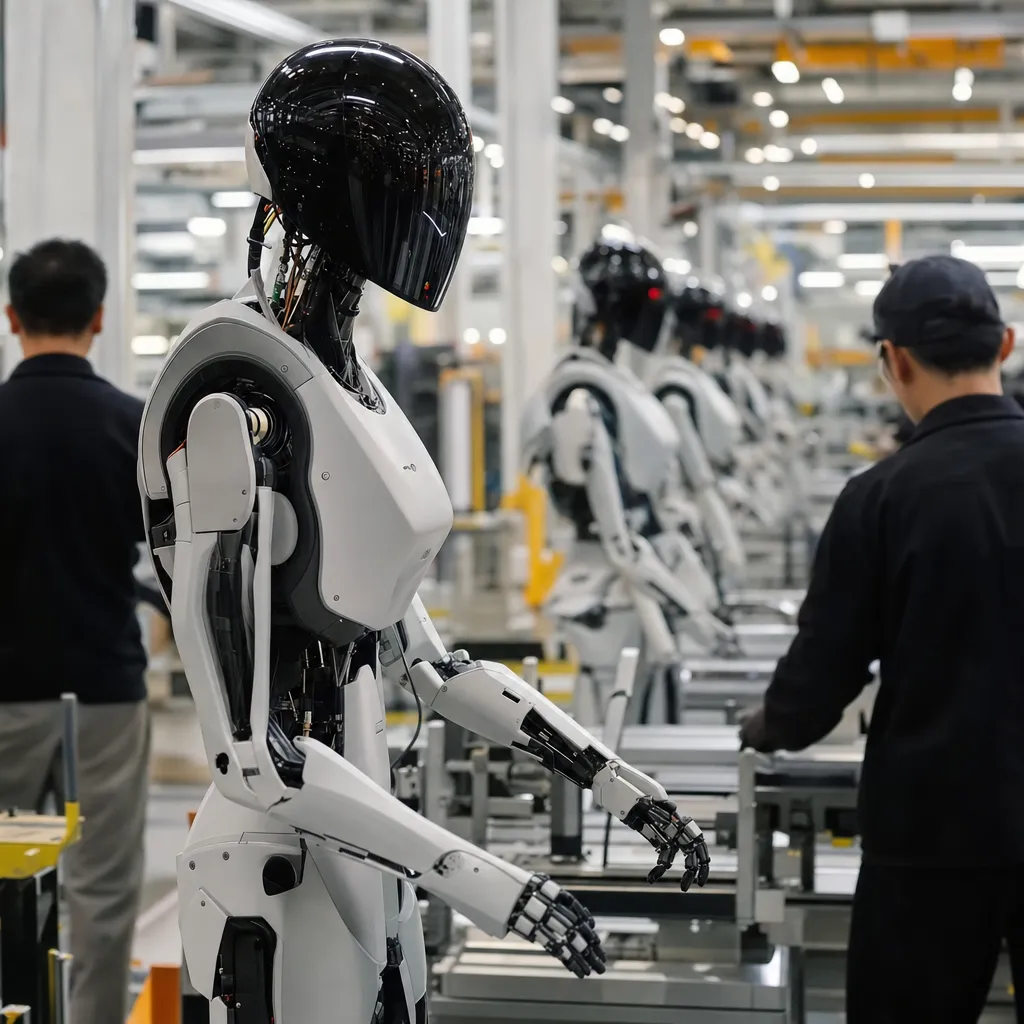
The wheeled base of the AEON design — rather than legs — reflects a practical choice for factory floor deployment. Legged humanoids (Boston Dynamics' Atlas, Agility Robotics' Digit) have demonstrated impressive mobility across varied terrain but require significantly more compute and sensor infrastructure to navigate reliably in dynamic human environments. Wheeled humanoids sacrifice terrain versatility for reliability and speed, which is the right tradeoff on a factory floor that is flat, well-mapped, and predictable.
Ghent as the Test Site
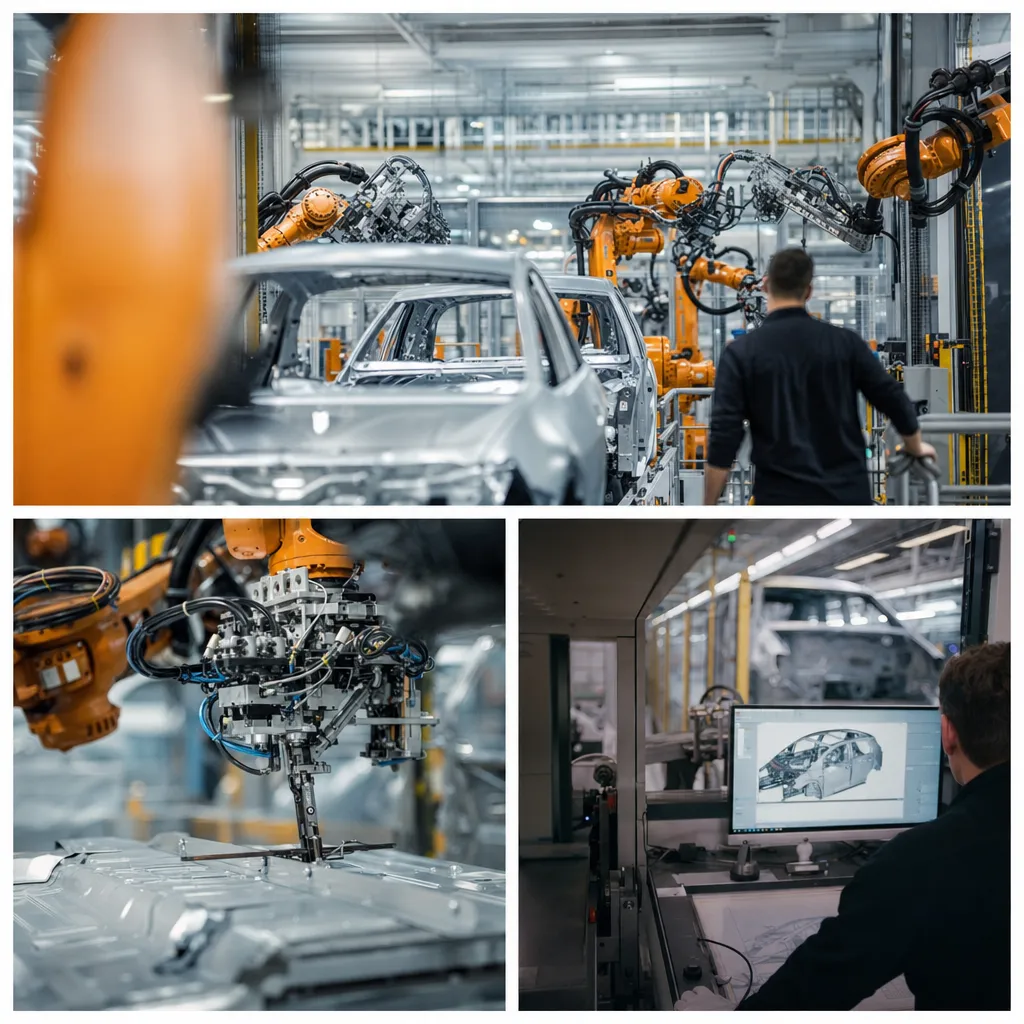
Volvo's Ghent plant is one of the highest-output car assembly facilities in Europe, producing multiple vehicle models on shared lines including the Volvo EX30, EX40, and C40 Recharge. It employs approximately 6,500 workers and runs production around the clock.
Testing humanoid robots at Ghent specifically — rather than a dedicated demonstration center — signals that Volvo is treating this as an operational trial, not a press event. The robots are working alongside production workers on live assembly lines, subject to real production schedules and quality requirements. That is a materially different level of commitment than the controlled robot demos most automakers have run over the past three years.
Get this in your inbox.
Daily AI intelligence. Free. No spam.
Whether the 2027 production deployment target holds depends on how the current trials resolve the central challenge of humanoid factory integration: not whether the robot can perform the motion, but whether it can perform it reliably enough, fast enough, and safely enough to fit into a production line without slowing throughput or creating safety incidents.
The European Automaker Race
Volvo's Ghent trial puts it in direct competition with:
- BMW, which has been running Figure 02 humanoid robots at its Spartanburg, South Carolina plant in the US and has expressed intent to extend humanoid trials to its European facilities
- Mercedes-Benz, which partnered with Apptronik to deploy Apollo humanoids across its manufacturing operations
- Tesla, which has the most ambitious humanoid agenda of any automaker — targeting internal Optimus deployments in its own factories before any external sales — and has claimed 1,000-unit factory deployments in 2026
The first major European automaker to achieve stable production deployment of humanoid robots on a live assembly line will set the benchmark for labor productivity, automation investment payback periods, and worker displacement planning that the entire European manufacturing sector will reference.
For Volvo specifically, humanoid automation is part of a broader manufacturing evolution tied to its electric vehicle transition. EV assembly requires different worker skills than internal combustion assembly, and the transition period creates an opportunity to redesign production workflows rather than simply automating existing ones.
Worker Implications
Volvo has not disclosed whether the AEON trials are covered by its existing collective bargaining agreements or what commitments the company has made to unions representing Ghent workers about displacement. This is not a minor procedural question. Belgium has strong labor protections, and the Ghent plant's workforce is represented by unions that will have formal input into any changes to production staffing models.
The pattern at BMW's Spartanburg trials is instructive: robots were deployed on tasks that the plant described as ergonomically hazardous for human workers, framed as augmentation rather than replacement. Whether Volvo takes a similar approach — positioning humanoids as taking over injury-risk tasks while redeploying affected workers — or pursues net headcount reduction will shape both the pace of rollout and the labor relations environment it operates in.
What to Watch
The 2027 target for production deployment is aggressive. Achieving it requires AEON robots to pass safety certification for operating alongside humans in a live production environment under Belgian workplace safety regulations — a certification process that has no established precedent for wheeled humanoids on EU factory floors. Watch for whether Volvo announces the production deployment on schedule or shifts the timeline to 2028, and for whether competing announcements from BMW or Mercedes accelerate or compress the timeline pressure on Volvo's Ghent operations.
Source: Interesting Engineering, November 2026
Did this help you understand AI better?
Your feedback helps us write more useful content.
Get tomorrow's AI briefing
Join readers who start their day with NexChron. Free, daily, no spam.