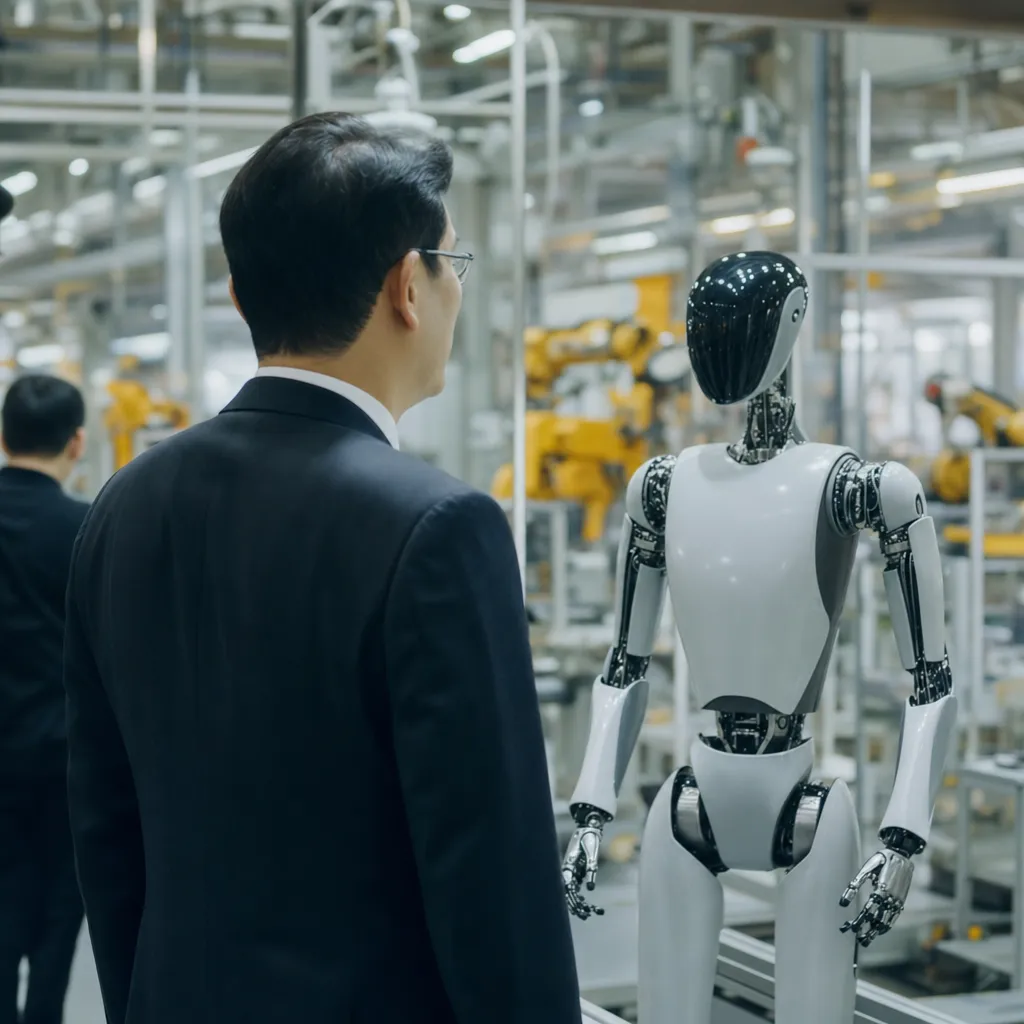
Samsung Electronics Chairman Lee Jae-yong made a personal visit to the robotics research center on October 27, elevating humanoid robots to a core hardware pillar and committing to commercialization as Chinese and US rivals are already shipping units.
Samsung Chairman Lee Jae-yong Reviews Humanoid Robots, Commits to Commercial Push
By Hector Herrera | October 30, 2026
Samsung Electronics Chairman Lee Jae-yong made a personal visit to the company's robotics research center on October 27, reviewing humanoid robot development and signaling a formal commitment to commercialization. The visit elevates physical AI — AI embedded in robotic systems designed to operate in human-built environments — to a core pillar of Samsung's hardware strategy and positions the company to compete in a market where its rivals are already shipping commercial units.
According to Digitimes, Lee assessed Samsung's readiness to enter a humanoid robotics market that has moved rapidly from research demonstration to commercial deployment in 2026. When Samsung's chairman makes a personal review visit and publicly commits to a market, the company's subsequent resource allocation typically follows within one to two quarters.
Where Samsung Currently Stands
Samsung's robotics research program has been active for years, primarily through Samsung Research. The company has produced prototype systems and participated in academic partnerships, but it has not shipped a commercial humanoid robot product. In 2026, that absence is a visible competitive gap.
The companies that moved first are now accumulating deployment data that will compound into engineering advantage:
- Chinese manufacturers including Unitree and UBTECH have moved humanoid robots into factory trials and limited commercial deployments in 2026
- US companies including Boston Dynamics, Figure AI, and Apptronik have secured commercial contracts with automotive and logistics firms
- Tesla's Optimus entered limited factory deployment within Tesla's own manufacturing facilities earlier this year
Samsung's challenge is not that it lacks component capabilities. The company designs and manufactures semiconductors, displays, sensors, and battery systems — all critical elements in humanoid robot hardware. The gap is integration: turning world-class component manufacturing into a coherent product that competes with companies whose entire focus is robotics.
Get this in your inbox.
Daily AI intelligence. Free. No spam.
Why Humanoid Robots, Why Now
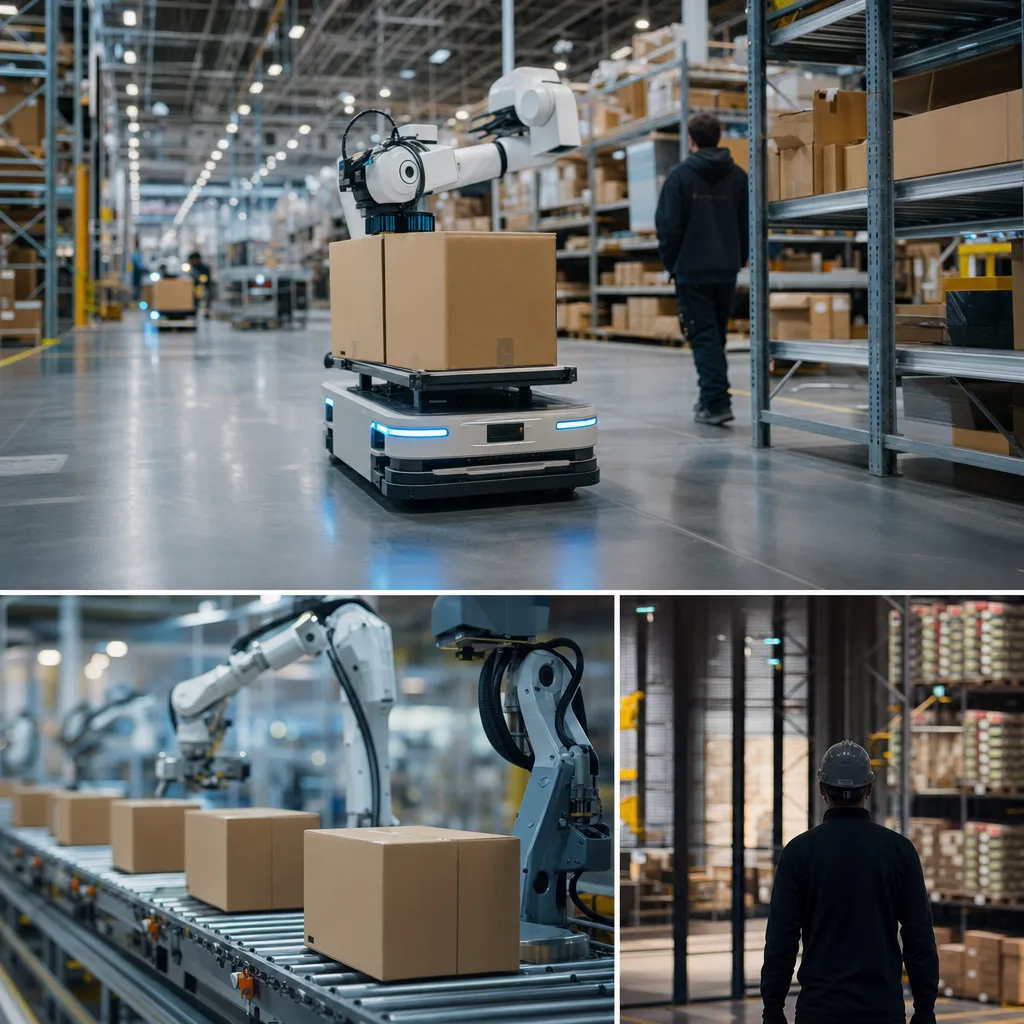
The humanoid form factor addresses a specific problem in manufacturing and logistics: most industrial environments are built for humans, not purpose-built for specialized robots. A warehouse designed for human workers has stairs, door handles, standard pallet formats, and variable floor conditions. Wheeled autonomous systems handle some of these environments but require infrastructure modifications. Humanoid robots, in principle, do not.
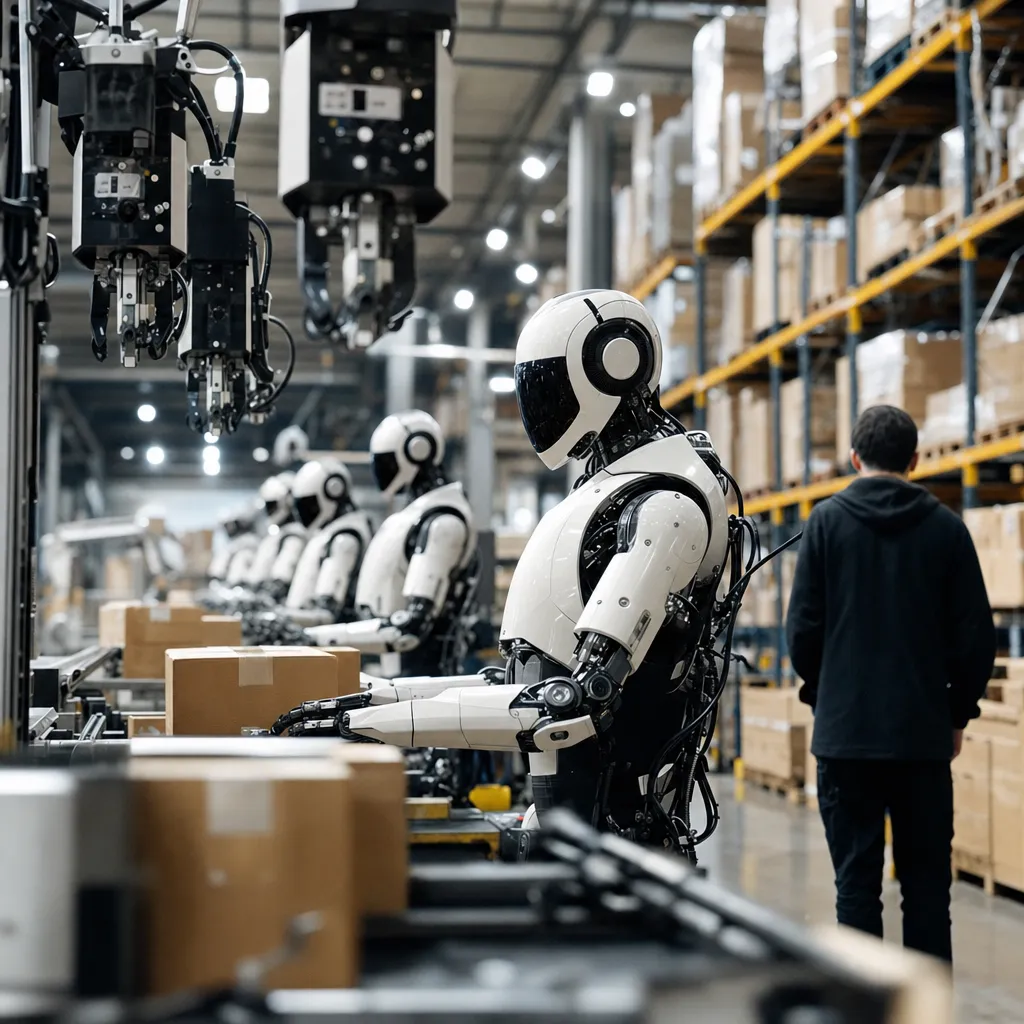
That adaptability is the commercial pitch. A humanoid robot can walk onto a factory floor alongside human workers, use existing tools, and work standard shifts without the facility redesign that purpose-built industrial robots require. As the AI systems controlling these robots have improved in 2025 and 2026, that pitch has become increasingly credible.
For Samsung specifically, the commercial logic runs in two directions. First, deploying humanoid robots in Samsung's own manufacturing facilities — where labor costs are significant and precision requirements are high — represents a captive first-use case. Second, an external market for robotics hardware and software would be a substantial new revenue line for a company already competing across consumer electronics, semiconductors, and display technology.
Samsung's Competitive Advantages
The company enters this market with genuine hardware strengths that matter for robotics:
- Semiconductor capability: Samsung Semiconductor designs and manufactures AI inference chips. Edge AI — the ability to process sensor data and make decisions onboard the robot — depends on efficient, powerful compute. Samsung can build this component to spec.
- Battery technology: Samsung SDI produces battery cells used across electric vehicles and consumer electronics. Mobile robotics depend on energy density and thermal management. Samsung has deep expertise in both.
- Sensor and display technology: Perception systems in humanoid robots rely on cameras, depth sensors, and fast displays for interface. Samsung manufactures across this stack.
The question Lee was reportedly evaluating is whether these component advantages can be assembled into a product fast enough to matter in a market where first movers are already building operational track records.
What to Watch
Whether Samsung announces a commercialization timeline or a partner program within the next two to three quarters. Lee's direct involvement historically accelerates internal decision timelines at Samsung — the company tends to move deliberately until the chairman signals urgency, and then it moves fast.
The near-term signal to watch is whether Samsung SDI and Samsung Semiconductor announce product lines explicitly targeting humanoid robotics. Component divisions announcing robotics-specific products would indicate the commercialization commitment is being operationalized rather than remaining at the strategy level.
The broader market signal: Samsung's entry would add significant hardware manufacturing capacity to a sector that has been supply-constrained. That could accelerate adoption timelines industry-wide, particularly if Samsung pursues a components-supply model alongside its own robot product.
Did this help you understand AI better?
Your feedback helps us write more useful content.
Get tomorrow's AI briefing
Join readers who start their day with NexChron. Free, daily, no spam.