SoftBank's acquisition of ABB's robotics division consolidates two of the world's largest robot platforms under one owner, as Audi and BMW confirm humanoid robots are operating on live factory floors.
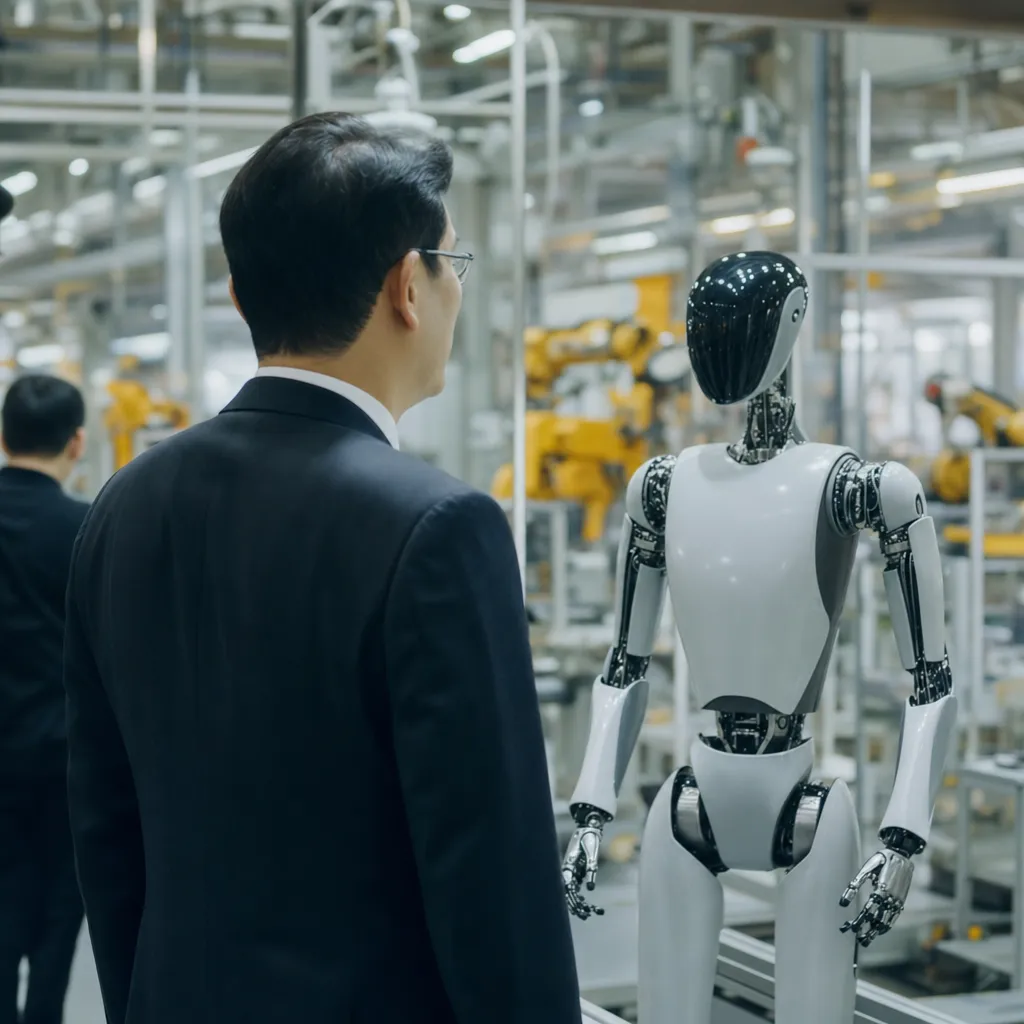
ABB Group has sold its robotics division — one of the world's largest industrial robot manufacturers — to SoftBank, which already owns Boston Dynamics. The acquisition places two of the most consequential robot platforms on earth under a single ownership structure. At the same time, Audi and BMW have moved humanoid robots from demo environments into live production, confirming that the factory automation investment cycle is maturing into operational reality. North American robot orders rose 24.8% in Q3 2026 — the largest quarterly increase in three years.
SoftBank Becomes the Dominant Robot Platform Owner
The ABB Robotics acquisition is the most significant industrial robot industry consolidation in more than a decade. ABB is one of the four major incumbents in industrial automation, alongside FANUC, KUKA, and Universal Robots — with a global installed base spanning automotive, electronics, food and beverage, pharmaceuticals, and logistics manufacturing.
Boston Dynamics, acquired by SoftBank in 2021, brought a different capability: bipedal and quadrupedal robots designed for dynamic, unstructured environments. Spot, the quadruped, is already deployed across oil platforms, inspection operations, and warehouse environments globally. Atlas, Boston Dynamics' humanoid, is in active commercial development for factory tasks.
The ABB acquisition adds ABB's industrial arm expertise, global manufacturing relationships, and established automation software to that portfolio. The combined entity spans both ends of the robot market:
- ABB: Precision manufacturing, fixed industrial arms, established enterprise relationships
- Boston Dynamics: Dynamic environments, bipedal and quadrupedal form factors, AI-driven mobility
No competitor can currently match that combined coverage. FANUC, KUKA, and Universal Robots are now competing against a better-capitalized and more integrated rival.
Humanoids in Production: Audi and BMW
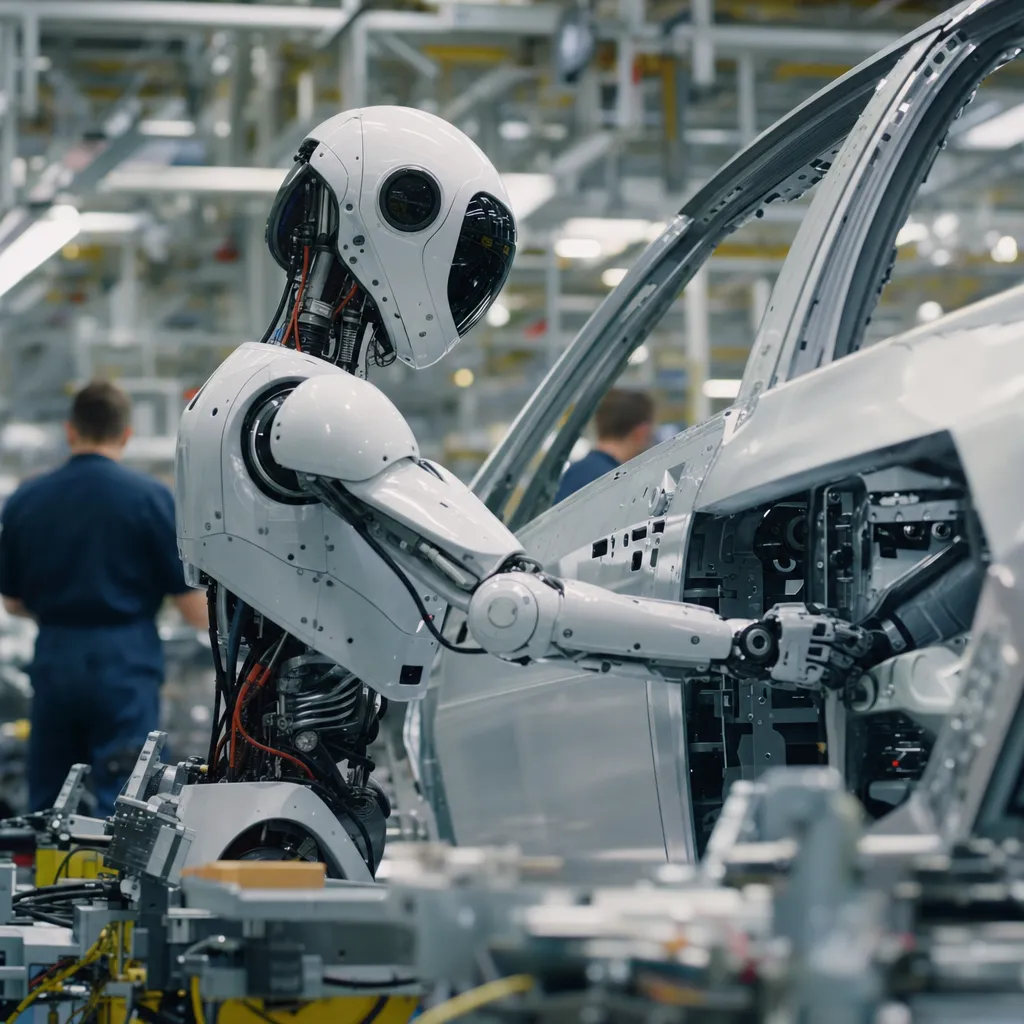
Separate from the SoftBank consolidation, two of the world's most quality-demanding automotive manufacturers have confirmed humanoid robots are operating on live production floors — not in pilots, not in demonstrations, but integrated into their manufacturing lines.
Get this in your inbox.
Daily AI intelligence. Free. No spam.
Automotive plants are among the most rigorous quality control environments anywhere. These facilities have used robotic arms for decades. The bar for a humanoid to earn floor time is correspondingly high.
What humanoids offer that fixed robotic arms do not:
- Facility reuse — humanoids work in spaces designed for humans, eliminating costly facility redesign required for traditional automation
- Task flexibility — a humanoid can be reassigned across workstations as production needs change; a fixed arm cannot
- Variable-task handling — tasks with high geometric variability or irregular inputs, where fixed automation underperforms, are a native strength for humanoids trained on large manipulation datasets
Audi and BMW deploying humanoids in live production is not a marketing exercise. It is a proof point that the technology has crossed the threshold of practical utility in one of the world's most demanding manufacturing environments.
The Numbers Behind the Cycle
- North American robot orders: +24.8% in Q3 2026, the largest quarterly jump since the post-COVID automation surge of 2022-2023
- ABB Robotics: Installed across tens of thousands of manufacturing facilities globally; one of the top three industrial robot suppliers by market share
- Boston Dynamics Spot: Deployed at more than 1,000 enterprise sites globally as of mid-2026
The 24.8% order surge is not exclusively about humanoids — traditional robot arm orders are also accelerating, driven by reshoring investment and labor cost pressures in North America. But humanoid deployments at tier-1 automotive manufacturers will accelerate adoption decisions across the automotive supply chain.
What This Means for Manufacturers
For large manufacturers: The SoftBank consolidation simplifies a critical vendor relationship question. As ABB and Boston Dynamics integrate engineering and distribution infrastructure, manufacturers gain access to a broader automation stack — from precision manufacturing to dynamic-environment deployment — through a single commercial relationship.
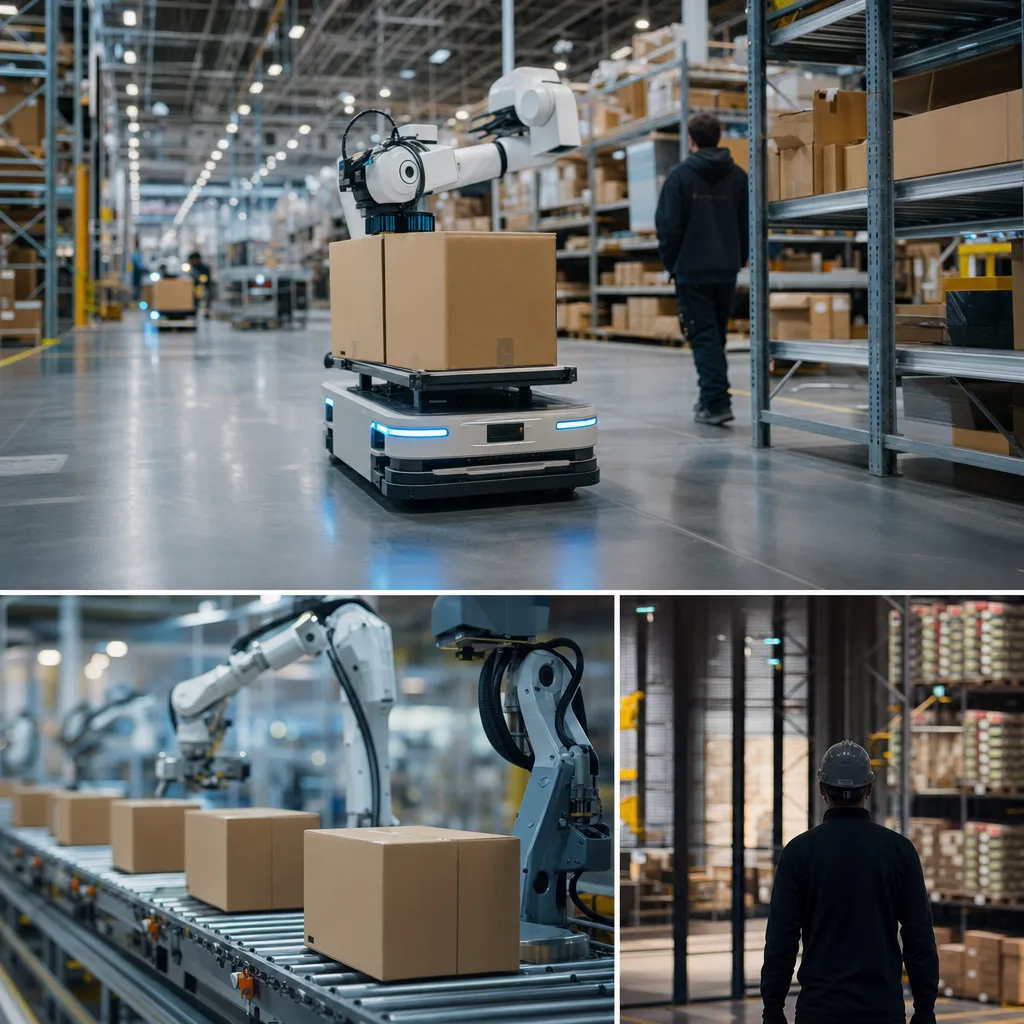
For mid-market manufacturers: Robot costs are declining as order volumes rise. The mid-market, which has historically under-automated due to cost and complexity barriers, is clearly buying — the Q3 order data shows this is not a large-enterprise-only phenomenon.
For automation vendors: FANUC, KUKA, and Universal Robots now face a rival with greater capitalization, broader platform coverage, and deeper AI integration capability. Competitive responses in product roadmap and pricing should be expected within four to six quarters.
What to Watch
The integration timeline for ABB and Boston Dynamics under SoftBank's ownership — specifically whether ABB's industrial manipulation expertise informs Atlas's development roadmap and whether Boston Dynamics' AI mobility platform gets applied to ABB's fixed-arm products. And whether Audi and BMW's humanoid deployment data begins flowing into the public domain in ways that help other manufacturers make adoption decisions with more confidence.
Did this help you understand AI better?
Your feedback helps us write more useful content.
Get tomorrow's AI briefing
Join readers who start their day with NexChron. Free, daily, no spam.