Robotiq's IQ platform automates factory workcell design using voice notes, 3D site scanning, and ML models trained on thousands of prior deployments — compressing an integration process that typically takes weeks down to 24 hours.
Robotiq's IQ Platform Compresses Factory Workcell Integration From Weeks to 24 Hours
By Hector Herrera | June 4, 2026
Robotiq unveiled its IQ platform at its annual User Conference on June 2–3 in Quebec City, an AI system that automates robotic workcell design and integration — the process of configuring, programming, and deploying industrial robots for specific factory tasks. IQ compresses an integration process that typically takes weeks down to as little as 24 hours. For manufacturers trying to move faster on automation without hiring robotics engineers they cannot find, that timeline reduction is the point.
What Takes Weeks Today
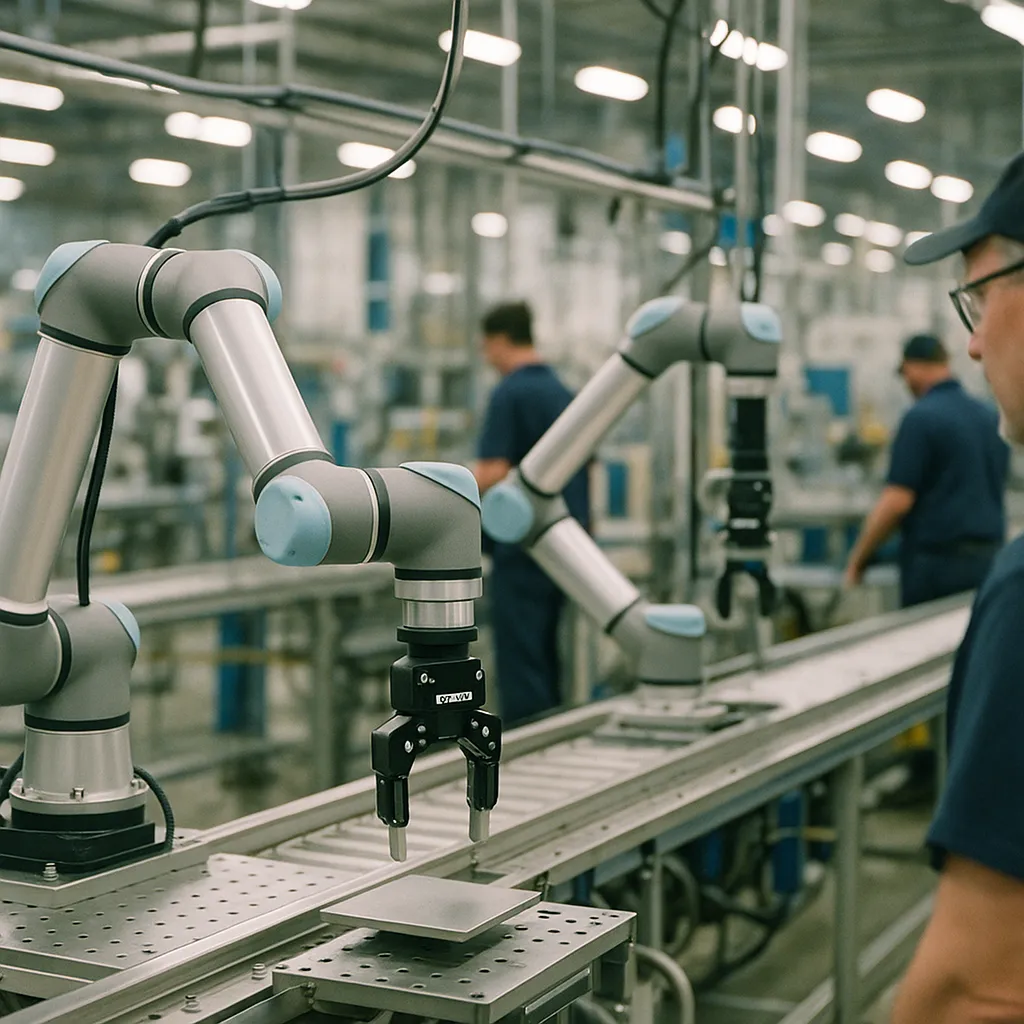
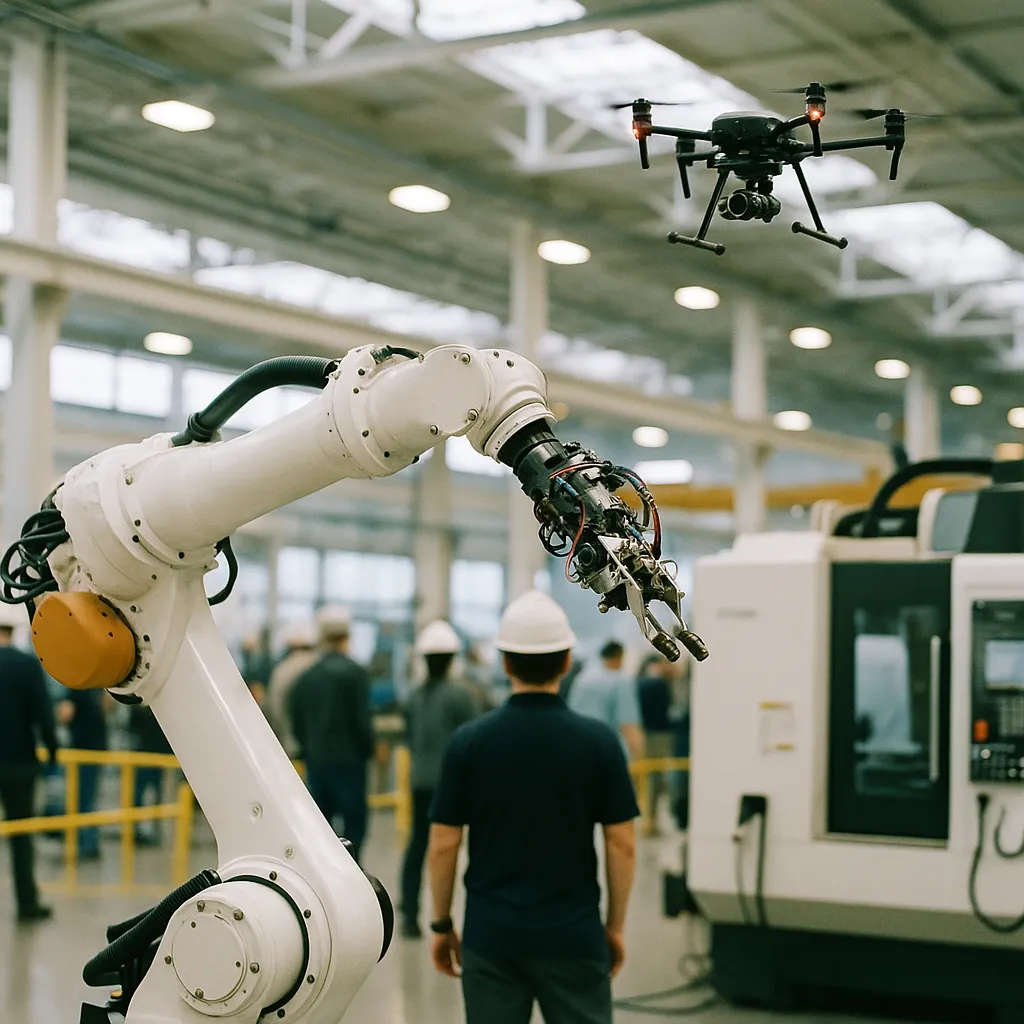
Deploying a robotic workcell — a self-contained automated work area built around one or more industrial robots — involves a layered sequence of decisions: selecting the right robot arm and end effector (the tool that grips and manipulates parts), designing the physical layout, programming motion sequences, simulating for safety and throughput, and commissioning the completed cell on the factory floor.
For a standard palletizing application, this process typically takes two to four weeks of engineering time, not counting procurement delays. The constraint is not hardware availability — robots are available. The constraint is the specialized knowledge required to configure them correctly for each specific facility, product, and process. That knowledge sits in a small pool of robotics integrators and systems engineers who are in high demand globally and command premium rates.
What IQ Does
Robotiq's IQ platform captures project requirements through multiple inputs:
- Voice notes from production supervisors describing what the workcell needs to do
- Legacy file uploads — existing CAD files, floor plans, and process documentation
- 3D site scanning of the physical factory environment
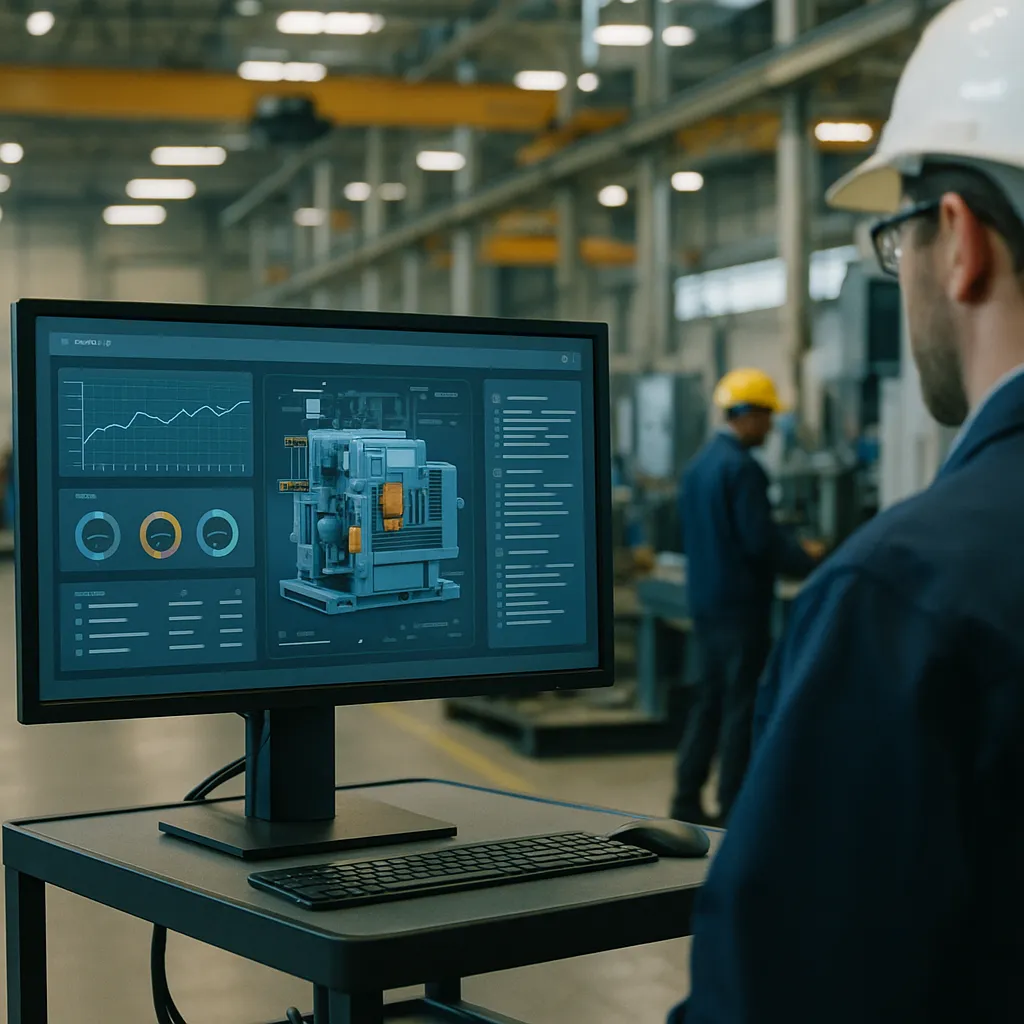
The platform processes these inputs using ML models trained on thousands of prior factory deployments from Robotiq's existing customer base, then generates validated workcell designs — layouts, robot configurations, programming parameters, and safety envelopes — without requiring a dedicated robotics engineer to build each configuration from scratch.
Get this in your inbox.
Daily AI intelligence. Free. No spam.
The result, according to Robotiq, is a customer moving from initial project input to a running workcell in as little as 24 hours. The platform launches first for palletizing applications — automated stacking and unstacking of boxes and pallets, one of the highest-volume workcell deployments in manufacturing and logistics. Robotiq plans to expand to additional robotic use cases following the palletizing launch.
Why Palletizing First
Palletizing is the right starting application for a platform play. It is the most standardized, highest-volume robotic application in manufacturing and distribution, meaning Robotiq has deep training data — hundreds or thousands of deployed palletizing cells — to anchor IQ's design generation. That data density is what makes automated design reliable rather than aspirational.
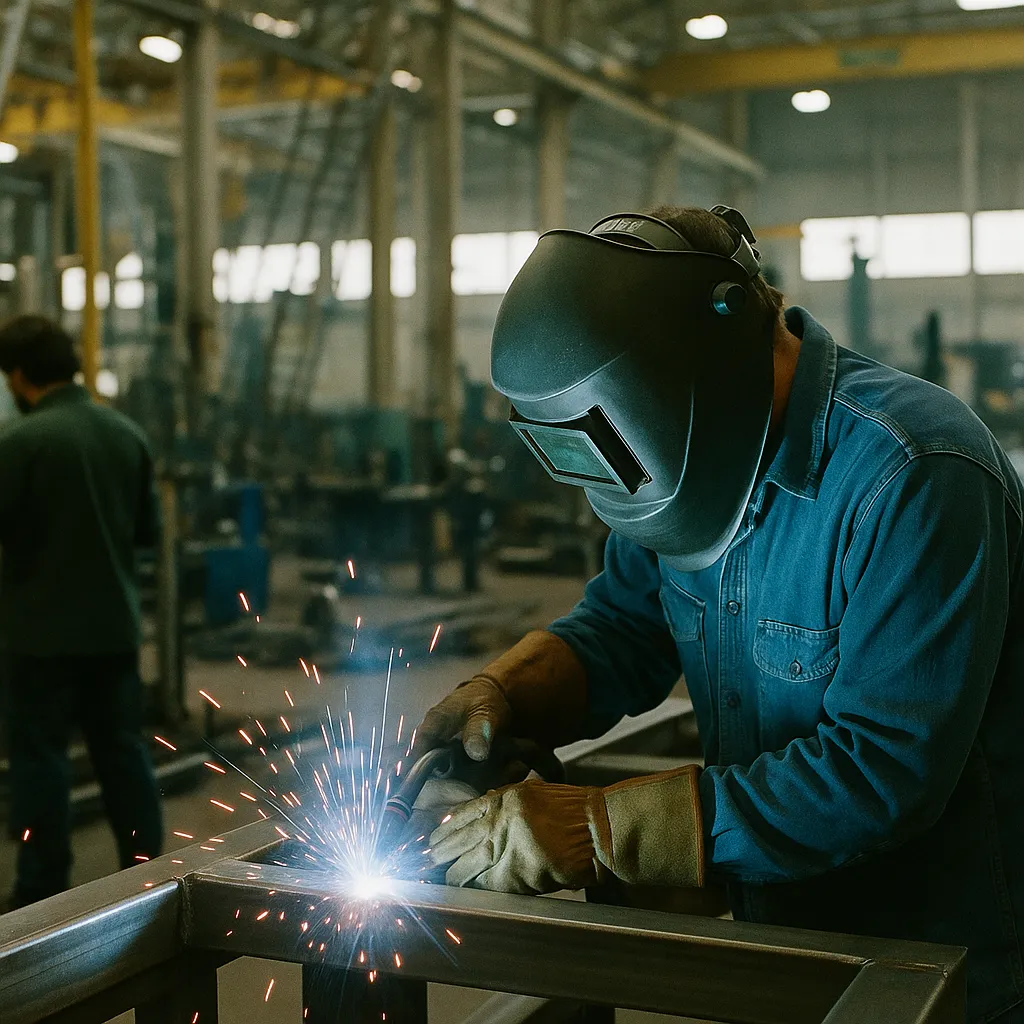
Starting with a well-understood, data-rich application lets Robotiq validate IQ's accuracy and throughput before applying it to more complex, less standardized tasks like welding, assembly, or machine tending, where variance in factory conditions makes automated design generation substantially harder.
The Bottleneck IQ Is Solving
Manufacturers globally face a structural robotics integration bottleneck. Robot hardware prices have dropped significantly over the past decade — collaborative robots (cobots) from Universal Robots, Fanuc, KUKA, and others now cost $30,000–$80,000 per unit, within reach of mid-sized manufacturers. But integration labor — the engineering work to deploy and program each robot — can cost as much or more than the hardware itself and takes far longer to complete.
IQ attacks the labor bottleneck directly. If accurate workcell designs can be generated automatically from site data, the integration cost structure changes. Manufacturers can deploy robots faster with fewer specialized engineers, or the same engineer can manage more simultaneous deployments across multiple facilities.
This matters most for small and mid-sized manufacturers, who have historically been priced out of robotics integration by the cost and timeline of custom engineering work. A platform that generates validated designs in 24 hours from standardized inputs makes automation economically accessible to companies that cannot afford a six-week integration engagement at $150–$200 per hour for a systems integrator.
The timing is also notable. The U.S. and European manufacturing sectors are in an active automation push driven by labor shortages, nearshoring demand, and AI-driven process optimization. The backlog of manufacturers wanting to deploy automation but stalled at the integration bottleneck represents IQ's immediate market.
What to Watch
IQ's commercial viability will become clearer as Robotiq publishes case studies from early palletizing deployments. The critical questions are accuracy — whether AI-generated designs match or exceed engineer-built designs in throughput and error rate — and robustness to edge cases: unusual floor geometries, non-standard product dimensions, or facilities with conflicting safety constraints that trained ML models may not have encountered in prior deployments. If Robotiq can demonstrate consistent accuracy across a wide range of real-world facility conditions, IQ has the potential to meaningfully expand the addressable market for factory automation.
Source: Robotics and Automation News — Robotiq Launches IQ Platform, June 3, 2026
Did this help you understand AI better?
Your feedback helps us write more useful content.
Get tomorrow's AI briefing
Join readers who start their day with NexChron. Free, daily, no spam.