GFT has launched an AI-powered robotic system that physically repositions or removes defective components on automotive assembly lines — moving from passive AI monitoring to autonomous physical action.
GFT Moves AI Beyond Visual Inspection to Physical Action on Auto Assembly Lines
By Hector Herrera | May 19, 2026 | Manufacturing
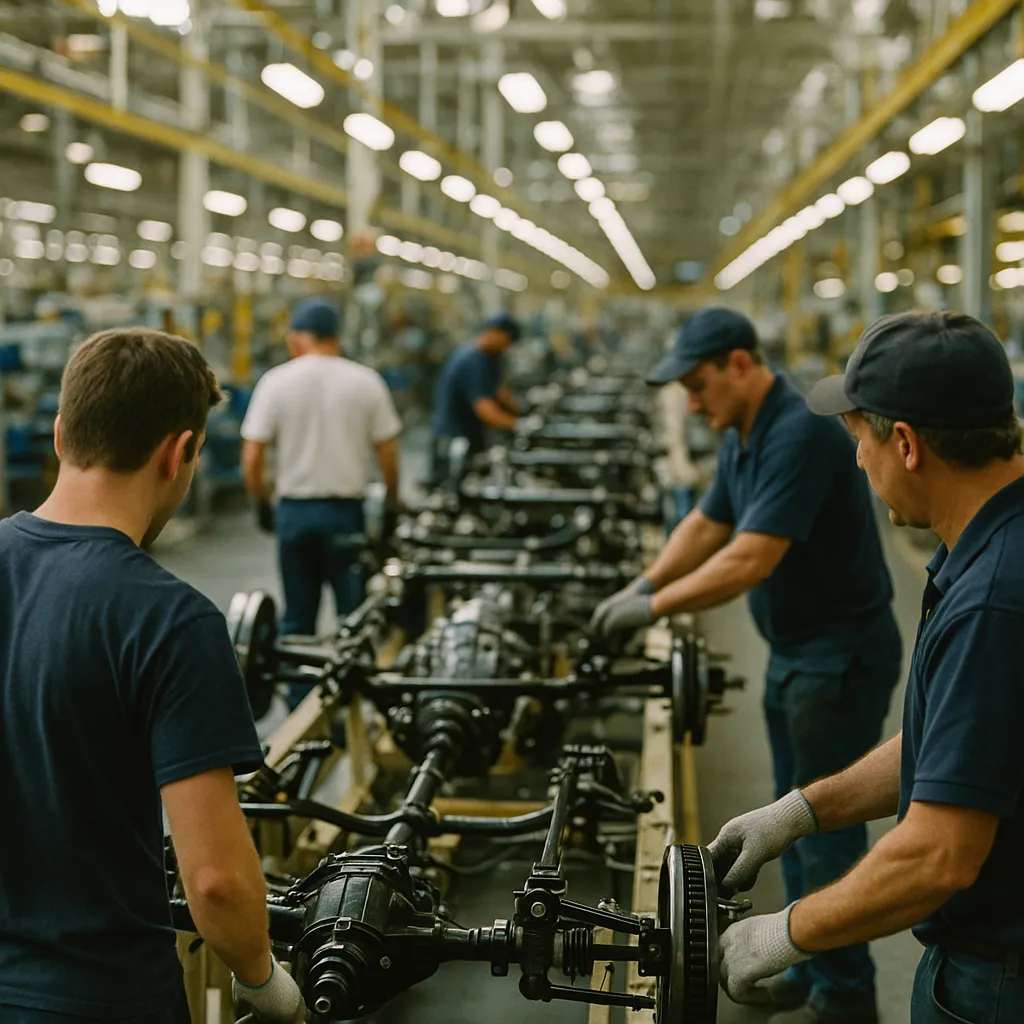
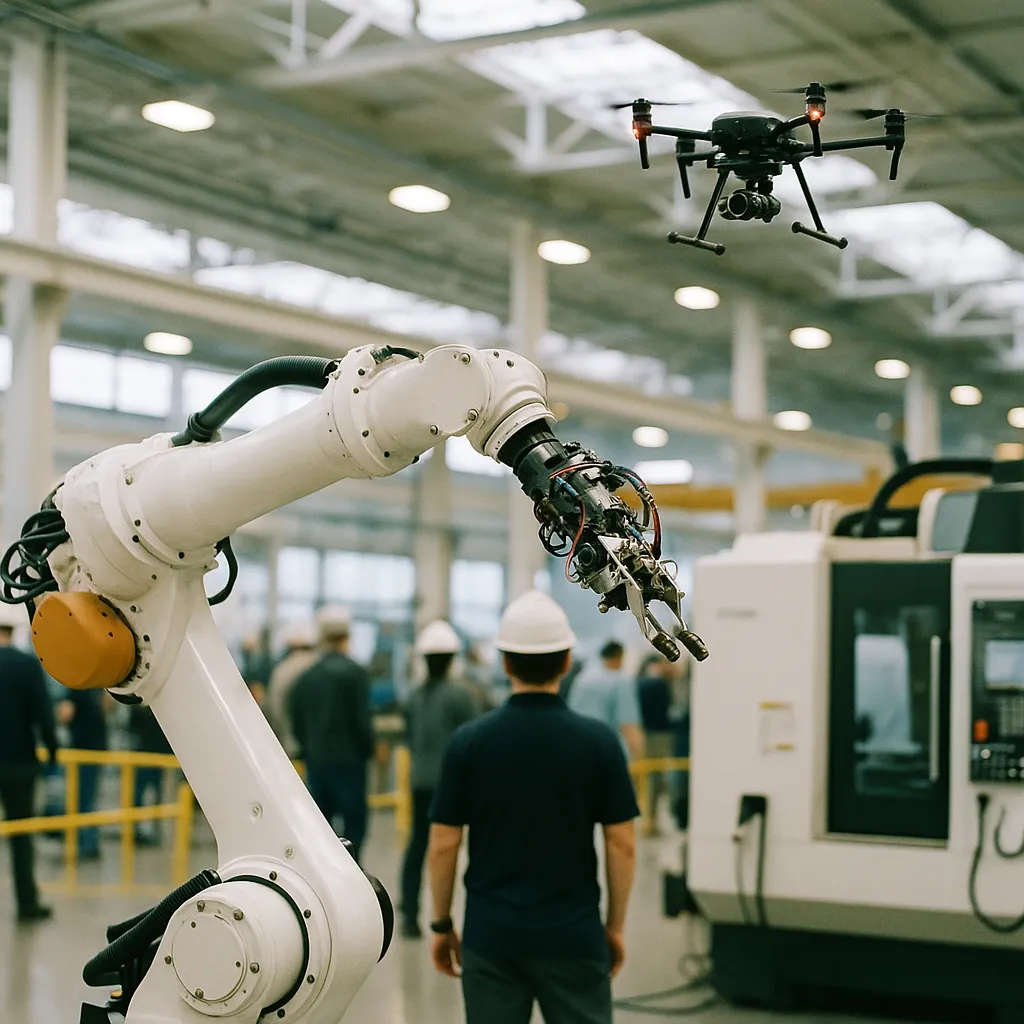
Technology company GFT has launched an AI-powered robotic system that doesn't just detect defects on automotive assembly lines — it physically removes or repositions faulty components without human intervention. Built in collaboration with Google, the system marks a meaningful jump from passive AI monitoring to active, autonomous correction in high-speed production environments.
Until now, most AI quality control systems in manufacturing have functioned as very sophisticated alert systems: they see a problem and tell a human about it. GFT's system closes that loop and acts.
What GFT Built
GFT's new system, developed with Google, integrates three capabilities into a unified pipeline:
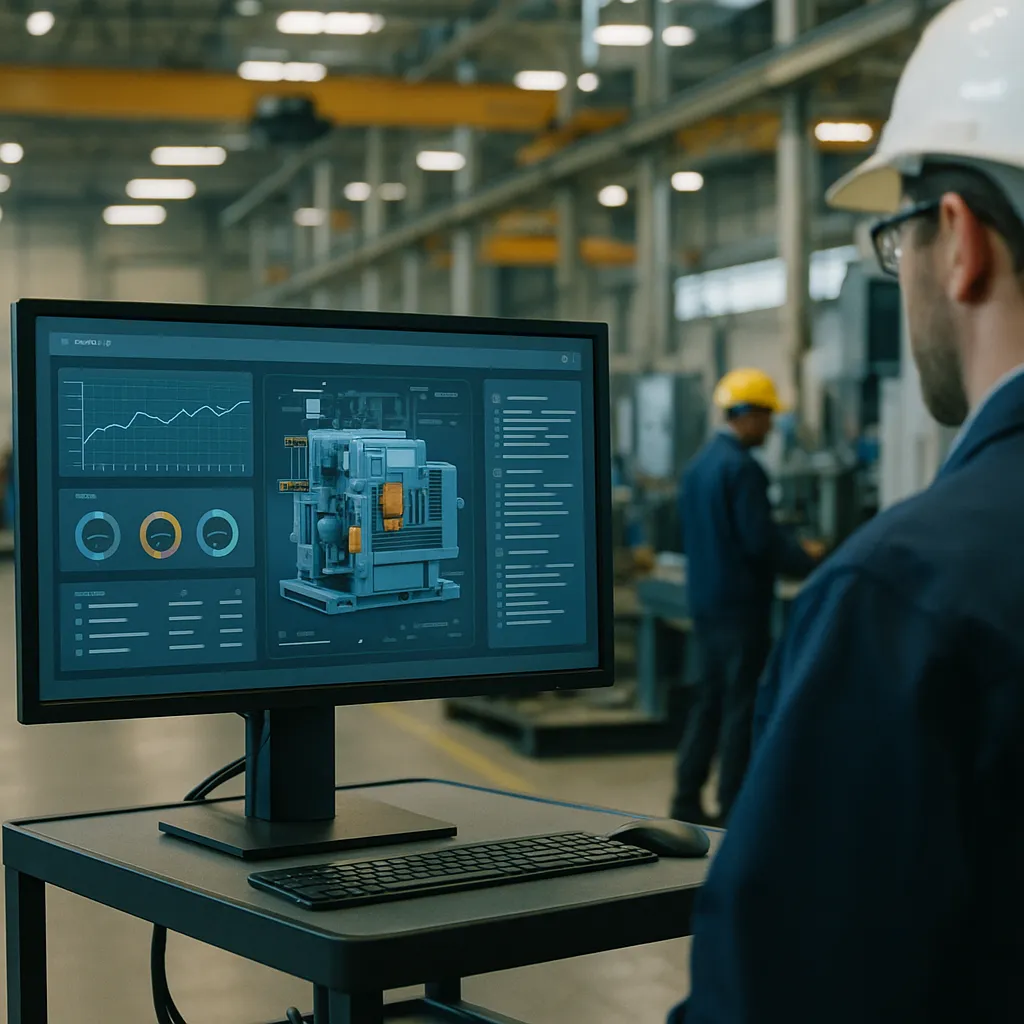
- Computer vision inspection — AI models scan components at production-line speed, identifying defects that fall outside tolerance specifications
- Autonomous decision-making — the system classifies defects and determines the appropriate response (reposition, isolate, flag for human review) without operator input
- Robotic physical action — actuators execute the decision, physically handling the component
The result is a closed-loop quality control system that operates faster than human reaction time and doesn't require a supervisor to be present at each station.
Why This Matters for Auto Manufacturing
Automotive assembly is a domain where defect detection already runs largely on AI and machine vision — that technology is mature. What GFT is claiming is the next step: decision and action, not just detection.
The distinction matters for several practical reasons:
Speed. A vision system that detects a defect and then waits for a human to act introduces latency. On a high-volume assembly line, that latency has a cost — either the line slows, or defects travel further down the line before correction. An autonomous system that acts immediately eliminates that latency.
Get this in your inbox.
Daily AI intelligence. Free. No spam.
Consistency. Human operators make judgment calls under fatigue, distraction, and time pressure. An AI system applies the same decision criteria on the 50,000th component as on the first.
Labor allocation. If AI handles the routine detection-and-response cycle, human operators can focus on exception cases — the anomalies that fall outside the AI's training distribution and require genuine judgment. This is the operational model most manufacturers are targeting: AI handles the known unknowns, humans handle the genuinely novel situations.
Documentation. Every AI action generates a log. Every defect identified, every decision made, every component touched is recorded automatically. For quality management systems and regulatory audits, that documentation trail has significant value.
The Google Collaboration
GFT built this system in collaboration with Google, though the specific components of Google's contribution — whether cloud infrastructure, AI model frameworks, vision APIs, or some combination — are not detailed in the announcement.
Google has been expanding its industrial AI footprint through partnerships with manufacturers and industrial automation companies. The collaboration signals Google's continued push to move AI capabilities from data center services into physical production environments, a market it is competing for against Microsoft, AWS, and established industrial automation vendors like Siemens, Rockwell, and ABB.
Where Auto Manufacturing AI Is Heading
GFT's system is a data point in a broader trend. The trajectory in manufacturing AI is from:
- Monitoring → to prediction → to action
Most manufacturers today are somewhere in the monitoring-to-prediction transition: AI that watches production data and tells operators what might go wrong before it does. The next phase — AI that acts autonomously in physical production environments — is where GFT is operating, and where the industry's largest investments are now pointing.
The Siemens-NVIDIA industrial AI operating system announced earlier this year represents the infrastructure layer for this transition. GFT's system represents an application layer example of what "AI that acts" looks like in practice.
The caution: Autonomous physical action in manufacturing requires a different risk calculus than AI that only reports or advises. A misclassification by a vision-only system generates a false alarm — someone reviews it and moves on. A misclassification by an autonomous action system removes or repositions a component that may have been fine. The error cost is higher, and the system design, training data, and validation requirements must reflect that.
What to Watch
GFT hasn't disclosed which automotive manufacturers are deploying the system or at what volume. Watch for case study announcements that put measurable outcomes on the capability claims — defect escape rates, throughput improvements, labor reallocation metrics. The technology is credible; the production-scale evidence base is still emerging.
The broader pattern to track: as AI-driven autonomous action expands from quality control into other assembly line functions — fastening, calibration, final inspection — the boundary between industrial robot and AI agent will continue to blur.
Sources: Robotics and Automation News
Did this help you understand AI better?
Your feedback helps us write more useful content.
Get tomorrow's AI briefing
Join readers who start their day with NexChron. Free, daily, no spam.