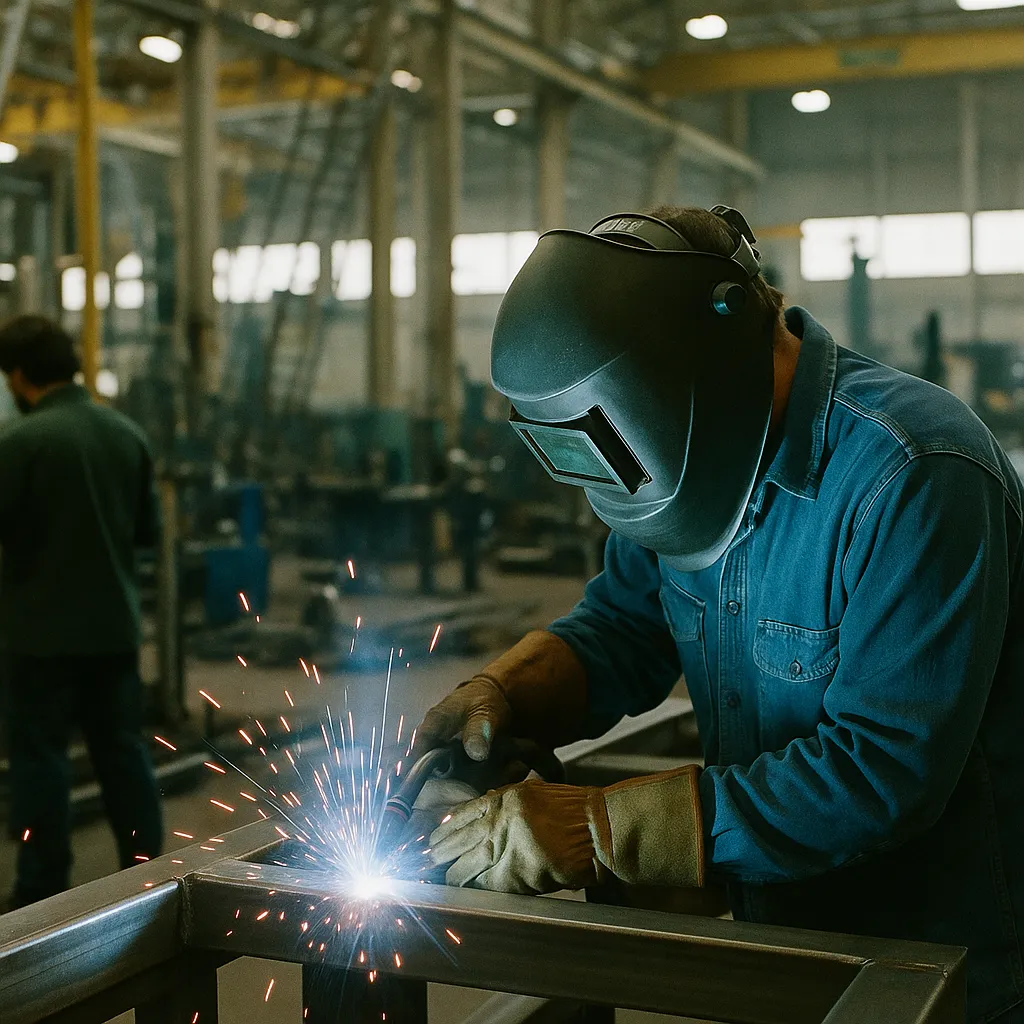
With 200,000 welding positions unfilled and no fast fix in sight, US manufacturers are deploying physical AI not as an efficiency play but as an operational necessity.
US Welder Shortage Hits 200,000 — Physical AI Is Filling the Gap, Not Waiting for Recruitment
By Hector Herrera | September 13, 2026
The US manufacturing sector's welding labor crisis has crossed a threshold where traditional workforce pipelines can't close the gap fast enough. There are currently 200,000 unfilled welding positions in the United States, a number MassRobotics projects will grow to 600,000 by the mid-2030s — and manufacturers aren't waiting. Physical AI — the combination of computer vision, adaptive robotics, and edge AI processing — is being deployed as an operational imperative, not an efficiency upgrade.
National Robotics Week 2026, the industry's annual showcase of commercial robotics progress, highlighted this shift in language. AI-driven automation is no longer being pitched on productivity gains. It's being deployed because the alternative is halted production.
The Shortage Is Structural, Not Cyclical
Welding is a skilled trade that takes years to develop. The US manufacturing workforce has aged faster than apprenticeship programs have replenished it, and the profession's physical demands and safety requirements have historically limited automation. That dynamic has changed.
Modern physical AI systems combine three capabilities that previously required a skilled human operator:
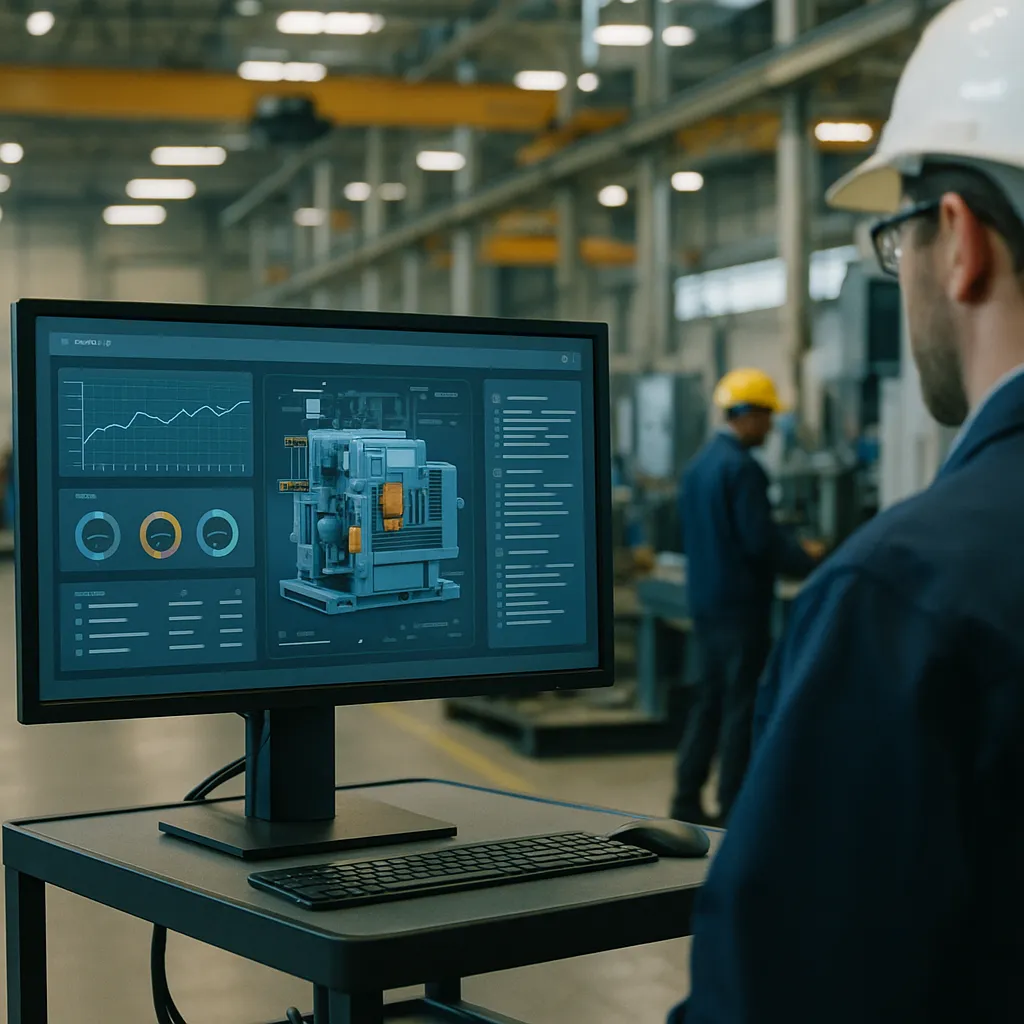
- Computer vision that identifies weld joint geometry, surface conditions, and defect characteristics in real time — adjusting parameters without a human in the loop
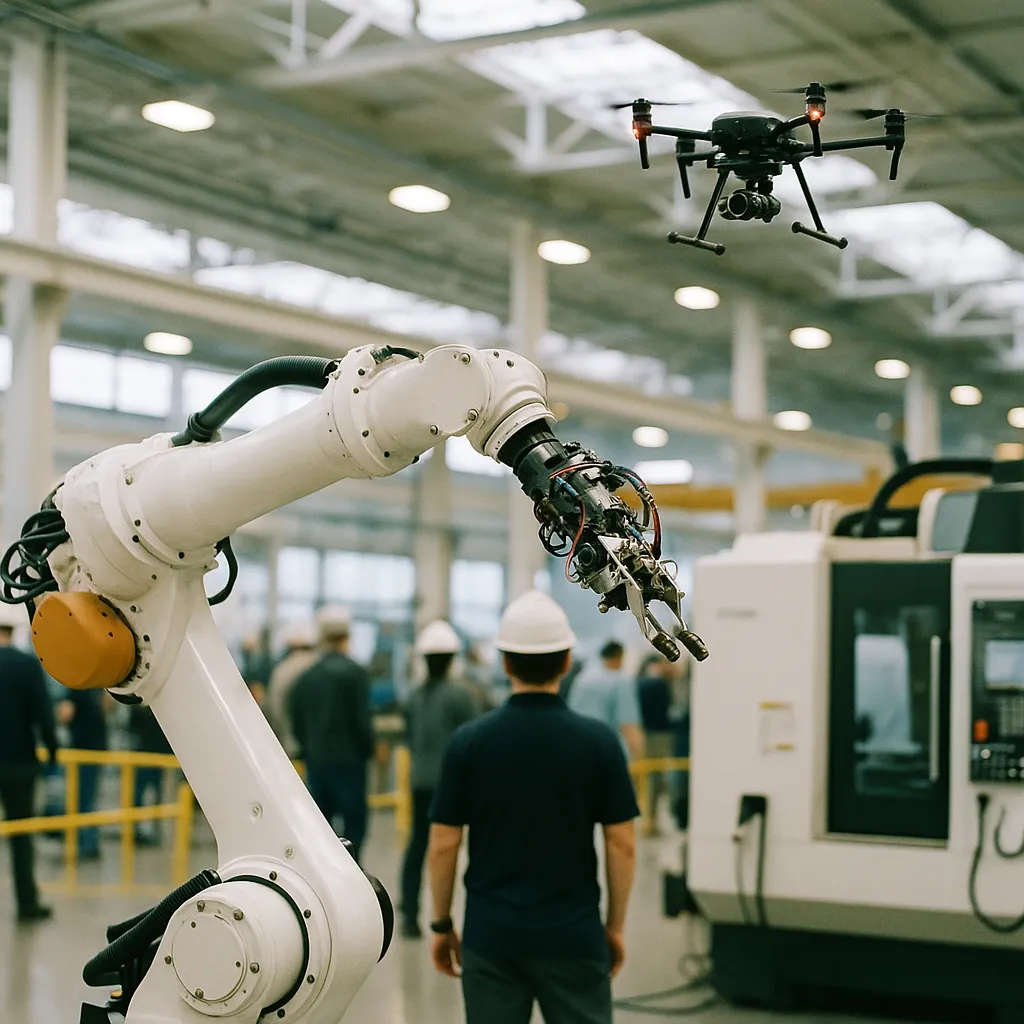
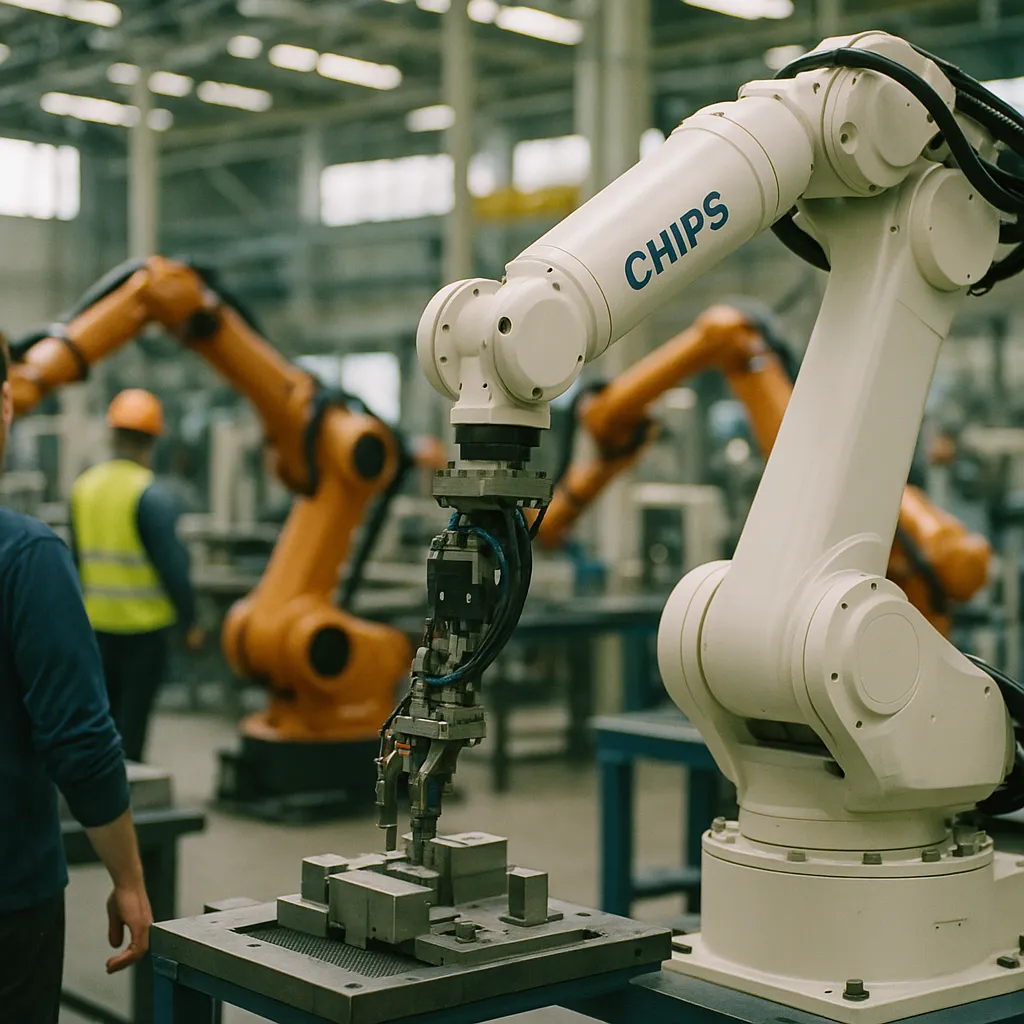
- Adaptive robotics that modifies torch angle, travel speed, and heat input dynamically in response to joint variation
- Edge AI processing that runs inference locally on the shop floor, without cloud dependency — critical in industrial environments where network connectivity isn't guaranteed
The result is a welding system that handles variability, the thing that previously required a journeyman welder. It isn't perfect welding in every case, but for a growing range of structural and manufacturing applications, it is adequate welding available today, versus no welding at all.
Get this in your inbox.
Daily AI intelligence. Free. No spam.
The Language Has Changed
MassRobotics, the Boston-based robotics industry hub coordinating National Robotics Week, spotlighted deployments where manufacturers describe physical AI adoption in terms of survival, not strategy. Facilities that couldn't fill welding positions for 18 months aren't framing robotics as a way to get faster. They're framing it as a way to stay open.
That framing shift matters for how policymakers and investors think about manufacturing automation. If physical AI is a response to structural labor shortage — filling positions that were going unfilled, not displacing workers who were already there — the political calculus changes. The displacement narrative has less traction when there's no one being displaced. The workers most likely to have held those positions are already retired or leaving the trade.
This doesn't mean the story is politically clean. Apprenticeship advocates and trade unions argue that deploying robotics before exhausting recruitment options removes incentive to solve the underlying training pipeline. That argument is credible. But the operational pressure manufacturers face in 2026 isn't waiting for that debate to resolve.
IMTS 2026 Reflects the Momentum
National Robotics Week's timing coincides with IMTS 2026 — the International Manufacturing Technology Show — opening September 14–19 in Chicago. This year's show features IMTS's first-ever dedicated Industrial AI Arena, with a dedicated AI Conference running engineering and business tracks. Google Cloud, Microsoft, and AWS are headlining alongside manufacturing AI specialists.
The Industrial AI Arena's inaugural status is its own signal. For the world's largest manufacturing technology trade show to dedicate separate floor space to AI for the first time in 2026 reflects where the industry believes the next competitive layer is forming — not in new machine tools, but in the software and sensing intelligence running on top of them.
What to Watch
Watch commercial deployment announcements coming out of IMTS this week, September 14–19. The production deployments at scale — not the demonstration units on the show floor — are the meaningful data points. MassRobotics' tracking of actual job-filling deployments versus persistent unfilled position counts will tell you more about physical AI's real industrial traction than any lab benchmark.
Also watch federal workforce development policy. If the 200,000 welding shortage becomes a legislative priority, expect funding to flow toward human-AI collaboration training — workers who can program, supervise, and maintain physical AI systems rather than workers being trained to compete with them. That's a different workforce policy response than the AI labor displacement debate has generated so far.
Sources: MassRobotics — National Robotics Week 2026
Did this help you understand AI better?
Your feedback helps us write more useful content.
Get tomorrow's AI briefing
Join readers who start their day with NexChron. Free, daily, no spam.