Apple is rebuilding Siri as a goal-pursuing autonomous agent targeting iOS 28 in 2027, with six-week engineering sprints already underway, Bloomberg reports.
Apple is rebuilding Siri from a command-response assistant into a goal-pursuing autonomous agent, targeting a launch with iOS 28 in 2027. The overhaul, reported Saturday by Bloomberg's Mark Gurman, marks the first time Apple's new leadership has set a concrete timeline for the Siri transformation the company has promised — and repeatedly delayed — since 2023.
What "Autonomous Agent" Actually Means
Today's Siri responds to one instruction at a time. You say "set a timer." It sets a timer. Done. An agentic Siri — the version Apple is building — would pursue multi-step objectives without requiring you to approve each action. Example: "Book me the cheapest flight to Austin that lands before noon and add it to my calendar" would be a single request Siri executes end-to-end, handling the search, comparison, purchase, and calendar entry without further prompting.
This is architecturally closer to OpenAI's Dots or Meta's Muse — persistent agents that track goals across time — than to anything Apple has shipped before.
The iOS 28 Timeline
According to Gurman's reporting, Apple CEO Tim Cook's successor has pushed software chief Craig Federighi to treat the Siri redesign as a priority initiative. The engineering organization is running six-week development cycles dedicated to the project — a faster cadence than Apple's typical annual release rhythm.
Key dates from the report:
Get this in your inbox.
Daily AI intelligence. Free. No spam.
- iOS 28 is Apple's internal target for the full agentic launch
- iOS 28 ships with new iPhone hardware in fall 2027
- Intermediate improvements to Siri are expected in iOS 27 (fall 2026) as stepping stones
This is the first detailed iOS 28 development timeline to surface publicly, suggesting the project is far enough along that leaks are becoming harder to contain.
Why Apple Is Doing This Now
Siri has fallen badly behind. In independent benchmark comparisons from 2025 and 2026, Siri ranked last or near-last among major AI assistants for task completion, accuracy, and usefulness. Apple's on-device AI strategy — running models locally rather than sending data to the cloud — created a capability ceiling that competitors operating cloud-first simply didn't face.
The competitive pressure from OpenAI's Dots (a persistent background agent that tracks long-horizon goals) and from Google's Gemini Live integration into Android has made Siri's limitations visible to mainstream consumers, not just tech reviewers. Apple saw ChatGPT integration usage on iOS grow substantially after adding it as an optional Siri fallback in iOS 18 — a sign that users want what Apple wasn't delivering.
What This Means for the Smart Home
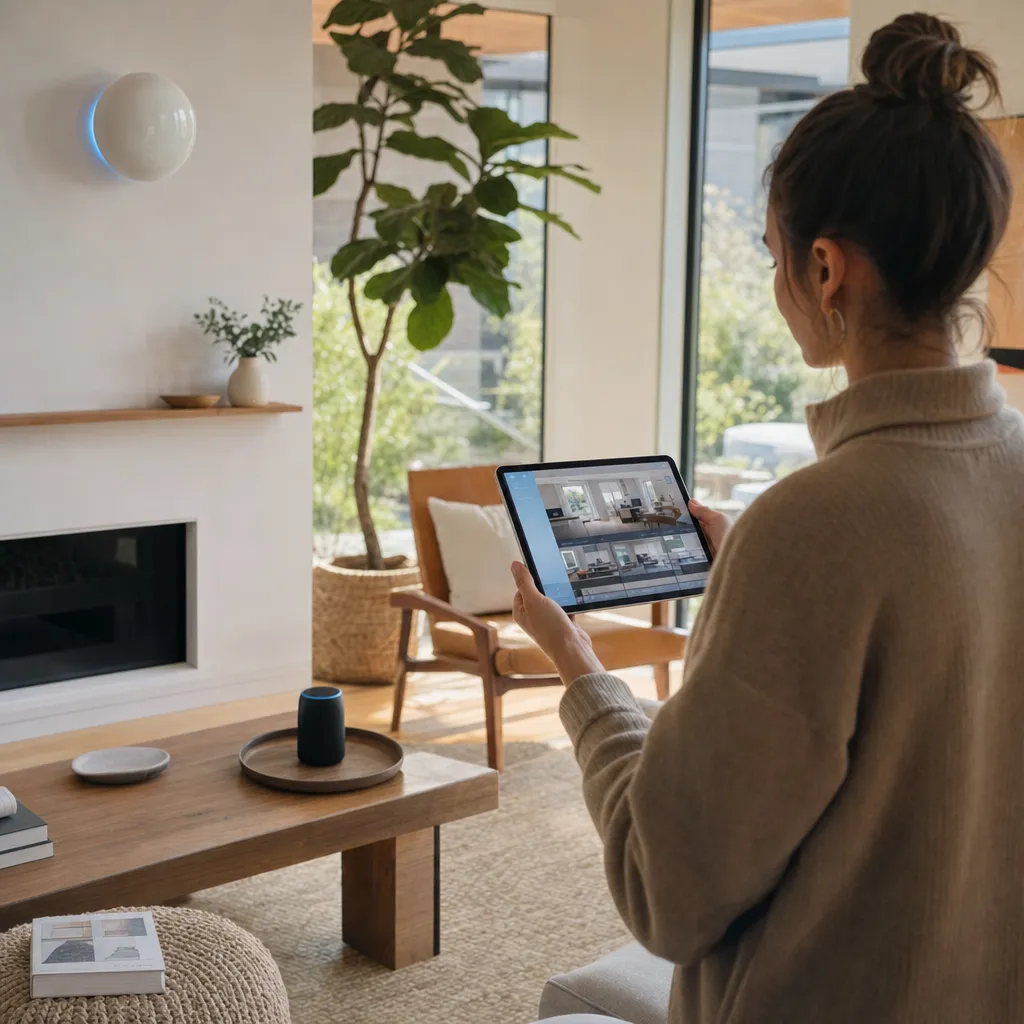
For Apple device owners: An agentic Siri would change how HomePod, Apple TV, iPhone, and Mac work together. Instead of issuing device-specific commands, you'd delegate multi-device goals — "cool the house before I get home and start the TV on the game" — without micromanaging which device handles what.
For app developers: Agentic AI requires apps to expose more of their actions to system-level orchestration. Apple will need new APIs that let Siri reach into third-party apps in ways App Intents (introduced in iOS 16) only partially solved. Expect a major developer-facing announcement at WWDC 2027.
For competitors: Amazon's Alexa, Google Assistant, and Samsung Bixby all face the same architectural challenge: evolving from command-response systems to goal-pursuing agents. Apple's public timeline puts pressure on all three to accelerate. Amazon relaunched Alexa as Alexa+ earlier this year with agentic features, but the rollout has been limited.
For privacy: Apple's brand promise is on-device processing. Agentic tasks — tracking multi-step goals, taking autonomous actions in apps — are substantially harder to run locally than answering a one-shot question. Watch how Apple threads the needle between full capability and its privacy commitments. The answer will likely involve hybrid processing: sensitive data stays on device, coordination logic runs in Apple's Private Cloud Compute infrastructure.
What to Watch
The clearest near-term signal will be WWDC 2027 (June). If Apple shows developers new agentic APIs and an expanded App Intents framework, the iOS 28 timeline is real. If WWDC 2027 is quiet on this front, the project slipped. The second signal: whether Siri gains any multi-step planning capability in iOS 27, expected to be announced at WWDC this coming June.
Did this help you understand AI better?
Your feedback helps us write more useful content.
Get tomorrow's AI briefing
Join readers who start their day with NexChron. Free, daily, no spam.