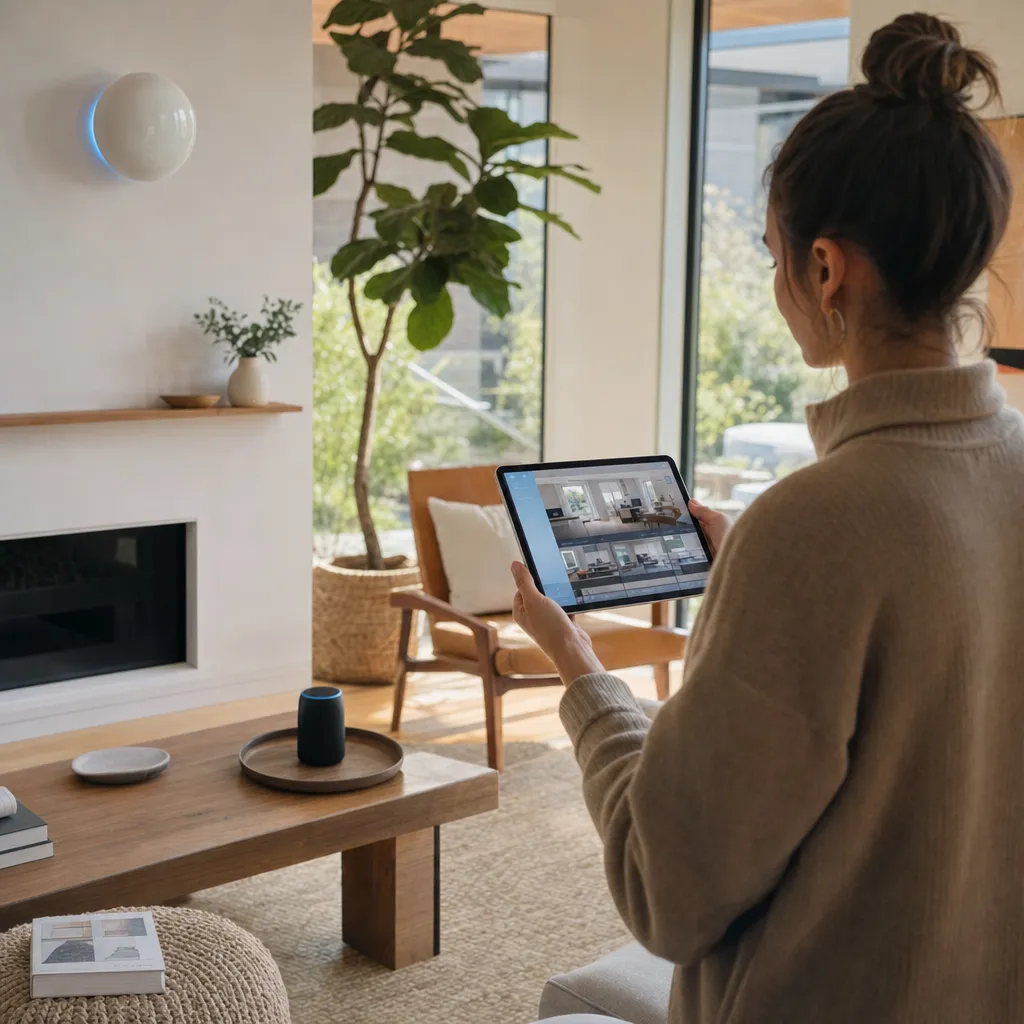
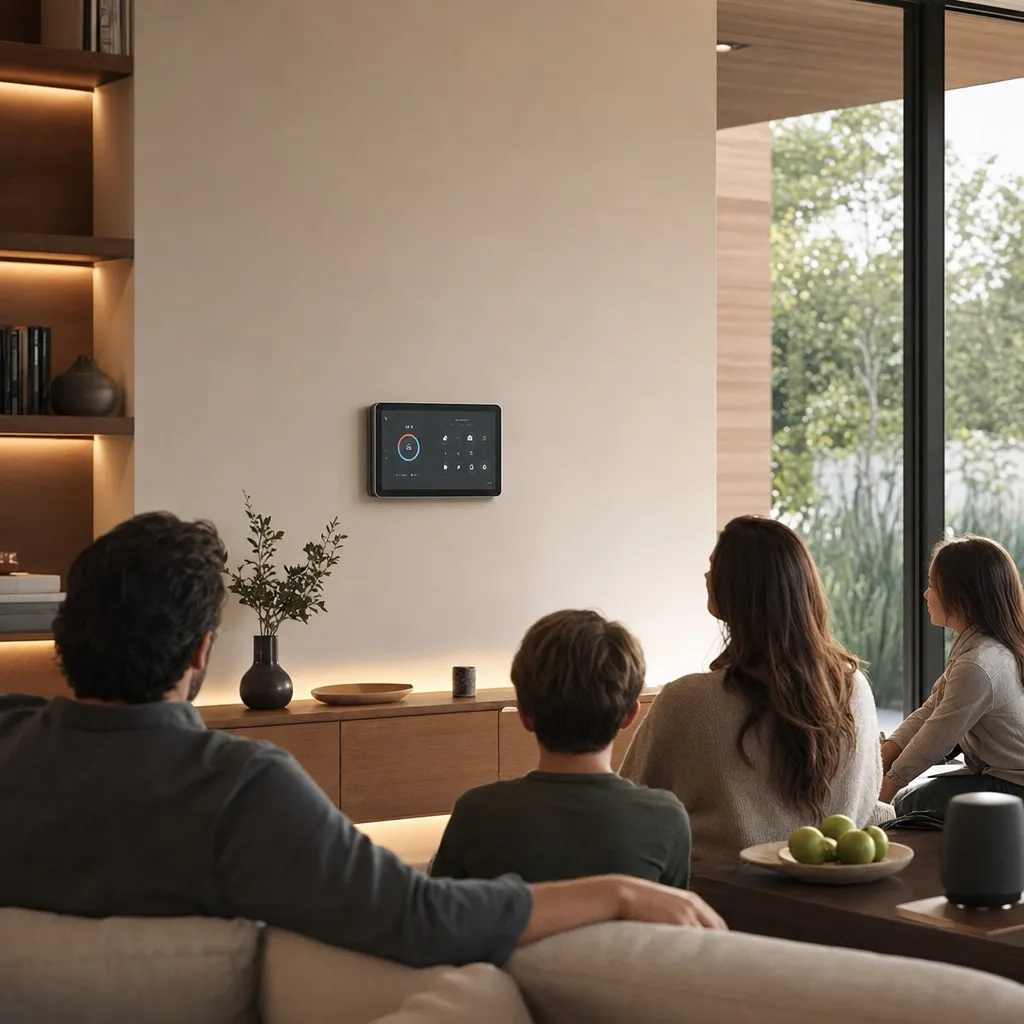
Code found in Apple's upcoming HomeView software suggests the $299 smart home hub will support third-party AI chatbot applications, potentially opening Apple's home ecosystem to Claude, Gemini, or ChatGPT.
Code found inside Apple's upcoming HomeView software—the $299 smart home hub launching November 13—suggests the device will support third-party AI chatbot applications, potentially opening Apple's home ecosystem to Claude, Gemini, or ChatGPT for the first time. The code also reveals anti-spoofing protections for the household member recognition system designed to serve up to six people in a shared home.
If accurate, the discovery represents a meaningful shift in how Apple approaches home AI. The company has historically kept its home products tightly integrated with Siri and resistant to third-party AI assistants. HomeView was announced in October as a household AI hub; the leaked code suggests Apple may be rethinking that closed approach before the device even ships.
What the Code Shows
According to MacRumors, developers examining the HomeView software discovered references to hooks for third-party AI chatbot applications. The code also includes anti-spoofing protections tied to the device's facial and voice recognition for household member identification.
Apple has not confirmed either feature. The company's pre-launch silence is consistent with standard practice.
The anti-spoofing layer is worth noting separately. HomeView is designed to serve different household members with personalized responses based on who's speaking or in view. Anti-spoofing prevents one member from impersonating another to access personalized data, controls, or household routines. For a device designed to know who's home, that security layer is a legitimate engineering requirement—especially as the device handles calendar data, smart home controls, and potentially health and financial information for the household.
Get this in your inbox.
Daily AI intelligence. Free. No spam.
Why Third-Party AI Support Would Matter
A HomeView that runs only Siri competes directly with Amazon Echo and Google Nest on price and hardware capability—a known difficult position for Apple at $299. A HomeView that supports Claude, Gemini, or ChatGPT integrations is a meaningfully different product: the first home device that lets users pick their preferred AI assistant rather than accepting the platform default.
For Apple, this would be an acknowledgment. Siri's conversational capabilities have consistently trailed dedicated large language models in head-to-head comparisons. Opening HomeView to third-party AI would signal that Apple has decided the right play in home AI is to be the hardware and integration platform—not to insist that Siri alone is competitive with purpose-built AI assistants.
That's a significant strategic shift from a company that has historically treated software integration as a competitive moat.
The Developer Opportunity
If Apple confirms third-party AI support, it would immediately trigger developer activity. Building a HomeView integration would put an AI assistant in the physical home in a first-party Apple hardware form factor—a distribution channel that has historically moved product quickly once Apple opens it. AI labs that have invested in custom action frameworks and home automation integrations would have a path to Apple's installed base of home customers.
The six-member household recognition also creates personalization possibilities that generic smart speakers don't support. An AI assistant that knows which household member it's addressing can provide responses, recommendations, and controls that are genuinely personalized rather than household-generic.
What to Watch
Apple's November 13 HomeView launch announcement. If third-party AI chatbot support is confirmed in the product announcement, it will reshape how Apple's home products are positioned against Amazon and Google—and trigger significant interest from AI developers in building HomeView integrations. If the leaked code reflects an internal build that didn't make the final product, the gap between what Apple's home AI can do and what users expect from AI assistants will remain visible.
Did this help you understand AI better?
Your feedback helps us write more useful content.
Get tomorrow's AI briefing
Join readers who start their day with NexChron. Free, daily, no spam.