A UN University report warns AI data centers consumed 4.5 trillion litres of water in 2025 and could hit 9.3 trillion by 2030 — rivaling global drinking water needs.
UN Report: AI Could Consume Water Equal to 1.3 Billion People's Needs by 2030
By Hector Herrera | June 4, 2026 | Energy
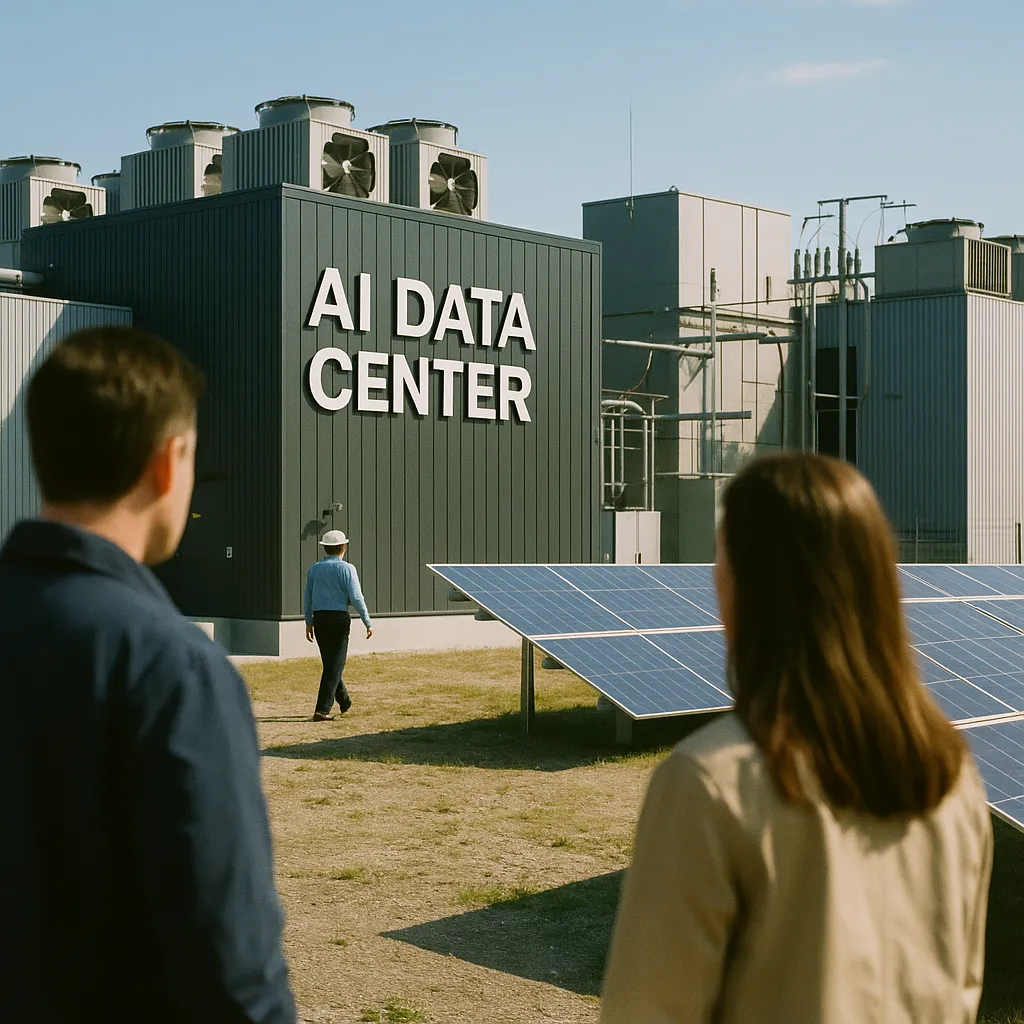
AI's environmental cost extends well beyond carbon emissions — and a new United Nations report puts a number on the part the industry has largely ignored. Data centers consumed 4.5 trillion litres of water in 2025 alone. By 2030, that figure could reach 9.3 trillion litres, rivaling the total drinking water needs of 1.3 billion people. The report argues that the AI industry is systematically undercounting its own environmental impact by measuring carbon while ignoring water and land.
The Report
The findings come from the UN University Institute for Water, Environment and Health, published on June 4, 2026. The UNU-INWEH study is among the first to quantify AI's full environmental footprint — including both direct and indirect water use — rather than the carbon metrics that dominate sustainability reporting.
Key numbers from the report:
Get this in your inbox.
Daily AI intelligence. Free. No spam.
- 4.5 trillion litres of water consumed by data centers in 2025
- 9.3 trillion litres projected by 2030 (a 2x-plus increase in five years)
- 945 terawatt-hours of projected electricity consumption by 2030
- Water use tied to both direct cooling (water used on-site to keep servers from overheating) and indirect power generation (thermoelectric plants that burn water to generate electricity powering data centers)
Why Water Rarely Makes Headlines
The AI industry's sustainability conversation centers on carbon because carbon metrics are standardized, disclosed, and increasingly regulated. Water is harder to measure — evaporation rates differ by cooling technology and climate — and harder to regulate across jurisdictions. The UNU-INWEH report calls this a systematic mismeasurement: companies reporting carbon efficiency improvements while water consumption grows unchecked.
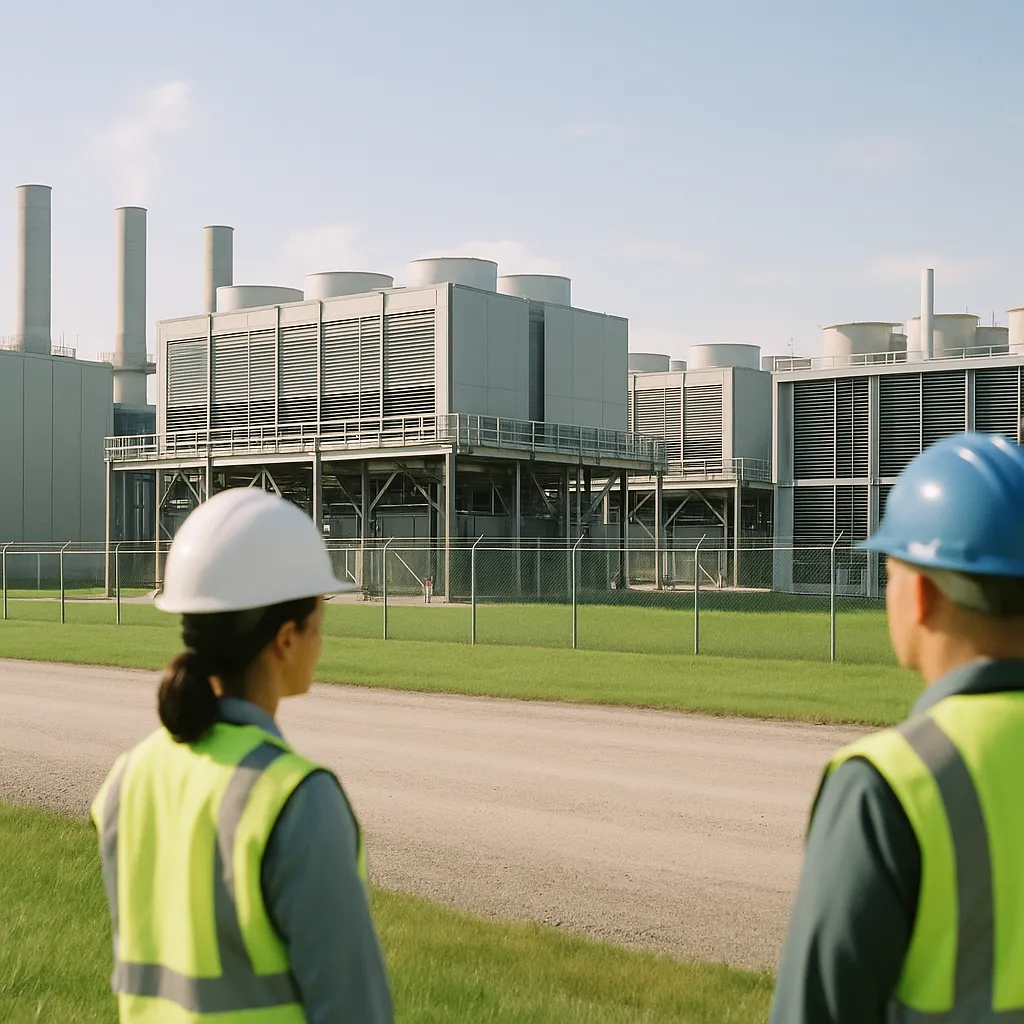
Data center cooling is water-intensive by design. Evaporative cooling systems — the dominant approach in large hyperscale facilities — work by evaporating water to absorb heat. Efficiency gains in compute (doing more AI work per watt) don't automatically reduce water intensity if the underlying cooling infrastructure stays constant.
What This Means
For communities hosting data centers — particularly in water-stressed regions of the American Southwest, Northern Africa, and South and Southeast Asia — the projections translate into real local resource competition. Municipalities that signed long-term utility agreements with hyperscale data center operators before this scale of AI demand existed may find those contracts increasingly difficult to sustain.
For the AI industry, the report adds a new accountability surface. Carbon disclosures are already being tightened under EU regulations and SEC guidance. Water is next: several U.S. states and the EU are beginning to require water usage disclosures for large industrial facilities, a category that now unambiguously includes data centers.
What to Watch
Watch whether hyperscalers (Google, Microsoft, Amazon) begin voluntarily disclosing water withdrawal and consumption data separately from their carbon reports in 2026 ESG filings — and whether any introduce water efficiency targets alongside their existing carbon-neutral pledges. The UNU-INWEH report gives advocates and regulators a credible quantified baseline to push against.
Sources: Water Magazine / UNU-INWEH
Did this help you understand AI better?
Your feedback helps us write more useful content.
Get tomorrow's AI briefing
Join readers who start their day with NexChron. Free, daily, no spam.