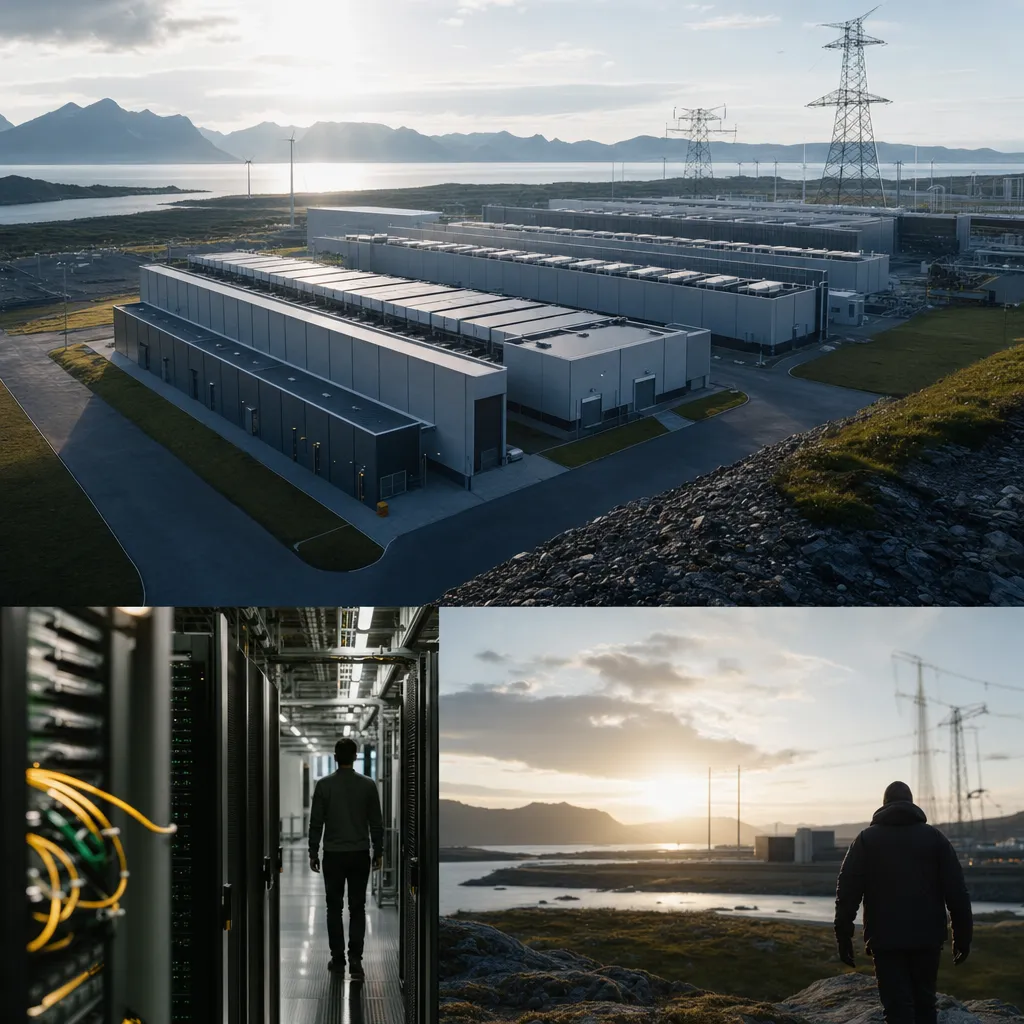
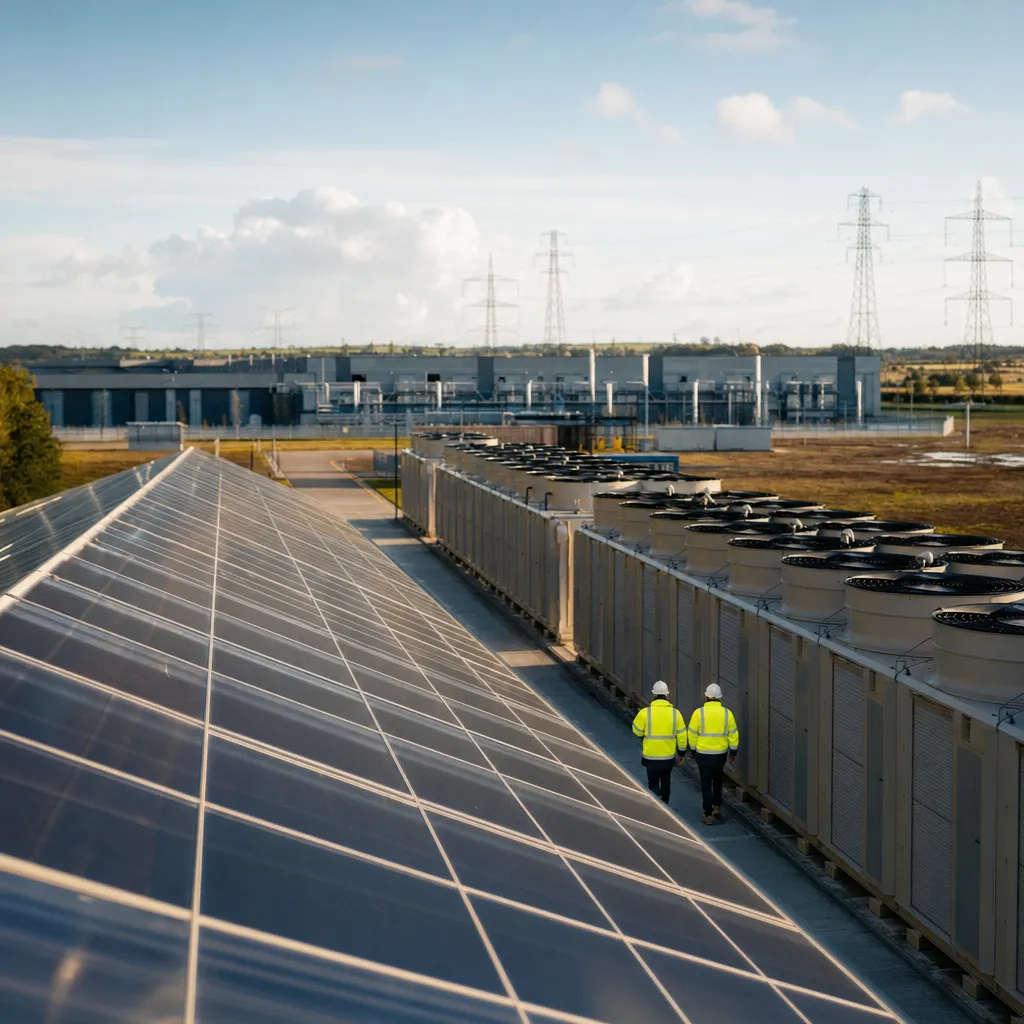
A new Scandinavian cross-border initiative aims to put AI in the operational seat of the Nordic interconnected grid, with humans in a supervisory role only — addressing grid demands that exceed human decision-making speed.
Nordic Nations Launch Research Initiative to Build an AI-Operated Power Grid
By Hector Herrera · November 4, 2026
A new cross-border research initiative in Scandinavia is pursuing something no power grid has done before: handing real-time operational decisions to AI, with humans watching rather than deciding. The project, announced November 3, brings together researchers and grid operators across Nordic nations to develop AI systems capable of managing the interconnected regional grid at a speed and resolution that human operators cannot match — a shift that the initiative's architects describe not as automation of existing tasks, but as a fundamental redesign of how the grid is controlled.
The Nordic grid AI initiative targets one of the more difficult engineering problems in modern energy: a transmission grid built for predictable baseload power is now absorbing fast-fluctuating renewable generation while simultaneously serving surging demand from AI data centers and EV charging — loads that arrive in patterns no historical grid model was designed for.
Why the Nordic Grid Is the Right Test Case
The Nordic interconnected grid — linking Norway, Sweden, Denmark, and Finland — is one of the most renewable-heavy grids on earth. Norway's hydropower gives the region dispatchable clean generation that most countries lack, and cross-border transmission infrastructure is well-developed. But the same characteristics that make the Nordic grid a renewable success story also make it a stress test for AI grid management: high renewable variability, cross-border balancing complexity, and fast-changing demand are present in concentration.
Grid operators in the region currently use human teams supported by forecasting software to manage dispatch decisions — which generation sources to ramp up or down, when to route power across borders, how to respond to sudden demand spikes. These decisions happen in intervals measured in minutes to hours. The problem the initiative is designed to solve is that the optimal decision window is increasingly measured in seconds, as renewable intermittency and demand events (a data center drawing hard for a training run, for instance) happen faster than human-loop processes can respond.
The AI Supervisory Model
The initiative's framing explicitly preserves human oversight — but redefines what oversight means. Rather than humans making operational decisions with AI advisory support, the design places AI in the decision seat for routine grid operations, with human operators in a supervisory role: monitoring AI behavior, setting policy constraints, and intervening in exceptional circumstances.
Get this in your inbox.
Daily AI intelligence. Free. No spam.
This is the same supervisory architecture that has become standard in advanced autonomous vehicles: the system drives, the human is there if something goes wrong. Applying it to critical infrastructure at national scale is a different risk profile — and the initiative's research agenda includes developing the explainability tools that grid operators will need to trust AI decisions they did not personally make.
The timeline and specific funding have not been publicly disclosed, but the cross-border structure suggests participation from national transmission system operators alongside academic research institutions.
What's Driving the Urgency
Two converging forces are creating deadline pressure on grid AI development across Europe:
AI data centers are requesting grid connections at unprecedented scale and speed. Unlike industrial facilities with predictable consumption curves, large-scale AI training operations draw power in bursts that existing grid management software does not model well. The Nordic region is actively courting data center investment, which means the operational challenge grows as the investment succeeds.
Electrification of heating, transportation, and industry is adding load to grids across the region. Norway has the world's highest EV penetration by share of new vehicle sales; Sweden and Denmark are accelerating heat pump adoption. These loads interact with grid operations in ways that multiply the complexity of the scheduling problem.
The combination means that the Nordic grid in 2030 will operate in a regime that the grid management tools of 2025 were not designed for. Building AI-based grid management now, with five years of development runway, is the deliberate hedge against that transition.
What to Watch
The first outputs of the initiative — research frameworks, simulation results, and potentially field pilots on specific grid segments — are likely 12 to 18 months away. The more significant near-term signal will be whether other European grid operators, particularly in Germany and the UK where renewable integration pressure is acute, announce similar programs in response. If the Nordic initiative produces publishable results, it will accelerate the design conversation everywhere.
The harder question — who is liable when an AI grid decision causes a blackout — is not addressed in the initiative's public announcement. That question will need an answer before any AI-operated grid goes live.
Source: GlobeNewswire — New Research Initiative Will Utilise AI to Optimise Nordic Energy Grid
Did this help you understand AI better?
Your feedback helps us write more useful content.
Get tomorrow's AI briefing
Join readers who start their day with NexChron. Free, daily, no spam.