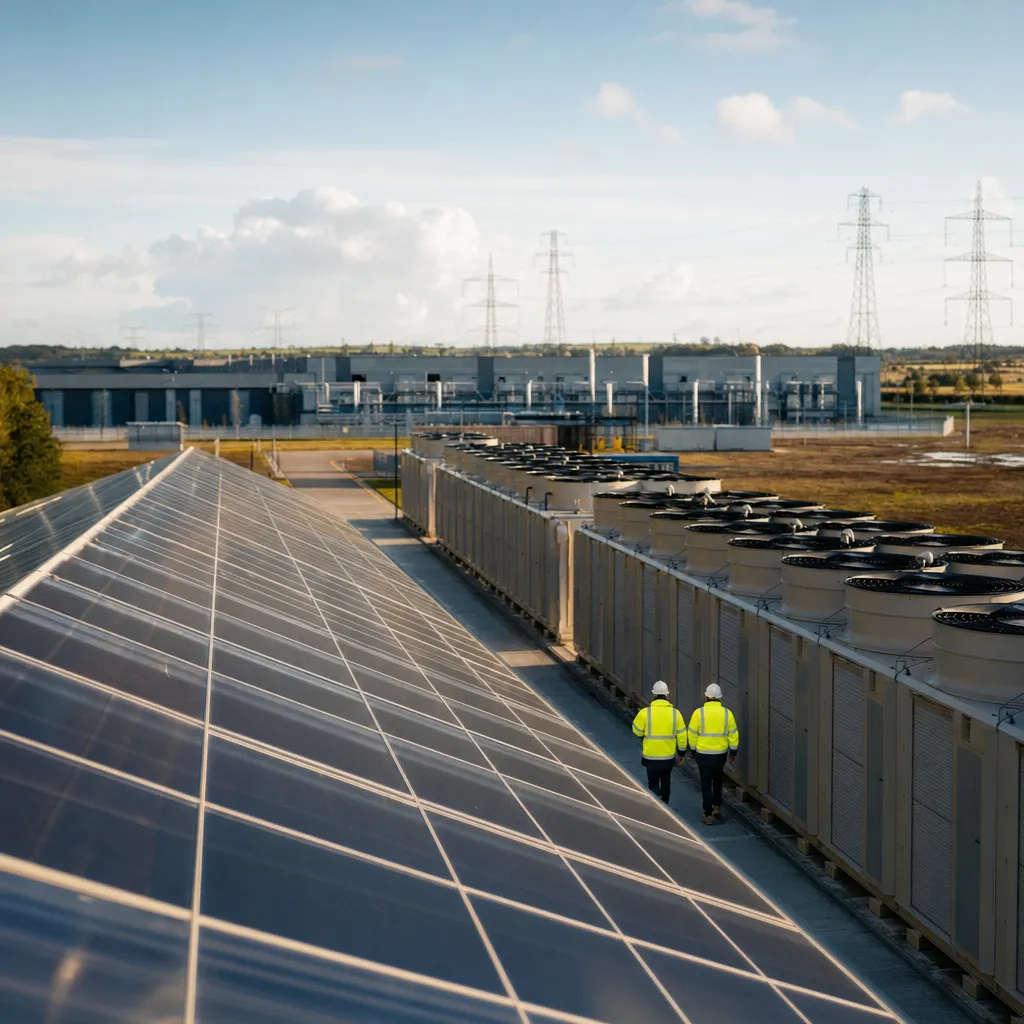
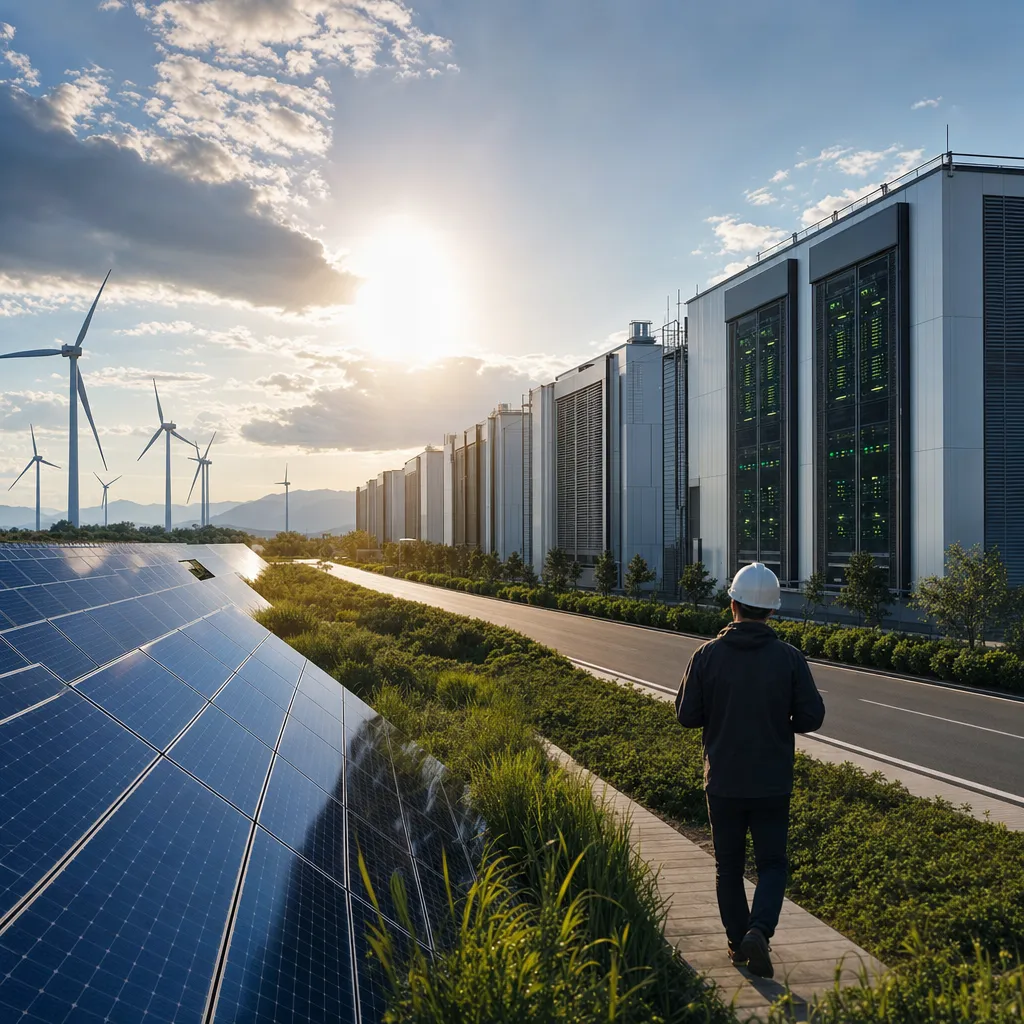
OpenAI committed its future data center campuses to reduce electricity demand during grid stress events, launching the Grid Protectors Program in direct response to criticism that AI infrastructure strains rather than supports the grid.
OpenAI announced the Grid Protectors Program, committing its future data center campuses to reduce electricity demand during grid stress events — a direct response to mounting criticism that AI infrastructure strains the electrical grid rather than supporting it. The program signals a new model in which hyperscale AI operators take on formal grid-stabilization responsibilities rather than treating electricity as a straightforward infrastructure input to be maximized.
What the program commits to
Under the Grid Protectors Program, OpenAI's future [data center](/real-estate/cbre-ai-data-center-infrastructure-pivot) campuses will reduce their electricity draw during grid stress events — the periods when demand spikes, supplies tighten, or transmission constraints push local grids toward instability. The stated goal is to help keep power affordable and reliable for surrounding communities.
The commitment applies to future campuses specifically. OpenAI has not announced retrofits to its existing infrastructure. The program's operational specifics — what thresholds trigger a "grid stress event," how much demand reduction is required, and who verifies compliance — have not been publicly detailed. Those details will matter when regulators and utility commissioners evaluate the program's substance.
Why this is happening now
Get this in your inbox.
Daily AI intelligence. Free. No spam.
The criticism that AI data centers are straining the electrical grid has intensified throughout 2026. The U.S. Energy Information Administration has projected data center electricity consumption growing more than 50 percent over the next five years, driven primarily by AI workloads. Grid operators including PJM and ERCOT have flagged AI-driven demand growth as a top reliability risk. Utilities in Virginia, Texas, and the Pacific Northwest have reported that data center interconnection queues are stretching grid planning cycles from years to decades.
The political pressure has been bipartisan. Rural utility cooperatives that have seen rate increases tied to data center loads have become vocal critics in state legislatures. The criticism is no longer abstract infrastructure policy debate — it's showing up in electricity bills for residential customers near large data center clusters.
OpenAI's Grid Protectors Program is partly a policy response — demonstrating proactive responsibility before regulatory mandates arrive — and partly a practical business calculation. Companies planning multi-gigawatt campuses in constrained grid regions have strong incentives to arrive with a grid-partnership framework rather than a permit fight. Demand-response commitments can accelerate interconnection approvals and reduce opposition from local utility boards.
What it means for the industry
If major AI operators begin formally committing to demand-response participation, it changes the infrastructure calculus for future data center siting. Campuses designed for demand flexibility — where AI compute loads can be shed or shifted during grid stress without disrupting critical operations — become more deployable in constrained grids than those designed purely for maximum continuous uptime.
It also creates a new competitive dimension. An AI company that can credibly claim it reduces community energy burden during peak demand periods has a meaningfully different political profile than one that simply competes for grid capacity. As states develop AI infrastructure permitting regimes, that profile distinction could translate into concrete regulatory advantages.
What to watch
Whether Microsoft, Google, and Amazon follow with similar programs will determine whether grid-stabilization commitments become an industry standard or remain a differentiator for OpenAI specifically. Watch for this language appearing in Q4 earnings calls and utility commission proceedings — those are the forums where voluntary commitments get tested against operational reality.
Did this help you understand AI better?
Your feedback helps us write more useful content.
Get tomorrow's AI briefing
Join readers who start their day with NexChron. Free, daily, no spam.