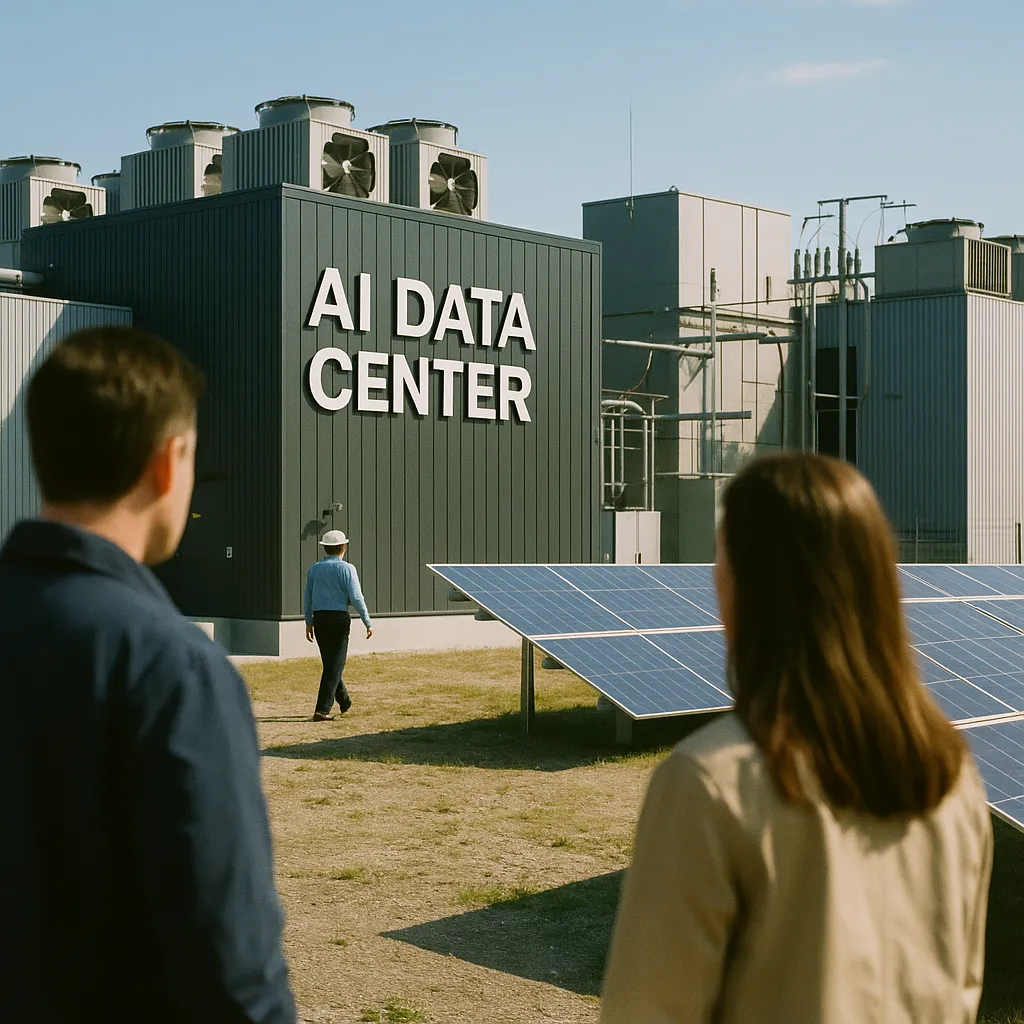
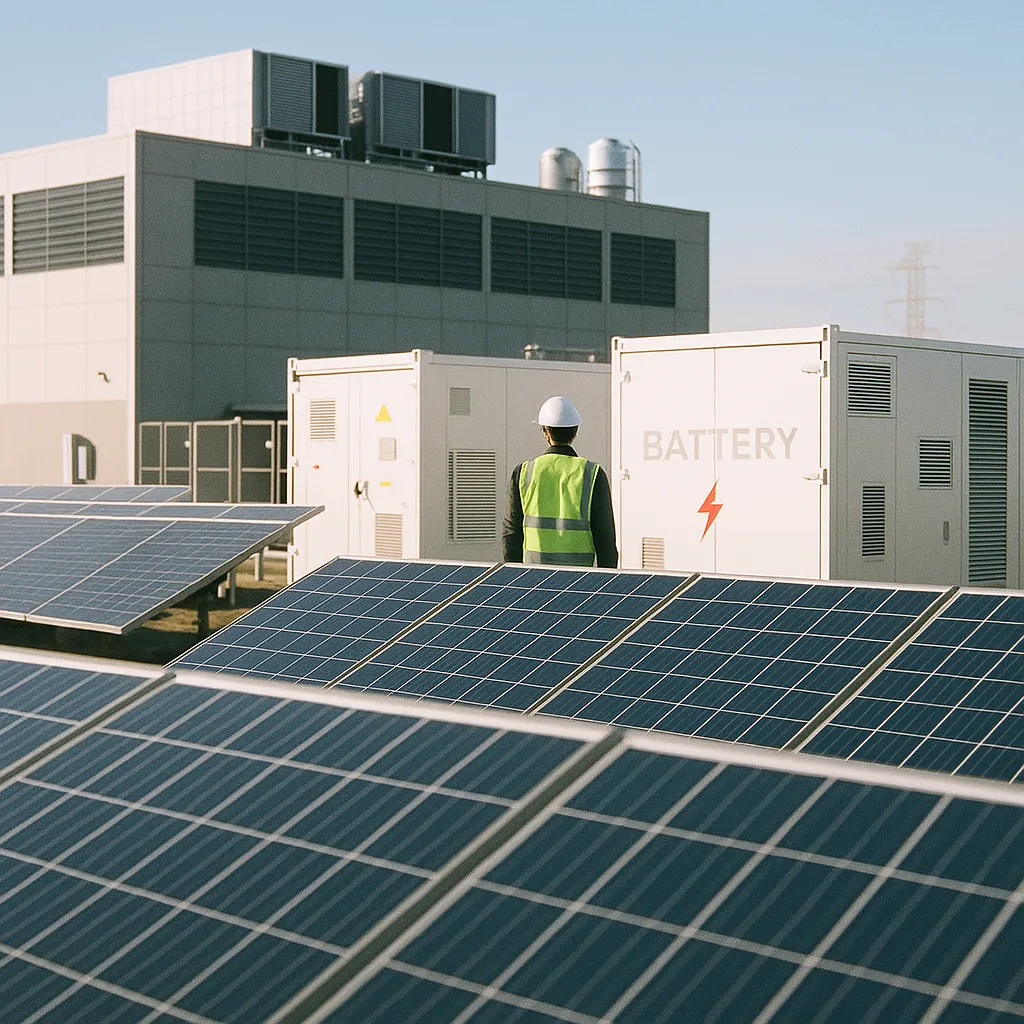
Microsoft is internally reviewing whether to abandon its 2030 clean energy commitment as AI data center expansion has pushed power demand far beyond what its renewable procurement pipeline can cover.
Microsoft May Walk Back Its 2030 Clean Energy Pledge. AI Power Demand Made It Untenable.
By Hector Herrera | May 8, 2026 | Energy
Microsoft is internally reviewing whether to abandon its commitment to match all electricity consumption with clean energy purchases by 2030, according to reporting published May 7, as AI data center expansion has pushed the company's power demand far beyond what its renewable procurement pipeline can cover. If Microsoft formally shelves the pledge, it would be the highest-profile climate commitment casualty directly attributable to the AI infrastructure buildout — and it would give other hyperscalers cover to quietly follow.
What Microsoft Committed To
Microsoft's 2030 environmental commitments, announced in 2020, were among the most detailed corporate climate pledges in the technology sector. They included:
- 100% renewable energy by 2025 for electricity consumption (later quietly revised)
- Carbon negative operations by 2030 — meaning removing more carbon than it emits
- Zero water consumption for cooling in all new data centers by 2030
- Elimination of all historical carbon emissions by 2050
The clean energy matching commitment specifically meant that every kilowatt-hour Microsoft consumes would be offset by a corresponding kilowatt-hour of renewable generation contracted through power purchase agreements (PPAs).
What Happened to the Math
The commitment was made when Microsoft's data center footprint was a fraction of its current size, and before the company bet its future on AI. The Azure cloud infrastructure expansion required to support Microsoft 365 Copilot, Azure OpenAI Service, and its own internal AI development has driven electricity consumption to levels that outpace the renewable procurement pipeline by a significant margin.
Get this in your inbox.
Daily AI intelligence. Free. No spam.
The problem is not that clean energy is unavailable. It's that clean energy at the scale and in the locations Microsoft needs it cannot be added fast enough. Large solar and wind projects take three to seven years from contract to operation. The transmission infrastructure needed to deliver that power to data center hubs faces a permitting and construction backlog that stretches years further.
Microsoft is not alone in this bind. Google reported in 2024 that its carbon emissions had increased 48% over five years, driven primarily by data center energy demand, and acknowledged its 2030 net-zero goal had become "significantly harder to achieve." Amazon has pushed back timelines on some renewable commitments without formal announcement. What would distinguish Microsoft's potential retreat is doing it explicitly and publicly — which the current internal review may or may not result in.
Why This Matters Beyond Microsoft
Corporate clean energy commitments from hyperscalers have been a significant driver of renewable energy investment. When Amazon, Google, and Microsoft collectively sign multi-gigawatt PPAs, they fund solar and wind projects that would not otherwise get financed. If the largest buyers signal that the commitments are aspirational rather than binding, it affects the investment calculus for clean energy developers.
It also matters for the regulatory environment. The SEC's climate disclosure rules, currently being contested in federal courts, require large public companies to report climate risks and, for some, Scope 1 and 2 emissions. A company that has publicly committed to specific targets faces material disclosure questions if it abandons them. The legal and reputational exposure is real, which is why Microsoft's review process is being characterized as internal and not yet a formal policy change.
The clean energy commitment is also a significant recruiting and customer retention tool. Microsoft's enterprise customers — particularly in Europe, where procurement standards are increasingly tied to supplier sustainability credentials — have relied on those commitments when justifying Microsoft contracts to their own boards.
What the Alternative Looks Like
If Microsoft does walk back the 2030 target, the likely replacement framing is "matched by 2035" or a shift to carbon removal credits as the primary mechanism rather than actual renewable energy purchase. Carbon removal credits — purchasing offsets through forestry, direct air capture, or soil sequestration — are cheaper and faster to procure than building renewable generation. They are also significantly less effective at reducing actual atmospheric carbon, and sophisticated corporate sustainability buyers know the difference.
The reputational math: Microsoft trades near-term credibility with climate-conscious stakeholders for operational flexibility to continue AI infrastructure expansion without a carbon ceiling. Whether that trade is worth making depends on how significant those stakeholders are to Microsoft's business — and the internal review underway is, at its core, that calculus.
What to Watch
Microsoft's annual environmental sustainability report, typically published in mid-year, will be the formal venue where any commitment revision would appear. Watch also for European regulatory response: the EU's Corporate Sustainability Reporting Directive (CSRD) requires large companies operating in the EU to report against specific climate targets. A formal abandonment of the 2030 pledge would trigger disclosure and, potentially, regulatory scrutiny in Brussels before it does in Washington.
Did this help you understand AI better?
Your feedback helps us write more useful content.
Get tomorrow's AI briefing
Join readers who start their day with NexChron. Free, daily, no spam.