LG Energy Solution unveiled integrated battery and power systems specifically engineered for AI data centers at RE+ 2026 in Las Vegas, targeting more than 50 GWh of North American ESS production capacity by year-end.
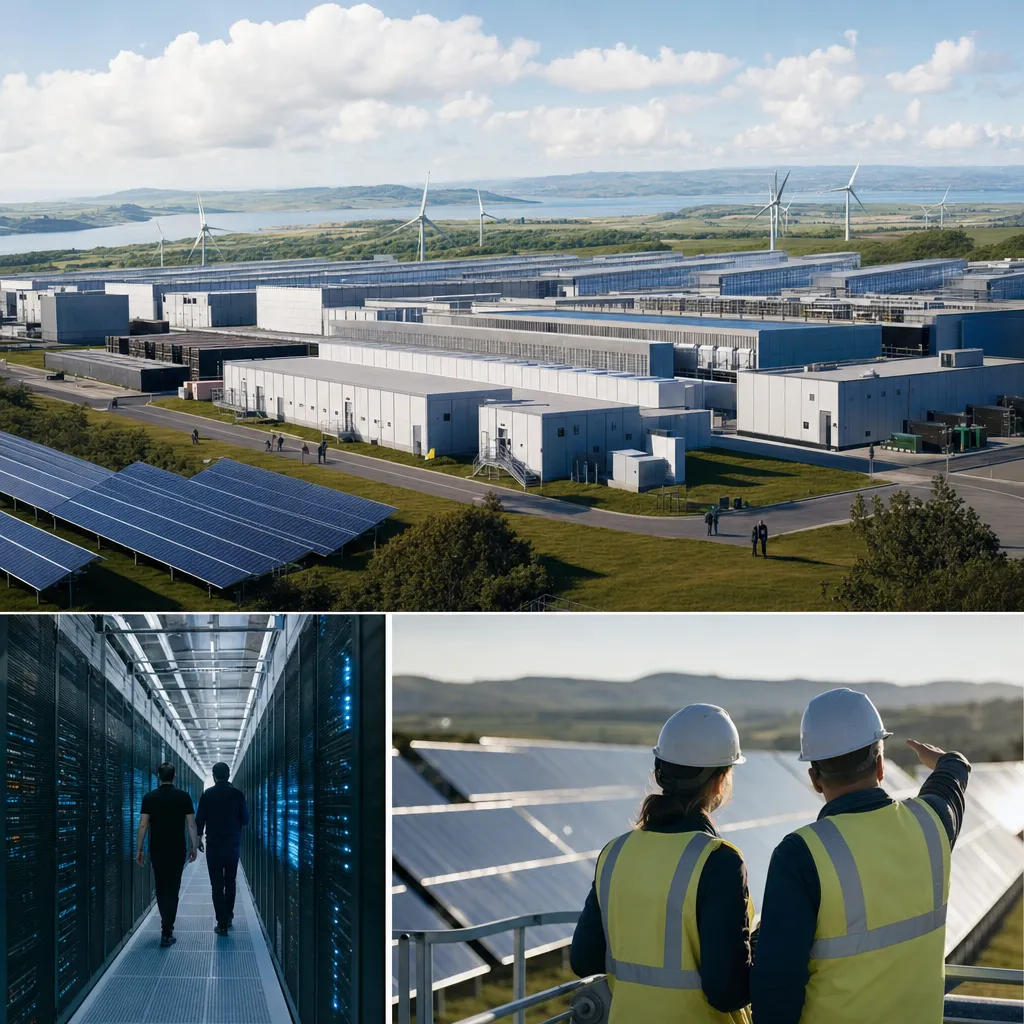
LG Energy Solution used its RE+ 2026 appearance in Las Vegas to position itself directly in the AI data center supply chain. The company unveiled integrated power and energy storage infrastructure packages specifically engineered for AI hyperscale facilities at the conference, held November 17-19, targeting more than 50 GWh of North American energy storage production capacity by the end of 2026.
The announcement reflects a structural shift in the energy storage market: AI data center power demand has become large enough to reshape what energy technology companies build, not just where they sell.
What LG Unveiled
The RE+ announcement covered an integrated package combining:
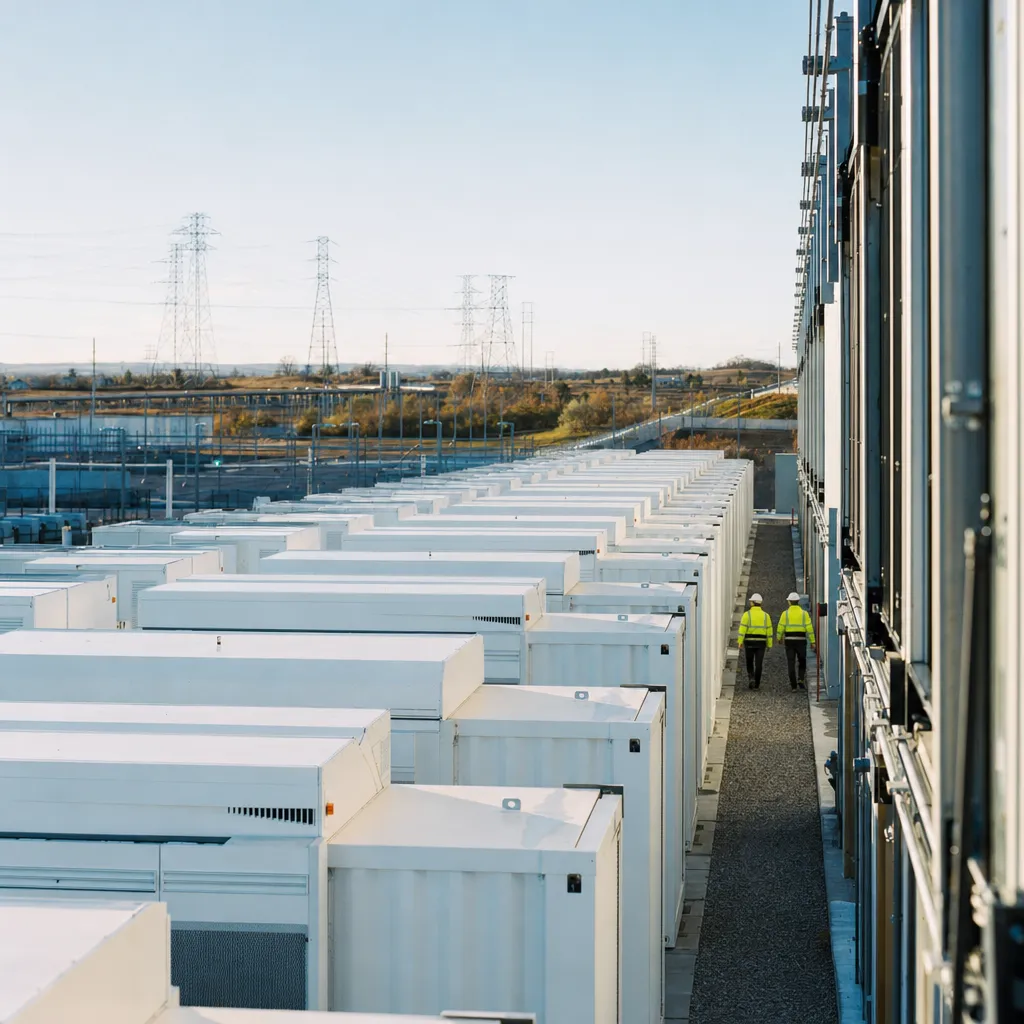
- Battery energy storage systems (BESS) optimized for the high-load, high-reliability profiles of AI compute facilities, which require consistent power delivery for GPU clusters running continuous workloads
- Power conditioning and management systems designed to handle the rapid power fluctuations that characterize AI training and inference operations
- Grid interconnect infrastructure for facilities needing both on-site storage and direct utility-scale renewable procurement
LG Energy Solution said its North American ESS production capacity will exceed 50 GWh by end of 2026, up significantly from prior capacity targets. That production target is tied directly to data center pipeline — the company cited hyperscaler demand projections as the basis for the capacity expansion.
Why AI Data Centers Have Different Power Needs
Traditional data centers have relatively predictable, stable power profiles. AI data centers — specifically those running large-scale GPU clusters for training foundation models or serving inference at high throughput — have fundamentally different characteristics.
Get this in your inbox.
Daily AI intelligence. Free. No spam.
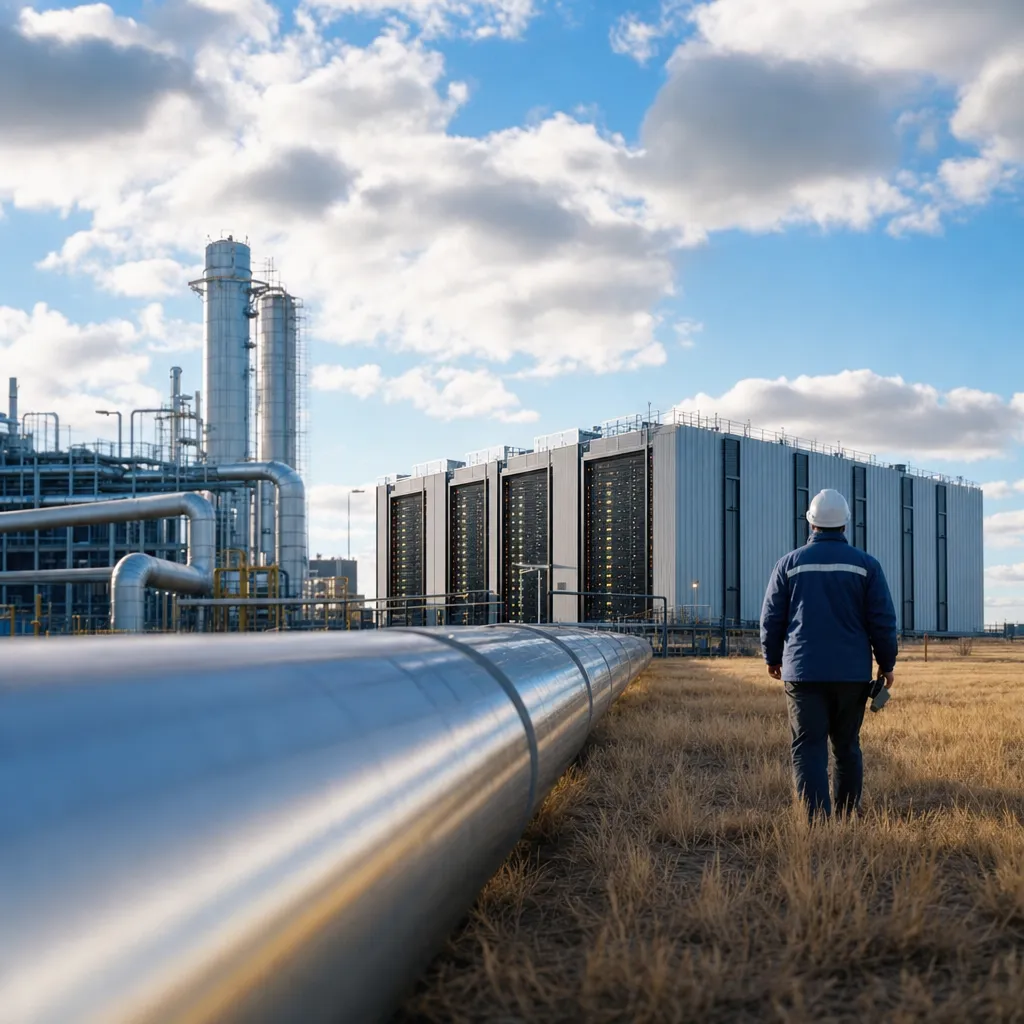
GPU clusters cycle through extreme power states: idle between jobs, then spiking to full draw (sometimes hundreds of megawatts) when training runs begin. Those spikes create grid management challenges that standard utility connections struggle to handle cleanly. On-site battery storage, sized specifically for AI compute load profiles, allows facilities to buffer those spikes, reduce peak demand charges, and smooth the draw on grid infrastructure.
For LG Energy Solution, that's a product design and sales opportunity. Rather than selling generic grid-scale storage, the company is now engineering solutions to the specific problem of powering AI compute — and marketing them as a distinct product category.
AI as a Demand Signal for Clean Energy Investment
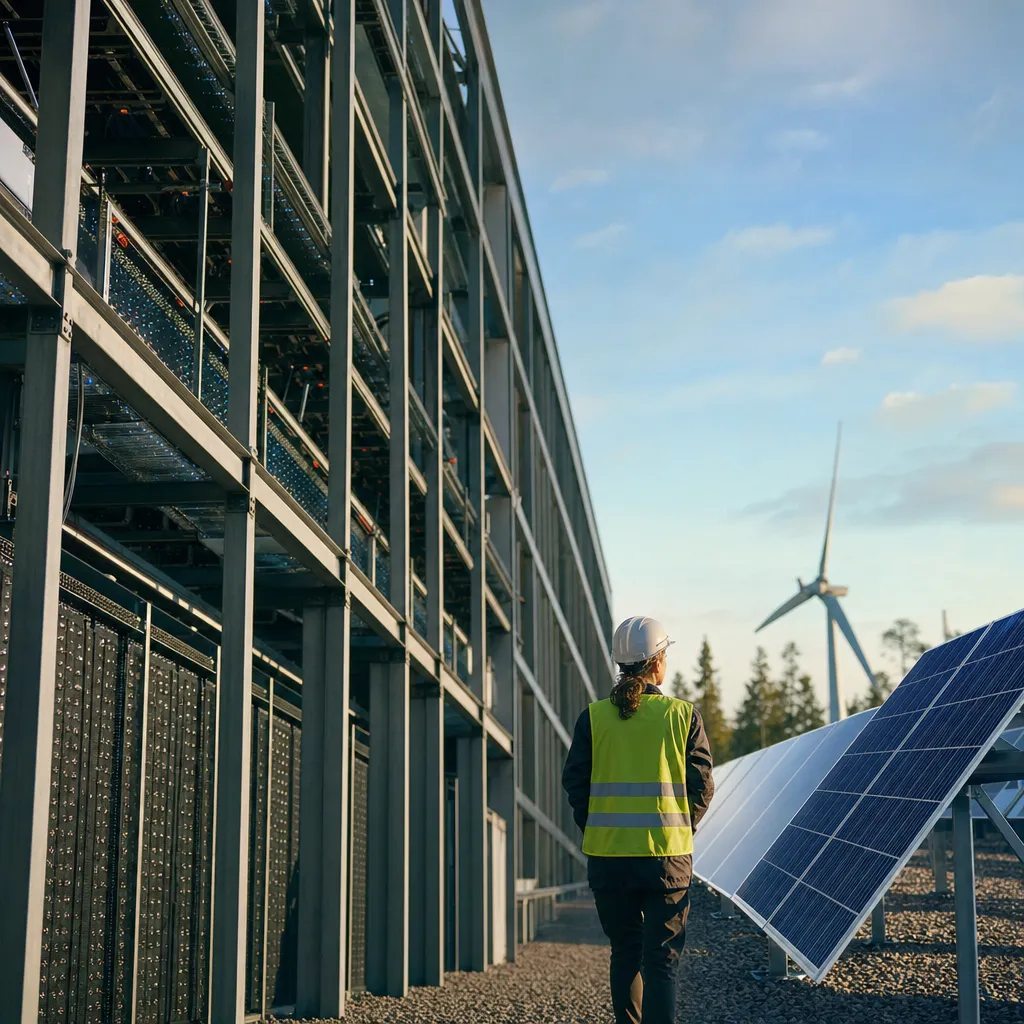
The AI data center energy buildout has emerged as one of the strongest near-term demand signals for utility-scale clean energy and storage infrastructure. Major hyperscalers — Microsoft, Google, Amazon, Meta — have all made public commitments to run AI infrastructure on renewable power, creating contracted demand for wind, solar, and storage that runs years into the future.
LG Energy Solution is one of several large battery manufacturers now explicitly aligning product roadmaps with AI data center requirements. The move mirrors what happened to the power electronics and cooling industries over the past two years, where data center requirements became the dominant design constraint for equipment manufacturers across categories.
The 50 GWh North American production target is itself a signal: at current energy storage pricing, 50 GWh of BESS capacity represents tens of billions of dollars in potential project value. If even a fraction of that capacity is committed to AI data center projects under long-term supply agreements, it would validate LG Energy Solution's strategic pivot toward compute infrastructure.
What to Watch
Track whether LG Energy Solution announces specific hyperscaler customers in the coming quarters — contracts with named AI infrastructure operators would validate that the AI-data-center ESS category is a distinct market, not just a marketing reframe of existing grid storage products. Also watch whether competitors — CATL, Samsung SDI, or US-based manufacturers like Powin and Fluence — respond with AI-specific energy storage product lines of their own.
Did this help you understand AI better?
Your feedback helps us write more useful content.
Get tomorrow's AI briefing
Join readers who start their day with NexChron. Free, daily, no spam.