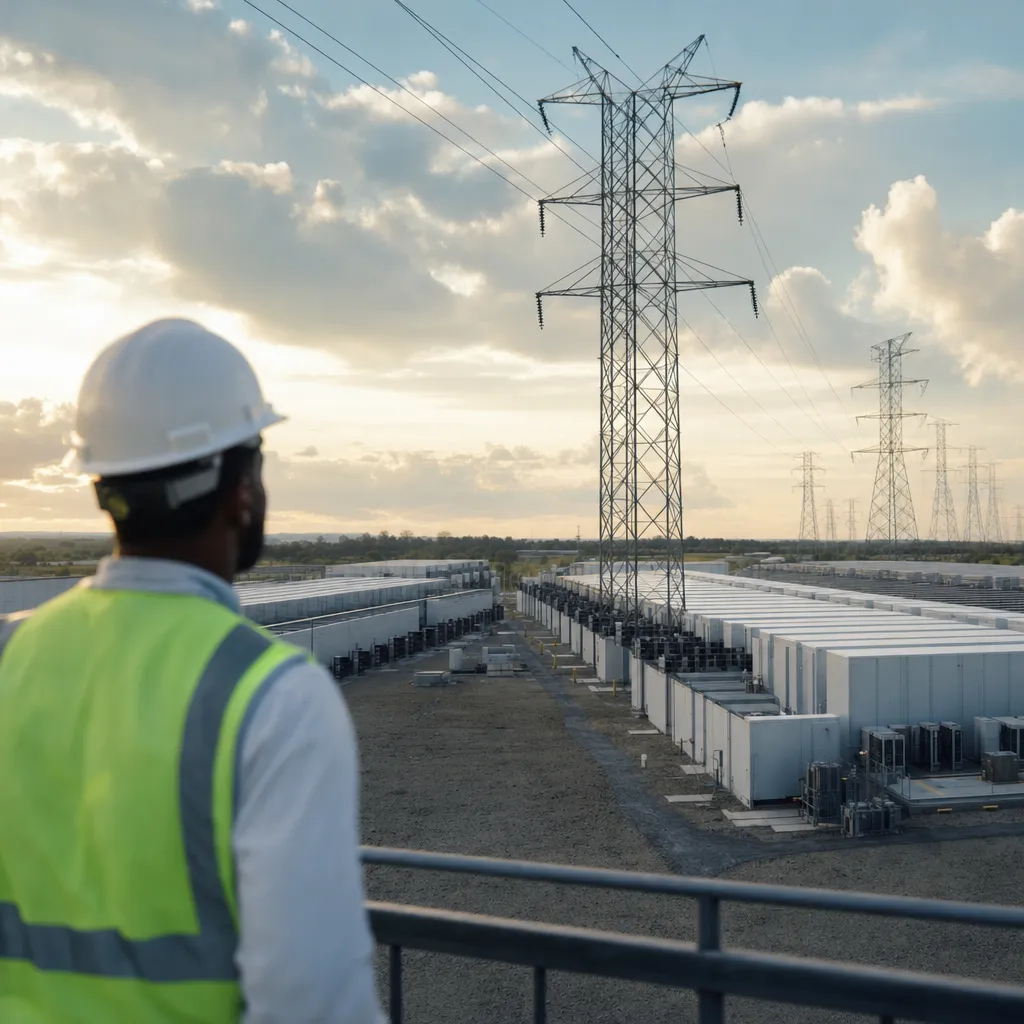
A new ADNOC-Microsoft study finds nearly 90 percent of global energy leaders increased AI investment last year, with grid modernization leading adoption at 66 percent.
Nearly nine in ten global energy executives increased AI spending in the past year, and grid modernization has become the sector's top AI investment priority — driven by the same electricity demand that AI infrastructure itself is generating. A new study by ADNOC and Microsoft finds that 90 percent of energy sector leaders raised their AI budgets over the past 12 months, with smart-grid technologies leading adoption at 66 percent and energy storage at 42 percent.
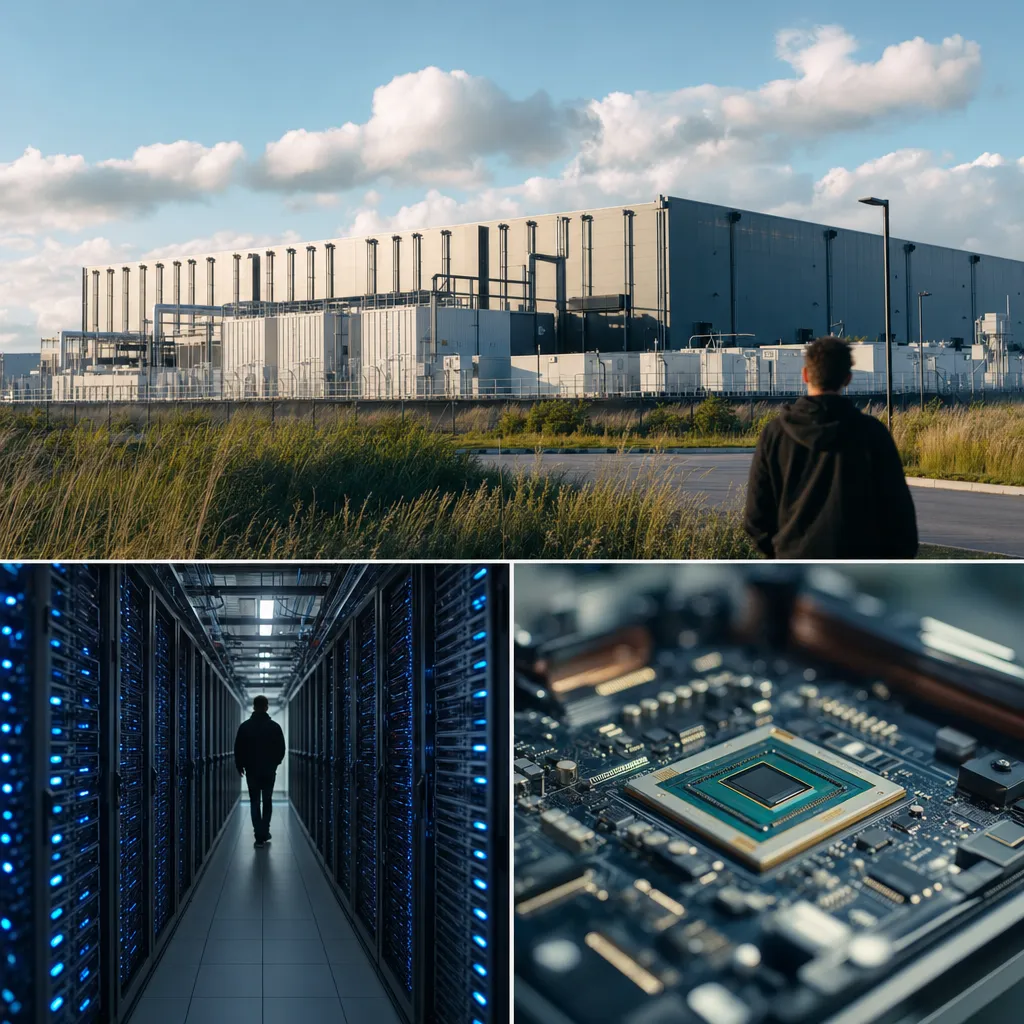
The timing is not incidental. The energy sector is confronting a problem that AI companies created: data centers running AI workloads require enormous, predictable electricity supply. Managing that demand — while integrating more variable renewable sources and maintaining grid stability — requires the kind of real-time optimization that AI tools are uniquely suited to provide. The industry is, in a meaningful sense, using AI to manage the disruption that AI caused.
What the Study Found
The ADNOC-Microsoft study surveyed global energy executives across oil and gas, utilities, and renewables — providing a broad cross-sector view of AI investment priorities at a moment when energy infrastructure decisions are being made that will shape supply reliability for the rest of the decade.
Grid modernization at 66 percent is the headline finding. More than two-thirds of surveyed energy leaders are prioritizing smart-grid technologies — AI-driven systems that monitor, balance, and optimize power distribution across increasingly complex grid architectures. These systems route electricity around failures, integrate variable renewable supply in real time, and provide the demand-forecasting infrastructure that grid operators need to manage consumption spikes without overbuilding generation capacity.
Energy storage at 42 percent reflects the industry's recognition that variable renewable generation requires storage to become grid-reliable. AI is critical to storage management: optimizing charge and discharge cycles, predicting demand curves across different weather and usage patterns, and coordinating storage assets with generation and load in real time. Without AI optimization, storage assets underperform their engineering potential significantly.
Get this in your inbox.
Daily AI intelligence. Free. No spam.
The Self-Referential Problem
The study's context is a sector under structural stress that is partly of its own making. AI data center construction has added significant electricity demand in virtually every major market in 2026. Utilities in Virginia, Texas, Arizona, and the UK have described grid interconnection queues measured in years as data center developers compete for capacity. This is the problem energy leaders are now turning to AI to solve.
The irony — using AI to manage AI's grid impact — is real but also productive. Grid management is one of the clearest use cases for AI because the value is directly calculable. A smart-grid AI that reduces curtailment of renewable energy by 10 percent, or that prevents a grid instability event during a peak demand period, delivers outcomes that can be measured in avoided costs and revenue preserved.
The ADNOC-Microsoft survey confirms that energy companies which were cautious AI adopters as recently as 2024 are now investing at a pace that matches or exceeds other industrial sectors. The urgency of the grid problem is functioning as an accelerant.
Investment Implications
For energy infrastructure investors and developers, the 90 percent AI spending increase figure signals that the sector has moved past the evaluation phase. Energy companies are buying and deploying AI tools, not piloting them.
The specific priorities — grid modernization first, storage second — indicate where capital is actually flowing. Grid-edge AI systems, demand forecasting platforms, and renewable integration software are receiving investment at scale. Energy storage optimization AI is emerging as a distinct software category.
For utilities and grid operators that have historically been among the most conservative technology adopters, the pace of AI adoption reflects the urgency of the challenge. Grid instability from a demand surge is not an abstract risk. It is an operational failure with immediate, measurable consequences — and utility executives are responding accordingly.
What to Watch
The winter peak demand season — typically January and February in northern hemisphere markets — will be the first major test of whether AI grid management investments made in 2026 improve resilience under real stress. Watch for operational data from grid operators in AI data center-heavy markets, including Northern Virginia's PJM grid, ERCOT in Texas, and the UK's National Grid, on whether smart-grid AI performs as intended when demand peaks.
The energy storage figure at 42 percent is also worth tracking closely through Q1 2027. Storage deployment is accelerating this year, and AI optimization of storage assets is the variable that determines whether those investments pay off at the grid scale. How storage performs through the first winter stress tests will determine whether the 42 percent priority becomes the dominant AI investment category in 2027.
Did this help you understand AI better?
Your feedback helps us write more useful content.
Get tomorrow's AI briefing
Join readers who start their day with NexChron. Free, daily, no spam.