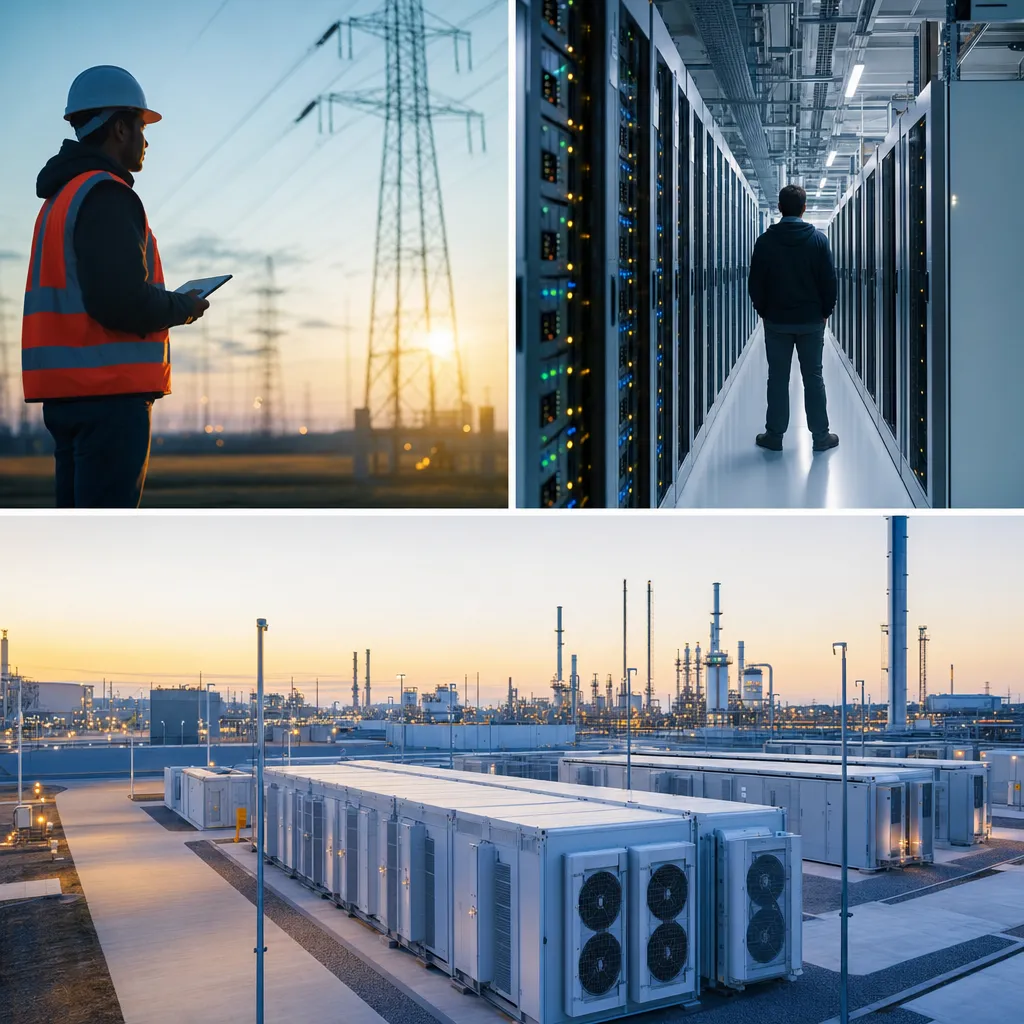
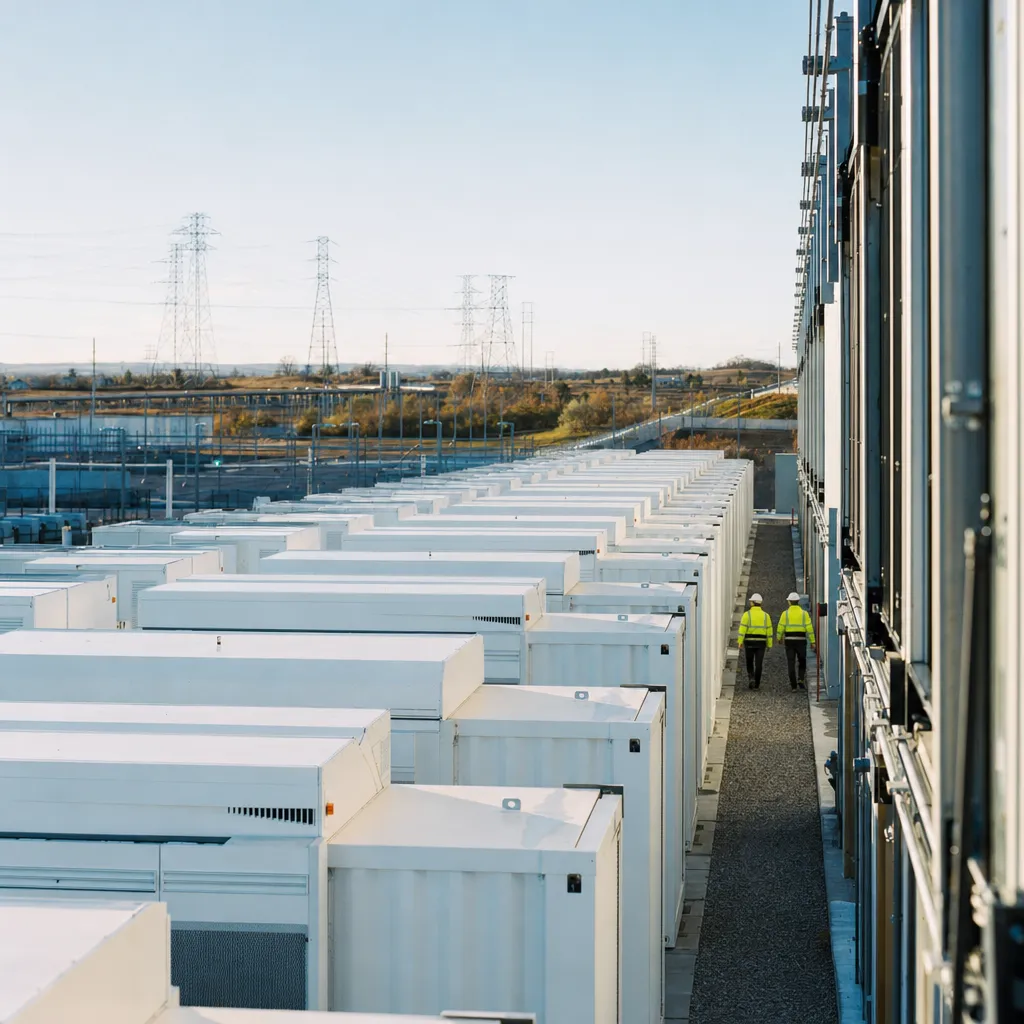
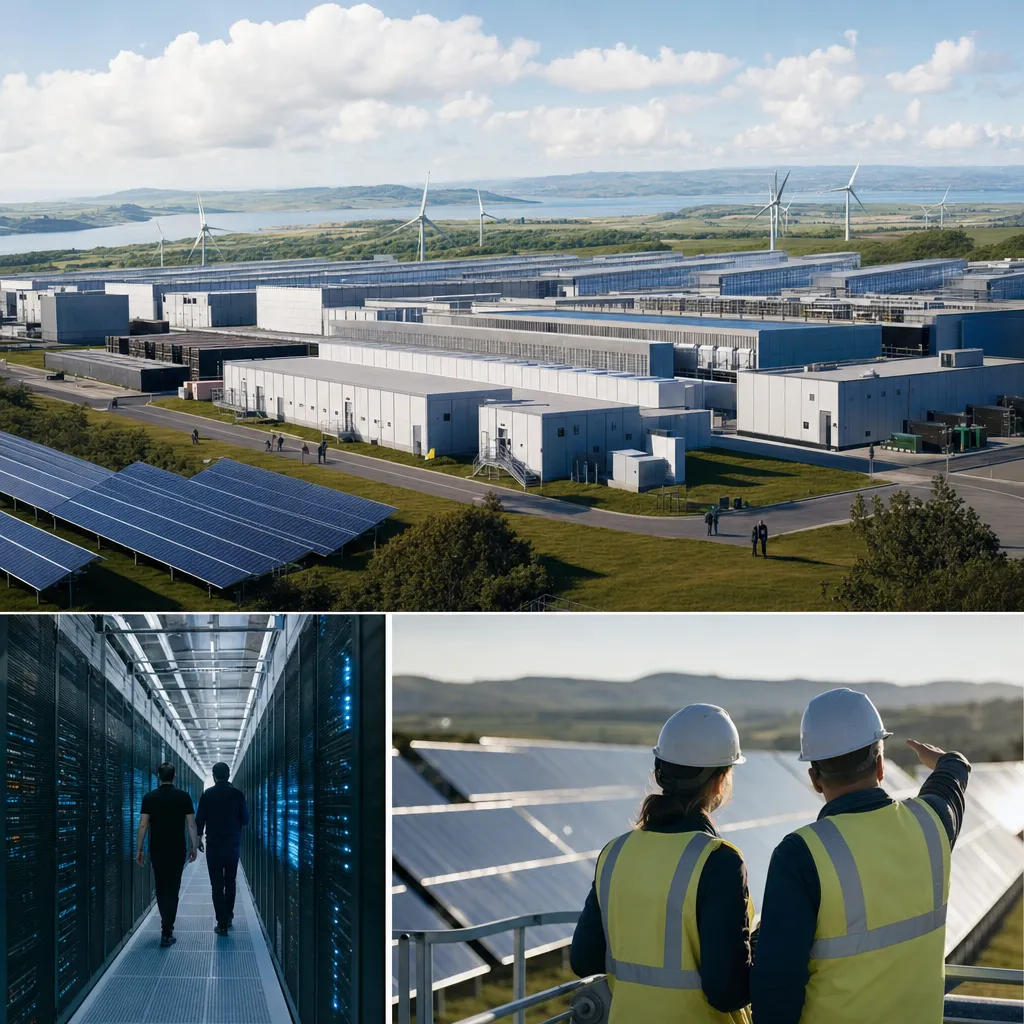
The Department of Energy is deploying AI to scan the U.S. power grid for vulnerabilities and model critical infrastructure dependencies, with parallel work on hardening power feeds connected to military installations.
The Department of Energy is deploying AI to scan the U.S. power grid for vulnerabilities and model how critical infrastructure components depend on each other — with parallel work focused specifically on hardening power feeds connected to military installations.
The strategic logic is straightforward: AI's growing energy demands and national grid security have become inseparable concerns. Keeping the lights on for AI data centers and keeping the lights on for defense installations are increasingly the same infrastructure problem, managed by the same grid, and now defended by the same AI tools.
Background
The U.S. power grid is not a single unified system. It is an interconnected web of generation assets, transmission lines, substations, and distribution networks spanning three largely separate synchronous grids: the Eastern Interconnection, the Western Interconnection, and the Texas Interconnection (ERCOT). This complexity creates cascading failure risks — when one component goes down, the effects can ripple across components that weren't directly connected to the original failure point.
Mapping these dependencies manually is a months-long process for human analysts. The same mapping done by AI can be completed in a fraction of the time and updated continuously as the grid evolves with new renewables, storage systems, and demand nodes. That dynamic mapping capability is precisely what the DOE is now building.
What the DOE Is Deploying
According to Federal News Network, the initiative covers three primary functions:
Vulnerability scanning. AI tools scan grid infrastructure for attack surfaces, configuration gaps, and legacy equipment that lacks modern cybersecurity protections. The U.S. grid includes components that are decades old and were never designed with network security in mind. Many substations and control systems run software that hasn't been patched in years. Identifying which of those components create exploitable entry points scales poorly for human teams but maps naturally to AI pattern recognition.
Dependency modeling. AI builds dynamic maps of how infrastructure components interact. When a substation in one state fails, what load shifts where? Which transmission corridors become critical? Which military installations lose their primary feed and fall to backup power? These chains can be pre-modeled so emergency response is planned rather than improvised.
Military installation hardening. Power feeds to military installations are a distinct priority within the broader grid security work. This responds directly to years of warnings from defense officials that military bases — most of which rely on commercial grid power — are vulnerable to disruptions caused by physical attack, cyberattack, or extreme weather events. The AI analysis identifies which installations face the highest grid-failure risk and what infrastructure changes would reduce that exposure.
Get this in your inbox.
Daily AI intelligence. Free. No spam.
Why This Is Happening Now
Two converging trends have pushed grid security up the federal priority list simultaneously.
AI data center demand is straining the grid. Major cloud providers and AI companies are building data centers at a pace the existing grid was not designed to support. DOE analyses project that U.S. electricity demand could increase 15–20% by 2030, driven primarily by AI infrastructure. That demand is concentrating in specific regions — Northern Virginia, Texas, the Pacific Northwest — creating new transmission stress points that hadn't existed five years ago.
Adversarial threats to grid infrastructure are increasing. The FBI, CISA, and NSA have all issued warnings in recent years about state-sponsored actors targeting U.S. grid infrastructure. The 2021 Colonial Pipeline ransomware attack — which disrupted fuel supplies across the Eastern Seaboard — demonstrated what a successful critical infrastructure attack looks like at commercial scale. The power grid is a higher-value target.
The combination of a grid under new physical stress and facing growing adversarial attention creates urgency that wasn't present a decade ago.
Impact
For grid operators, the DOE's AI tools offer something that existing monitoring systems don't: forward-looking risk modeling rather than reactive alerting. Traditional grid monitoring tells operators what is currently failing. AI dependency modeling tells operators what could fail next and what will cascade if it does. That shift from reactive to predictive is the core operational value.
For the defense sector, the military installation hardening work represents formal acknowledgment that base power security is a national security issue, not a facilities management issue. This framing has practical consequences: it moves installation energy resilience from a maintenance budget line to a defense investment category.
For AI companies and data center operators, the DOE initiative is a signal that the federal government now views their infrastructure demands as a grid security variable. That framing could translate into future requirements around data center siting, power purchase agreements, or backup power standards — particularly for facilities that draw enough power to materially affect regional grid stability.
For the broader energy sector, the initiative validates AI as a defensive infrastructure tool, not just a demand driver. The same technology that is putting new pressure on the grid is also being deployed to protect it.
What to Watch
Watch for DOE to publish an updated grid security framework incorporating AI-driven vulnerability assessment — expected in the first half of 2027. Also watch how CISA and DOE coordinate this work with the AI Safety Institute's emerging critical infrastructure AI guidelines.
The overlap between AI as a threat-surface and AI as a defensive tool is a core policy challenge that hasn't been resolved. The DOE's initiative is an early example of the federal government working through that tension in practice.
Source: Federal News Network — DOE AI grid hardening and military installations
Did this help you understand AI better?
Your feedback helps us write more useful content.
Get tomorrow's AI briefing
Join readers who start their day with NexChron. Free, daily, no spam.