AI data centers are projected to account for 55% of all U.S. electricity demand growth over the next five years — and renewables are the only generation technology that can keep pace.
AI Data Centers and Renewables Are Driving the Biggest Electricity Demand Surge in Decades
By Hector Herrera | May 6, 2026 | Energy
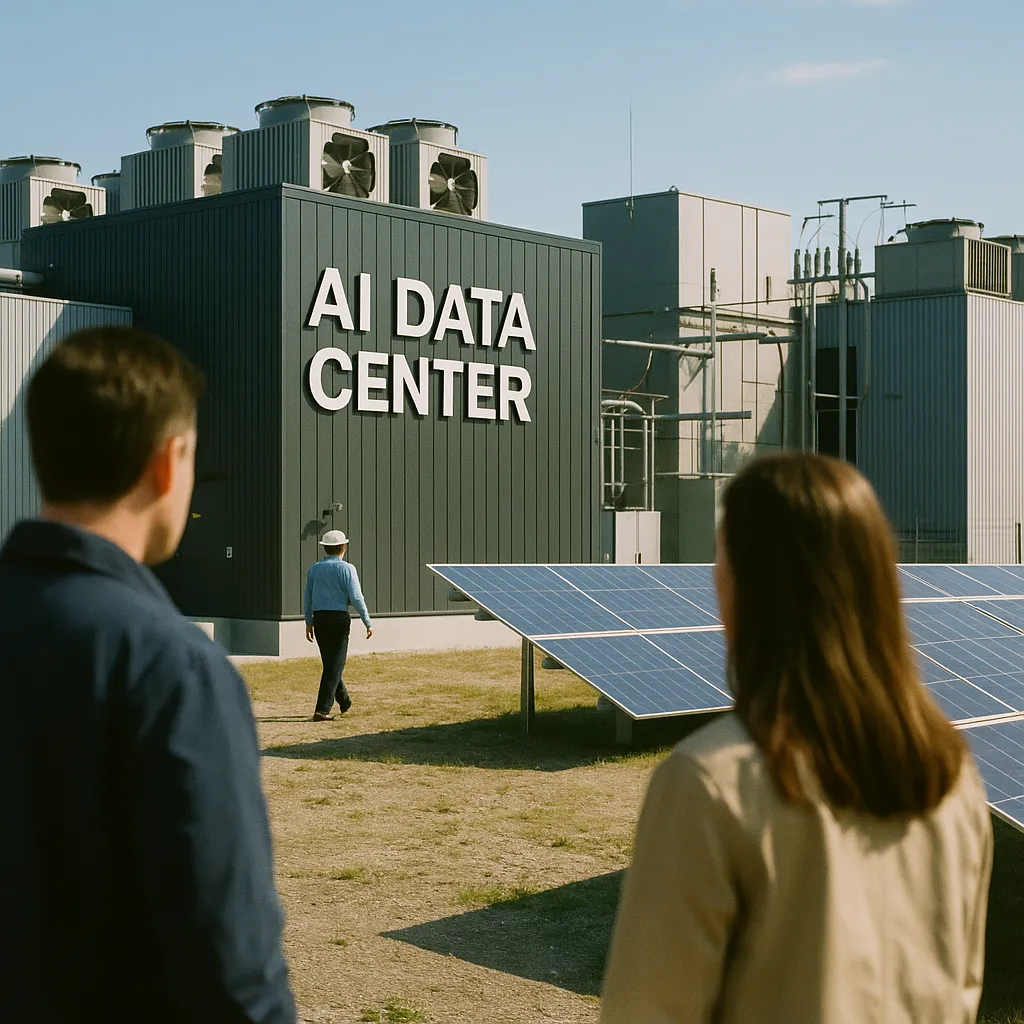
AI data centers and accelerating renewable energy buildout are together pushing global electricity demand to levels not seen in generations — and the two trends are now structurally linked. A new analysis finds that data centers alone are projected to account for 55% of all U.S. electricity demand growth over the next five years, while renewables remain the only generation technology that can be built fast enough to keep pace.
Why This Matters Now
For most of the past two decades, U.S. electricity demand was essentially flat. Efficiency gains in lighting, appliances, and industrial processes roughly offset new load growth. That era is over. The combination of AI infrastructure expansion and the electrification of transportation and manufacturing has snapped that plateau — and the numbers are now large enough to reshape how grid operators plan, how utilities raise capital, and how energy policy gets written.
This isn't a future projection problem. Grid operators are already reporting interconnection queues clogged with new data center projects. Utilities are accelerating capacity planning cycles that previously ran on five-year timelines.
The Numbers Behind the Surge
The scale of AI-driven electricity demand is striking on its own terms:
- Data centers: 55% of U.S. electricity demand growth over the next five years, per the analysis.
- A single large AI training cluster can consume as much power as a small city — and hyperscalers are building dozens of them simultaneously.
- Global electricity demand growth is on pace to be the largest sustained surge in decades, driven by the simultaneous acceleration of AI infrastructure and renewable energy buildout.
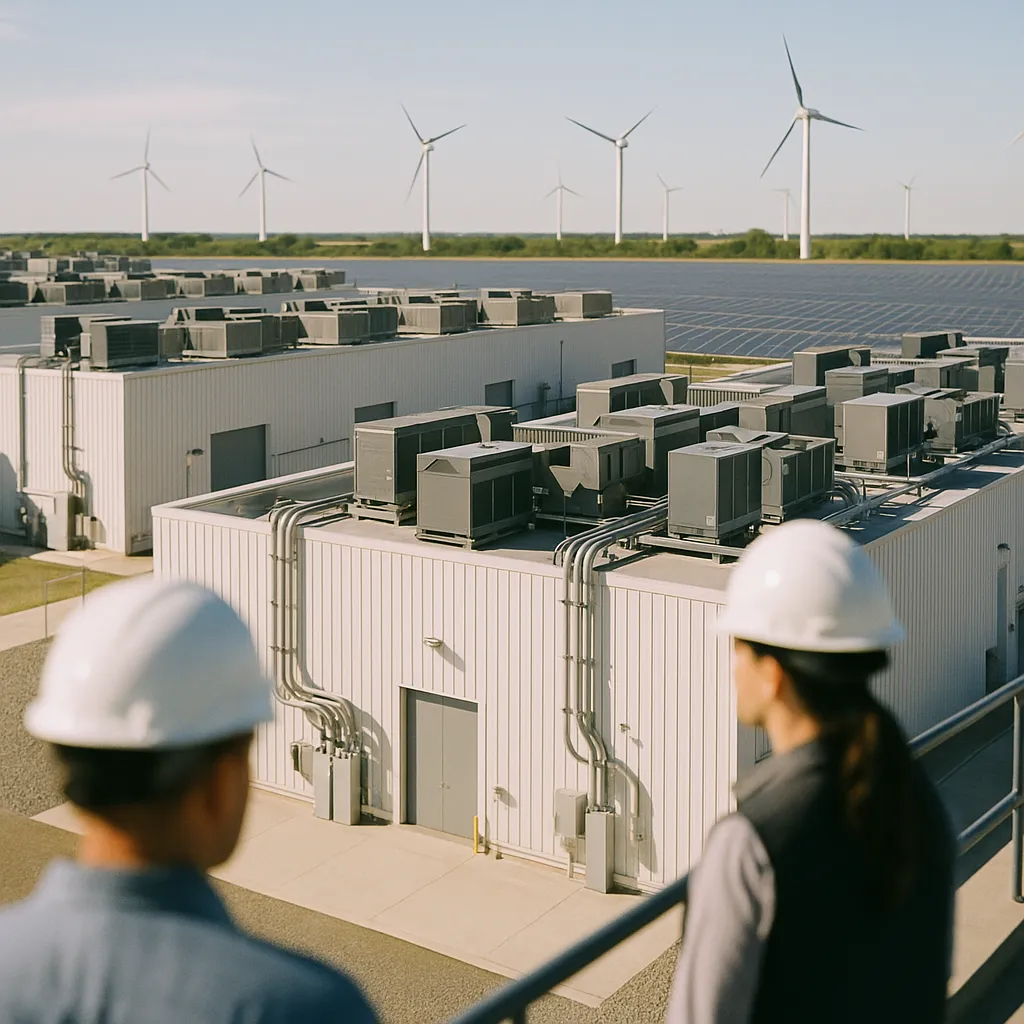
The renewable connection is not incidental. Solar and onshore wind are currently the only generation technologies that can go from groundbreaking to grid connection in two to three years — the same timeframe data center developers need to bring new facilities online. Nuclear, gas peakers, and long-duration hydro all require five to fifteen years from permit to power. That mismatch makes renewables the de facto partner for AI infrastructure expansion, regardless of how any individual company frames its sustainability commitments.
The Grid Math Is Complicated
The structural pairing of AI and renewables creates a tension that utilities and grid operators haven't fully resolved:
Get this in your inbox.
Daily AI intelligence. Free. No spam.
AI data centers want firm, 24/7 power. Large language model training and inference workloads run continuously. They can't shut down because the wind stopped.
Renewables are intermittent. Solar generates during the day; wind generates when it blows. Without storage or backup generation, renewable-powered data centers face reliability gaps.
The current industry solution is a layered approach: long-term power purchase agreements (PPAs) with renewable developers to match annual consumption, backed by grid power — which still largely runs on natural gas — to fill gaps. Critics argue this accounting move doesn't reflect actual hourly emissions but does move capital toward new renewable buildout, which expands total clean generation even if a specific data center isn't running on solar at 2 a.m.
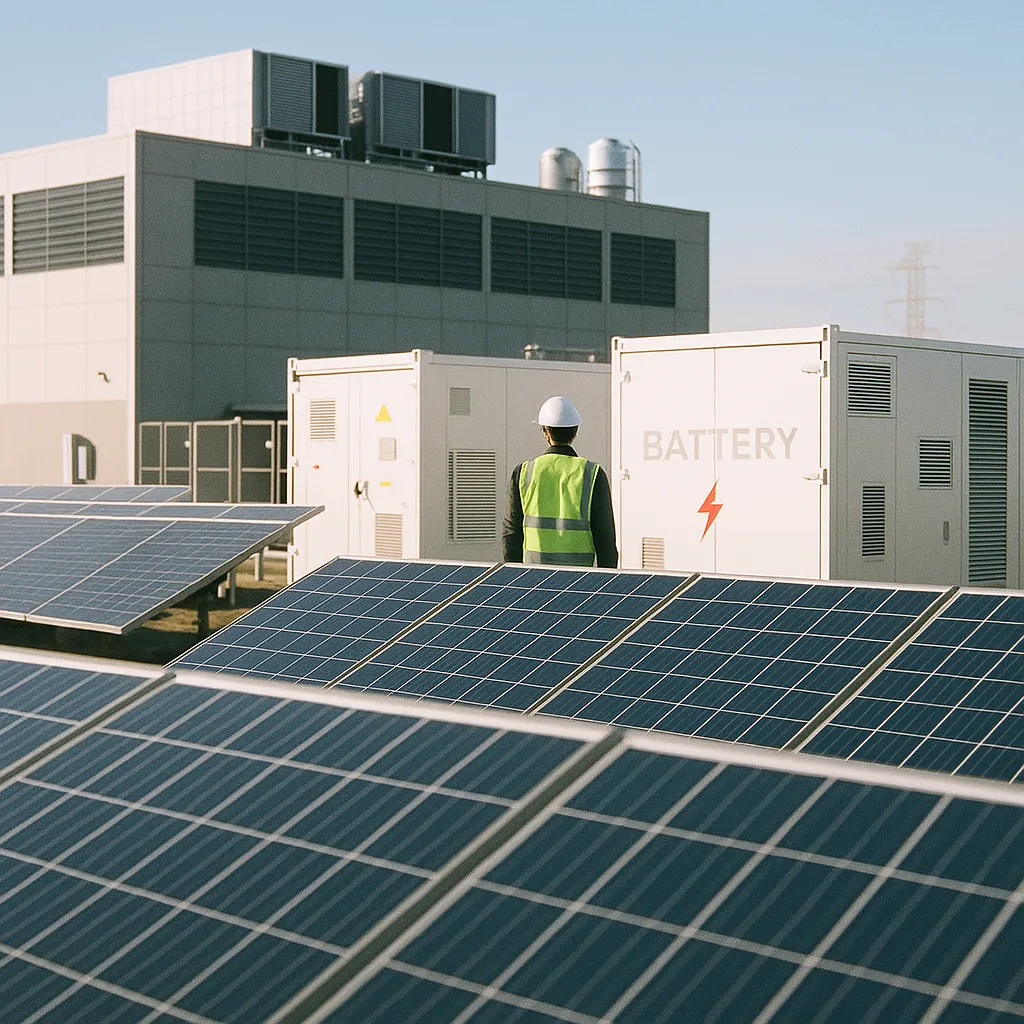
Battery storage is closing the gap but not fast enough. Grid-scale storage deployments are accelerating, yet the cost and volume of storage needed to fully firm up renewable supply for data center baseload remains a multi-year challenge.
What This Means for the Industry
For utilities and grid operators: Demand forecasts need to be rewritten. The flat-demand assumptions embedded in most utility integrated resource plans (IRPs) are now dangerously conservative. Utilities that move early to secure generation capacity and interconnection for data center customers are locking in long-term load that will anchor their revenue for decades.
For data center developers: Power availability is now a first-order site selection constraint, equal to or exceeding fiber connectivity, real estate cost, and tax incentives. Projects are being located in regions with aggressive renewable pipelines — the Southwest, the upper Midwest, parts of the Southeast — rather than solely near major metro fiber hubs.
For renewable energy developers: AI infrastructure is providing a demand signal that was missing from most energy transition models. Large hyperscale buyers are signing 10- to 20-year PPAs at scale, financing projects that couldn't attract capital three years ago.
For policymakers: Transmission bottlenecks are now a direct constraint on AI competitiveness, not just an environmental policy question. Interconnection reform, permitting acceleration, and grid modernization are suddenly AI policy issues as much as energy policy ones.
What to Watch
The key indicator to track is how quickly grid operators process the backlog of interconnection requests for new data center projects. Delays in that queue translate directly into delays in AI infrastructure expansion — and, paradoxically, into demand for diesel backup generation that undermines the clean-energy story. Congressional action on permitting reform and transmission siting, stalled for years, now has a much larger and better-funded constituency pushing for it.
Did this help you understand AI better?
Your feedback helps us write more useful content.
Get tomorrow's AI briefing
Join readers who start their day with NexChron. Free, daily, no spam.