AI workload scheduling — not new power plants — is the fastest available solution to data center grid stress, as AI forecasting now predicts renewable output at 95%+ accuracy.
Intelligent workload scheduling — not new power plants — is emerging as the fastest available solution to data center grid stress, with AI-enhanced forecasting platforms now predicting solar and wind output at over 95% accuracy. A new analysis from Data Centre Review argues that the three-to-five-year gap between AI infrastructure demand and renewable energy supply can only be bridged by smarter orchestration of when and where compute runs.
The Gap That Can't Be Built Away
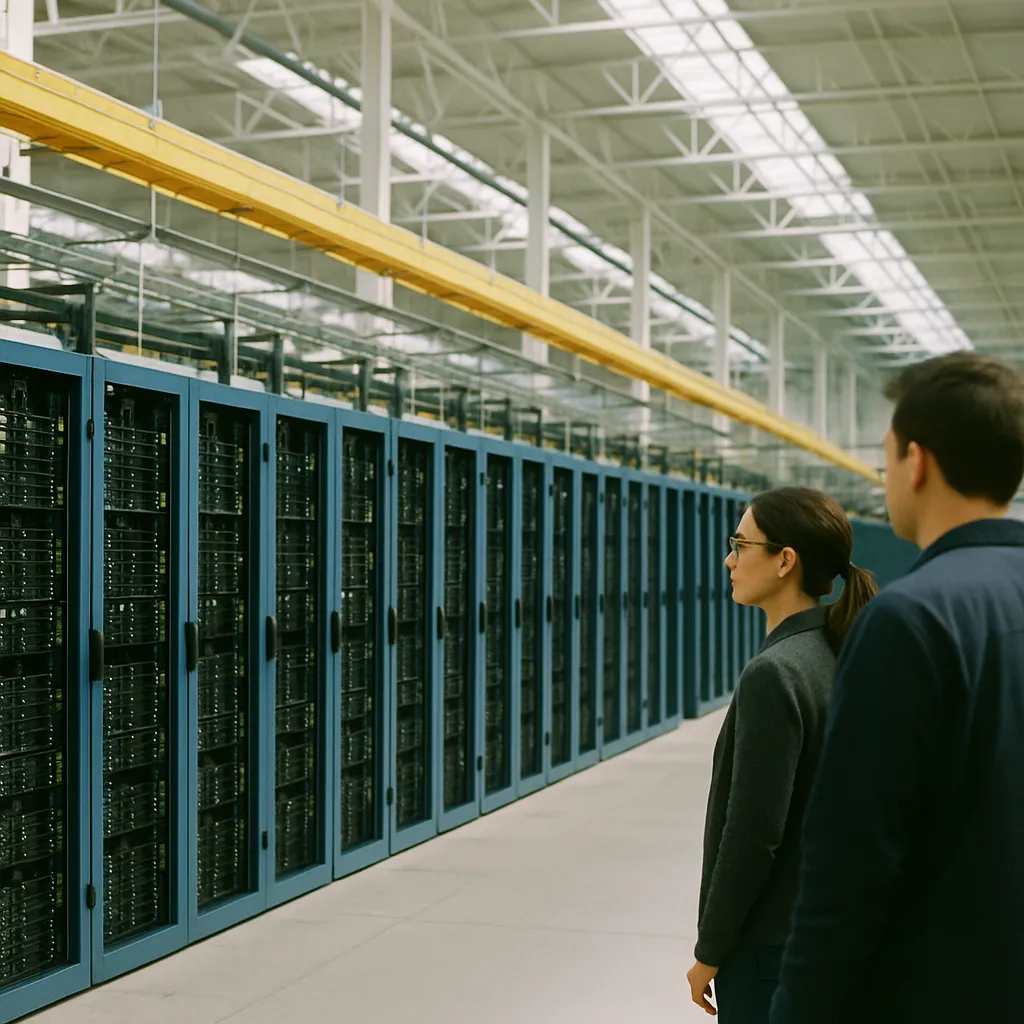
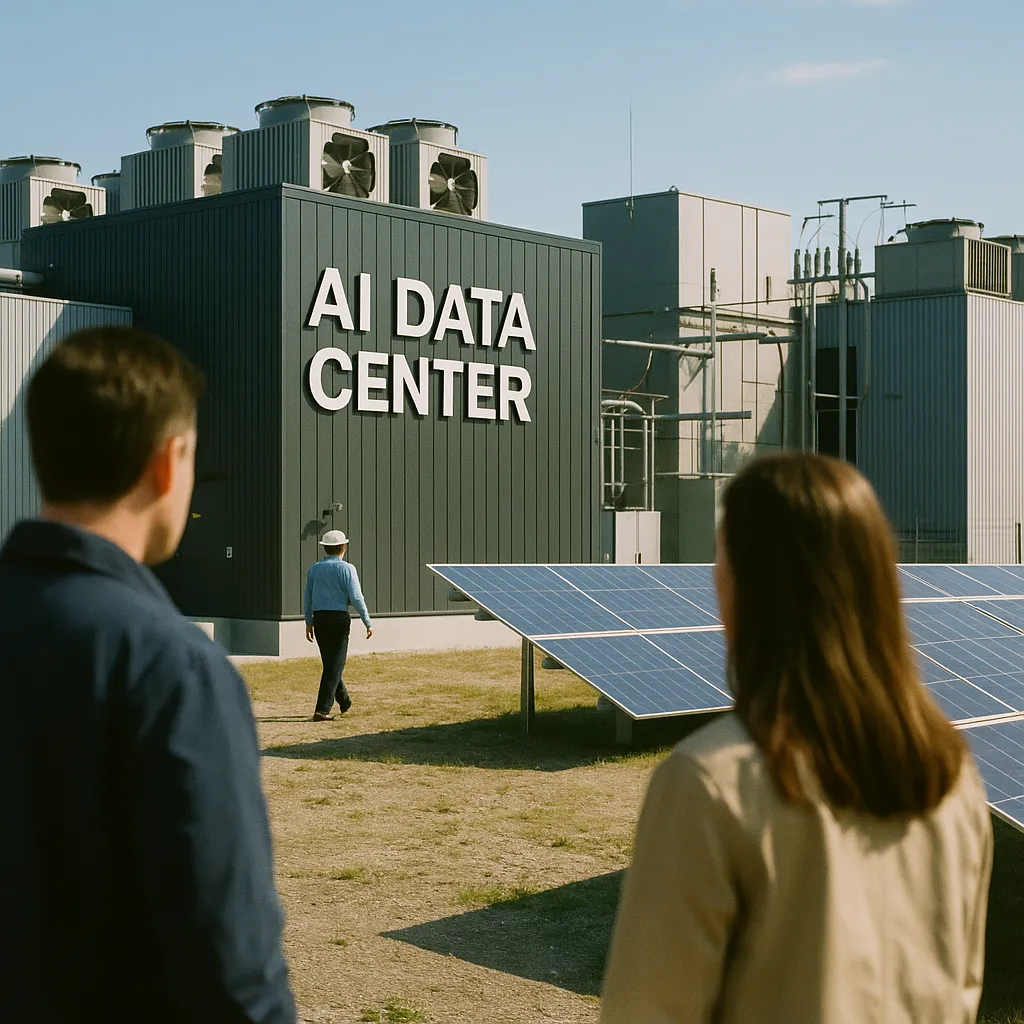
AI infrastructure scales in months. Renewable energy infrastructure takes three to five years to permit, build, and connect to the grid. That mismatch is now showing up as real pressure on utility systems across the U.S., Europe, and parts of Asia.
Hyperscalers and enterprise operators are commissioning new data centers every quarter. Utilities are fielding interconnection requests for facilities that will draw more power than mid-sized cities. The traditional answer — build more generation and transmission capacity — can't keep pace with that timeline.
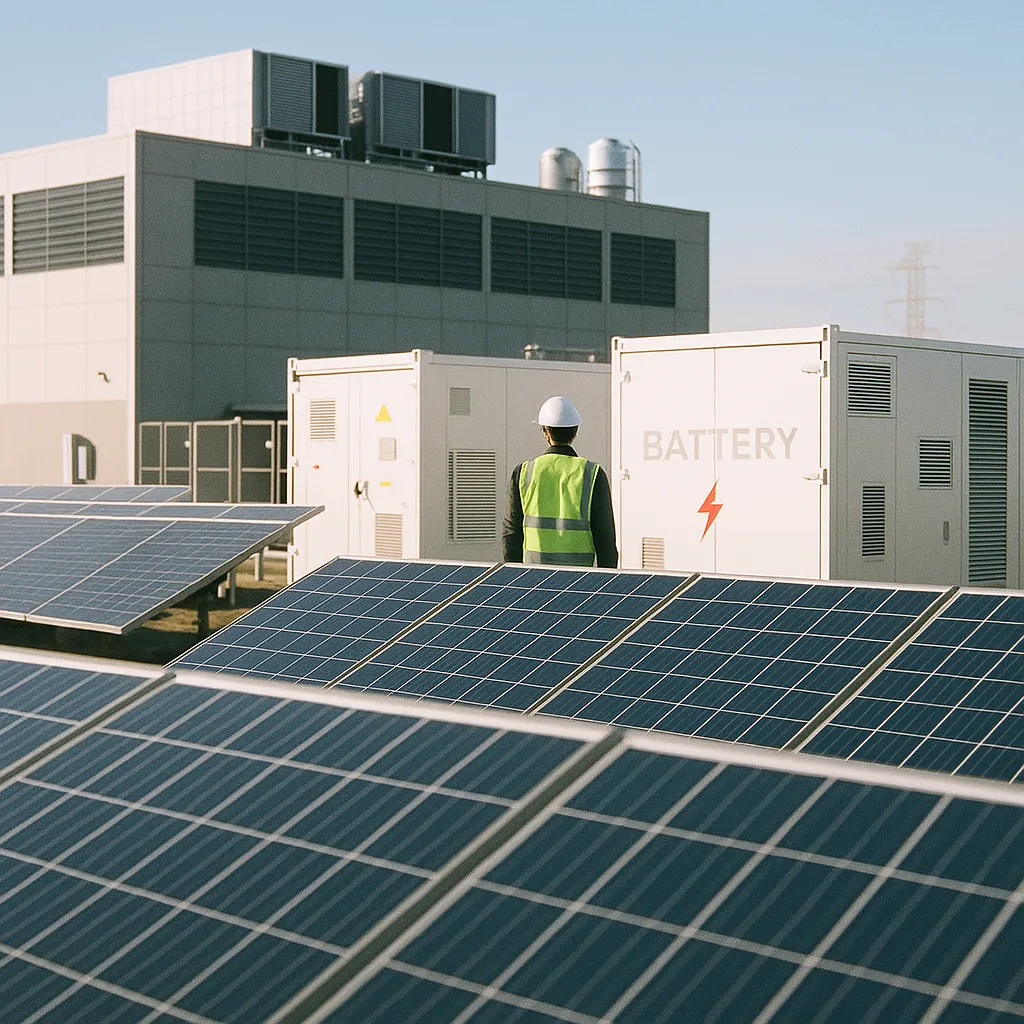
The U.S. grid interconnection queue already holds hundreds of gigawatts of approved solar and wind projects waiting for grid integration slots. New transmission infrastructure, which determines whether generation actually reaches demand centers, faces the same multi-year build cycle. Near-term, the physics don't change: AI demand is growing faster than clean supply can be added.
What AI Orchestration Does
AI-driven workload orchestration refers to software that schedules compute tasks based on grid conditions rather than just performance requirements. In practice:
- Non-time-sensitive workloads — large model training runs, batch inference jobs, data preprocessing — get deferred to periods when renewable generation is high and grid carbon intensity is low
- Workloads shift geographically between data center locations based on where clean power is most abundant at a given hour
- 24–48 hour forecasts allow operators to pre-schedule jobs against predictable clean energy windows rather than reacting in real time
The 95%+ forecasting accuracy now achievable for solar and wind output is what makes this operationally viable. At lower accuracy levels, scheduling benefits evaporate when forecasts miss. At this level, operators can reliably plan against renewable availability windows the same way airlines plan routes around weather forecasts.
Why It's Harder Than It Sounds
Scheduling AI workloads against grid availability introduces complexity that traditional data center operations weren't designed to handle. Standard compute scheduling optimizes for throughput, latency, and uptime. Adding a grid-awareness layer requires:
Get this in your inbox.
Daily AI intelligence. Free. No spam.
- Real-time grid data integration — pulling carbon intensity and renewable availability data from utility APIs and regional grid operators like CAISO, ERCOT, and PJM
- Workload classification — determining which jobs are flexible enough to shift and which carry hard latency requirements
- Multi-location coordination — matching flexible workloads to the facilities where clean power is most available at a given time
- Trade-off management — resolving conflicts between carbon optimization, cost optimization, and SLA commitments to customers
The most power-hungry AI workloads — model training runs that can consume megawatts for days or weeks — are also the ones where operators are most reluctant to accept schedule changes. A training run deferred by 48 hours can push downstream product timelines by weeks. That creates real friction between sustainability goals and operational requirements.
Who Is Building This
Several categories of players are converging on the orchestration problem.
Hyperscalers — Google, Microsoft, Amazon — have built proprietary grid-aware scheduling systems internally. Google's carbon-aware computing initiative shifts batch workloads to regions and times with the lowest grid carbon intensity. Microsoft has published approaches under its carbon-aware SDK, making tools available to enterprise operators on Azure infrastructure.
Data center operators like Equinix and Digital Realty are adding grid-flexibility capabilities to their platforms, recognizing that enterprise clients are under their own ESG commitments and want help meeting them without building the plumbing themselves.
Startups including Crusoe Energy have positioned around running AI compute specifically in locations with stranded or excess renewable generation — flared gas sites, remote wind farms, and similar locations where power is cheap because it can't easily reach population centers.
The Contractual Shift Coming
The real test of AI orchestration at scale will come when power purchase agreements are structured around workload flexibility, not just capacity guarantees. If a data center operator can credibly commit to shifting demand in response to grid signals, that changes the economics of renewable development — utilities can build with a more reliable and manageable demand curve.
That kind of contractual innovation is beginning to appear in pilot deals between large operators and regional utilities. As orchestration platforms demonstrate reliable demand flexibility at scale, expect grid-responsive contracts to become standard in data center power agreements by 2027.
What to Watch
The key question is whether orchestration platforms can deliver meaningful flexibility at the scale AI infrastructure requires without compromising the performance commitments operators have made to enterprise customers. The technology works in pilots. Industrial-scale deployment across heterogeneous infrastructure is the unsolved problem.
Watch for hyperscalers to begin disclosing the percentage of compute workloads running on time-shifted or location-shifted schedules as a sustainability metric — it would be one of the few data points that makes grid-aware computing auditable at portfolio level.
By Hector Herrera
Did this help you understand AI better?
Your feedback helps us write more useful content.
Get tomorrow's AI briefing
Join readers who start their day with NexChron. Free, daily, no spam.